Can You Paint Exterior Electrical Panels

Frequently Asked Questions About Painting Exterior Electrical Panels
Is it safe to paint an exterior electrical panel?
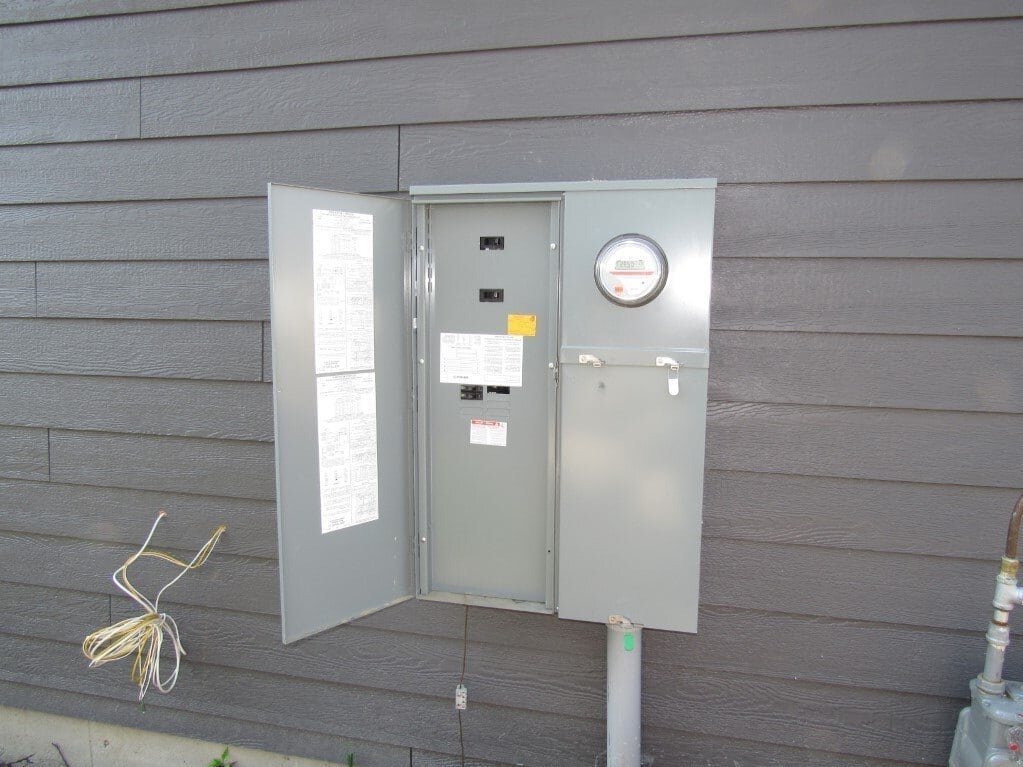
Generally, yes, it is safe to paint an exterior electrical panel, provided you take the necessary precautions. The key is to avoid getting paint on any internal electrical components or obstructing ventilation. Your safety and the panel's proper functioning are the top priorities.
Why would someone want to paint an exterior electrical panel?
There are several reasons why homeowners or facility managers might choose to paint an exterior electrical panel:
- Aesthetics: An old, faded, or mismatched electrical panel can be an eyesore. Painting it can help it blend in with the surrounding exterior of your home or building, improving curb appeal.
- Rust Prevention: Painting can help protect the metal enclosure from rust and corrosion, extending its lifespan, especially in coastal or humid climates.
- Camouflage: You might want to paint the panel a color that makes it less conspicuous, blending it with the siding or landscaping.
- Homeowners Association (HOA) requirements: Some HOAs may have rules about the appearance of exterior features, including electrical panels.
What are the most important safety precautions to take before painting an electrical panel?
Safety is paramount! Before you even think about picking up a paintbrush, take these critical precautions:
- Turn Off the Power: This is absolutely essential. Turn off the main breaker that controls the entire electrical panel. This minimizes the risk of electrical shock. If you are not comfortable doing this yourself, hire a qualified electrician. Double-check that the power is off using a non-contact voltage tester.
- Wear appropriate safety gear: Wear safety glasses to protect your eyes from paint splatters, and gloves to protect your hands.
- Read the Label: Always review the paint manufacturer's instructions and safety data sheet (SDS) for the specific product you're using.
- Protect the surrounding area: Cover any nearby surfaces, such as siding, landscaping, or walkways, with drop cloths or plastic sheeting to prevent paint splatters.
- Ventilation: Ensure adequate ventilation in the work area. If painting indoors or in a confined space, open windows and doors to allow for proper airflow.
What kind of paint should I use on an exterior electrical panel?
Choosing the right paint is crucial for both aesthetics and durability. Here's what to look for:
- Exterior-Grade Paint: Always use paint specifically designed for exterior use. These paints are formulated to withstand the elements, including sun, rain, and temperature fluctuations.
- Rust-Inhibiting Primer: If the panel shows any signs of rust, start with a rust-inhibiting primer. This will help prevent the rust from spreading and provide a good base for the topcoat. Even if there's no visible rust, a primer is recommended to improve adhesion and provide extra protection.
- Acrylic Latex Paint: Acrylic latex paint is a popular choice for exterior applications. It's durable, weather-resistant, and easy to clean up.
- Enamel Paint: Enamel paints offer a hard, durable finish that is resistant to chipping and scratching. They are a good option if you want a long-lasting finish, but they can be more difficult to work with than latex paints and may require more specialized cleanup.
- Color: Choose a color that complements the surrounding exterior of your home or building. Consider the color of your siding, trim, and landscaping. Some HOAs may have specific color restrictions.
How do I prepare the electrical panel for painting?
Proper preparation is key to a successful and long-lasting paint job. Follow these steps:
- Cleaning: Thoroughly clean the panel to remove any dirt, dust, grease, or mildew. Use a mild detergent and water solution, and scrub with a brush or sponge. Rinse thoroughly and allow the panel to dry completely.
- Remove Loose Paint and Rust: Use a wire brush or scraper to remove any loose or peeling paint. If there is rust, remove it with a wire brush, sandpaper, or a rust remover. Be thorough, as any remaining rust will continue to spread under the new paint.
- Sanding: Lightly sand the entire surface of the panel to create a slightly rough texture. This will help the primer and paint adhere better. Use fine-grit sandpaper (e.g., 220-grit).
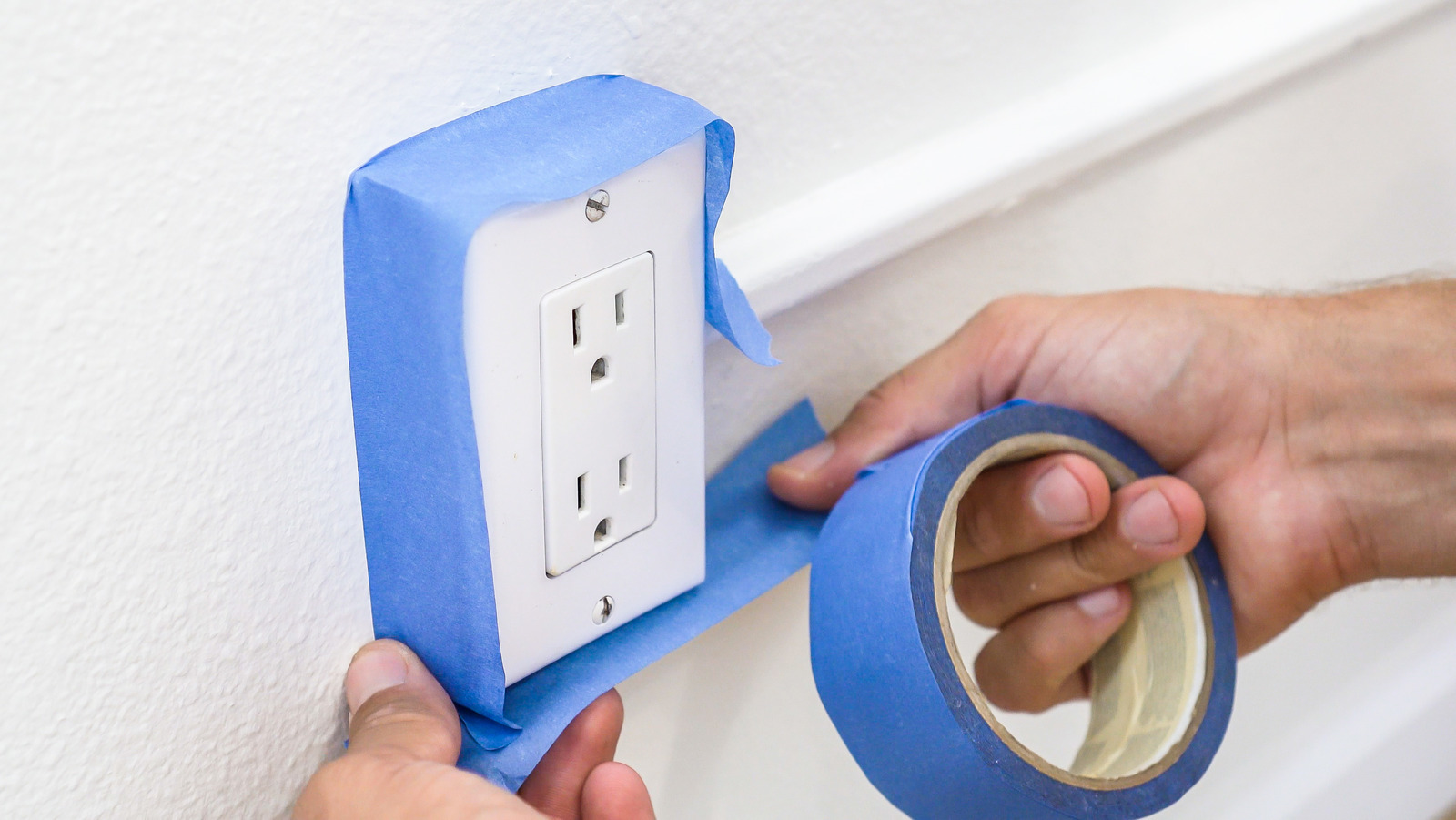
- Taping: Carefully tape off any areas that you don't want to paint, such as the edges of the panel, labels, or any exposed electrical components (although you should try to avoid painting near any openings). Use painter's tape for clean lines.
- Priming: Apply a thin, even coat of rust-inhibiting primer (if necessary) to the entire panel. Allow the primer to dry completely according to the manufacturer's instructions.
What's the best way to paint the electrical panel?
Follow these steps for a smooth and professional finish:
- Apply Thin Coats: Apply thin, even coats of paint, allowing each coat to dry completely before applying the next. Avoid applying thick coats, as this can lead to drips, runs, and uneven drying.
- Use a Brush or Roller: A brush is ideal for painting smaller areas and getting into tight corners. A roller can be used for larger, flat surfaces. Choose a brush or roller that is appropriate for the type of paint you are using.
- Paint in the Same Direction: When painting, apply the paint in the same direction to create a uniform finish. Overlapping strokes slightly is fine.
- Avoid Painting Hinges and Moving Parts: Try to avoid painting the hinges or any other moving parts of the panel, as this can cause them to stick. If you accidentally get paint on these parts, wipe it off immediately with a clean cloth.
- Remove Tape Carefully: Once the paint is dry to the touch, carefully remove the painter's tape. Pull the tape away from the painted surface at a 45-degree angle to prevent peeling the paint.
- Allow to Cure: Allow the paint to fully cure according to the manufacturer's instructions before exposing the panel to moisture or heavy use.
When should I call a professional?
While painting an exterior electrical panel is a relatively straightforward task, there are situations where it's best to call a professional:
- If you are not comfortable working with electricity: If you are at all unsure about how to safely turn off the power to the panel, do not attempt to paint it yourself. Hire a qualified electrician to disconnect the power and ensure your safety.
- If the panel is severely rusted or damaged: If the panel is heavily rusted, corroded, or otherwise damaged, it may need to be repaired or replaced rather than simply painted. A qualified electrician can assess the condition of the panel and recommend the appropriate course of action.
- If you are unsure about the type of paint to use: If you are not sure which type of paint is best for your specific panel and climate, consult with a paint professional or electrician.
- If you want a professional-quality finish: If you want a flawless, professional-quality paint job, consider hiring a professional painter. They have the experience and equipment to ensure a smooth, even finish that will last for years.
- If you have any doubts or concerns: If you have any doubts or concerns about any aspect of the painting process, it's always best to err on the side of caution and consult with a professional.
By following these guidelines and taking the necessary precautions, you can safely and effectively paint your exterior electrical panel, improving its appearance and protecting it from the elements. Remember, when in doubt, consult with a qualified professional.