Can You Smell A Freon Leak

The Ghostly Odor: Can You Really Smell A Freon Leak?
One of the most common anxieties for homeowners with air conditioning systems is the dreaded Freon (now often referred to as refrigerant) leak. The thought of a slow, invisible escape of this vital compound can be unnerving, not to mention costly. A frequent question is: "Can I smell a Freon leak?" The answer is a bit more complicated than a simple yes or no, and understanding the nuances can save you time, money, and potential health concerns.
Understanding Refrigerant: It's Not Your Grandmother's Perfume
Let's start with what we mean by "Freon." While the term "Freon" is often used generically, it technically refers to a specific brand of refrigerants originally produced by DuPont. Today, many different refrigerants are used in HVAC systems, including R-22 (phased out), R-410A (a common replacement), and newer, more environmentally friendly options like R-32 and R-454B. The specific composition of these refrigerants varies, and this impacts their potential odor.
Pure refrigerant, in its intended state within a sealed HVAC system, is generally odorless. However, under certain circumstances, and due to associated factors, a smell might be detectable. This is where the confusion arises.
The "Smells" Associated with Refrigerant Leaks: Decoding the Senses
While pure refrigerant is odorless, what people often perceive as a "Freon leak smell" is actually something else entirely. Here's a breakdown of the common scents and what they might indicate:
- Sweet or Chloroform-like Odor: This is the most commonly reported "Freon smell." It isn't the refrigerant itself, but rather, it could be the smell of the compressor oil that's released alongside the refrigerant during a leak. This oil has a slightly sweet or chloroform-like odor. However, this is usually only detectable with significant leaks in enclosed spaces.
- Musty or Moldy Smell: Often, a musty smell near your vents isn't a refrigerant leak, but rather an indication of mold growth within your ductwork or evaporator coil. A refrigerant leak can *contribute* to this by creating a perpetually damp environment, fostering mold and mildew. A dirty evaporator coil can also contribute to odors.
- Burning Smell: A burning smell is *not* related to refrigerant leaks. This is a serious sign of electrical problems, such as a failing blower motor or overheated wiring. Immediately turn off your HVAC system and call a qualified technician.
- No Smell at All: This is the most common scenario. Slow, minor refrigerant leaks are often undetectable by smell. This is why regular maintenance and professional inspections are crucial.
Detecting a Refrigerant Leak: More Than Just a Sniff Test
Relying solely on smell to detect a refrigerant leak is unreliable. Here are more effective methods:
- Reduced Cooling Performance: This is the most common symptom. If your AC isn't cooling as effectively as it used to, even on moderately hot days, a refrigerant leak could be the culprit.
- Higher Energy Bills: Your AC unit has to work harder to compensate for the lost refrigerant, leading to increased energy consumption and higher utility bills.
- Ice Formation on the Evaporator Coil: A refrigerant leak can cause the evaporator coil (usually located inside the indoor unit) to ice up.
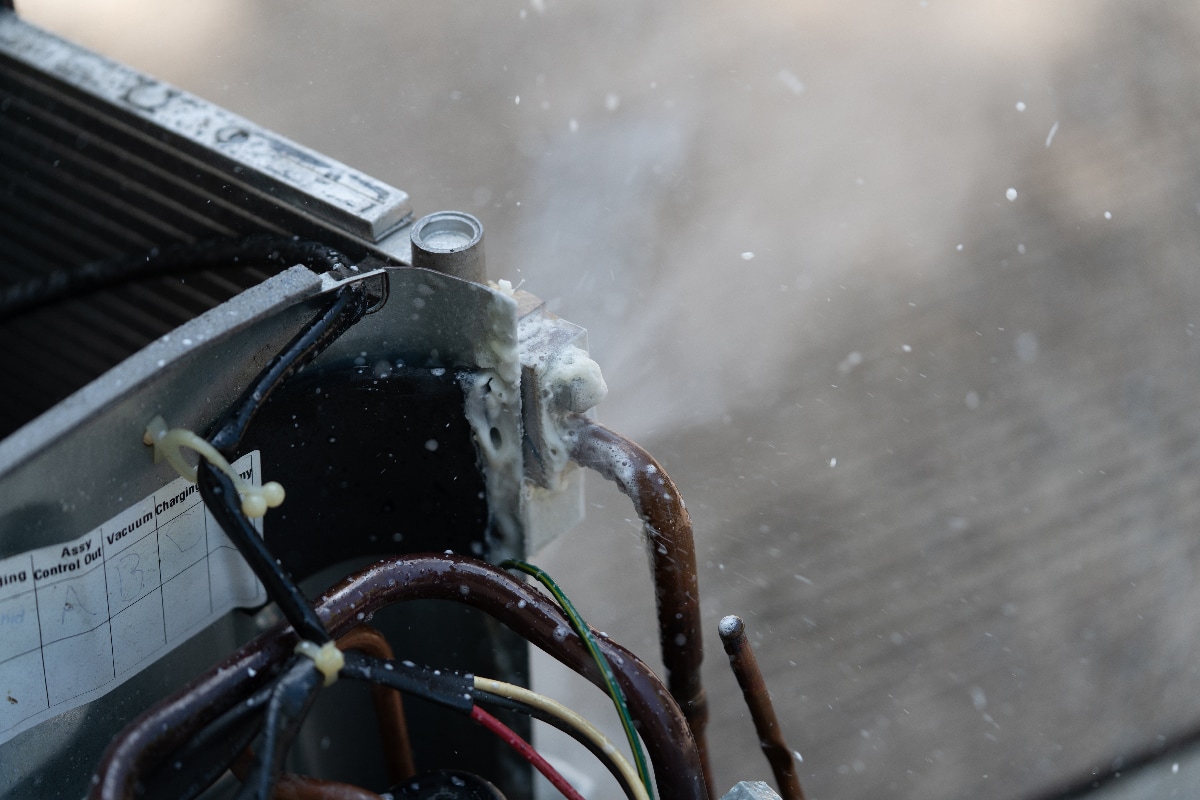
- Hissing or Bubbling Noises: A hissing sound near the indoor or outdoor unit could indicate refrigerant escaping. You might also hear bubbling noises.
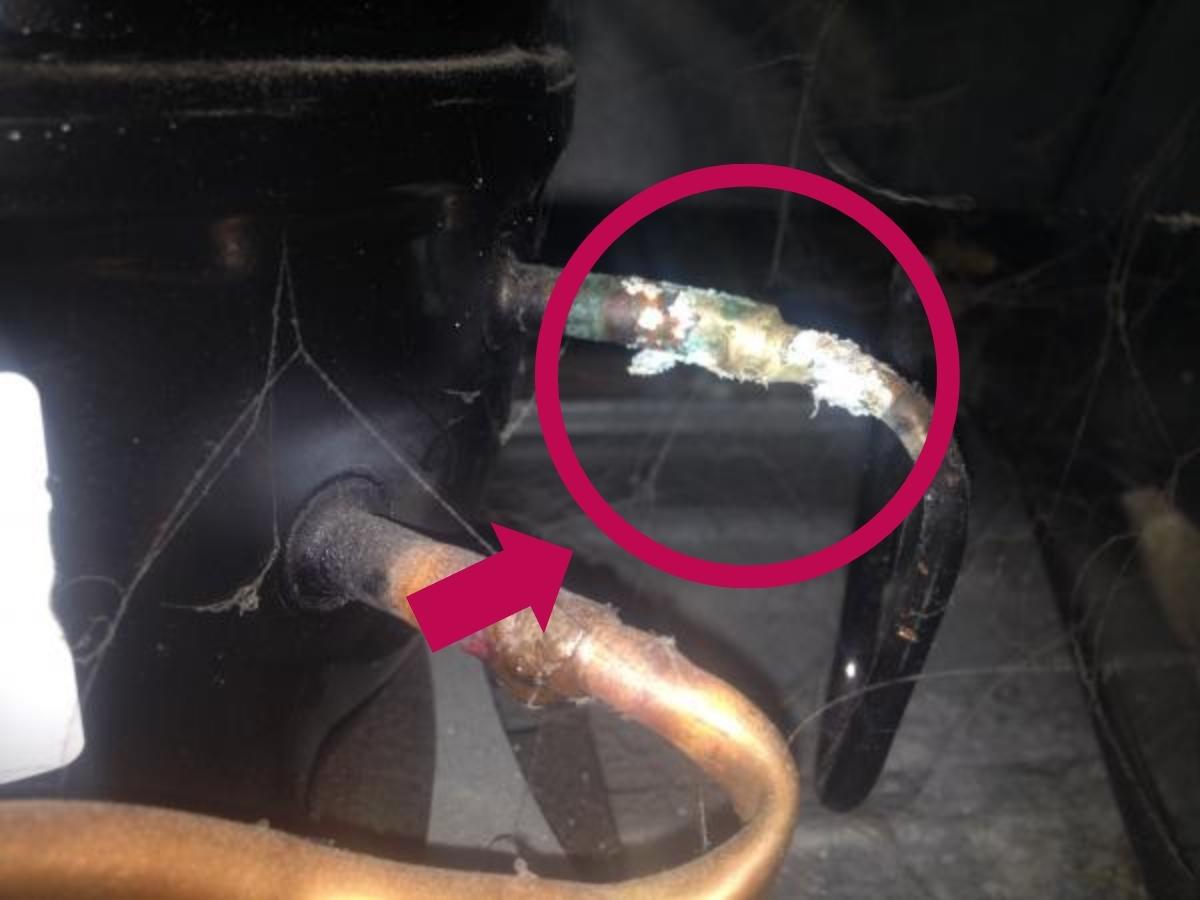
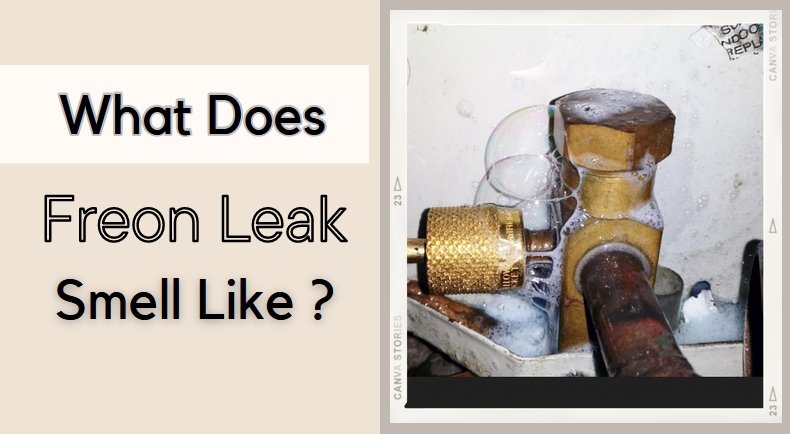
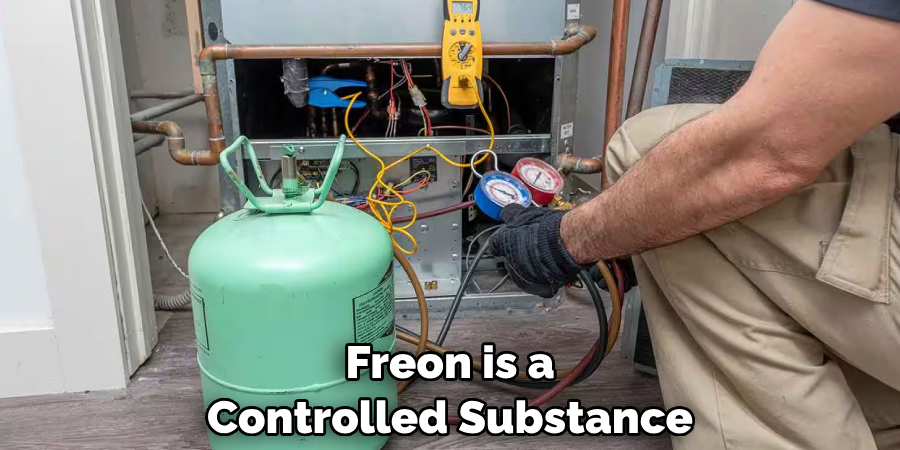
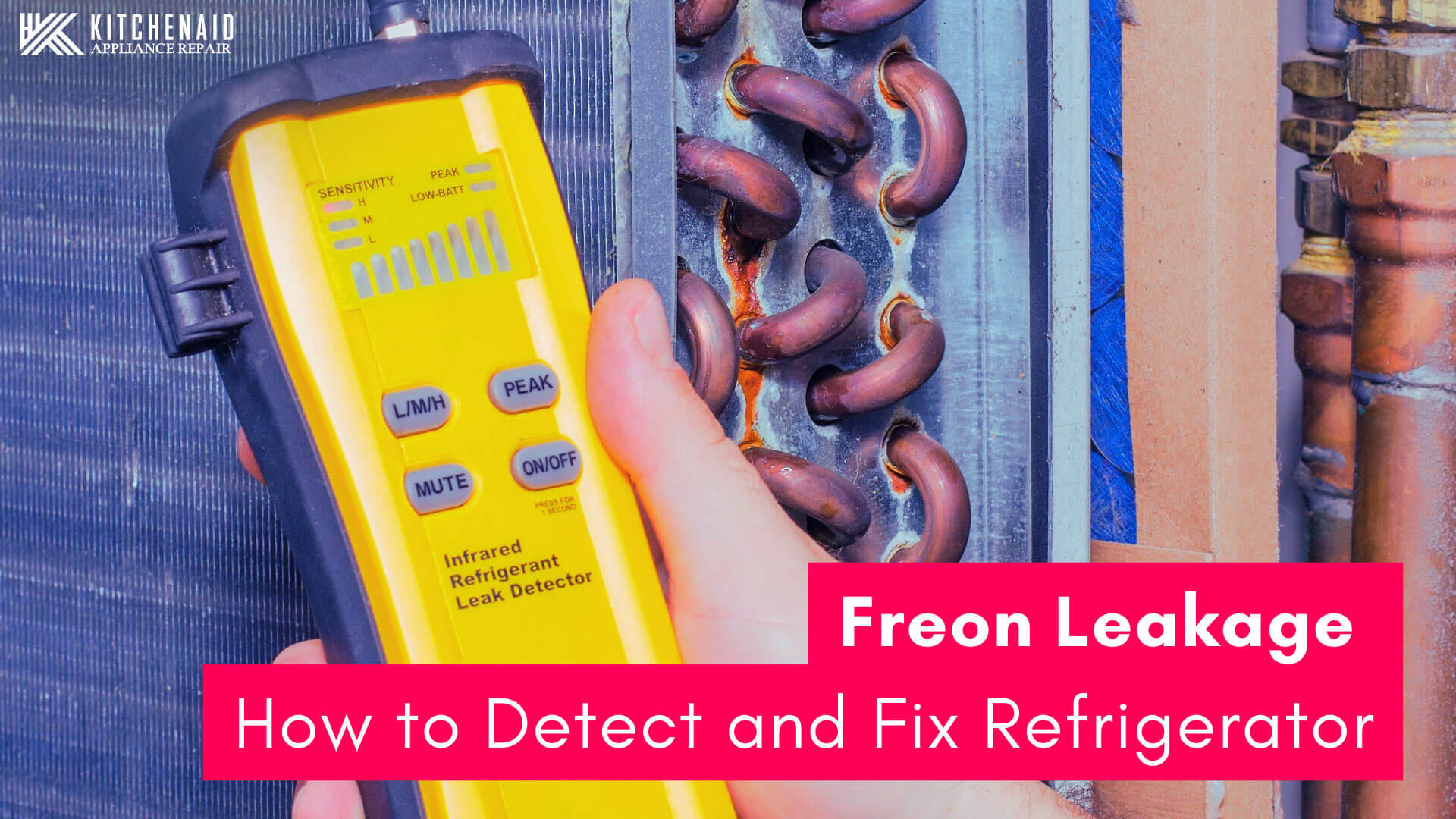
- Professional Leak Detection: HVAC technicians use specialized tools, such as electronic leak detectors and UV dye, to pinpoint even the smallest refrigerant leaks. This is the most reliable method.
What To Do If You Suspect a Refrigerant Leak
If you suspect a refrigerant leak, take the following steps:
- Turn off the HVAC System: This prevents further refrigerant loss and potential damage to the compressor.
- Open Windows: Increase ventilation to help dissipate any potential build-up of refrigerant fumes.
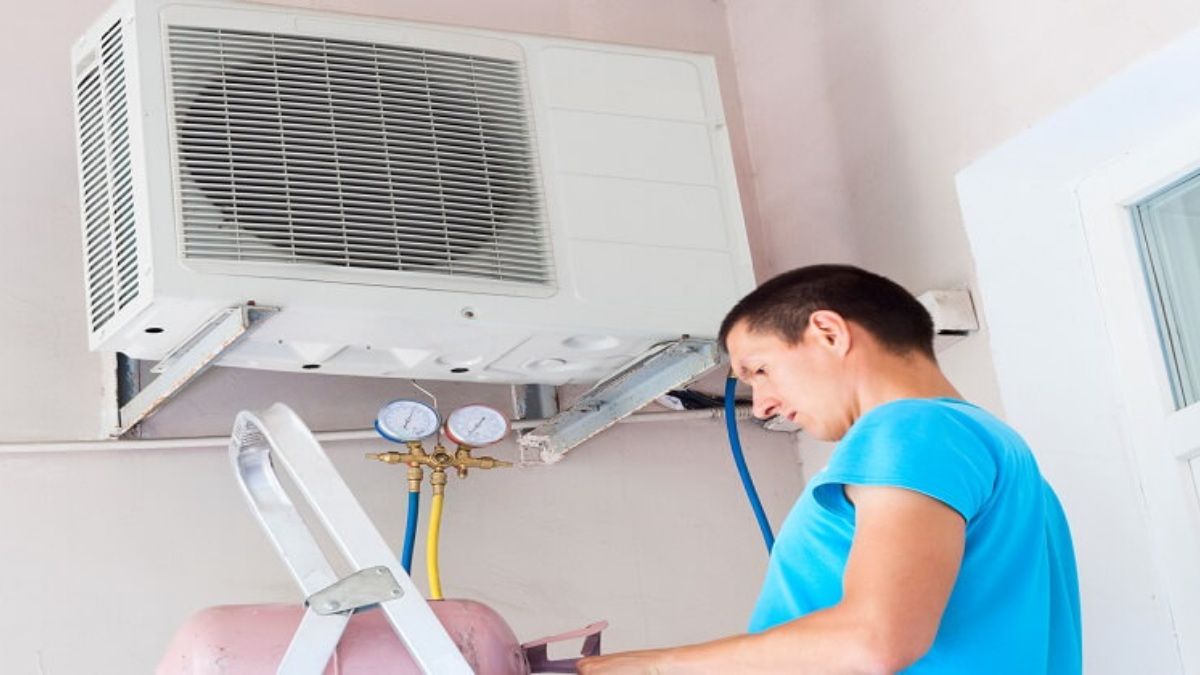
- Call a Qualified HVAC Technician: Do not attempt to repair the leak yourself. Refrigerant handling requires specialized equipment and training.
The Cost of Refrigerant Leaks: A Financial Drain
Refrigerant leaks can be expensive. The cost includes:
- Refrigerant Replacement: Refrigerant isn't cheap, and the price varies depending on the type (R-410A, R-32, etc.) and the amount needed.
- Leak Repair: The cost of repairing the leak will depend on its location and severity.
- Potential Compressor Damage: Running an AC unit with low refrigerant can damage the compressor, which is the most expensive component to replace.
- Increased Energy Bills: As mentioned earlier, a refrigerant leak leads to higher energy consumption.
Preventing Refrigerant Leaks: Proactive Maintenance is Key
Preventing refrigerant leaks is always better (and cheaper) than dealing with the consequences. Here are some tips:
- Schedule Regular Maintenance: Annual HVAC maintenance by a qualified technician can identify and address potential problems before they escalate into refrigerant leaks.
- Keep the Outdoor Unit Clean: Remove debris, leaves, and weeds from around the outdoor unit to ensure proper airflow and prevent corrosion.
- Use a Surge Protector: Power surges can damage the electrical components of your HVAC system, potentially leading to leaks.
- Consider a Leak Detection System: Some advanced HVAC systems offer built-in leak detection features that can alert you to even the smallest refrigerant leaks.
Choosing a New HVAC System: Factors to Consider
If you're replacing your HVAC system, consider these factors to minimize the risk of future refrigerant leaks and maximize efficiency:
- Refrigerant Type: Opt for a system that uses environmentally friendly refrigerants with a lower global warming potential (GWP) than R-410A. R-32 and R-454B are becoming increasingly popular.
- System Quality: Choose a reputable brand and model with a proven track record of reliability. Brands like Carrier, Trane, Lennox, and Goodman are well-known, but research specific models to find the best fit for your needs.
- Installation Quality: Proper installation is crucial for preventing leaks. Choose a licensed and experienced HVAC contractor.
- Warranty: Look for a comprehensive warranty that covers refrigerant leaks and other potential issues.
Popular HVAC Brands and Models: A Brief Comparison
Here's a brief overview of some popular HVAC brands and models, highlighting their key features and considerations:
Carrier
Carrier is a premium brand known for its innovative technology and energy efficiency. Their Infinity series offers features like variable-speed compressors and smart controls. AFUE ratings can reach up to 98.5% for furnaces and SEER ratings up to 26 for air conditioners. Expect higher upfront costs but potential long-term savings.
Trane
Trane is another top-tier brand known for its durability and reliability. Their XV series offers similar features to Carrier, with high AFUE and SEER ratings. Trane systems often come with a longer warranty than some other brands. Look for SEER ratings up to 22 and AFUE up to 97%.
Lennox
Lennox focuses on energy efficiency and quiet operation. Their Signature Collection offers high-end features and impressive efficiency ratings. AFUE ratings can reach up to 99% for furnaces, and SEER ratings can reach up to 28 for air conditioners. Lennox is also known for its iComfort smart home integration.
Goodman
Goodman is a more budget-friendly brand that offers good value for the money. While not as feature-rich as Carrier or Trane, Goodman systems are reliable and efficient. AFUE ratings typically range from 80% to 96%, and SEER ratings can reach up to 19. Goodman offers a good balance of price and performance.
Mitsubishi Electric
Mitsubishi Electric is a leading manufacturer of ductless mini-split systems, which are ideal for homes without ductwork or for adding supplemental heating and cooling. Their systems are highly energy efficient and offer precise temperature control. SEER ratings can exceed 30, and HSPF ratings can reach 14.
Warranty and Maintenance: Protecting Your Investment
A solid warranty is essential for protecting your investment in a new HVAC system. Pay close attention to the terms and conditions, including what is covered, what is not covered, and the length of the warranty. Many manufacturers offer extended warranties for an additional cost.
Regular maintenance is also crucial for extending the lifespan of your HVAC system and preventing costly repairs. Schedule annual maintenance with a qualified HVAC technician to ensure that your system is running efficiently and to identify any potential problems early on.
Understanding the truth about "Freon smells" and taking proactive steps to prevent refrigerant leaks can save you money, protect your health, and ensure the optimal performance of your HVAC system for years to come. Remember, when in doubt, always consult with a qualified HVAC professional.