Can You Use 20 Lb Propane Tank Fireplace

Can You Use a 20 lb Propane Tank for Your Fireplace? Understanding the Possibilities and Limitations
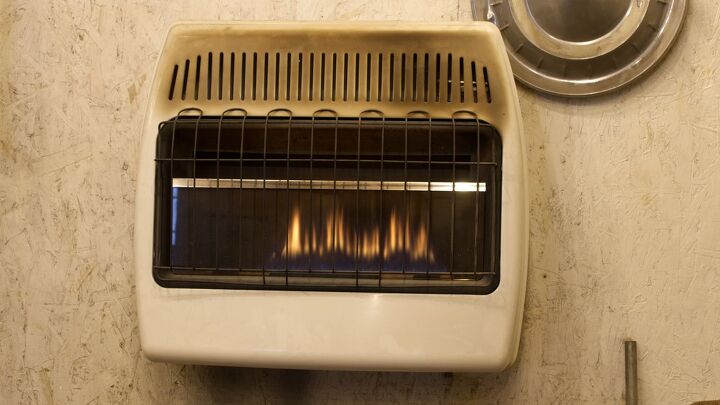
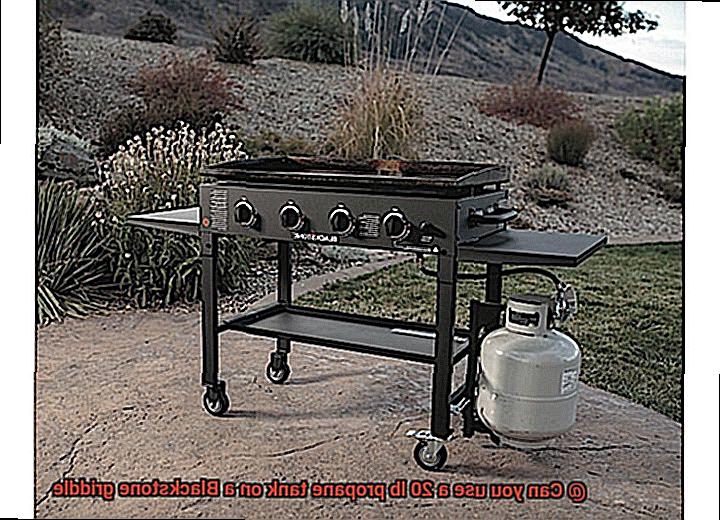
Many homeowners appreciate the ambiance and warmth of a fireplace, but connecting to a natural gas line isn't always feasible or cost-effective. This leads to a common question: can you use a standard 20 lb propane tank, like the ones used for gas grills, to fuel a propane fireplace? The answer is a nuanced one, and depends on several factors. This article will delve into the considerations, covering everything from BTU requirements and safety regulations to practical implications and alternative solutions.
Understanding Fireplace BTU Requirements
The most critical factor is the BTU (British Thermal Unit) rating of your fireplace. BTU measures the amount of heat a fireplace produces per hour. A typical residential propane fireplace can range from 20,000 to 60,000 BTU or even higher, depending on the size and design. A 20 lb propane tank contains approximately 430,000 BTUs. At first glance, this seems like plenty of fuel. However, the rate at which the fireplace consumes propane is what matters.
Let's consider an example. A 30,000 BTU fireplace will consume roughly 0.3 gallons of propane per hour. Since a 20 lb propane tank holds about 4.7 gallons of propane, you could expect to run that fireplace for approximately 15-16 hours on a single tank. A larger, 60,000 BTU fireplace would consume around 0.6 gallons per hour, resulting in approximately 7-8 hours of operation per tank. These are estimated run times, and actual results can vary depending on factors like insulation, outdoor temperature, and fireplace efficiency.
Direct Connection vs. Regulator Compatibility
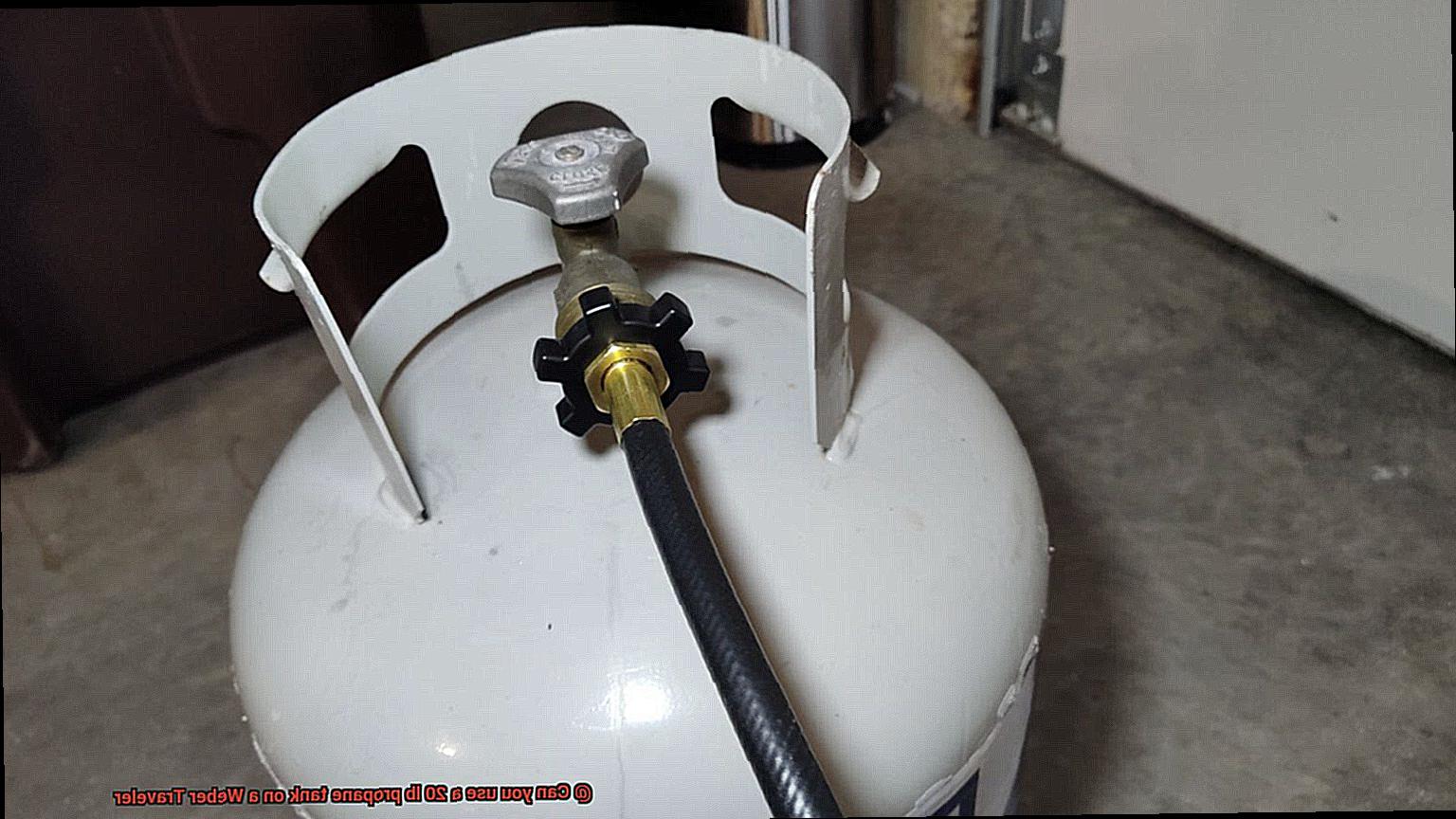
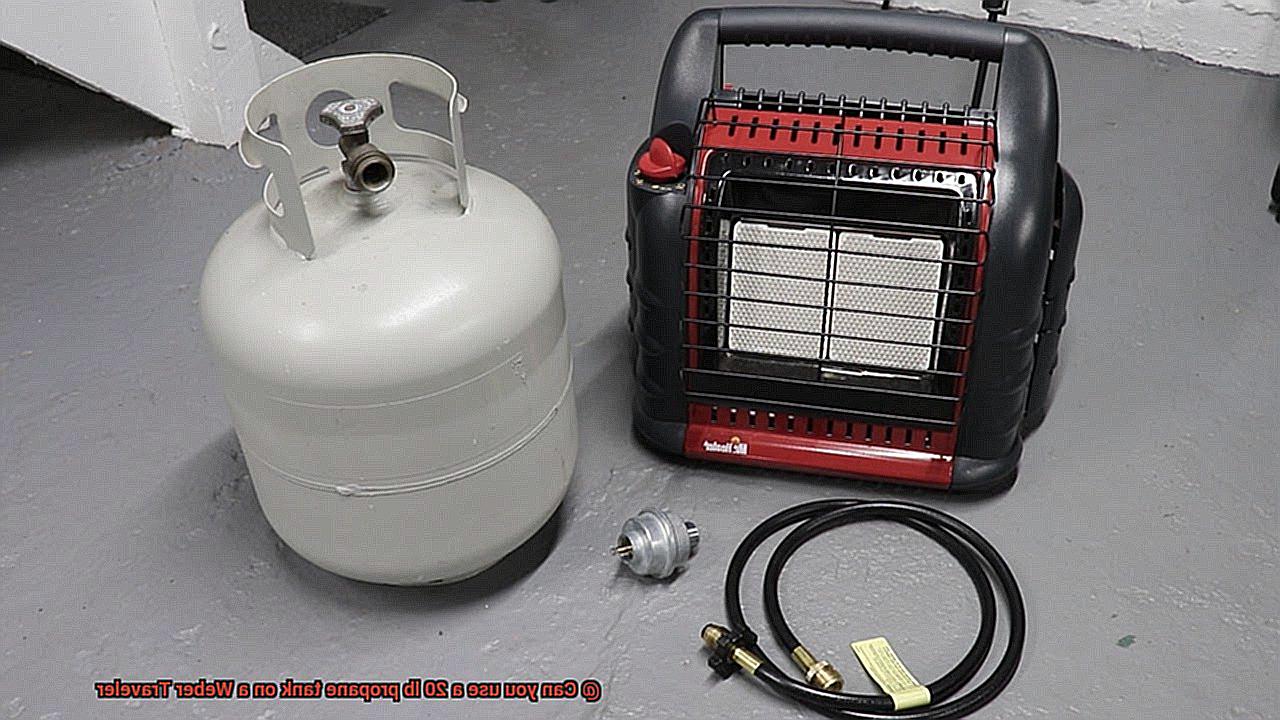
While technically possible to connect a 20 lb propane tank to a fireplace, it's usually not a simple direct connection. Most fireplaces are designed to operate at a specific propane pressure, typically lower than the pressure directly from a full 20 lb tank. This is where a propane regulator comes into play.
The regulator's job is to reduce the high pressure from the tank to the appropriate pressure required by the fireplace. Many fireplaces come with a built-in regulator designed for connection to a larger propane tank or a natural gas line (with a conversion kit). If your fireplace doesn't have a suitable regulator, you'll need to install one inline between the tank and the fireplace. It’s crucial to choose a regulator with the correct output pressure for your fireplace model. Refer to the fireplace's user manual or consult with an HVAC technician to determine the required pressure.
Safety Considerations are Paramount
Working with propane requires extreme caution. Propane is heavier than air and can accumulate in low-lying areas, creating a fire or explosion hazard. Here are some crucial safety guidelines:
- Proper Ventilation: Ensure adequate ventilation in the area where the propane tank is stored and used. Never use a propane fireplace in a confined, unventilated space.
- Leak Testing: After connecting the tank and regulator, always perform a leak test using a soapy water solution. Apply the solution to all connections and look for bubbles. If you find bubbles, tighten the connections and retest.
- Carbon Monoxide Detection: Install a carbon monoxide (CO) detector in the room where the fireplace is located. CO is a colorless, odorless, and deadly gas produced by incomplete combustion.
- Tank Storage: Store propane tanks upright in a well-ventilated area, away from heat sources and direct sunlight. Never store propane tanks indoors.
- Professional Installation: If you're not comfortable working with propane, hire a qualified HVAC technician or propane specialist to install the necessary connections and regulator.
- Follow Manufacturer Instructions: Always adhere to the fireplace manufacturer's instructions for installation, operation, and maintenance.
Practical Implications: Convenience vs. Cost
While using a 20 lb propane tank might seem convenient, there are practical considerations regarding convenience and cost.
Frequent Refills: As demonstrated in the BTU examples, a 20 lb tank will only last a limited number of hours, especially with a high-BTU fireplace. This means you'll need to refill or replace the tank frequently, which can be inconvenient, particularly during periods of heavy use. The cost of frequent refills can also add up over time.
Larger Tank Options: For more extended use, consider a larger propane tank, such as a 100 lb tank or a permanently installed tank. These larger tanks offer a significantly higher propane capacity, reducing the frequency of refills. However, they also require more space and may involve installation costs.
Cost Comparison: To determine the most cost-effective option, compare the price per BTU for different propane tank sizes. While a 20 lb tank might be readily available, the cost per BTU might be higher compared to larger tanks. Also, consider the cost of transporting and refilling the tanks.
Comparing Propane to Other Heating Options
Propane fireplaces offer certain advantages and disadvantages compared to other heating options. Consider these points when making your decision:
- Natural Gas Fireplaces: If you have access to a natural gas line, a natural gas fireplace is often a more convenient and cost-effective option. Natural gas is typically cheaper than propane, and you don't have to worry about refilling tanks.
- Electric Fireplaces: Electric fireplaces are easy to install and operate, and they don't produce any emissions. However, they may not provide the same level of heat as propane or natural gas fireplaces, and electricity costs can be high in some areas.
- Wood-Burning Fireplaces: Wood-burning fireplaces offer a traditional ambiance, but they require a chimney, wood storage space, and regular cleaning. They also produce smoke and emissions, which can be a concern for air quality.
- Heat Pumps: For whole-house heating, consider a heat pump system. Heat pumps are highly efficient and can provide both heating and cooling. They are particularly effective in moderate climates.
The Importance of Professional Installation and Maintenance
Whether you choose to use a 20 lb propane tank or a larger propane system, professional installation and regular maintenance are essential for safety and optimal performance. A qualified HVAC technician can ensure that the fireplace is properly connected, the regulator is functioning correctly, and the system is operating safely.
Regular maintenance tasks include:
- Inspecting the gas lines and connections for leaks
- Cleaning the burner and pilot light
- Checking the venting system for obstructions
- Replacing worn parts
By following these guidelines, you can enjoy the warmth and ambiance of a propane fireplace safely and efficiently.
Conclusion
Using a 20 lb propane tank for a fireplace is possible, but careful consideration of BTU requirements, regulator compatibility, and safety regulations is essential. While convenient for occasional use or smaller fireplaces, larger tanks are generally more practical and cost-effective for frequent heating. Always prioritize safety by following manufacturer instructions, performing leak tests, and ensuring proper ventilation. If in doubt, consult with a qualified HVAC technician or propane specialist to ensure a safe and efficient installation.