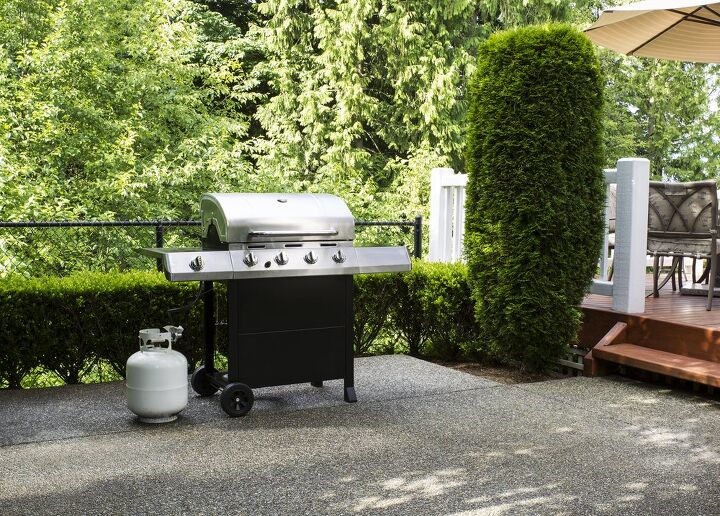
Can You Use A 20 Lb Propane Tank Indoors

Many homeowners, especially those in colder climates or who enjoy indoor grilling, find themselves wondering about the safety and feasibility of using a standard 20 lb propane tank indoors. The question, "Can I use a 20 lb propane tank indoors?" often arises when faced with power outages, wanting to heat a small space, or firing up an indoor propane appliance. Unfortunately, the simple answer is almost always a resounding NO. Let's explore why and what safer alternatives exist.
The Dangers of Indoor Propane Tank Use
The primary reason against indoor propane tank usage boils down to safety. Propane is a highly flammable gas. While propane itself is non-toxic, the real threat lies in its potential to create a dangerous environment. These are the main risks:
- Fire Hazard: Any leak, no matter how small, can create a significant fire hazard. An ignition source (spark, open flame, even static electricity) could cause a devastating explosion.
- Asphyxiation: Propane displaces oxygen. In an enclosed space, a leak can lower oxygen levels to a dangerous point, leading to asphyxiation and even death.
- Carbon Monoxide (CO) Poisoning: While propane itself doesn't directly produce CO, appliances that burn propane (like heaters or stoves) can, if not properly ventilated or maintained. CO is a silent killer, odorless and colorless, and can be fatal.
Common Problem: Temptation During Power Outages
One of the most common scenarios where homeowners consider indoor propane use is during a power outage. Imagine this: the electricity is out, it's freezing cold, and you have a 20 lb propane tank readily available for your outdoor grill. The temptation to bring it inside to power a propane heater or even cook on a propane stove is strong. But succumbing to this temptation is extremely risky. Let's look at some safer alternatives.
Troubleshooting: Assessing the Situation & Safe Alternatives
Before even considering using a propane tank indoors, assess the situation calmly and rationally. Here's a step-by-step guide:
Step 1: Acknowledge the Emergency (If Applicable)
Is this a true emergency situation? Is someone's health or safety immediately at risk? If so, the best course of action might be to evacuate to a safer location with heat and power (a friend's house, a warming shelter, etc.).
Step 2: Explore Existing Safe Alternatives
Before considering propane, explore safer options. Do you have any of the following?
- Fireplace (with proper ventilation): A wood-burning fireplace, if properly maintained and ventilated, can provide heat. Ensure the chimney is clear and you have a working carbon monoxide detector.
- Generator (OUTSIDE!): A portable generator can power essential appliances, but it MUST be operated outdoors, far away from windows and doors, to prevent CO poisoning.
- Battery-Powered Heating Options: Battery-powered blankets, heated clothing, or even hand warmers can provide localized warmth.
- Backup Power Systems (UPS): If you have a UPS system for critical electronics, it might provide limited power for essential devices like phones or communication equipment.
- Well-Insulated Home: Focus on retaining heat by sealing drafts around windows and doors with towels or blankets.
Step 3: Assessing Propane Appliance Safety (If Absolutely Necessary - Use with Extreme Caution!)
If you absolutely *must* consider using a propane appliance indoors, you must meet *all* of the following criteria. Failing even one criterion makes the situation too dangerous:
- Appliance is Specifically Designed and Approved for Indoor Use: This means the appliance is certified for indoor use and has features like oxygen depletion sensors (ODS). Outdoor appliances are NEVER safe for indoor use.
- Working Oxygen Depletion Sensor (ODS): The ODS shuts off the gas supply if oxygen levels drop to a dangerous level. *Test* the ODS before each use.
- Proper Ventilation: You MUST have adequate ventilation. This is more than just cracking a window. Aim for cross-ventilation with at least two openings in the room.
- Working Carbon Monoxide Detector: A working CO detector is non-negotiable. Place it near the appliance, but not directly next to it, and ensure it has fresh batteries.
- Tank is OUTSIDE, appliance plumbed in with proper gas lines: DO NOT bring a 20lb propane tank inside to directly connect to an appliance. Any indoor propane appliance MUST be plumbed to an external tank by a qualified professional with approved gas lines and fittings.
Step 4: Leak Detection and Safety Checks
Even with all the precautions above, there's still inherent risk. Perform these checks before and during use:
- Smell Test: Propane has a distinct, rotten egg-like odor. If you smell propane, immediately shut off the gas supply at the tank (outside!), evacuate the area, and call the fire department.
- Soapy Water Test (if applicable to connection points): Mix soapy water and apply it to connections. Bubbles indicate a leak. DO NOT use a flame to check for leaks.
- Monitor Carbon Monoxide Levels: Continuously monitor CO levels with a reliable detector. If levels rise, even slightly, immediately ventilate the area and shut off the appliance.
- Regular Visual Inspection: Check the appliance, gas lines, and connections for any signs of damage or wear.
Step 5: Understanding The Limits and Call A Professional
If you are uncomfortable with any of the steps above, or if you are unsure about the safety of your appliance or ventilation, STOP. Call a qualified HVAC technician or a licensed gas fitter. Do not take risks with your safety or the safety of your family.
DIY Fixes vs. Professional Intervention
While some minor issues might be resolvable with careful DIY, here's a guide to when you need to call a professional:
DIY Fixes (with extreme caution):
- Replacing a worn-out hose (with the correct type and fittings): Only if you are experienced and comfortable with gas line connections, and using the correct tools and sealant.
- Tightening loose connections: Again, only if you are experienced and using the correct tools. Over-tightening can damage fittings.
- Cleaning burner orifices (on some appliances): Follow the manufacturer's instructions carefully.
- Replacing a CO detector or batteries: An easy, but crucial task.
When to Call a Professional:
- Any suspected gas leak that you cannot immediately resolve: Evacuate and call the fire department.
- Installation or modification of gas lines: This is NEVER a DIY project.
- Repair or replacement of major appliance components: Leave it to the experts.
- Uncertainty about the safety of the appliance or ventilation: Err on the side of caution.
- Appliance malfunctions: If the appliance is not working correctly, don't try to fix it yourself.
- If you smell propane: This warrants immediate evacuation and a call to emergency services, followed by a qualified gas technician to inspect the entire system.
Safer Alternatives: Digging Deeper
Let's reiterate some of the safer alternatives mentioned earlier, with more detail:
- Electric Space Heaters (with Caution): Electric space heaters are generally safer than propane heaters indoors, *but* they can still be a fire hazard if used improperly. Ensure they are UL-listed, have tip-over shut-off switches, and are plugged directly into a wall outlet (not an extension cord). Never leave them unattended. Be aware that electric heaters use significant power and may overwhelm your electrical circuits, especially during a power outage when you might be relying on a generator.
- Wood-Burning Fireplace (with Proper Maintenance): A properly maintained fireplace can provide warmth and ambiance. However, ensure the chimney is clean and inspected regularly to prevent creosote buildup, which is a fire hazard. Always use a fire screen and never leave a fire unattended.
- Layered Clothing and Blankets: Simple but effective! Multiple layers of clothing and warm blankets can significantly increase your comfort level.
- Emergency Preparedness Kit: Every home should have an emergency preparedness kit that includes items like flashlights, batteries, a first-aid kit, non-perishable food, water, and a battery-powered radio. Consider adding hand warmers or other portable heating devices.
- Professional Home Weatherization: Investing in professional home weatherization (insulation, sealing drafts, etc.) can significantly reduce heat loss and improve energy efficiency, making your home more comfortable and less reliant on supplemental heating sources.
- Whole-House Generator: If power outages are frequent in your area, consider investing in a whole-house generator. These generators are permanently installed and automatically switch on when the power goes out. They provide reliable power for essential appliances and eliminate the need for potentially dangerous portable heating solutions. Importantly, they operate outside the home, preventing CO poisoning risks.
Conclusion: Prioritize Safety
While the allure of using a 20 lb propane tank indoors might be tempting during emergencies, the risks far outweigh the benefits. Prioritizing safety and exploring safer alternatives is crucial. Remember, a little preparation and awareness can go a long way in keeping you and your family safe and warm during power outages or cold weather. When in doubt, always consult with a qualified professional.
The best course of action is always prevention. Proper planning and the use of safe alternatives will help you avoid the dangerous temptation of using a 20 lb propane tank indoors.