Can You Use Galvanized Pipe For Water Heater

Connecting your water heater requires careful consideration of the materials used. One common question that arises is whether galvanized pipe is suitable for this purpose. Let's explore the pros, cons, and alternatives to help you make an informed decision.
Understanding Galvanized Pipe
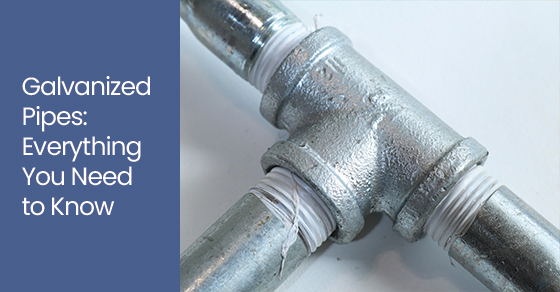
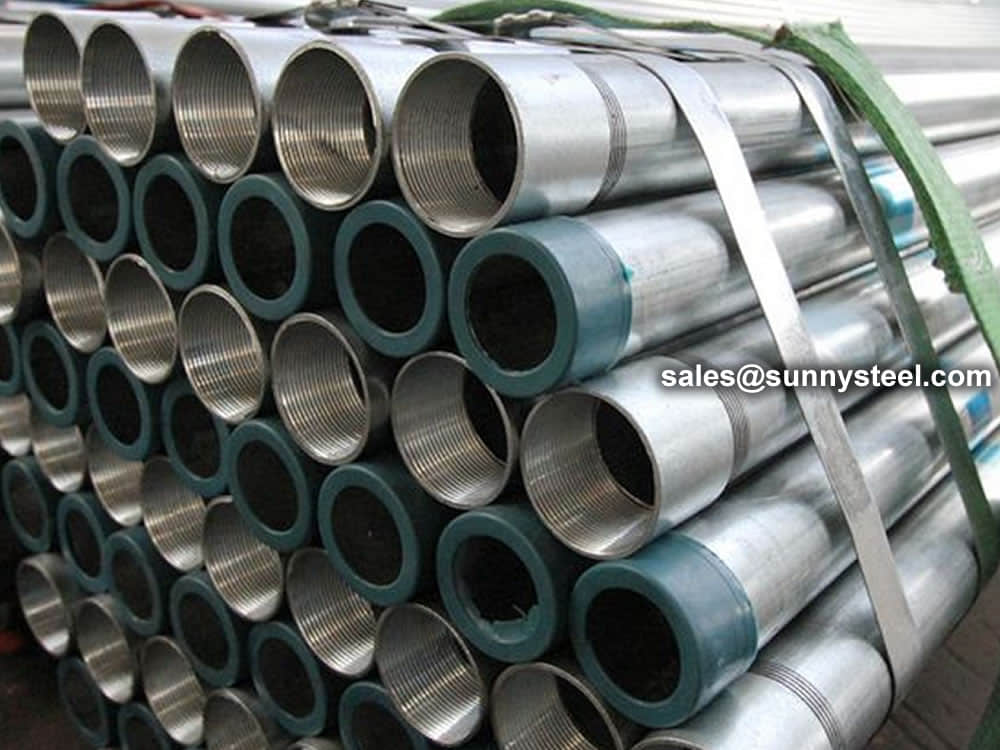
Galvanized pipe is steel pipe that has been coated with zinc to protect it from corrosion. This zinc coating acts as a barrier, preventing rust from forming when the pipe is exposed to moisture. It has historically been a common material for plumbing systems.
Pros of Galvanized Pipe
- Durability: Galvanized pipe is strong and can withstand relatively high water pressure.
- Cost-Effective (Initially): In the past, galvanized pipe was often a more affordable option than other materials like copper.
- Widespread Availability: It was once readily available at most hardware stores.
Cons of Galvanized Pipe
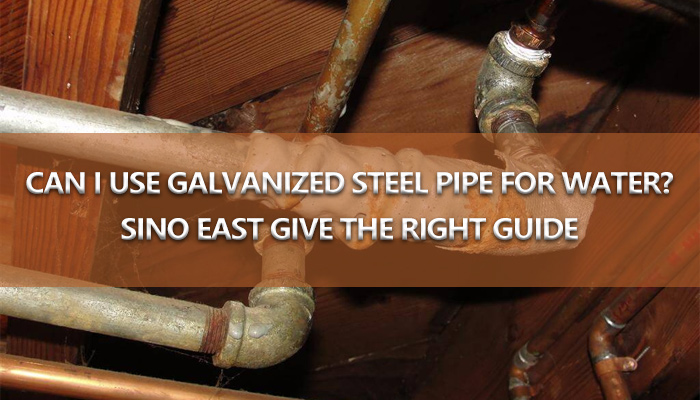
- Corrosion Over Time: While the zinc coating protects against rust, it eventually degrades, leading to corrosion, especially in areas with acidic water.
- Scale Buildup: As the zinc coating deteriorates, it can create scale buildup inside the pipe, reducing water flow and pressure. This scale can also break off and clog fixtures.
- Health Concerns (Historically): Older galvanized pipes may contain lead at the joints. While the lead content is usually minimal, it's still a concern for potable water systems.
- Shorter Lifespan: Compared to other materials like copper or PEX, galvanized pipe typically has a shorter lifespan.
- Difficult to Work With: Cutting and threading galvanized pipe requires specialized tools and can be challenging for DIYers.
Why Galvanized Pipe and Water Heaters Don't Mix (Well)
While galvanized pipe *can* technically be used for water heater connections, there are several reasons why it's generally not recommended, especially for new installations:
- Dissimilar Metals: Water heaters often have connections made of brass or copper. Connecting galvanized steel directly to these metals can cause galvanic corrosion, where one metal corrodes faster than the other due to electrochemical reactions. This is especially pronounced when different metals are in contact with water.
- High Temperature: The elevated temperatures within a water heater system accelerate corrosion. The hot water flowing through galvanized pipes causes the zinc coating to degrade more rapidly, leading to scale buildup and eventual pipe failure.
- Code Compliance: Many modern plumbing codes restrict or prohibit the use of galvanized pipe for potable water systems, particularly for hot water lines, due to the aforementioned issues.
Better Alternatives for Water Heater Connections
Several materials are far better suited for connecting to your water heater:
- Copper: Copper is a durable and corrosion-resistant material commonly used for water lines. However, direct connection to the water heater without a dielectric union is still not recommended due to potential galvanic corrosion.
- PEX (Cross-linked Polyethylene): PEX is a flexible plastic tubing that is highly resistant to corrosion and temperature fluctuations. It's also easy to install with push-fit fittings or crimp rings. PEX is an excellent choice for water heater connections.
- CPVC (Chlorinated Polyvinyl Chloride): CPVC is another type of plastic piping that is specifically designed for hot water applications. It's more rigid than PEX but still offers good corrosion resistance and temperature tolerance.
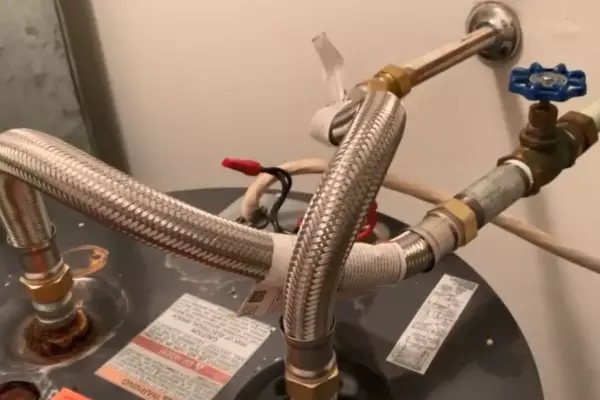
- Stainless Steel Flexible Connectors: These connectors provide a flexible and corrosion-resistant connection between the water heater and the rigid piping. They often have dielectric unions built-in to prevent galvanic corrosion.
Safe Connection Practices: Dielectric Unions
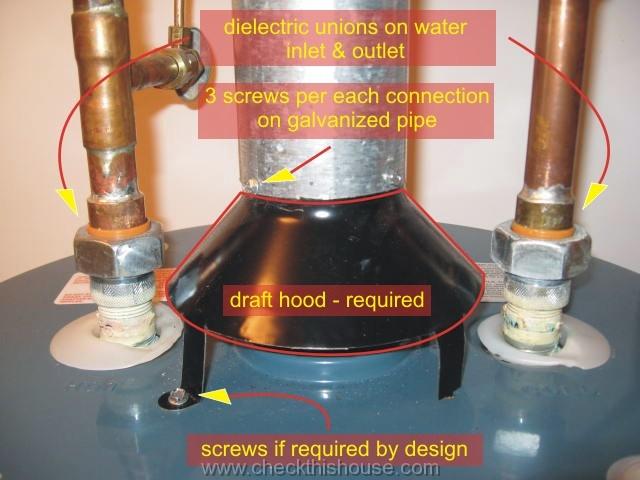
A dielectric union is a fitting designed to isolate dissimilar metals electrically, preventing galvanic corrosion. It's essential when connecting different metals in a plumbing system, especially when a copper or brass water heater connection is joined to a steel pipe (galvanized or black iron). The dielectric union contains a non-conductive material that breaks the electrical path between the two metals.
Important: Even if you're using a material other than galvanized pipe, it's always a good idea to use dielectric unions when connecting your water heater to prevent potential corrosion problems. When using copper pipe to connect to the hot and cold water connections on your water heater, make sure to use dielectric nipples as well.
DIY Considerations and When to Call a Professional
Replacing water heater connections can be a straightforward task for experienced DIYers. However, it's crucial to assess your skills and comfort level before attempting any plumbing work.
DIY Tasks You Might Consider:
- Replacing Existing Flexible Connectors: If you're simply replacing old, corroded flexible connectors with new ones of the same type, this can often be done with basic tools and careful attention to detail.
- Adding Dielectric Unions: Adding dielectric unions to existing connections is a relatively simple task that can help prevent future corrosion issues.
When to Call a Professional Plumber:
- Replacing Rigid Piping: Replacing rigid galvanized or copper piping requires specialized tools and knowledge. It's best left to a licensed plumber.
- Dealing with Corrosion: If you find significant corrosion on your existing pipes, it's essential to have a professional assess the extent of the damage and recommend the appropriate repairs.
- Not Comfortable with Plumbing: If you're not comfortable working with plumbing, it's always best to call a professional to avoid potential problems.
- Gas Water Heaters: Any work involving gas lines should *always* be performed by a licensed professional. This is not a DIY job.
Tools and Materials You Might Need
- Pipe wrench
- Adjustable wrench
- Pipe cutter (for rigid pipe)
- PEX cutter (for PEX pipe)
- PEX crimping tool or push-fit fittings
- Dielectric unions
- Pipe sealant (pipe dope or Teflon tape)
- New flexible connectors (if applicable)
- Safety glasses
- Gloves
- Bucket
- Towels
Safety First!
- Turn off the Water: Before starting any plumbing work, turn off the water supply to the water heater.
- Turn off the Power (Electric Water Heaters): For electric water heaters, turn off the power at the circuit breaker.
- Relieve Pressure: Open a hot water faucet somewhere in the house to relieve pressure in the system.
- Wear Safety Glasses and Gloves: Protect your eyes and hands from potential hazards.
Cost Considerations
The cost of replacing water heater connections can vary depending on the materials used, the complexity of the job, and whether you hire a professional plumber.
- DIY Materials: Expect to spend $50-$200 on materials if you're doing the work yourself.
- Professional Plumber: Hiring a plumber can cost anywhere from $200-$800 or more, depending on the scope of the job and your location.
Common Issues and Troubleshooting
- Leaks: Leaks are a common problem with water heater connections. Make sure all connections are tight and properly sealed.
- Low Water Pressure: Low water pressure can be caused by scale buildup in the pipes. Flushing the water heater can sometimes help.
- Corrosion: If you see signs of corrosion, address the issue promptly to prevent further damage.
- No Hot Water: If you're not getting hot water, check the water heater's thermostat and heating elements (for electric heaters) or the gas valve and pilot light (for gas heaters).
Conclusion
While galvanized pipe *can* technically be used for water heater connections, it's generally not the best choice due to its tendency to corrode and cause scale buildup. Using alternative materials like copper, PEX, or CPVC, along with dielectric unions, is recommended for a longer-lasting and more reliable connection. Remember to prioritize safety and consult with a professional plumber if you're unsure about any aspect of the project.