
Can't Find Igniter On Gas Fireplace
The Case of the Missing Igniter: Troubleshooting Your Gas Fireplace
Gas fireplaces offer a convenient and aesthetically pleasing heating option. Unlike traditional wood-burning fireplaces, they are relatively clean and require minimal maintenance. However, a common frustration homeowners face is a gas fireplace that fails to ignite. Often, the culprit is a malfunctioning or difficult-to-locate igniter. This guide explores why you might be struggling to find the igniter on your gas fireplace and provides troubleshooting steps to get your fireplace working again.
Understanding Gas Fireplace Ignition Systems
Before diving into the search, it's crucial to understand the different types of ignition systems used in gas fireplaces. Knowing which type you have will significantly narrow down your search.
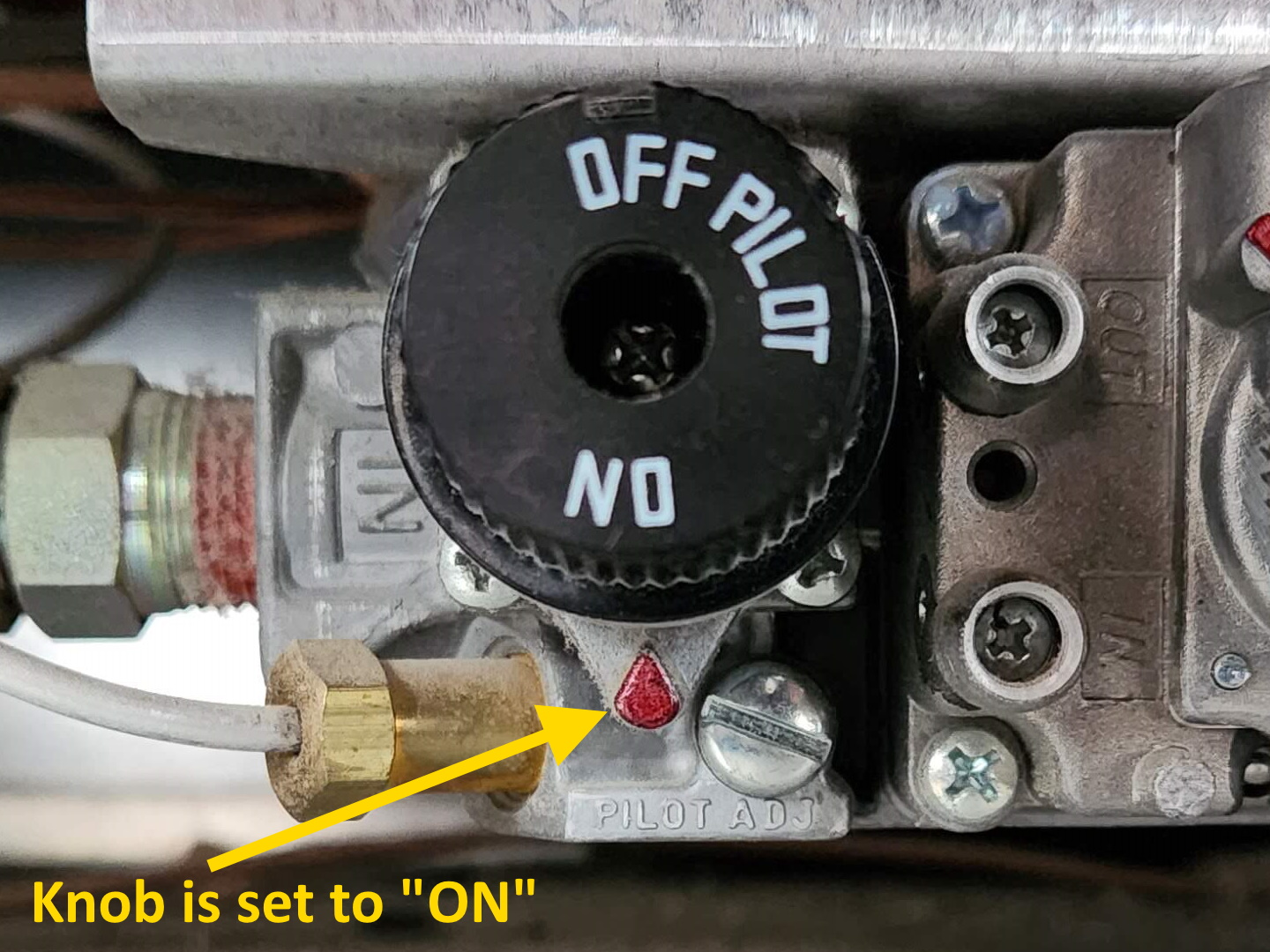
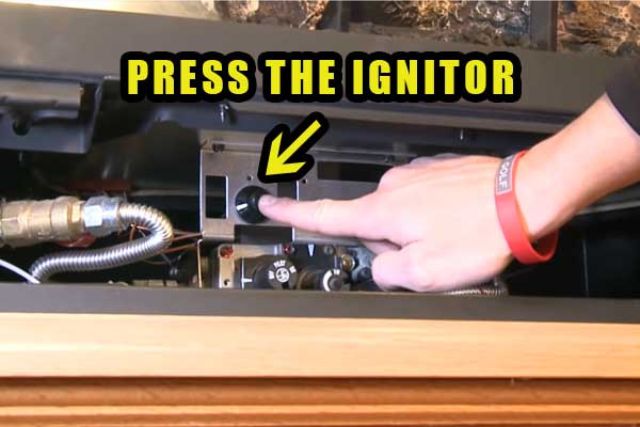
- Standing Pilot Light: This is the oldest and simplest system. A small, continuously burning pilot light ignites the main burner when gas is released. You'll usually find the pilot light assembly near the bottom of the fireplace, often behind a small access panel. The igniter, in this case, is typically a piezoelectric igniter – a button you push to create a spark that lights the pilot.
- Electronic Ignition: More modern fireplaces utilize electronic ignition systems. These systems use a spark igniter, often powered by a battery or household electricity, to directly ignite the main burner. These are generally more efficient as they don't constantly burn gas like a pilot light. Look for a small module or control box, often labeled "Ignition Control," usually located behind the lower access panel.
- Intermittent Pilot Ignition (IPI): A hybrid system, IPI only lights the pilot light when heat is demanded. This system offers energy savings compared to standing pilot systems. Similar to electronic ignition, it utilizes a spark igniter. The components are generally located in the same area as electronic ignition systems.
- Direct Spark Ignition (DSI): A type of electronic ignition, DSI directly ignites the main burner without a pilot light. The igniter is typically a small ceramic rod with a wire connected to it, positioned near the main burner.
Why Can't I Find My Igniter? Common Scenarios
Several factors can contribute to the difficulty in locating your gas fireplace igniter:
- Misidentification: You might be looking for the wrong component. Make sure you understand whether you have a standing pilot, electronic ignition, IPI, or DSI system.
- Obstructed View: The igniter might be hidden behind decorative logs, embers, or other fireplace components. Carefully remove these items (after ensuring the gas is turned off!) to gain a clearer view of the burner assembly.
- Access Panel Obstruction: Many fireplaces have access panels that conceal the controls and ignition system. These panels can be difficult to remove or may be hidden behind trim. Check for screws or clips holding the panel in place.
- Owner's Manual Absence: The owner's manual is your best resource for identifying the location of specific components. If you don't have the original manual, try searching online using the fireplace's make and model number.
- Improper Installation: In rare cases, the igniter might be installed in an unconventional location during the initial installation. This is less common but possible.
Step-by-Step Troubleshooting: Finding and Testing Your Igniter
Here's a systematic approach to finding and troubleshooting your gas fireplace igniter:
- Safety First: Before you begin, turn off the gas supply to the fireplace. This is usually done by turning a valve located near the fireplace or on the gas line leading to it.
- Consult the Manual: Locate the owner's manual and consult the diagrams and instructions. This will provide the most accurate information for your specific fireplace model.
- Remove Obstructions: Carefully remove any decorative logs, embers, or other obstructions that might be blocking your view of the burner assembly. Take pictures before disassembling so you know how to reassemble.
- Locate the Access Panel: Identify and remove the access panel, usually located at the bottom of the fireplace. This panel often conceals the gas valve, control module, and ignition system.
- Identify the Ignition System: Based on the types described earlier, determine which type of ignition system your fireplace uses.
- Standing Pilot: Look for a small pilot light assembly with a button you can push to create a spark.
- Electronic Ignition/IPI: Look for a small control module or box with wires connected to it. The igniter will be a small electrode (a thin metal rod) positioned near the burner.
- DSI: Look for a ceramic rod with a wire connected to it, positioned directly near the main burner.
- Inspect the Igniter: Once you've located the igniter, inspect it for any signs of damage, such as cracks, corrosion, or broken wires.
- Test the Igniter:
- Standing Pilot: Push the igniter button repeatedly. You should see a spark at the pilot light. If not, the igniter may be faulty.
- Electronic Ignition/IPI/DSI: Turn on the fireplace according to the manufacturer's instructions. You should hear a clicking sound as the igniter attempts to create a spark. If you don't hear a clicking sound, the igniter or control module may be faulty. Use a multimeter to test for voltage at the igniter wire when the fireplace is trying to ignite. Note: Working with electricity can be dangerous. If you're not comfortable, consult a qualified technician.
Troubleshooting Beyond the Igniter
If you've located and tested the igniter and it appears to be functioning correctly, the problem might lie elsewhere:
- Gas Supply: Ensure the gas supply is turned on and that there is gas pressure at the fireplace. Check other gas appliances to confirm the gas supply is working.
- Thermocouple (Pilot Systems): The thermocouple is a safety device that shuts off the gas if the pilot light goes out. A faulty thermocouple can prevent the pilot light from staying lit.
- Flame Sensor (Electronic Ignition): The flame sensor detects the presence of a flame. A dirty or faulty flame sensor can prevent the main burner from igniting.
- Control Module: The control module manages the ignition sequence. A faulty control module can prevent the igniter from working.
- Wiring: Check all wiring connections for looseness or corrosion.
When to Call a Professional
If you've exhausted all troubleshooting steps and your gas fireplace still won't ignite, it's time to call a qualified HVAC technician or fireplace specialist. Attempting to repair gas appliances without proper training can be dangerous and potentially lead to gas leaks or explosions. A professional can diagnose the problem accurately and perform the necessary repairs safely.
Maintaining Your Gas Fireplace for Optimal Performance
Regular maintenance can help prevent ignition problems and extend the life of your gas fireplace:
- Annual Inspection: Schedule an annual inspection by a qualified technician to clean and inspect the fireplace.
- Clean the Burner Assembly: Regularly clean the burner assembly to remove dust, debris, and carbon deposits.
- Inspect and Clean the Pilot Light Assembly: Clean the pilot light assembly to ensure proper flame ignition.
- Replace Batteries (if applicable): Replace the batteries in electronic ignition systems regularly.
- Keep the Fireplace Area Clear: Ensure the area around the fireplace is free of flammable materials.
Choosing a New Gas Fireplace: Key Considerations
If your gas fireplace is beyond repair or you're looking to upgrade, consider these factors when choosing a new model:
- Type of Ignition System: Electronic ignition systems offer greater energy efficiency compared to standing pilot systems.
- Heating Capacity: Choose a fireplace with the appropriate BTU (British Thermal Unit) rating for the size of your room.
- Fuel Type: Decide whether you want a natural gas or propane fireplace.
- Style and Design: Select a fireplace that complements your home's décor.
- Safety Features: Look for safety features such as automatic shut-off and overheat protection.
- Warranty: Choose a fireplace with a comprehensive warranty.
While AFUE, SEER, and HSPF ratings are typically associated with furnaces, air conditioners, and heat pumps respectively, gas fireplaces generally don't carry these specific ratings. Instead, focus on the BTU output and energy efficiency features like electronic ignition.
Popular Gas Fireplace Brands
Several reputable brands offer high-quality gas fireplaces:
- Napoleon: Known for their innovative designs and efficient heating performance.
- Kingsman: Offers a wide range of gas fireplaces in various styles and sizes.
- Heat & Glo: A leading manufacturer of gas fireplaces with advanced features and technology.
- Dimplex: While primarily known for electric fireplaces, Dimplex also offers a selection of gas fireplaces.
Before making a purchase, compare different models from these and other brands to find the best gas fireplace for your needs and budget. Don't hesitate to consult with a fireplace specialist to get personalized recommendations.
Navigating the world of gas fireplaces can seem daunting, especially when dealing with ignition issues. By understanding the different ignition systems, following the troubleshooting steps outlined in this guide, and prioritizing safety, you can successfully address many common problems. When in doubt, always consult a qualified professional to ensure your gas fireplace operates safely and efficiently.




:max_bytes(150000):strip_icc()/change-gas-oven-ignitors-1152235-03-d896d8155f794a3eb483caf01f09f93a.jpg)

