Capacitor For Carrier Air Conditioning Unit
Frequently Asked Questions: Capacitors in Carrier Air Conditioning Units
Your Carrier air conditioning unit relies on several components working together to keep your home cool and comfortable. One often-overlooked but crucial part is the capacitor. This component helps start and run the motors within your AC unit. Understanding capacitors can help you troubleshoot common AC problems and potentially save on repair costs. Here are some frequently asked questions about capacitors in Carrier AC units:
Q1: What exactly is a capacitor and what does it do in my Carrier AC unit?
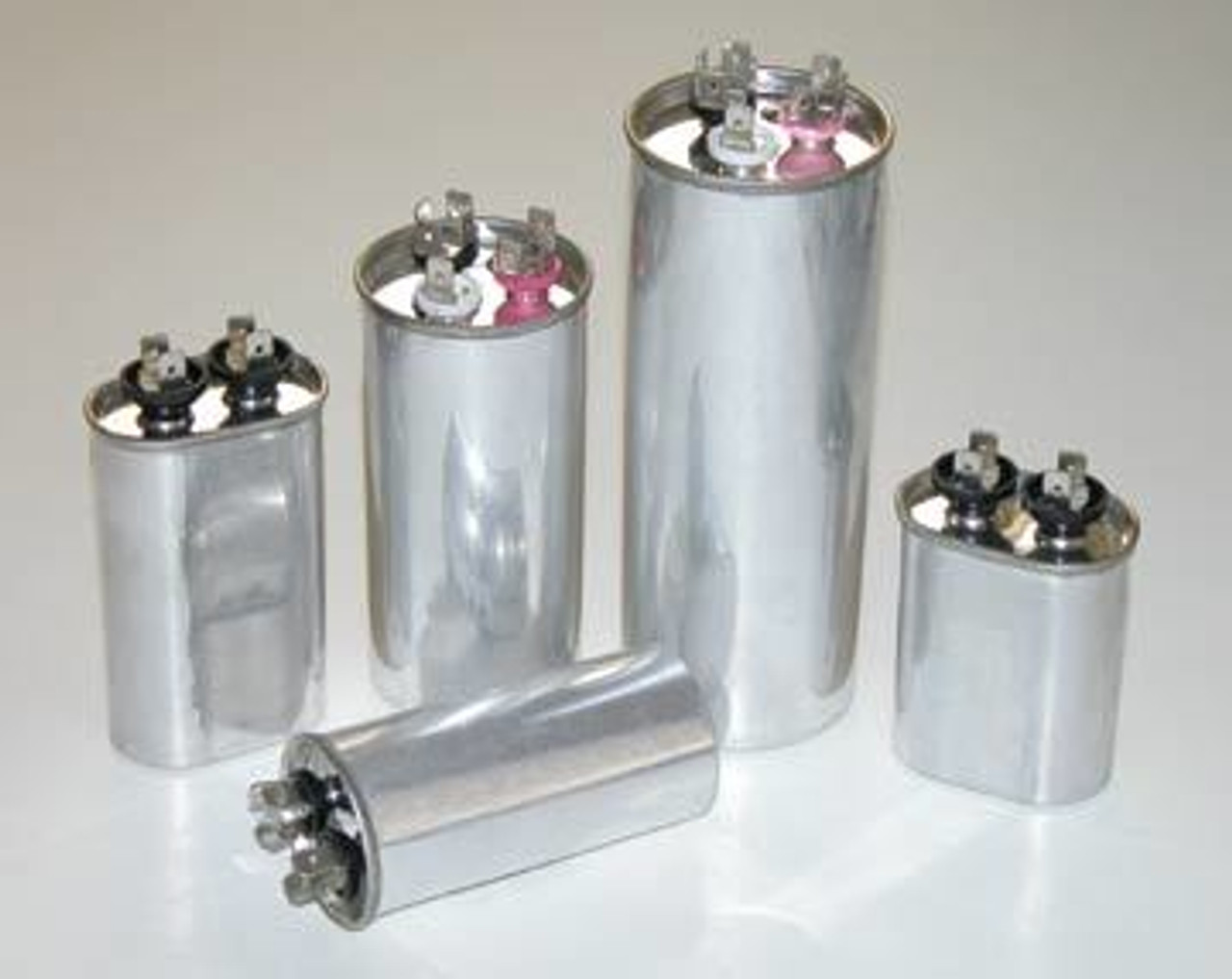
A capacitor is essentially a temporary electrical energy storage device, like a battery but with a different purpose and functionality. In your Carrier air conditioning unit, the capacitor's primary job is to provide the necessary electrical boost to start and run the motors for both the fan and the compressor.
Think of it like this: starting a heavy engine requires more power than keeping it running. The capacitor stores up electrical energy and then releases it in a burst to provide that initial "oomph" needed to get the motors going. Without a properly functioning capacitor, the motors may struggle to start, hum loudly, or simply fail to operate.
Specifically, there are generally two types of capacitors in an AC unit:
- Start Capacitor: This type provides a short, powerful jolt to get the compressor motor started. It's only used for the initial startup phase.
- Run Capacitor: This type provides a continuous boost of energy to keep both the compressor and fan motors running efficiently once they are started.
Q2: How do I know if the capacitor in my Carrier AC unit is failing or has failed?
A failing capacitor can manifest in several ways. Recognizing these signs can help you identify a potential problem early and prevent more serious damage to your AC unit. Here are some common indicators of a bad capacitor:
- AC unit won't start: This is the most common symptom. The unit might hum, but the fan or compressor won't kick on.
- AC unit starts and then shuts down quickly: The capacitor might be providing enough initial boost to start the motor, but it can't sustain the operation.
- Humming noise: A failing capacitor can cause the motor to hum loudly without actually starting.
- Fan blades spinning slowly or not at all: A weak capacitor can affect the fan motor, causing it to spin slowly or not at all.
- Increased energy bills: If the capacitor is struggling, the motors will draw more power to compensate, leading to higher energy consumption.
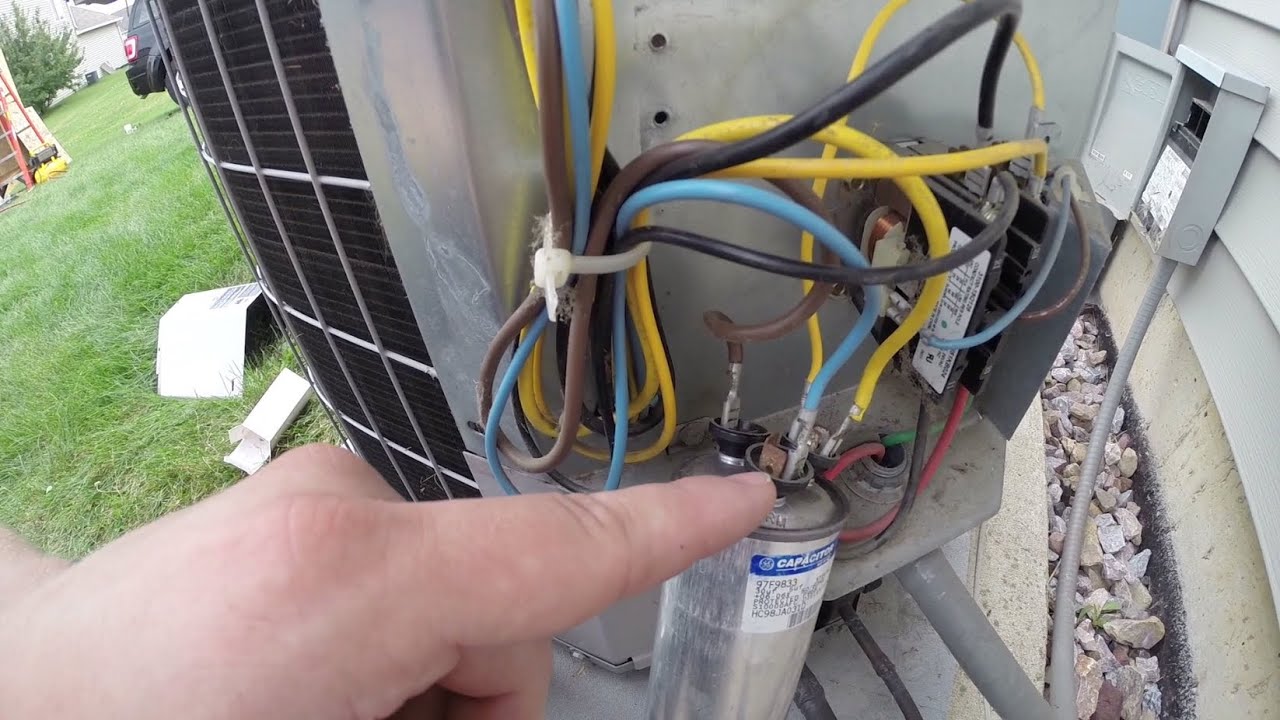
- The capacitor looks physically damaged: Bulging, leaking, or corrosion on the capacitor are clear signs of failure. *Important: Never touch a capacitor directly as it can store a dangerous electrical charge, even when the unit is turned off.*
If you notice any of these symptoms, it's best to contact a qualified HVAC technician to diagnose and replace the capacitor.
Q3: Can I replace the capacitor in my Carrier AC unit myself?
While replacing a capacitor might seem like a simple task, it's generally not recommended for homeowners without proper training and experience for several important reasons:
- Electrical Hazard: Capacitors store a significant amount of electrical charge, even when the AC unit is turned off. Touching a charged capacitor can result in a severe and potentially fatal electric shock.
- Risk of Damage: Improper installation can damage the new capacitor or other components of your AC unit, leading to more costly repairs.
- Warranty Issues: Attempting to repair your AC unit yourself might void the manufacturer's warranty.
- Correct Selection: Choosing the wrong type of capacitor can cause serious damage to your AC unit. It’s important to match the exact voltage and capacitance ratings of the original capacitor.
- Safety Precautions: Working with electrical components requires specific safety precautions, including proper grounding and insulation.
It's always best to hire a qualified HVAC technician to replace the capacitor safely and correctly. They have the necessary training, tools, and experience to handle the job properly.
Q4: What type of capacitor does my Carrier AC unit need and how much does it cost to replace?
The type of capacitor required for your Carrier AC unit depends on the specific model and the motor it's serving (compressor or fan). Capacitors are rated by:
- Microfarads (µF): This indicates the capacitor's capacity to store electrical charge.
- Voltage (V): This specifies the maximum voltage the capacitor can handle.
The correct capacitor *must* match the specifications of the original. This information is typically printed directly on the capacitor itself.
As for the cost of replacement, it can vary depending on several factors:
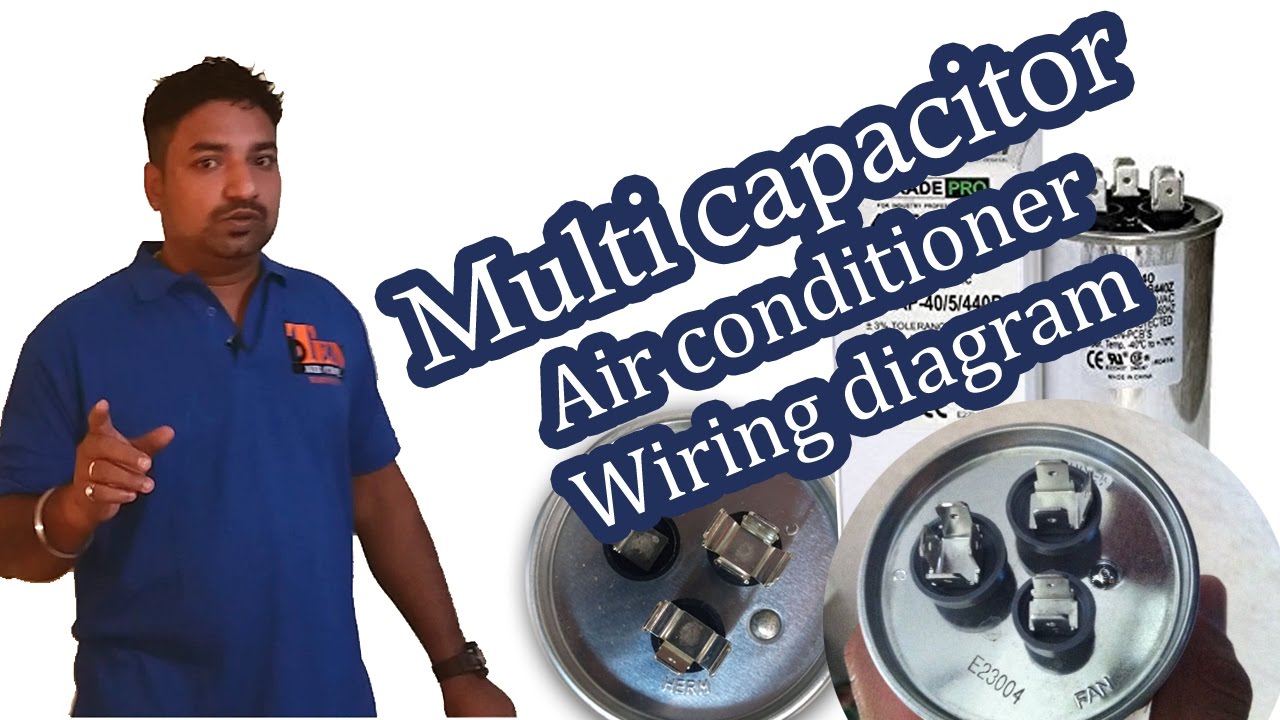
- Type of Capacitor: Start capacitors are typically less expensive than run capacitors. Dual run capacitors (which serve both the fan and compressor) are usually the most expensive.
- Labor Costs: The cost of labor will vary depending on the HVAC technician's hourly rate and the complexity of the job.
- Location: Prices can vary based on your geographical location.
- Service Fees: Some companies charge a service fee for coming to your home to diagnose the problem.
Generally, you can expect to pay anywhere from $150 to $400 to have a capacitor replaced in your Carrier AC unit. It's always a good idea to get quotes from multiple HVAC technicians to ensure you're getting a fair price.
Q5: Can a bad capacitor damage other parts of my Carrier AC unit?
Yes, a failing or failed capacitor *can* indeed damage other components of your Carrier AC unit. Here's how:
- Compressor Damage: The compressor is the most expensive part of your AC unit. A bad capacitor can cause the compressor to overheat and work harder, potentially leading to premature failure. Starting a compressor without the proper surge of power from a capacitor puts undue stress on the motor windings.
- Motor Damage: Similarly, a struggling capacitor can damage the fan motor, causing it to overheat and burn out.
- Contactor Damage: The contactor is an electrical switch that controls the flow of power to the compressor. A faulty capacitor can cause the contactor to repeatedly engage and disengage, leading to wear and tear and eventual failure.
- Increased Energy Consumption: As mentioned earlier, a failing capacitor forces the motors to draw more power, leading to higher energy bills and putting a strain on other electrical components.
Replacing a faulty capacitor promptly can prevent these more serious and costly damages. Don't delay getting it checked out if you suspect a problem.
Q6: How can I extend the lifespan of the capacitor in my Carrier AC unit?
While capacitors do have a limited lifespan, there are steps you can take to extend their longevity and prevent premature failure:
- Regular AC Maintenance: Schedule regular maintenance checks with a qualified HVAC technician. They can inspect the capacitor and other components for signs of wear and tear and identify potential problems early.
- Clean the AC Unit: Keep the outdoor unit clean and free of debris, such as leaves, grass clippings, and dirt. This allows for proper airflow and prevents the unit from overheating, which can stress the capacitor.
- Avoid Power Surges: Power surges can damage electrical components, including capacitors. Consider installing a surge protector to protect your AC unit from power surges.
- Ensure Proper Ventilation: Make sure the outdoor unit has adequate clearance on all sides to allow for proper ventilation. Avoid blocking the airflow with plants or other obstructions.
- Minimize Starts and Stops: Frequent starts and stops put extra strain on the capacitor. Avoid setting the thermostat too low or frequently adjusting the temperature.
- Run the AC Regularly: Ironically, not using your AC for extended periods can also be detrimental. Periodically running the AC helps keep the components lubricated and prevents them from seizing up.
- Consider a "Hard Start Kit": For older AC units, a hard start kit can reduce the stress on the capacitor during startup by providing an extra boost of power. Consult with an HVAC technician to determine if a hard start kit is right for your unit.
By following these tips, you can help ensure that your capacitor lasts longer and your Carrier AC unit operates efficiently for years to come.
Q7: Are there different grades or qualities of capacitors available for Carrier AC units? Should I ask for a specific brand?
Yes, capacitors, like most components, come in different grades and qualities. While sticking to the OEM (Original Equipment Manufacturer) specified part is often recommended, understanding the nuances can help you make an informed decision if alternatives are presented.
- OEM vs. Aftermarket: OEM capacitors are made by or specifically for Carrier. Aftermarket capacitors are manufactured by third-party companies. While some aftermarket options are perfectly acceptable and even offer improved performance, it's crucial to choose a reputable brand.
- Temperature Rating: Capacitors have a temperature rating that indicates the maximum operating temperature they can withstand. In hot climates, it's wise to choose a capacitor with a higher temperature rating to ensure it can handle the heat.
- Brand Reputation: Some capacitor brands are known for their quality and reliability. Research different brands and read reviews to see what other HVAC technicians and homeowners have to say. Reputable brands often have better quality control and use higher-grade materials.
- UL Listing: Ensure that the capacitor is UL listed. This indicates that it has been tested and meets safety standards.
While it's not always necessary to insist on a specific brand, it's a good idea to ask your HVAC technician about the quality and reputation of the capacitor they are using. A reputable technician will be able to explain the differences between different options and recommend the best choice for your Carrier AC unit and budget. Don't hesitate to ask questions about the capacitor's specifications, warranty, and expected lifespan. Ultimately, choosing a high-quality capacitor can save you money in the long run by reducing the risk of premature failure and the associated repair costs.