Capacitor For Lennox Ac Unit

Frequently Asked Questions About Capacitors in Lennox AC Units
This article addresses common questions regarding capacitors used in Lennox air conditioning units. Understanding these components can help you troubleshoot issues and ensure your AC operates efficiently.
1. What exactly *is* a capacitor and what does it do in my Lennox AC unit?
A capacitor is essentially a small, temporary energy storage device, similar to a battery. In a Lennox AC unit, capacitors play a vital role in:
- Starting Motors: Capacitors provide the initial jolt of energy needed to start the compressor motor and the fan motors. These motors require a higher voltage to start than to run continuously, and the capacitor provides that boost.
- Running Efficiency: Capacitors help the motors run smoothly and efficiently. By providing the correct voltage phase shift, they ensure the motors operate with optimal power factor, reducing energy consumption.
Think of it like giving a car a push start. The capacitor provides the initial "push" to get the motor running.
2. What are the different types of capacitors used in Lennox AC units?
There are primarily two types of capacitors found in Lennox AC units:
- Start Capacitors: These capacitors are designed to provide a very high surge of energy for a short period of time, specifically for starting the motor. They are typically not designed for continuous use and will quickly overheat and fail if left in circuit. Lennox units may use start capacitors, but these are typically phased out after the motor reaches running speed.
- Run Capacitors: These are designed for continuous operation while the motor is running. They provide a continuous phase shift to maintain motor efficiency. They are often oval or cylindrical in shape.
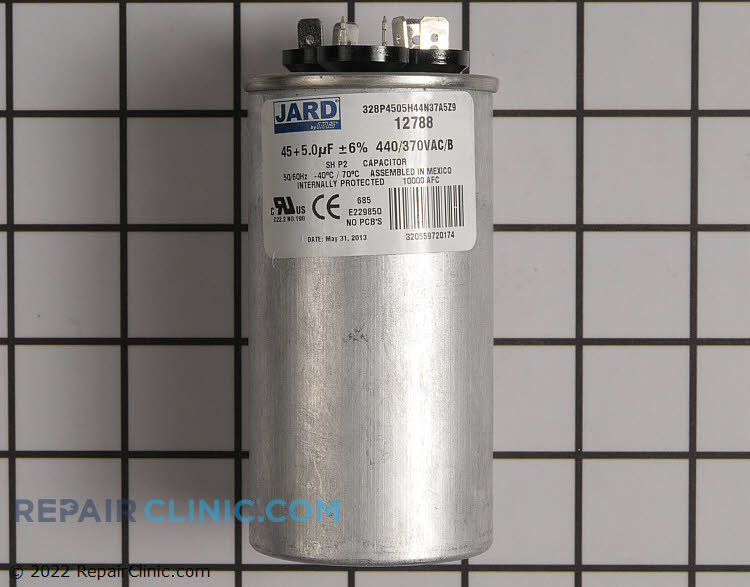
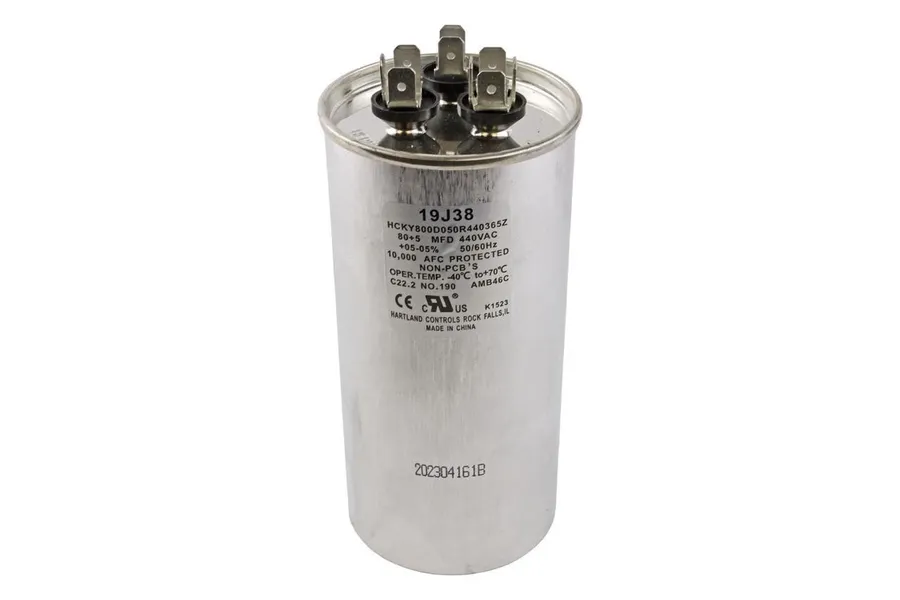
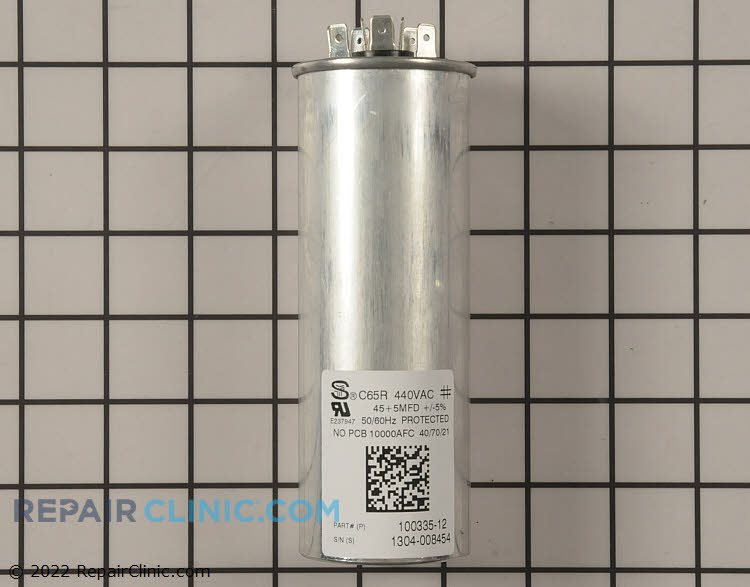
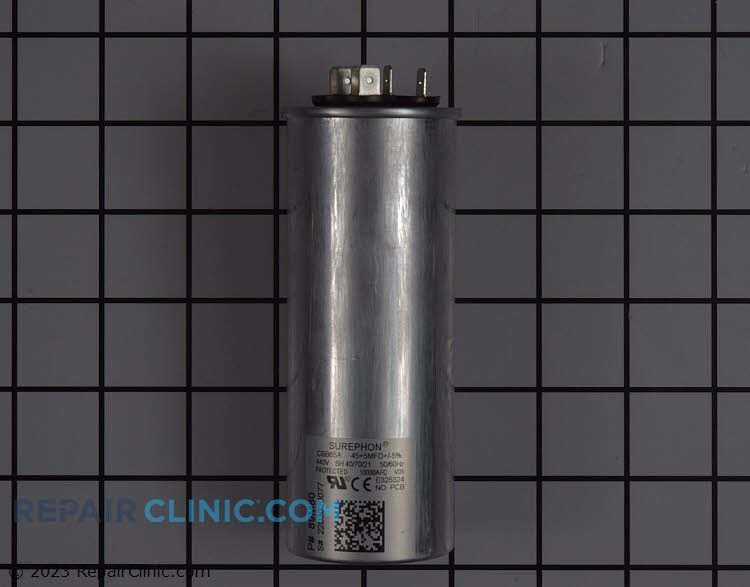
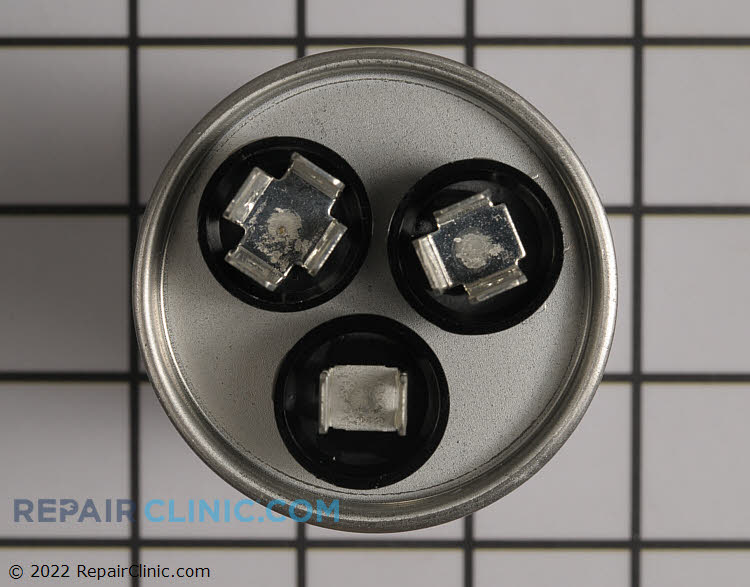
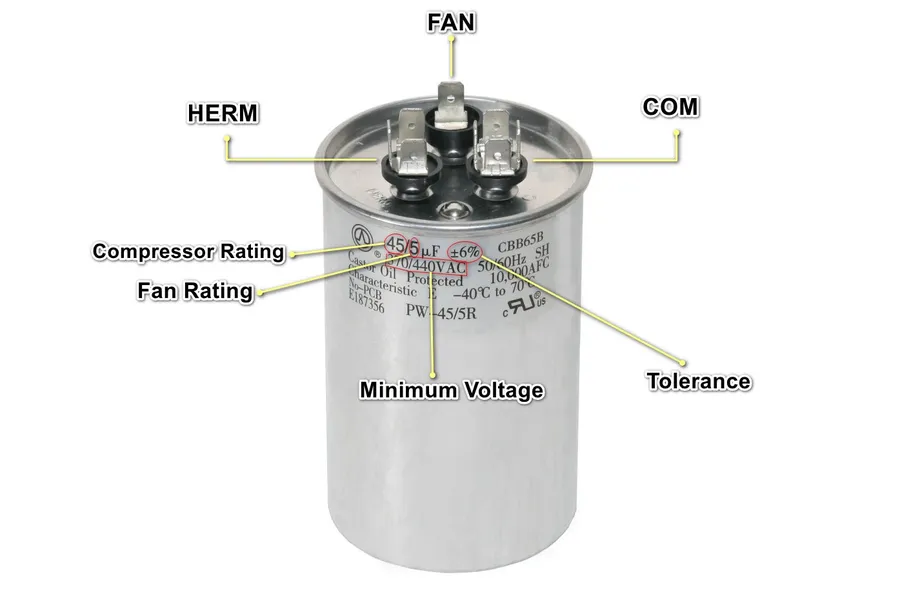
- Dual Run Capacitors: These capacitors combine two run capacitors into a single unit. They are used to power both the compressor motor and the fan motor. A dual run capacitor will have three terminals labeled "C" (Common), "H" (Hermetic - for the compressor), and "F" (Fan).
Understanding the difference is crucial because they are not interchangeable. Using the wrong type can damage your AC unit.
3. How do I know if the capacitor in my Lennox AC unit is bad? What are the symptoms?
A failing capacitor can manifest in several ways. Recognizing these symptoms early can prevent more serious damage to your AC unit.
Common signs of a bad capacitor include:
- Humming Noise: The AC unit might hum but the fan or compressor won't start. This indicates the motor is trying to start but lacks the necessary power boost from the capacitor.
- Delayed Start-Up: The AC unit takes a long time to start, or it starts and stops intermittently.
- Clicking Noise: You might hear a clicking sound coming from the unit, particularly during start-up. This can be the contactor struggling to engage due to low voltage caused by a failing capacitor.
- Fan Blade Doesn't Spin Easily: If you manually try to spin the fan blade (with the unit turned off, of course!), it might feel stiff or difficult to turn. A failing capacitor can indirectly damage the motor bearings.
- AC Unit Shuts Down Frequently: The AC unit runs for a short period and then shuts off. This can be due to the compressor overheating because it's not running efficiently without the capacitor's help.
- Visible Damage: The capacitor itself might be bulging, leaking, or have burn marks. This is a clear sign of failure. Never touch a visibly damaged capacitor, as it may still hold an electrical charge.
- Higher Energy Bills: A failing capacitor can cause the motor to work harder, leading to increased energy consumption and higher electricity bills.
If you notice any of these symptoms, it's essential to have a qualified HVAC technician inspect your Lennox AC unit.
4. Can I replace the capacitor in my Lennox AC unit myself? Is it a DIY project?
While it might seem like a simple task, replacing a capacitor is not recommended as a DIY project unless you have experience working with electrical components and understand the safety precautions involved. Capacitors store electricity, even when the unit is turned off, and can deliver a dangerous shock.
Here's why it's best left to a professional:
- Electrical Shock Hazard: Capacitors can store a significant electrical charge, even after the power is turned off. Improper handling can result in severe electrical shock.
- Proper Diagnosis: It's crucial to accurately diagnose the problem before replacing the capacitor. The issue might be something else entirely, such as a faulty motor or a wiring problem.
- Correct Replacement: You need to ensure you're using the correct replacement capacitor with the same voltage and capacitance ratings. Using the wrong capacitor can damage your AC unit.
- Safety Procedures: HVAC technicians are trained to follow strict safety procedures when working with electrical components, including discharging the capacitor before handling it.
- Warranty Implications: Attempting to repair your AC unit yourself might void the warranty.
In summary, while it *may* seem like a cost-saving measure to do it yourself, the potential risks and warranty implications outweigh the benefits. It's always best to hire a qualified HVAC technician to handle capacitor replacement.
5. How much does it cost to replace the capacitor in a Lennox AC unit?
The cost to replace a capacitor in a Lennox AC unit can vary depending on several factors:
- Type of Capacitor: Dual run capacitors are generally more expensive than single run capacitors.
- Labor Costs: Labor costs vary depending on your location and the HVAC technician's hourly rate.
- Service Call Fee: Some companies charge a service call fee for diagnosing the problem.
- Accessibility: If the capacitor is difficult to access, the labor costs might be higher.
Generally, you can expect to pay anywhere from $150 to $450 to have a capacitor replaced in your Lennox AC unit. It's always a good idea to get quotes from multiple HVAC contractors before making a decision.
6. How can I prolong the life of the capacitor in my Lennox AC unit?
While capacitors are wear items, there are steps you can take to potentially extend their lifespan:
- Regular AC Maintenance: Schedule regular maintenance with a qualified HVAC technician. They can inspect the capacitor and identify potential issues before they lead to failure.
- Keep the Unit Clean: Ensure the AC unit is free of debris, such as leaves, grass clippings, and dirt. This helps to improve airflow and prevent overheating, which can stress the capacitor.
- Proper Ventilation: Make sure the AC unit has adequate ventilation. Obstructions can restrict airflow and cause the unit to overheat.
- Minimize Start/Stop Cycles: Frequent start/stop cycles put extra strain on the capacitor. Try to avoid turning the AC unit on and off repeatedly. Instead, set a comfortable temperature and let it run consistently.
- Power Surges: Protect your AC unit from power surges by using a surge protector or a whole-house surge protector. Power surges can damage the capacitor and other components.
- Correct Sizing of Unit: Ensure that your AC unit is properly sized for your home. An undersized unit will have to work harder and run longer, putting extra stress on the capacitor.
By following these tips, you can help to prolong the life of your capacitor and keep your Lennox AC unit running efficiently.
7. Are there specific brands of capacitors recommended for Lennox AC units?
While Lennox doesn't necessarily *require* a specific brand, it's generally best to use a capacitor that meets or exceeds the original specifications of the capacitor that came with your unit. Using a high-quality capacitor from a reputable manufacturer can improve reliability and longevity. Some common and reliable capacitor brands include:
- Lennox (OEM): Using the original equipment manufacturer (OEM) part is always a safe bet, ensuring proper fit and performance. However, OEM parts can sometimes be more expensive.
- MARS: MARS capacitors are a popular and reliable choice in the HVAC industry. They offer a wide range of capacitors for various applications.
- Titan HD: These are known for their durability and reliability, often chosen by HVAC professionals.
- Packard: Packard offers a variety of capacitor options known for their quality and performance.
When choosing a replacement capacitor, pay close attention to the voltage (VAC) and capacitance (microfarads - µF) ratings. The replacement capacitor *must* have the same voltage rating as the original capacitor. The capacitance rating can be slightly different (usually within +/- 5%), but it's best to stick to the original value as closely as possible.
Your HVAC technician can recommend the best capacitor brand and model for your specific Lennox AC unit.