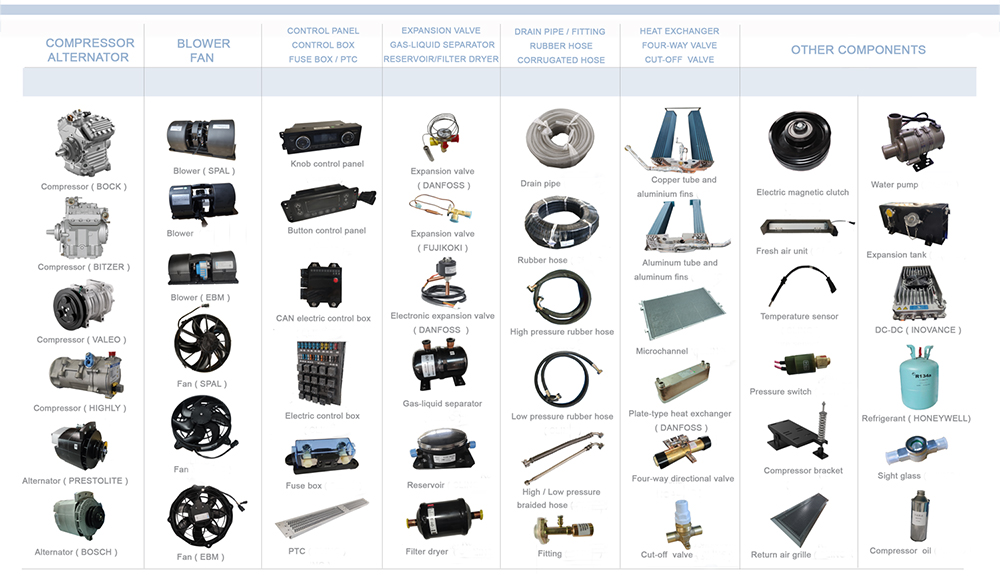
Car Ac Parts Name List With Picture

Understanding the components of your car's air conditioning (AC) system can empower you to troubleshoot minor issues, communicate effectively with mechanics, and make informed decisions about repairs. This guide provides a clear and accessible overview of common car AC parts, complete with descriptions and helpful analogies.
Core AC Components and Their Functions
The car AC system works on a principle similar to your home refrigerator, using refrigerant to absorb and transfer heat. Here's a breakdown of the key components:
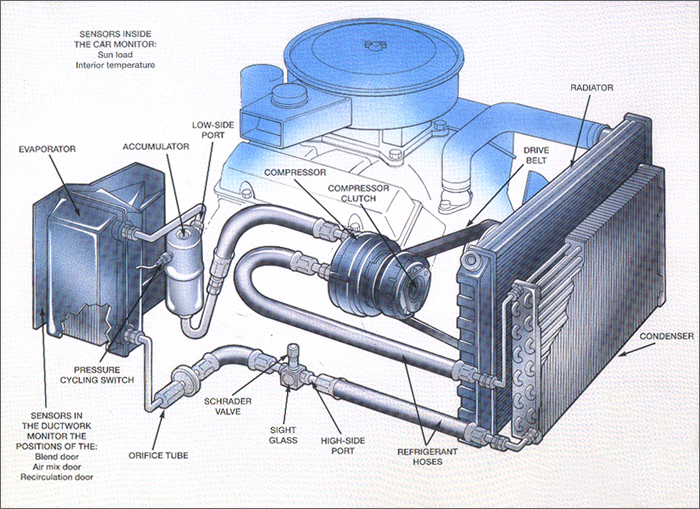
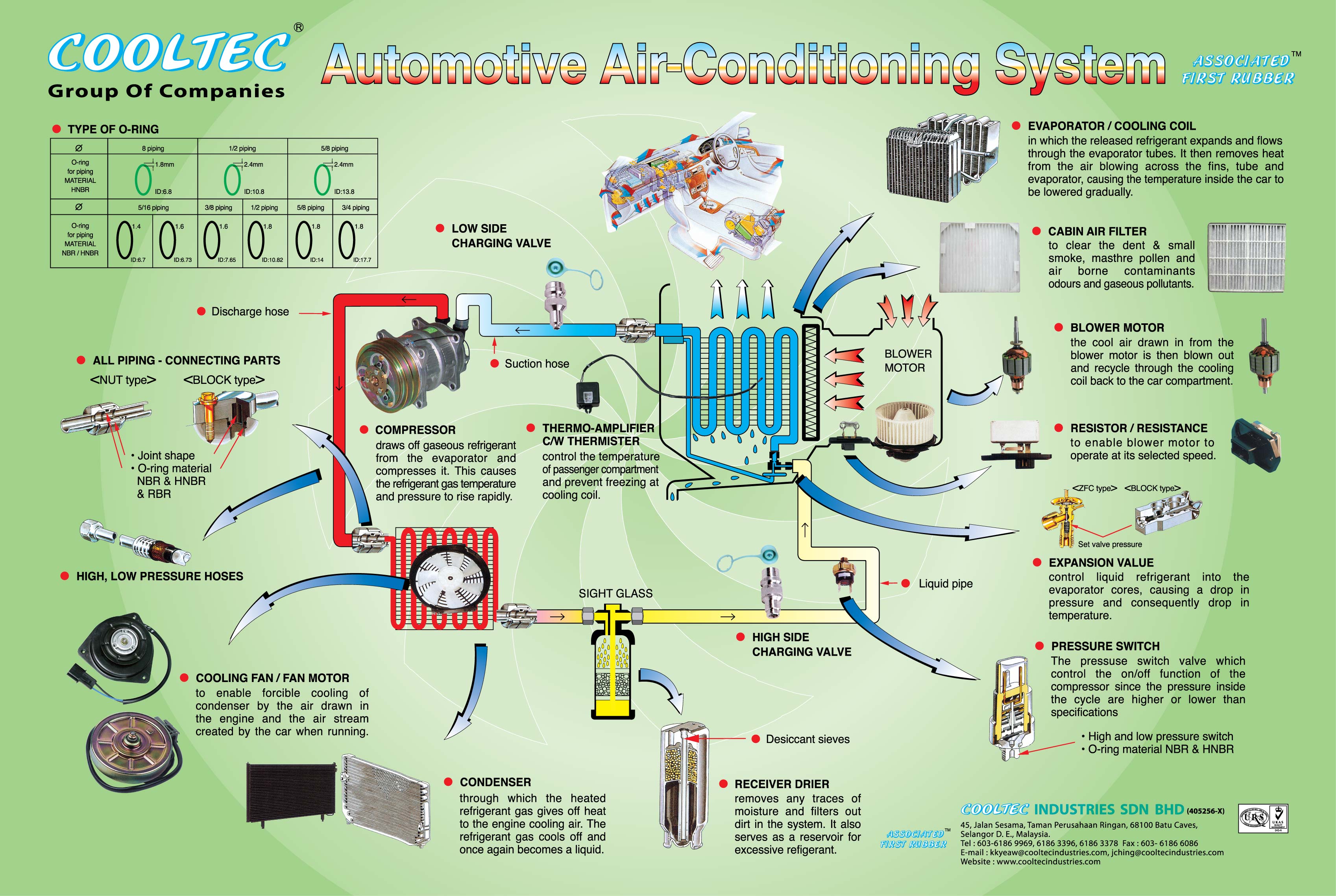
1. Compressor: The Heart of the System
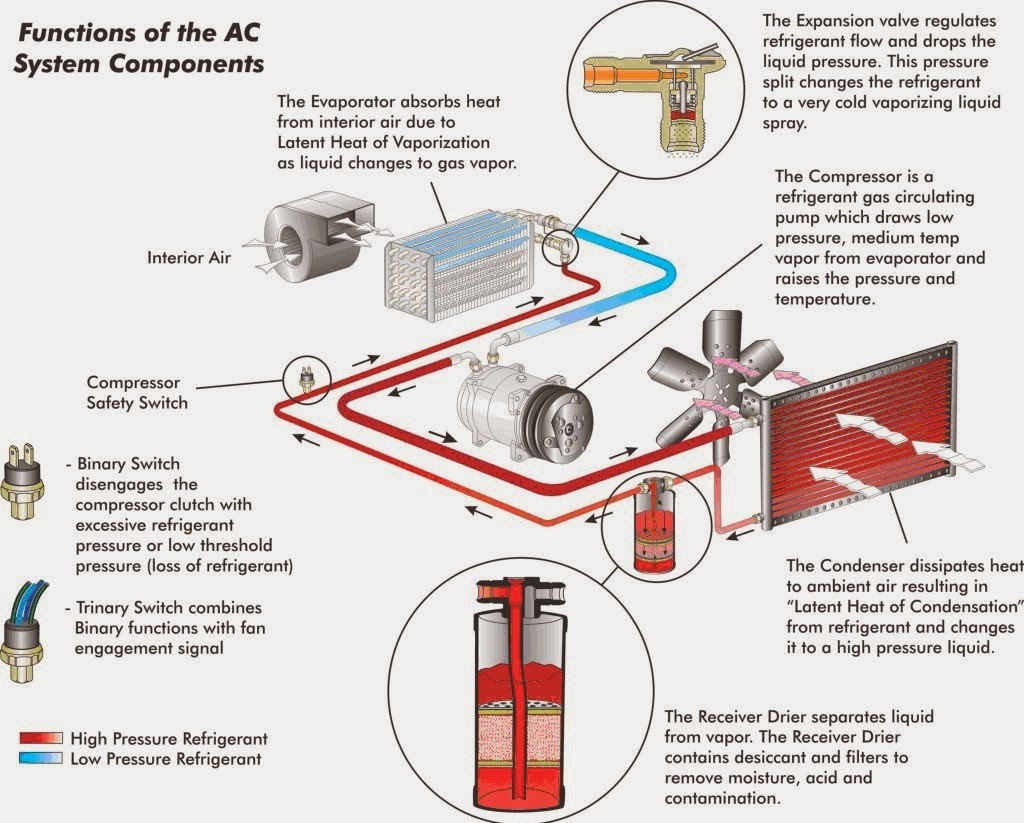
The compressor is arguably the most crucial part of the AC system. Think of it as the pump. It's responsible for compressing the refrigerant gas, increasing its pressure and temperature. This high-pressure, high-temperature refrigerant is then circulated through the rest of the system.
How it works: The compressor is driven by the engine via a belt. As the engine runs, it spins the compressor, which draws in low-pressure, low-temperature refrigerant gas from the evaporator. The compressor then squeezes the gas, significantly increasing its pressure and temperature. This hot, high-pressure gas is then discharged to the condenser.
Common issues: Compressor failure is a common AC problem. Symptoms include a complete lack of cold air, unusual noises from the engine compartment, or the compressor clutch not engaging. Low refrigerant levels, leaks, or internal wear and tear can all contribute to compressor failure.

(Image of a car AC compressor)
2. Condenser: Releasing the Heat
The condenser acts like a radiator for the refrigerant. Its job is to dissipate the heat from the high-pressure, high-temperature refrigerant gas coming from the compressor. As the refrigerant cools, it changes from a gas to a high-pressure liquid.
How it works: The condenser is typically located in front of the radiator, allowing air flowing through the grille to cool it down. The hot refrigerant gas passes through the condenser's fins, transferring its heat to the surrounding air. This process converts the refrigerant into a high-pressure liquid.
Common issues: The condenser can be damaged by road debris, such as rocks or insects, leading to leaks. Clogged condenser fins can also reduce its efficiency, resulting in poor cooling performance. Damage or blockages will prevent proper heat transfer.

(Image of a car AC condenser)
3. Expansion Valve (or Orifice Tube): Metering the Refrigerant
The expansion valve (or orifice tube in some systems) controls the flow of refrigerant into the evaporator. It's like a gatekeeper, carefully metering the amount of refrigerant allowed into the evaporator core.
How it works: The expansion valve is a pressure-sensitive device that regulates the refrigerant flow based on the temperature and pressure in the evaporator. It creates a pressure drop, which causes the high-pressure liquid refrigerant to expand and turn into a cold, low-pressure mist.
Orifice Tube: An orifice tube is a simpler, fixed-size restrictor. It's less precise than an expansion valve but more economical. Systems using an orifice tube typically have an accumulator (see below).
Common issues: A clogged or malfunctioning expansion valve can restrict refrigerant flow, leading to poor cooling or even a frozen evaporator. Similarly, a blocked orifice tube will have the same effect.

(Image of a car AC expansion valve)
4. Evaporator: Absorbing the Heat Inside the Cabin
The evaporator is located inside the vehicle's cabin, usually behind the dashboard. It's where the cold refrigerant absorbs heat from the air blown over it by the blower motor, cooling the cabin.
How it works: The cold, low-pressure refrigerant enters the evaporator core. Air from the blower motor is forced across the evaporator's fins, transferring heat to the refrigerant. This process evaporates the refrigerant, turning it back into a low-pressure gas. The cooled air is then circulated throughout the cabin.
Common issues: The evaporator can become clogged with dust, pollen, and other debris, reducing its efficiency. Leaks are also possible, leading to refrigerant loss and a lack of cooling. A clogged evaporator can also freeze up, blocking airflow.

(Image of a car AC evaporator)
5. Receiver Drier (or Accumulator): Filtering and Drying
The receiver drier (or accumulator, depending on the system) filters the refrigerant and removes moisture. Think of it as a sponge, soaking up any water that might have entered the system.
How it works: The receiver drier contains a desiccant, a substance that absorbs moisture. It also filters out any debris that could damage the other components. In systems with an expansion valve, the receiver drier is located on the high-pressure side of the system. In systems with an orifice tube, an accumulator is located on the low-pressure side.
Common issues: The desiccant in the receiver drier or accumulator eventually becomes saturated with moisture, reducing its effectiveness. It's crucial to replace the receiver drier or accumulator whenever the AC system is opened for repairs.

(Image of a car AC receiver drier)
Other Important Components
In addition to the core components, several other parts play essential roles in the AC system:
1. Blower Motor: Moving the Air
The blower motor is responsible for circulating air through the evaporator and into the cabin. It's like a fan, forcing air across the cold evaporator core.
Common issues: A failing blower motor can result in weak or no airflow from the vents. Resistors that control the blower motor speed can also fail, leading to limited speed settings.

(Image of a car AC blower motor)
2. AC Lines (Hoses and Pipes): The Plumbing
The AC lines, including hoses and pipes, connect all the components of the AC system, providing a pathway for the refrigerant to flow. Think of them as the veins and arteries of the system.
Common issues: AC lines can leak due to corrosion, damage, or loose connections. Leaks can lead to refrigerant loss and reduced cooling performance.

(Image of car AC lines)
3. AC Clutch: Engaging the Compressor
The AC clutch is an electromagnetic clutch that engages and disengages the compressor, allowing it to be turned on and off as needed. It's a switch that controls whether the compressor is actively working.
Common issues: The AC clutch can fail due to wear and tear or electrical problems. A failing clutch may not engage, preventing the compressor from running and resulting in no cold air.

(Image of car AC clutch)
4. Refrigerant: The Lifeblood
Refrigerant is the fluid that circulates throughout the AC system, absorbing and transferring heat. Think of it as the blood of your AC system, carrying heat from inside to outside.
Types: Older vehicles typically use R-12 refrigerant, which is now phased out due to its environmental impact. Newer vehicles use R-134a or the latest R-1234yf refrigerant. It's crucial to use the correct type of refrigerant for your vehicle, as mixing refrigerants can damage the system.
Common issues: Leaks are the most common refrigerant-related problem. Low refrigerant levels can lead to poor cooling performance and can eventually damage the compressor.
5. Pressure Switches: Protecting the System
Pressure switches monitor the refrigerant pressure and shut off the compressor if the pressure is too high or too low. They act as safety valves, protecting the system from damage.
Common Issues: Faulty pressure switches can prevent the compressor from engaging or cause it to cycle on and off rapidly.
Troubleshooting Common AC Problems
Knowing the parts of your AC system helps you identify potential problems:
- No Cold Air: Could be a compressor issue, refrigerant leak, clogged expansion valve/orifice tube, or a faulty AC clutch.
- Weak Airflow: Could be a failing blower motor, clogged evaporator, or a blocked cabin air filter.
- AC Works Intermittently: Could be a faulty AC clutch, pressure switch problem, or electrical issue.
- Unusual Noises: Could indicate a failing compressor, worn-out belt, or loose components.
Conclusion
Understanding the components of your car's AC system can empower you to maintain it properly and address minor issues. If you encounter a serious problem, it's always best to consult a qualified mechanic. Regular maintenance, such as checking refrigerant levels and replacing the cabin air filter, can help keep your AC system running smoothly for years to come. Remember, replacing the receiver drier or accumulator whenever the system is opened is crucial for optimal performance and longevity. This guide provides a solid foundation for understanding the inner workings of your car's AC system, allowing you to make informed decisions and communicate effectively with automotive professionals.