Carbon Monoxide Detector How It Works

Carbon monoxide (CO) is a silent killer. It's an odorless, colorless gas that can quickly overwhelm your system, leading to serious health problems or even death. That's why having a working carbon monoxide detector is essential for every home. This guide will explain how these detectors work, helping you understand their technology and choose the best option for your needs.
Understanding Carbon Monoxide
Before diving into the technology, let's clarify what carbon monoxide is and why it's dangerous. CO is produced by the incomplete burning of fuels such as natural gas, propane, wood, oil, and kerosene. Common sources include:
- Furnaces
- Water heaters
- Fireplaces
- Gas stoves
- Generators
- Vehicles running in enclosed spaces (like garages)
The danger lies in how CO affects your body. When inhaled, it replaces oxygen in your bloodstream. Think of it like a 'carbon monoxide traffic jam', blocking oxygen from reaching your vital organs and tissues. This oxygen deprivation can lead to:
- Headaches
- Dizziness
- Nausea
- Weakness
- Confusion
- Loss of consciousness
- Death
Because CO is undetectable by human senses, a carbon monoxide detector is your only reliable warning system.
How Carbon Monoxide Detectors Work: The Core Technologies
There are primarily two types of carbon monoxide detectors widely available for home use: biomimetic and electrochemical. Each uses a distinct method to detect CO.
1. Biomimetic Detectors: Mimicking Biology
Biomimetic detectors, also known as gel cell detectors, use a gel that changes color in the presence of carbon monoxide. This technology mimics the way blood absorbs CO. Here's a breakdown:
- The Gel Cell: The heart of this detector is a small gel cell. This gel is designed to react to CO.
- Color Change: When CO enters the detector, it interacts with the gel, causing it to darken. The darker the gel, the higher the concentration of CO.
- Visual Indication: A visual indicator (often a dark spot or a change in the gel's overall color) becomes visible through a small window on the detector. This is your visual warning.
Limitations: Biomimetic detectors are often considered less accurate and reliable than electrochemical detectors. They provide a qualitative indication of CO presence (showing that it *is* there) rather than a quantitative measurement (showing *how much* is there). They also tend to have a shorter lifespan and can be affected by humidity and temperature changes. These detectors usually do not alarm unless the CO levels are extremely high and generally don't offer continuous monitoring or digital readouts.
2. Electrochemical Detectors: The Most Common and Reliable Type
Electrochemical detectors are the most prevalent and generally considered the most accurate type of CO detector available for home use. They use a chemical reaction to measure the amount of CO in the air. Here's how they work:
- The Electrochemical Cell: This cell contains electrodes (typically made of platinum) immersed in a chemical electrolyte.
- Chemical Reaction: When CO enters the detector, it reacts with the chemical electrolyte. This reaction causes a change in the electrical current flowing between the electrodes.
- Microprocessor: A small microprocessor constantly monitors the electrical current. The amount of change in the current is directly proportional to the concentration of CO.
- Alarm Activation: If the CO level exceeds a certain threshold for a specific period (e.g., 70 ppm for 60-240 minutes, as defined by Underwriters Laboratories (UL) standards), the microprocessor triggers the alarm.
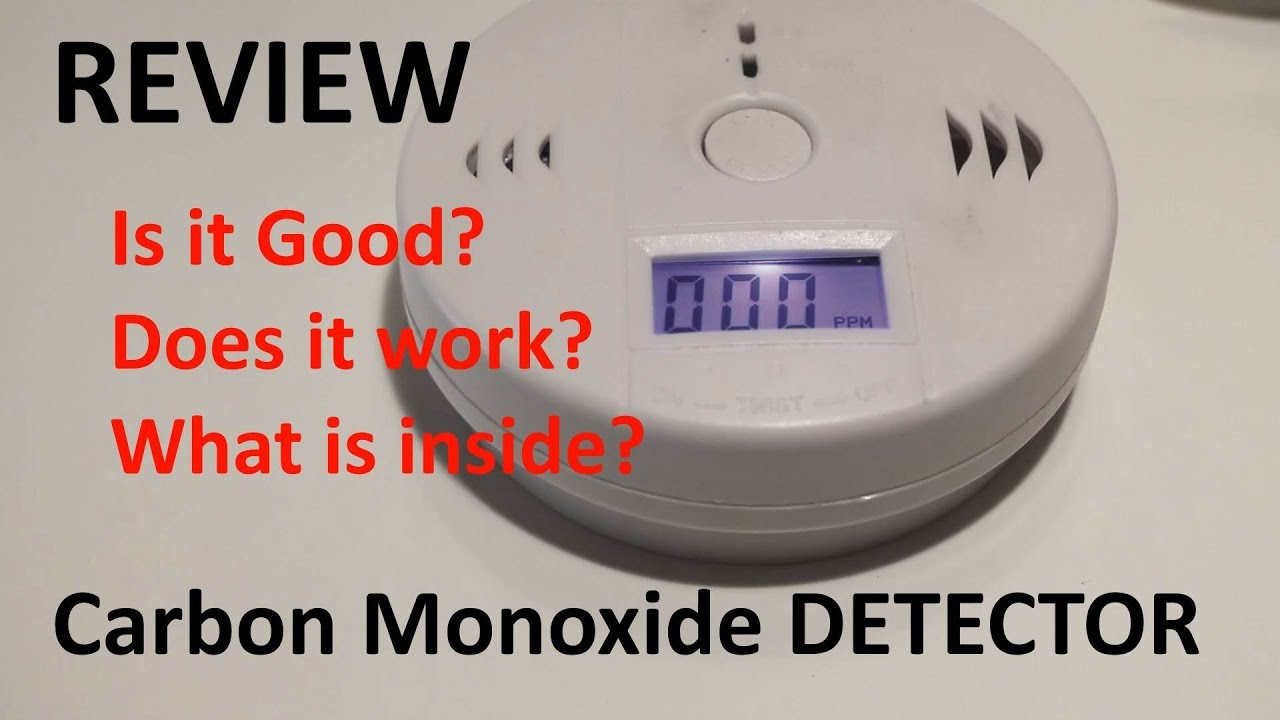
- Digital Display (Optional): Many electrochemical detectors feature a digital display that shows the current CO level in parts per million (ppm). This allows you to monitor CO levels in real-time and track changes over time.
Advantages of Electrochemical Detectors:
- Accuracy: Electrochemical detectors are generally very accurate in measuring CO levels.
- Reliability: They are less susceptible to false alarms caused by other gases or environmental factors.
- Longevity: They typically have a longer lifespan than biomimetic detectors (often 5-10 years).
- Real-Time Monitoring: Many models provide continuous monitoring and display CO levels.
Why electrochemical sensors are more accurate: The electrochemical process is highly specific to carbon monoxide. The chemical reaction only occurs with CO molecules, minimizing interference from other gases in the air. This specificity is crucial for accurate and reliable detection.
Important Features to Consider When Choosing a CO Detector
When selecting a carbon monoxide detector, consider these essential features:
- UL Certification: Look for detectors that are certified by Underwriters Laboratories (UL). UL certification ensures that the detector meets specific safety and performance standards.
- Power Source: CO detectors come in several power configurations:
- Battery-Powered: These detectors are easy to install and can be placed anywhere. However, you need to remember to replace the batteries regularly. Choose models with a low-battery warning.
- AC-Powered with Battery Backup: These detectors plug into a standard electrical outlet and have a battery backup in case of a power outage. This provides continuous protection.
- Hardwired: These detectors are wired directly into your home's electrical system. They also typically have a battery backup. Hardwired detectors are often interconnected, meaning that if one detector alarms, all detectors in the system will alarm.
- Digital Display: A digital display is highly recommended. It allows you to see the current CO level in ppm, which can be helpful in diagnosing potential CO problems.
- End-of-Life Warning: CO detectors have a limited lifespan. Look for models that have an end-of-life warning, which will alert you when it's time to replace the detector.
- Interconnectivity: Some detectors can be interconnected, either wirelessly or through hardwiring. If one detector detects CO, all interconnected detectors will alarm, providing an early warning throughout your home.
- Smart Features: Some newer CO detectors have smart features, such as smartphone notifications and integration with home automation systems.
Where to Place Your CO Detectors: Optimal Placement for Maximum Protection
Proper placement of your CO detectors is crucial for ensuring early detection of CO leaks. Follow these guidelines:
- One detector on each level of your home: At a minimum, install one CO detector on each level of your home, including the basement.
- Near sleeping areas: Place detectors outside of sleeping areas so you can hear the alarm while you are asleep.
- At least 15 feet from fuel-burning appliances: Avoid placing detectors directly next to furnaces, water heaters, or other fuel-burning appliances. The sudden burst of CO during startup could trigger a false alarm.
- Avoid obstructing airflow: Do not place detectors behind furniture, curtains, or other obstructions that could block airflow to the sensor.
- Follow manufacturer's instructions: Always refer to the manufacturer's instructions for specific placement recommendations.
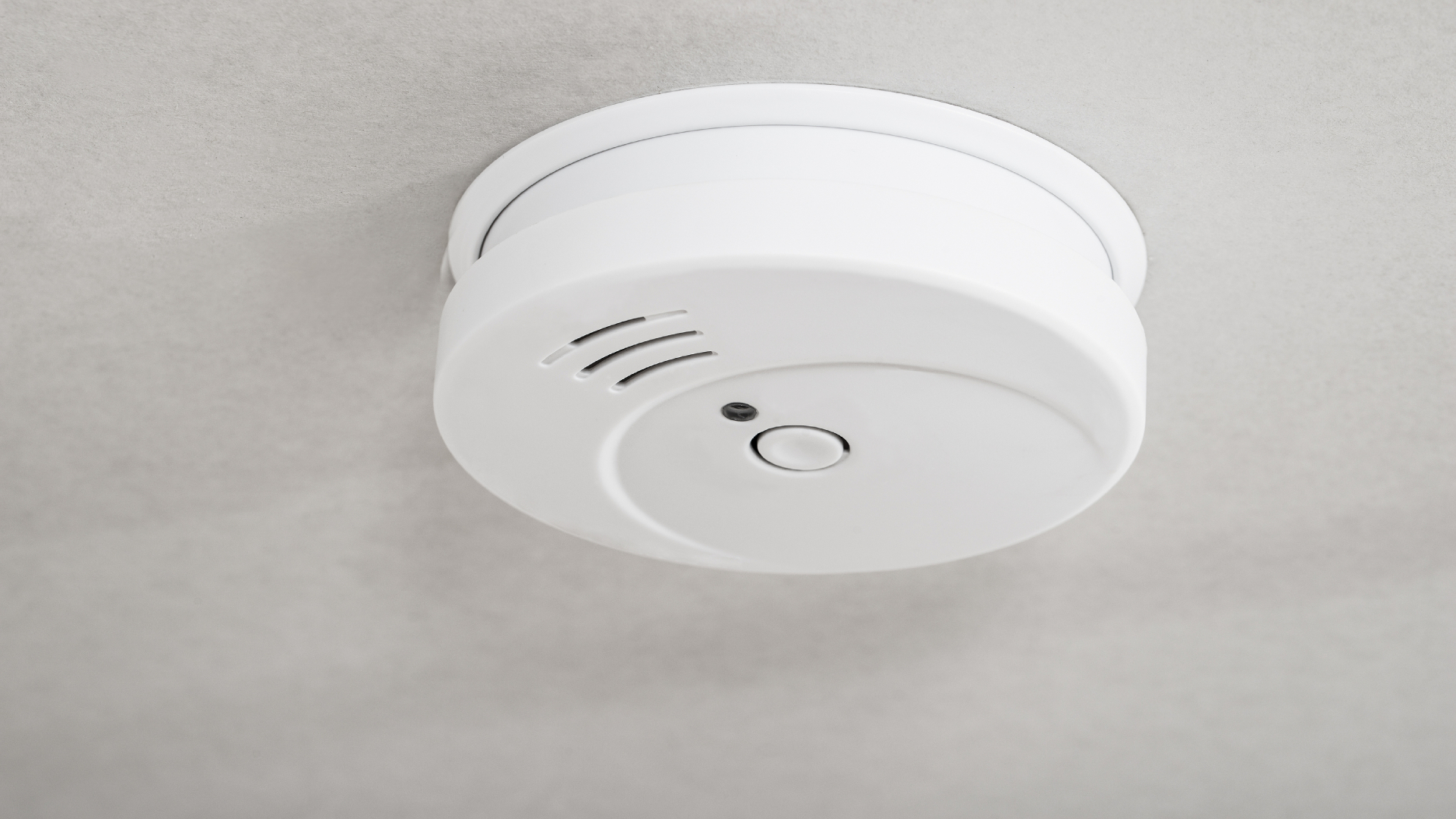
- High placement (wall or ceiling): CO is slightly lighter than air, so detectors placed higher on a wall or on the ceiling tend to detect CO faster.
Maintenance and Testing: Ensuring Your Detector Works Properly
Regular maintenance and testing are essential for ensuring that your CO detector is functioning correctly. Here's what you should do:
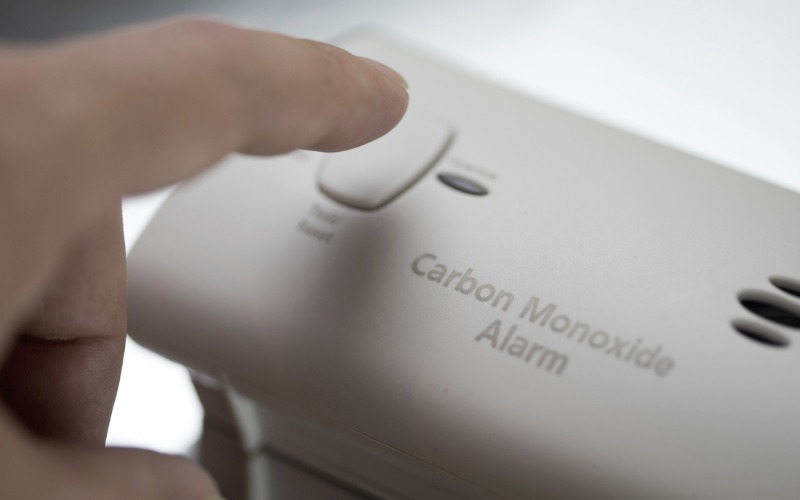
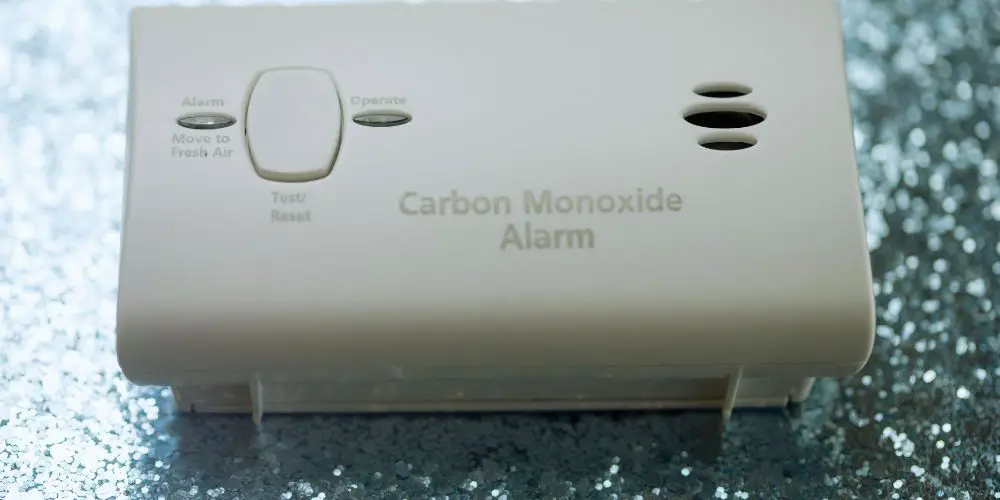
- Test your detector regularly: Most CO detectors have a test button. Press this button regularly (at least monthly) to ensure that the alarm sounds.
- Replace batteries as needed: If your detector is battery-powered or has a battery backup, replace the batteries at least once a year, or when the low-battery warning sounds.
- Clean your detector: Use a vacuum cleaner with a brush attachment to gently remove dust and debris from the detector's surface.
- Replace your detector according to the manufacturer's instructions: CO detectors have a limited lifespan (typically 5-10 years). Replace your detector when it reaches its end-of-life, even if it seems to be working properly.
Responding to a CO Alarm: What to Do When the Alarm Sounds
Knowing how to respond to a CO alarm is crucial. Follow these steps:
- Immediately move to fresh air: If the alarm sounds, immediately evacuate your home and move to a location with fresh air.
- Call emergency services: From a safe location, call your local emergency services (e.g., fire department or 911).
- Do not re-enter your home: Do not re-enter your home until emergency personnel have inspected the premises and determined that it is safe.
- Identify the source of the CO: Once the home is deemed safe, try to identify the source of the CO leak. Common sources include faulty furnaces, water heaters, or gas appliances.
- Have appliances inspected: Have all fuel-burning appliances inspected by a qualified technician to ensure that they are functioning properly.
Conclusion: Protecting Your Home and Family
Carbon monoxide detectors are an essential safety device for every home. Understanding how they work, choosing the right type of detector, and maintaining them properly can help protect you and your family from the dangers of CO poisoning. By following the guidelines outlined in this guide, you can ensure that your home is equipped with a reliable CO detection system and that you are prepared to respond appropriately if the alarm sounds. Don't take chances with your safety. Invest in carbon monoxide detectors and protect your loved ones. Remember to replace detectors based on their expiration date, as their efficacy decreases over time.