Carrier 4 Ton 16 Seer Prices

Understanding the pricing of a Carrier 4-ton 16 SEER air conditioner involves considering several factors. This guide will break down the key elements that influence the cost, helping you make an informed decision for your home cooling needs.
What Does 4-Ton and 16 SEER Mean?
Before diving into prices, let's define these crucial terms.
Tonnage
Tonnage refers to the cooling capacity of an air conditioner. One ton is equivalent to 12,000 BTUs (British Thermal Units) per hour. A 4-ton AC unit, therefore, can remove 48,000 BTUs of heat per hour from your home. Choosing the right tonnage is crucial. An undersized unit won't adequately cool your space, while an oversized unit can lead to short cycling (frequent on-off cycles), which wastes energy and reduces the lifespan of the system.
Think of tonnage like the engine size in a car. A bigger car needs a bigger engine to move it efficiently. Similarly, a larger house needs a larger tonnage AC unit to cool it effectively. Factors like your home's square footage, insulation, window efficiency, and climate all play a role in determining the appropriate tonnage.
SEER Rating
SEER stands for Seasonal Energy Efficiency Ratio. It's a measure of how efficiently an air conditioner cools over an entire cooling season. A higher SEER rating means greater energy efficiency, resulting in lower electricity bills. A 16 SEER rating is considered a good balance between upfront cost and long-term energy savings. The minimum SEER rating currently mandated by the U.S. Department of Energy is 14 or 15, depending on the region.
Imagine SEER as the miles per gallon (MPG) rating of a car. A car with a higher MPG rating will save you money on fuel in the long run. Similarly, an AC unit with a higher SEER rating will save you money on your electricity bills.
Factors Influencing Carrier 4-Ton 16 SEER Prices
The price of a Carrier 4-ton 16 SEER AC unit can vary based on several factors:
Model and Features
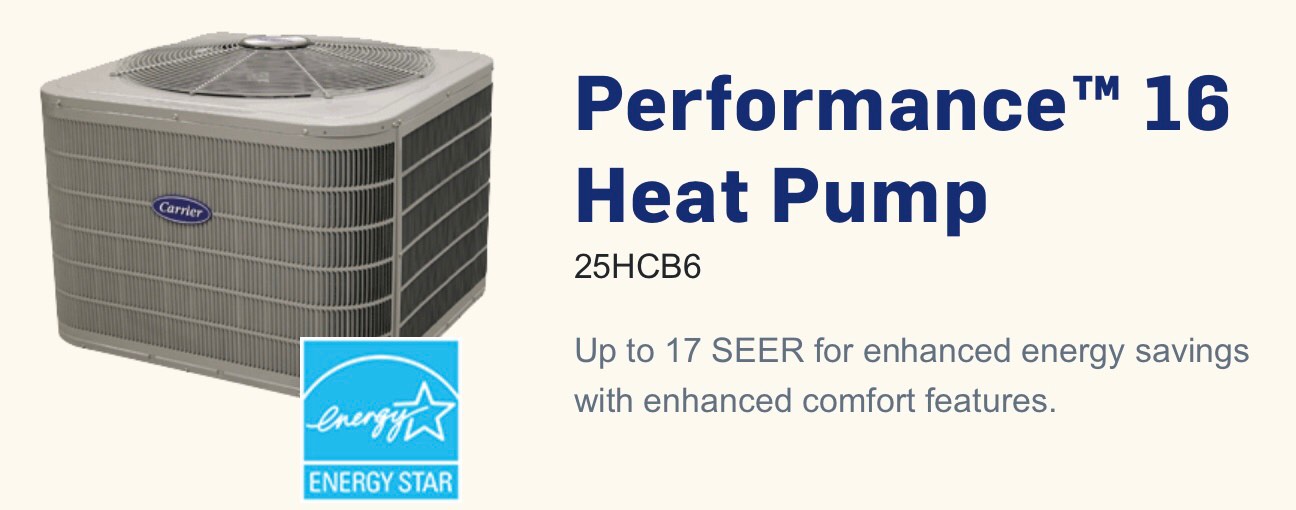
Carrier offers a range of air conditioner models with varying features and technologies. Higher-end models typically include features like variable-speed compressors, enhanced dehumidification capabilities, and smart home integration, all of which contribute to a higher price tag. For instance, Carrier's Performance and Comfort series offer excellent value, while the Infinity series represents their top-of-the-line offerings with premium features and efficiency.
Installation Costs
Installation is a significant part of the total cost. It includes labor, materials (refrigerant lines, electrical wiring, ductwork modifications), and permits. Installation costs can vary depending on the complexity of the job. For example, replacing an existing unit is usually less expensive than installing a completely new system in a home that has never had central air conditioning.
Dealer and Location
Pricing can vary between different Carrier dealers. It's always a good idea to get quotes from multiple contractors to compare prices and services. Your geographical location also plays a role, as labor costs and regional demand can influence pricing.
Refrigerant Type
The type of refrigerant used can affect the price. Older refrigerants like R-22 have been phased out due to environmental concerns. Current AC units use more environmentally friendly refrigerants like R-410A or R-32. The cost of the refrigerant itself, as well as the equipment required to handle it, can influence the overall price.
Additional Components
The price may also include additional components such as a new thermostat, air handler (for split systems), or ductwork modifications. Upgrading these components can improve the overall performance and efficiency of your system.
Estimating the Cost: What to Expect
While it's impossible to provide an exact price without a specific quote from a local Carrier dealer, here's a general estimate of what you can expect to pay for a Carrier 4-ton 16 SEER air conditioner, including installation:
Unit Only: $3,000 - $5,000 (depending on the model and features)
Installation: $1,500 - $4,000 (depending on the complexity of the job)
Total Estimated Cost: $4,500 - $9,000
These are estimates only. Always get multiple quotes from reputable HVAC contractors in your area for accurate pricing.
Breaking Down the Installation Costs
Let’s delve a little deeper into the factors influencing installation costs:
Complexity of the Installation
- Replacing an existing unit: This is generally the least expensive type of installation, as the existing ductwork and electrical connections are already in place.
- New installation in an existing home: This is more complex and costly, as it may require running new ductwork, electrical wiring, and refrigerant lines.
- New construction: Installation during new construction is often less expensive than retrofitting an existing home, as the HVAC system can be integrated into the building design from the outset.
Ductwork
The condition of your existing ductwork can significantly impact installation costs. If your ductwork is old, leaky, or improperly sized, it may need to be repaired or replaced. Leaky ductwork can reduce the efficiency of your AC system by as much as 20-30%. Ductwork modifications or replacement can add a significant cost to the overall project.
Electrical Work
Your home's electrical system must be able to handle the electrical load of the new AC unit. If your electrical panel is outdated or doesn't have enough capacity, you may need to upgrade it. This can add several hundred dollars to the installation cost.
Permits and Inspections
Most municipalities require permits for HVAC installations. The cost of permits can vary depending on your location. The installation will also need to be inspected to ensure that it meets local building codes. Your HVAC contractor should handle the permit process for you.
Refrigerant Lines
The refrigerant lines connect the indoor unit (air handler) to the outdoor unit (condenser). These lines need to be properly sized and insulated to ensure optimal performance. If the existing refrigerant lines are damaged or not compatible with the new AC unit, they will need to be replaced.
Tips for Getting the Best Price
Here are some tips to help you get the best possible price on a Carrier 4-ton 16 SEER AC unit:
Get Multiple Quotes
Obtain quotes from at least three different HVAC contractors. This will give you a good sense of the average price in your area and allow you to compare services and warranties.
Ask About Rebates and Incentives
Check for available rebates and incentives from your local utility company, state government, or the federal government. Many utilities offer rebates for installing energy-efficient appliances like 16 SEER air conditioners. The Database of State Incentives for Renewables & Efficiency (DSIRE) is a good resource for finding rebates and incentives in your area.
Consider Off-Season Installation
HVAC contractors are typically less busy during the off-season (fall and winter). You may be able to negotiate a better price during these times.
Negotiate
Don't be afraid to negotiate with contractors. Once you have multiple quotes, you can use them to negotiate a lower price. Be sure to focus on the overall value, including the quality of the equipment, the contractor's experience, and the warranty offered.
Check Online Reviews and References
Before hiring a contractor, check their online reviews and ask for references. This will help you ensure that you are working with a reputable and qualified professional.
Understand the Warranty
Make sure you understand the warranty offered by Carrier and the HVAC contractor. A good warranty can provide peace of mind and protect you from unexpected repair costs.
Is a 16 SEER AC Unit Right for You?
Determining whether a 16 SEER AC unit is the right choice for you depends on several factors:
Climate
If you live in a hot climate with a long cooling season, a higher SEER rating can save you a significant amount of money on your energy bills over time. In milder climates, the energy savings may not be as substantial, and a lower SEER rating might be more cost-effective.
Usage
If you use your air conditioner frequently, a higher SEER rating is generally a good investment. If you only use your AC occasionally, the energy savings may not justify the higher upfront cost.
Upfront Cost vs. Long-Term Savings
Consider the upfront cost of the AC unit and the potential long-term energy savings. A higher SEER rating typically means a higher upfront cost, but it also means lower energy bills over the life of the unit. Calculate the payback period (the time it takes for the energy savings to offset the higher upfront cost) to help you make a decision.
Home Insulation and Air Sealing
Before investing in a new AC unit, make sure your home is properly insulated and air sealed. This will help reduce heat gain and loss, allowing your AC unit to operate more efficiently and potentially reducing the tonnage required.
Carrier Air Conditioner Series Overview
Carrier offers several series of air conditioners, each with different features and price points. Here’s a brief overview:
Infinity Series
This is Carrier’s top-of-the-line series, offering the highest efficiency and most advanced features, such as variable-speed compressors and smart home integration. These are the most expensive Carrier units.
Performance Series
This series offers a good balance of efficiency and affordability. It includes features like two-stage compressors and enhanced dehumidification. A good middle-ground option.
Comfort Series
This is Carrier’s entry-level series, offering basic cooling at an affordable price. These units typically have a single-stage compressor and fewer features.
Choosing the right series depends on your budget and your specific cooling needs.
By carefully considering these factors, you can make an informed decision about the best Carrier 4-ton 16 SEER AC unit for your home and budget.