Carrier 48tc Nomenclature
Understanding HVAC equipment nomenclature is a fundamental skill for anyone involved in the heating, ventilation, and air conditioning industry. Deciphering model numbers allows technicians, engineers, and even homeowners to quickly glean critical information about a unit's capabilities, specifications, and design. This article will dissect the Carrier 48TC nomenclature, providing a comprehensive guide for HVAC professionals and those looking to enter or advance in the field.
Decoding the Carrier 48TC: A Comprehensive Breakdown
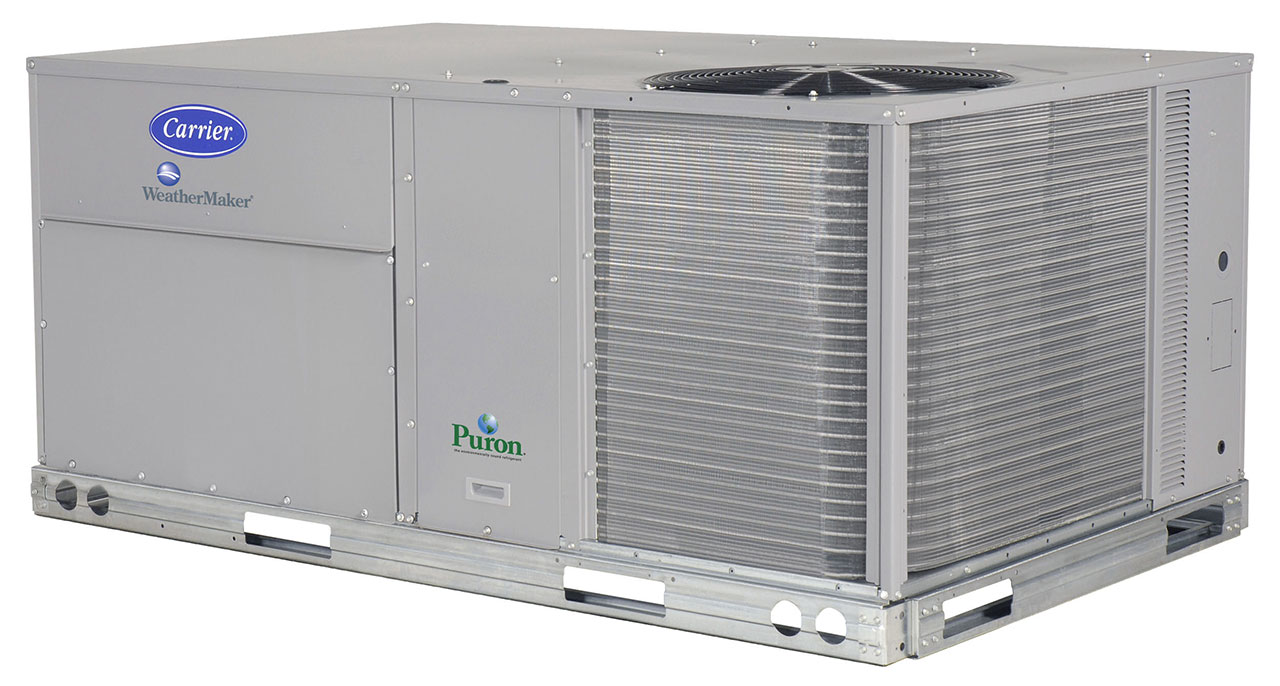
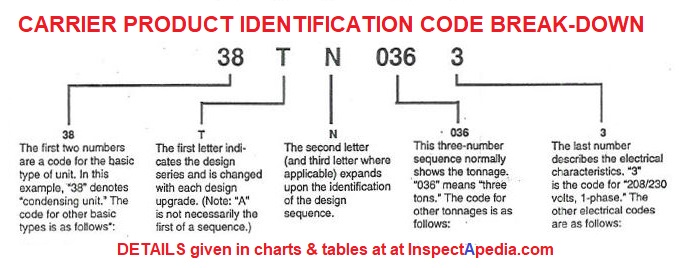
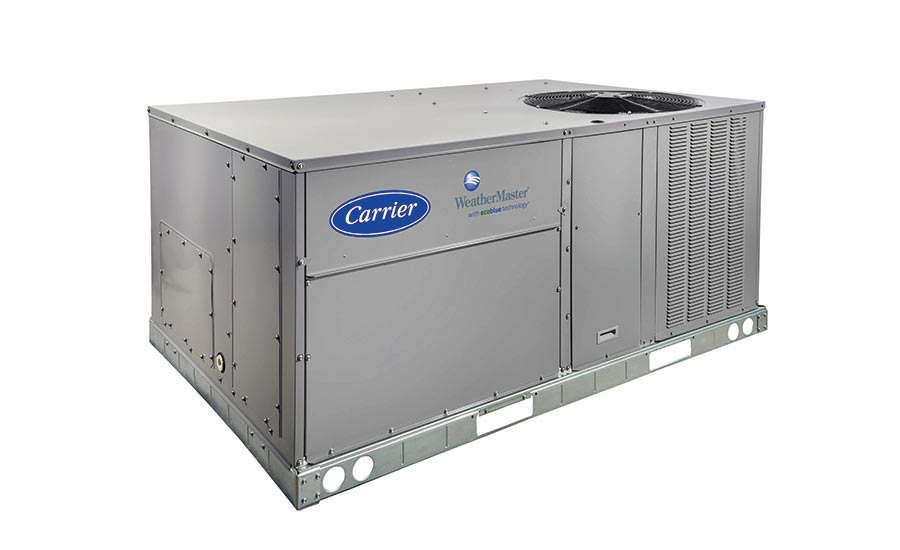
The Carrier 48TC is a popular model of packaged rooftop unit, commonly used in commercial applications. Each character in the model number reveals specific details about the unit. Let's break it down:
- 48: This designates the unit as a packaged rooftop unit within the Carrier product line. The "48" typically indicates a cooling and heating unit combination.
- T: Represents the unit's series. In this case, 'T' corresponds to a specific generation or revision of the rooftop unit, indicating design improvements or feature enhancements compared to previous series. Different series within Carrier often signify variations in efficiency, control systems, or construction materials.
- C: Denotes the energy efficiency level of the unit. The "C" often signifies a standard or baseline efficiency rating. Different letters can indicate higher or lower efficiency levels, impacting the unit's operating costs and environmental footprint. Understanding these ratings is vital when recommending or selecting units for energy-conscious clients.
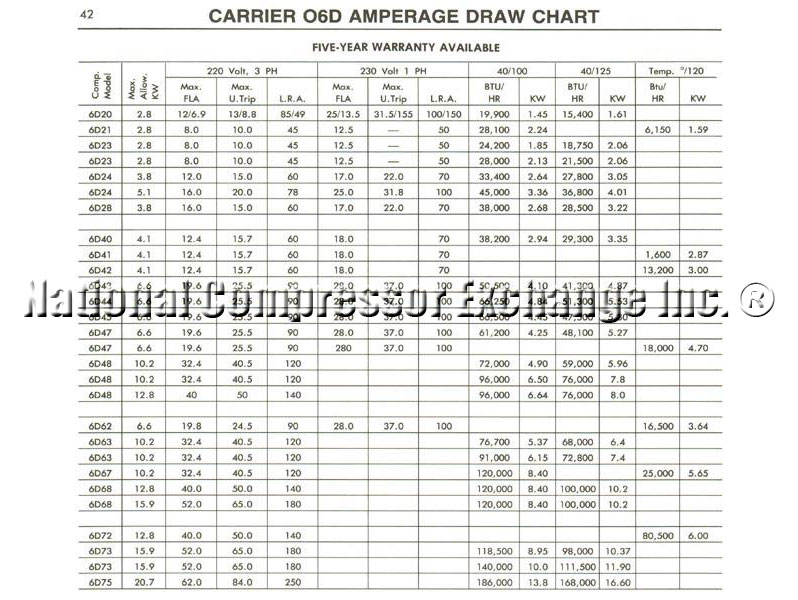
- Remaining Digits and Letters: The characters following "48TC" specify the unit's cooling capacity (in tons), heating capacity (BTUs), voltage, and other options like economizers, powered exhaust, or specific control systems. These digits will vary depending on the specific configuration and features of the rooftop unit. For example, 48TC012 would indicate a significantly smaller cooling capacity than a 48TC120. Consult the Carrier product data sheets for the precise meaning of each suffix in relation to specific models.
The Importance of Nomenclature in the HVAC Industry
Accurate interpretation of model numbers directly impacts various aspects of HVAC work:
- Proper Sizing and Selection: Understanding the capacity ratings helps in selecting the right unit size for a specific building's heating and cooling needs.
- Troubleshooting and Repair: Knowing the unit's specifications aids in diagnosing problems and sourcing the correct replacement parts.
- Installation and Commissioning: Accurate information about voltage, airflow, and control systems is critical for proper installation and startup.
- Energy Efficiency Analysis: Deciphering the efficiency ratings allows for informed decisions about energy consumption and potential cost savings.
HVAC Careers: A Booming Industry
The HVAC industry is experiencing robust growth, driven by factors like increasing construction activity, stricter energy efficiency standards, and the growing demand for indoor air quality solutions. The Bureau of Labor Statistics projects a 6% growth in employment for HVAC technicians from 2022 to 2032, about as fast as the average for all occupations. Approximately 38,000 openings for HVAC mechanics and installers are projected each year, on average, over the decade.
Salary Expectations
Salaries for HVAC professionals vary depending on experience, location, and specialization. The median annual wage for HVAC mechanics and installers was $59,620 in May 2023. The lowest 10 percent earned less than $36,870, and the highest 10 percent earned more than $87,610.
Highly skilled technicians with specialized knowledge, like expertise in commercial refrigeration or building automation systems, can command higher salaries. Furthermore, holding certifications like NATE (North American Technician Excellence) can significantly increase earning potential.
Career Paths in HVAC
The HVAC industry offers diverse career paths, from entry-level positions to advanced engineering roles. Here are a few examples:
- HVAC Technician: Installs, maintains, and repairs heating, ventilation, and air conditioning systems.
- HVAC Installer: Focuses on the installation of new HVAC systems, ensuring proper connections and functionality.
- HVAC Service Technician: Specializes in diagnosing and repairing malfunctioning HVAC equipment.
- HVAC Design Engineer: Designs and develops HVAC systems for residential, commercial, and industrial buildings.
- HVAC Sales Engineer: Sells HVAC equipment and services to clients, often requiring a strong technical understanding.
- Building Automation Systems (BAS) Specialist: Programs and maintains building automation systems that control HVAC and other building functions.
Essential Certifications for HVAC Professionals
Earning relevant certifications demonstrates competency and enhances career prospects. Here are some key certifications:
- EPA Section 608 Certification: Required by law for technicians who handle refrigerants. This certification ensures proper handling and disposal of refrigerants to protect the environment. There are different types of EPA 608 certifications, depending on the type of equipment the technician works on (Type I, Type II, Type III, and Universal).
- NATE Certification: A highly respected industry credential that validates a technician's knowledge and skills. NATE offers certifications in various HVAC specialties, such as air conditioning, heating, and refrigeration. Employers often prefer to hire NATE-certified technicians.
- HVAC Excellence Certification: Another recognized certification program that assesses competency in HVAC-related areas.
- Manufacturer-Specific Certifications: Many manufacturers, including Carrier, offer training programs and certifications on their specific equipment. These certifications demonstrate expertise in working with specific brands and models.
Continuing education is crucial in the HVAC field. New technologies and regulations are constantly emerging, so technicians need to stay up-to-date to maintain their skills and certifications.
The Employer's Perspective: Hiring Skilled HVAC Technicians
For employers in the HVAC industry, hiring skilled and knowledgeable technicians is paramount. A well-trained workforce ensures quality installations, efficient repairs, and satisfied customers. Here's what employers typically look for:
- Technical Skills: A strong understanding of HVAC principles, equipment, and troubleshooting techniques. Demonstrated ability to interpret equipment schematics and use diagnostic tools.
- Certifications: EPA 608, NATE, and other relevant certifications are highly valued.
- Experience: Prior experience in the field is often preferred, especially for senior-level positions.
- Problem-Solving Skills: The ability to diagnose complex problems and develop effective solutions.
- Communication Skills: The ability to communicate clearly with customers and colleagues.
- Professionalism: A commitment to quality workmanship and customer satisfaction.
Many employers invest in training programs and apprenticeships to develop their workforce.
"Investing in our employees' training is essential to providing top-notch service," says John Smith, owner of a large HVAC company. "We look for individuals who are eager to learn and grow in their careers."
Conclusion: Mastering HVAC Nomenclature for Career Success
A thorough understanding of HVAC equipment nomenclature, such as the Carrier 48TC, is a critical skill for success in the HVAC industry. Whether you're a student, a seasoned technician, or an employer, mastering these fundamentals will enhance your knowledge, improve your performance, and advance your career.
By staying current with industry trends, pursuing relevant certifications, and continuously expanding your knowledge, you can thrive in this dynamic and rewarding field. The HVAC industry offers excellent career opportunities for those who are dedicated to providing comfort, efficiency, and sustainability to buildings and communities.