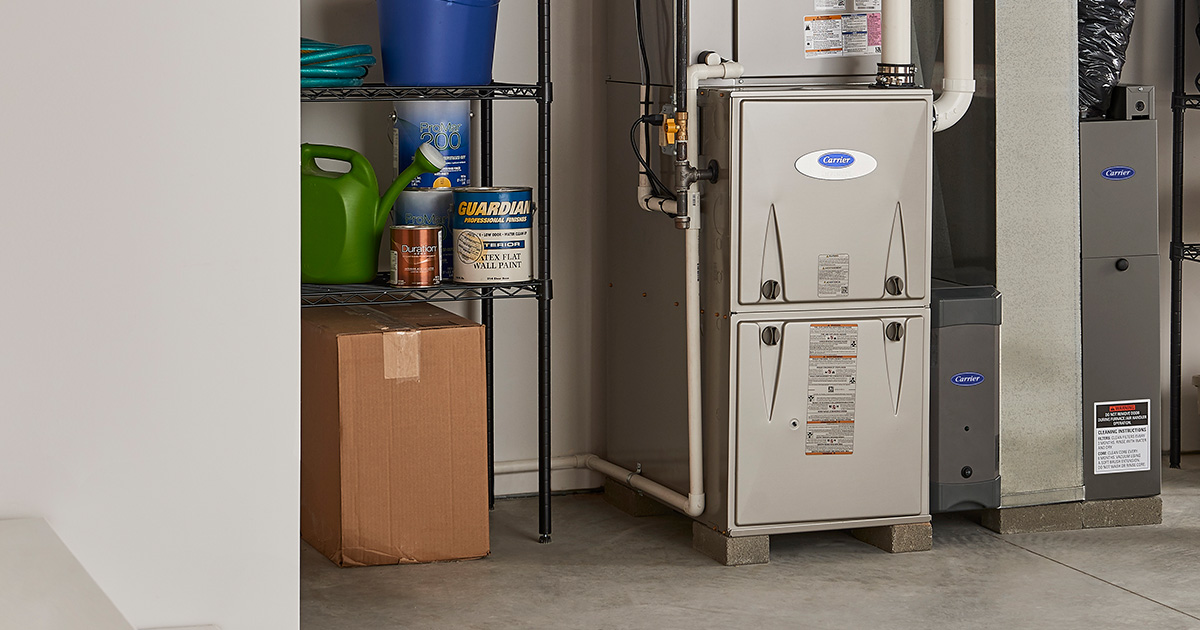
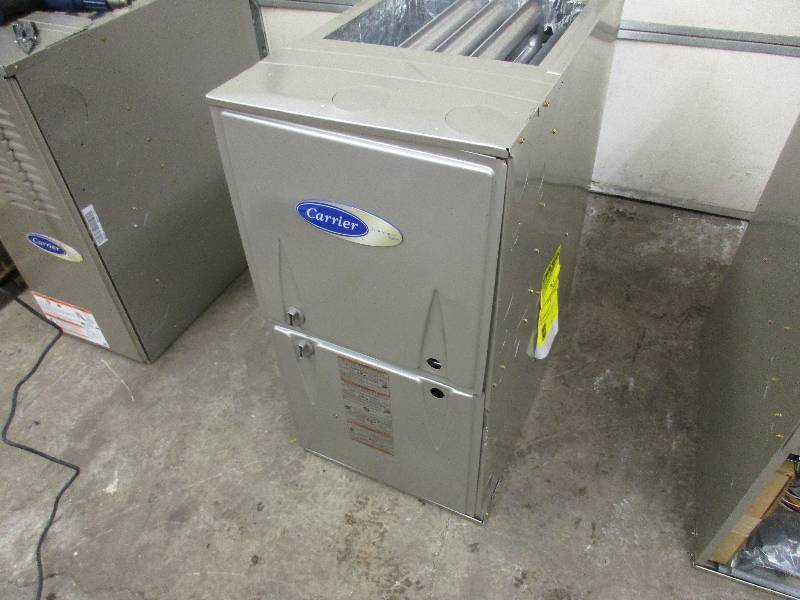
Carrier 58 Series Furnace

Frequently Asked Questions About Your Carrier 58 Series Furnace
The Carrier 58 series furnace is a popular choice for homeowners and businesses alike due to its reliability and efficiency. This FAQ addresses common questions about its operation, maintenance, and troubleshooting.
Q1: What type of furnace is the Carrier 58 series? Is it an efficient model?
The Carrier 58 series furnace is a mid-efficiency furnace, meaning it's designed to convert a significant portion of the fuel it consumes into usable heat, but it's not at the highest efficiency levels of newer models. Typically, they have an Annual Fuel Utilization Efficiency (AFUE) rating ranging from 80% to 83%. This means that for every dollar spent on fuel, 80-83 cents are used to heat your home, and the remaining 17-20 cents are lost, primarily through the exhaust vent.
While considered reliable, keep in mind that newer high-efficiency models can achieve AFUE ratings of 90% or higher, which translates to greater energy savings over time. Deciding between repair and replacement often hinges on the overall age and condition of your furnace and the potential long-term savings of upgrading to a more efficient model.
Q2: How often should I schedule maintenance for my Carrier 58 series furnace? What's involved?
It is highly recommended that you schedule professional maintenance for your Carrier 58 series furnace at least once a year, ideally before the heating season begins. Regular maintenance helps ensure optimal performance, extends the lifespan of the unit, and prevents potential problems that could lead to costly repairs. A well-maintained furnace also operates more efficiently, saving you money on energy bills.
A typical maintenance appointment usually includes the following:
- Inspection: A thorough inspection of all furnace components, including the burner, heat exchanger, blower motor, and electrical connections.
- Cleaning: Cleaning of the burner assembly, blower motor, and other components to remove dust, dirt, and debris. This improves airflow and heat transfer.
- Lubrication: Lubrication of moving parts, such as the blower motor bearings, to reduce friction and prevent wear.
- Testing: Testing of safety controls, such as the gas valve, flame sensor, and limit switches, to ensure they are functioning properly.
- Carbon Monoxide Check: Ensure no carbon monoxide is leaking from the unit.
- Filter Replacement: Replacing the air filter. A dirty air filter restricts airflow and can significantly reduce efficiency and potentially damage the furnace.
- Flue Inspection: Making sure the flue is free from blockages, and is venting correctly.
- Adjustment: Making any necessary adjustments to the gas pressure, burner settings, and other components to optimize performance.
Consider signing up for a maintenance plan with a qualified HVAC technician. These plans often include priority service, discounts on repairs, and other benefits.
Q3: What are some common problems that occur with Carrier 58 series furnaces, and how can I troubleshoot them?
While generally reliable, Carrier 58 series furnaces can experience issues over time. Here are some common problems and basic troubleshooting steps:
- Furnace Won't Turn On:
- Check the thermostat: Ensure the thermostat is set to "heat" and the temperature is set higher than the current room temperature. Also, check the thermostat batteries.
- Check the circuit breaker: Make sure the circuit breaker for the furnace is not tripped. Reset it if necessary.
- Check the power switch: Verify that the furnace power switch (usually located on the side of the unit) is turned on.
- Check the gas valve: Confirm that the gas valve is open.
- Check the flame sensor: A dirty flame sensor can prevent the furnace from staying lit. (This may require professional assistance to clean properly).
- Furnace Turns On But Doesn't Produce Heat:
- Check the air filter: A clogged air filter can restrict airflow and cause the furnace to overheat and shut down. Replace the filter if it's dirty.
- Check the gas supply: Make sure you have gas supplied to your home (check other gas appliances).
- Check the pilot light (if applicable): Some older Carrier 58 series models have a pilot light that needs to be lit. Refer to your owner's manual for instructions.
- Furnace is Making Strange Noises:
- Blower motor: A squealing or grinding noise could indicate a problem with the blower motor.
- Burner: A popping or banging noise could indicate a problem with the burner.
- Ductwork: Rattling noises might mean loose ductwork.
Any unusual or loud noises should be checked out by a professional HVAC technician.
- Short Cycling (Furnace Turns On and Off Frequently):
- Dirty air filter: Again, a dirty filter is a prime suspect.
- Oversized furnace: The furnace may be too large for your home's heating needs.
- Faulty thermostat: A malfunctioning thermostat can cause short cycling.
Important Safety Note: If you suspect a gas leak, immediately evacuate your home and call your local gas company or emergency services. Do not attempt to repair gas lines yourself.
Warning: Always turn off the power to the furnace at the circuit breaker before attempting any troubleshooting or maintenance.
Q4: How often should I replace the air filter in my Carrier 58 series furnace, and what type of filter should I use?
The frequency of air filter replacement depends on several factors, including the type of filter, the presence of pets, and the amount of dust in your home. However, as a general guideline:
- Standard 1-inch fiberglass filters: Replace every 1-3 months.
- Pleated filters: Replace every 3-6 months.
- High-efficiency particulate air (HEPA) filters: Replace every 6-12 months.
Check your filter monthly, especially during periods of heavy use. If the filter looks dirty, replace it immediately. A dirty air filter restricts airflow, reduces furnace efficiency, and can lead to overheating and damage to the unit. For filters, MERV ratings are also important. MERV stands for Minimum Efficiency Reporting Value. It ranges from 1-20, with higher numbers meaning better filtration of small particles.
- MERV 1-4: Basic filtration, removes large particles like dust and pollen.
- MERV 5-8: Removes more small particles like mold spores. Good for most homes.
- MERV 9-12: Captures even smaller particles like pet dander and smog.
- MERV 13-16: Filters bacteria and viruses. For allergy sufferers and medical facilities.
Refer to your owner's manual or the furnace label for the recommended filter size and type. Using the wrong size or type of filter can damage the furnace.
Q5: What is the expected lifespan of a Carrier 58 series furnace? When should I consider replacing it instead of repairing it?
The typical lifespan of a Carrier 58 series furnace is 15-20 years with proper maintenance. However, several factors can affect its lifespan, including the quality of installation, the frequency of use, and the severity of weather conditions.
Consider replacing your furnace instead of repairing it if:
- The furnace is 15 years or older: As furnaces age, they become less efficient and more prone to breakdowns.
- Repair costs are high: If the cost of repairing the furnace is more than half the cost of a new furnace, replacement is usually the better option.
- Energy bills are increasing: A decline in efficiency can lead to higher energy bills.
- The furnace is experiencing frequent breakdowns: Constant repairs are a sign that the furnace is nearing the end of its lifespan.
- You want to improve energy efficiency: Newer high-efficiency furnaces can save you a significant amount of money on energy bills over time.
- You want to improve indoor air quality: Newer furnaces often come with advanced air filtration systems that can improve indoor air quality.
Weigh the costs of repair versus replacement carefully, considering the long-term benefits of a new, more efficient furnace. A qualified HVAC technician can help you assess the condition of your furnace and determine the best course of action.
Q6: How do I find the model number of my Carrier 58 series furnace? Where is it located?
Finding the model number of your Carrier 58 series furnace is crucial for ordering replacement parts, troubleshooting problems, and accessing specific product information. The model number is typically located on a rating plate or sticker attached to the furnace cabinet. Common locations include:
- Inside the blower compartment: This is the most common location. You may need to remove an access panel to view the rating plate. Be sure to turn off the power to the furnace before removing any panels.
- On the side of the furnace cabinet: Look for a sticker or plate near the top or bottom of the cabinet.
- On the inside of the access door: Sometimes the rating plate is located on the inside of the door that covers the burner compartment.
The model number is usually a combination of letters and numbers. For example, a typical Carrier 58 series model number might look like "58STA070-121120." Record the entire model number, as it will be necessary for identifying the correct parts and information for your specific furnace.
Q7: What safety features are built into a Carrier 58 series furnace?
The Carrier 58 series furnace incorporates several important safety features to protect your home and family:
- Flame Sensor: This sensor detects the presence of a flame in the burner. If the flame is not detected, the sensor shuts off the gas supply to prevent a gas buildup.
- Limit Switches: These switches monitor the temperature inside the furnace. If the furnace overheats, the limit switches shut off the gas supply to prevent damage to the unit and a potential fire hazard.
- Rollout Switch: Located near the burner, the rollout switch shuts off the gas supply if the flames roll out of the burner compartment, indicating a potential problem.
- Pressure Switch: This switch monitors the exhaust pressure. If the exhaust is blocked, the pressure switch shuts off the furnace to prevent carbon monoxide buildup.
- Gas Valve: The gas valve controls the flow of gas to the burner. It is designed to shut off automatically if the furnace malfunctions.
- Overcurrent Protection: Circuit breakers or fuses protect the electrical components of the furnace from overcurrents, preventing electrical fires.
Regular maintenance and inspection of these safety features are essential for ensuring the safe operation of your Carrier 58 series furnace. If you suspect any problems with the safety controls, contact a qualified HVAC technician immediately.