Carrier Ahu Model Number
Navigating the world of HVAC systems can feel like deciphering a secret code. When it comes to optimizing energy efficiency and slashing utility bills, understanding your Air Handling Unit (AHU) model number is a crucial first step. This guide demystifies Carrier AHU model numbers, revealing how to unlock valuable insights into your system’s performance, energy-saving potential, and smart home integration capabilities.
Decoding Carrier AHU Model Numbers: A Comprehensive Guide
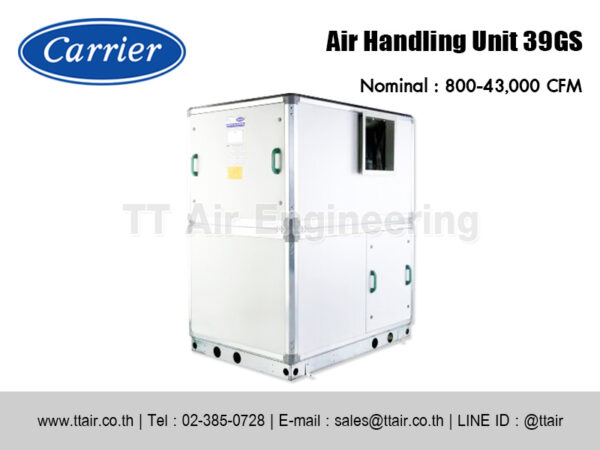
A Carrier AHU model number isn't just a random string of letters and numbers; it's a blueprint of your unit's capabilities. Understanding this blueprint is paramount for homeowners, businesses, and HVAC professionals aiming to maximize energy savings and system performance. While the exact structure can vary slightly depending on the series and year of manufacture, here's a general breakdown of what each segment typically reveals:
Understanding the Standard Format
Let's break down a hypothetical, yet representative, Carrier AHU model number: FB4CNP036.
- FB4: Typically designates the type of unit. "FB" often signifies a fan coil unit. Other prefixes might indicate different AHU types like cabinet units or specific series designations.
- C: Represents a specific series or generation within the fan coil unit line. Each series may offer improvements in efficiency, features, or compatibility.
- NP: This section often indicates the motor type. For example, "NP" might signify a non-programmable ECM (Electronically Commutated Motor). Knowing the motor type is critical because ECMs are significantly more energy-efficient than older PSC (Permanent Split Capacitor) motors.
- 036: This number usually corresponds to the unit's cooling capacity in thousands of BTUs. In this case, "036" would suggest a 36,000 BTU (3-ton) cooling capacity.
It’s important to remember that Carrier offers a wide range of AHUs catering to various needs. So, while this example provides a general understanding, it’s best to consult the specific product documentation or Carrier’s official website to decode the exact meaning of each character in *your* AHU's model number.
Beyond the Basics: Deciphering Sub-Models and Features
Sometimes, the model number includes suffixes or additional characters that specify additional features or sub-models. These could indicate:
- Voltage: Some model numbers might include a code representing the voltage requirement (e.g., 115V, 208-230V, 460V).
- Coil Type: Letters might designate the type of coil used (e.g., copper, aluminum, with or without coating).
- Cabinet Material: The model number could also provide information about the cabinet's construction (e.g., galvanized steel, stainless steel).
- Factory-Installed Options: Some AHUs come with factory-installed options like electric heat strips or specialized filters. These features may also be reflected in the model number or a related product code.
Accessing the manufacturer's specifications for *your specific model number* is the most accurate method to identify these details.
Why Knowing Your Carrier AHU Model Number Matters
Understanding your Carrier AHU model number is more than just trivia; it's a key to unlocking significant energy savings and improving your home's comfort. Here's why:
Energy Efficiency Identification
The model number helps identify the unit's SEER (Seasonal Energy Efficiency Ratio) and EER (Energy Efficiency Ratio) ratings. Higher SEER and EER values translate to greater energy efficiency and lower utility bills. For example, upgrading from an older unit with a SEER of 10 to a newer, Energy Star-certified unit with a SEER of 16 or higher can significantly reduce your cooling costs. According to the EPA, Energy Star certified HVAC systems can reduce energy consumption by up to 15%.
Ensuring Compatibility
When replacing parts or upgrading your system, the model number ensures compatibility. This is crucial for matching components like filters, motors, and coils. Using incompatible parts can reduce efficiency, damage the system, and void warranties.
Claiming Rebates and Incentives
Many utility companies and government agencies offer rebates and incentives for installing energy-efficient HVAC systems. The AHU model number is required to verify eligibility for these programs. Check the Energy Star website and your local utility provider’s website for available rebates.
Optimizing Performance
Knowing the AHU's specifications allows HVAC professionals to optimize its performance. This includes properly sizing the unit, setting the correct airflow, and configuring the system for maximum efficiency. Accurate sizing is crucial; an undersized unit will struggle to cool or heat your home, while an oversized unit can lead to short cycling and reduced efficiency. A Manual J load calculation can help determine the correct size AHU for your home.
Smart Home Integration and Carrier AHUs
Modern Carrier AHUs can be seamlessly integrated into smart home ecosystems, providing enhanced control and energy management. Here's how understanding your model number plays a role:
Smart Thermostat Compatibility
Smart thermostats like Nest, Ecobee, and Honeywell offer advanced features like remote control, learning capabilities, and energy monitoring. However, not all thermostats are compatible with all AHUs. The AHU model number allows you to verify compatibility with your chosen smart thermostat, ensuring proper operation and access to all features. Carrier's *Infinity* series, for example, is designed for seamless integration with the Infinity smart thermostat, offering features like zoning and energy reporting.
Zoning Systems
Zoning systems divide your home into different temperature zones, allowing you to heat or cool only the areas you're using. This can significantly reduce energy waste. The AHU model number helps determine if the unit is compatible with zoning systems and which types of zoning controllers are supported. Look for AHUs with variable-speed blowers for optimal zoning performance.
Advanced Sensors and Monitoring
Smart sensors can monitor temperature, humidity, and air quality throughout your home, providing valuable data for optimizing HVAC performance. Some Carrier AHUs are equipped with built-in sensors that integrate with smart home platforms, allowing you to track energy consumption, identify potential problems, and automatically adjust settings for maximum efficiency. The *Carrier Côr* thermostat, for example, offers integration with various smart home platforms and provides detailed energy reports.
Leveraging Carrier AHU Technology for Maximum Savings
Beyond smart home integration, several Carrier AHU technologies contribute to enhanced energy efficiency:
Variable-Speed Motors (ECMs)
As mentioned earlier, ECMs are significantly more efficient than traditional PSC motors. ECMs can adjust their speed based on the heating or cooling demand, providing precise airflow control and reducing energy consumption. Look for AHUs with ECMs for substantial energy savings.
Multi-Stage Heating and Cooling
Multi-stage systems can operate at different output levels depending on the demand. This allows the system to run at a lower, more efficient setting most of the time, only ramping up to higher output when needed. This reduces energy waste and provides more consistent comfort.
Advanced Filtration
High-efficiency filters can remove more dust, pollen, and other allergens from the air, improving indoor air quality and reducing the strain on the HVAC system. Look for AHUs with MERV (Minimum Efficiency Reporting Value) ratings of 13 or higher for optimal filtration.
Finding Your Carrier AHU Model Number
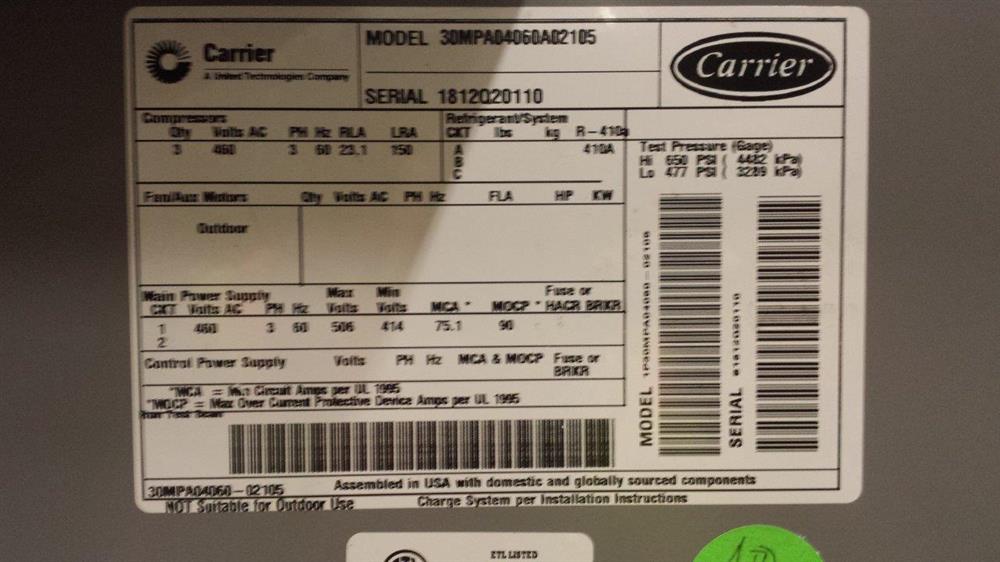
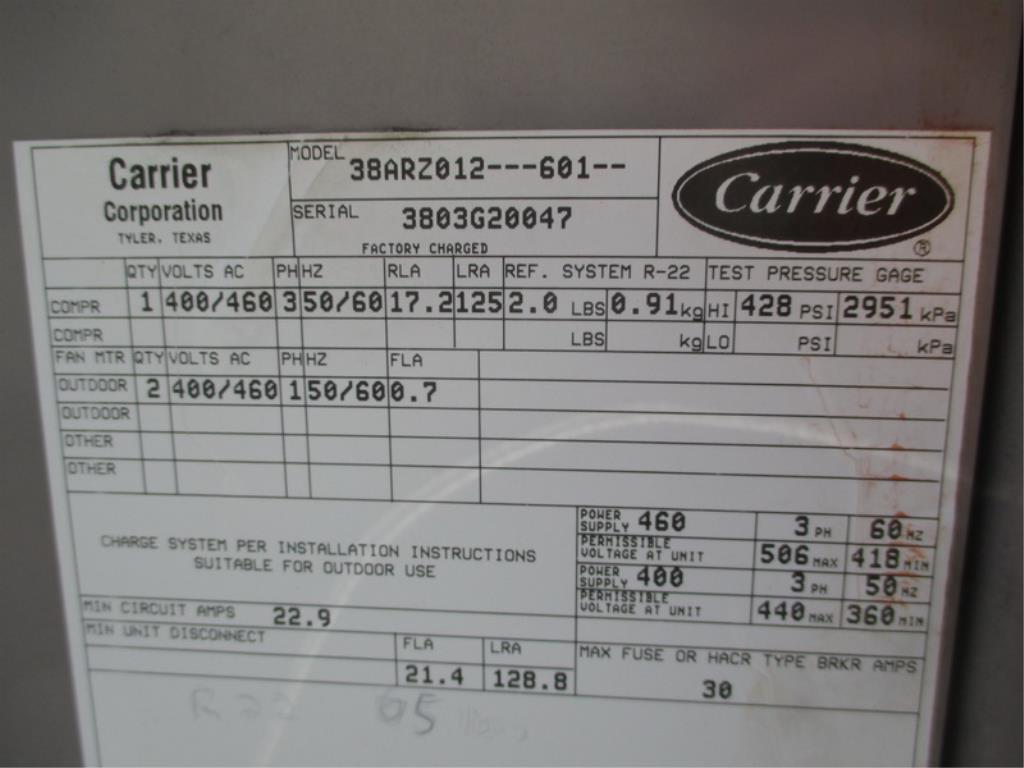
The Carrier AHU model number is typically located on a nameplate affixed to the unit itself. The nameplate is usually found on the exterior of the unit, often near the access panel. If you cannot locate the nameplate, consult your homeowner's manual or contact a qualified HVAC technician for assistance.
Working with HVAC Professionals
While understanding your Carrier AHU model number empowers you to make informed decisions, it's always best to consult with a qualified HVAC professional for installation, maintenance, and repairs. A professional can assess your specific needs, recommend the most efficient solutions, and ensure proper system operation.
"Investing in a high-efficiency HVAC system is an investment in your home's comfort, energy savings, and long-term value."
By understanding your Carrier AHU model number and leveraging available technologies, you can significantly reduce your energy consumption, improve your home's comfort, and contribute to a more sustainable future. Don't forget to check for available rebates and incentives, and always consult with a qualified HVAC professional to ensure optimal system performance.