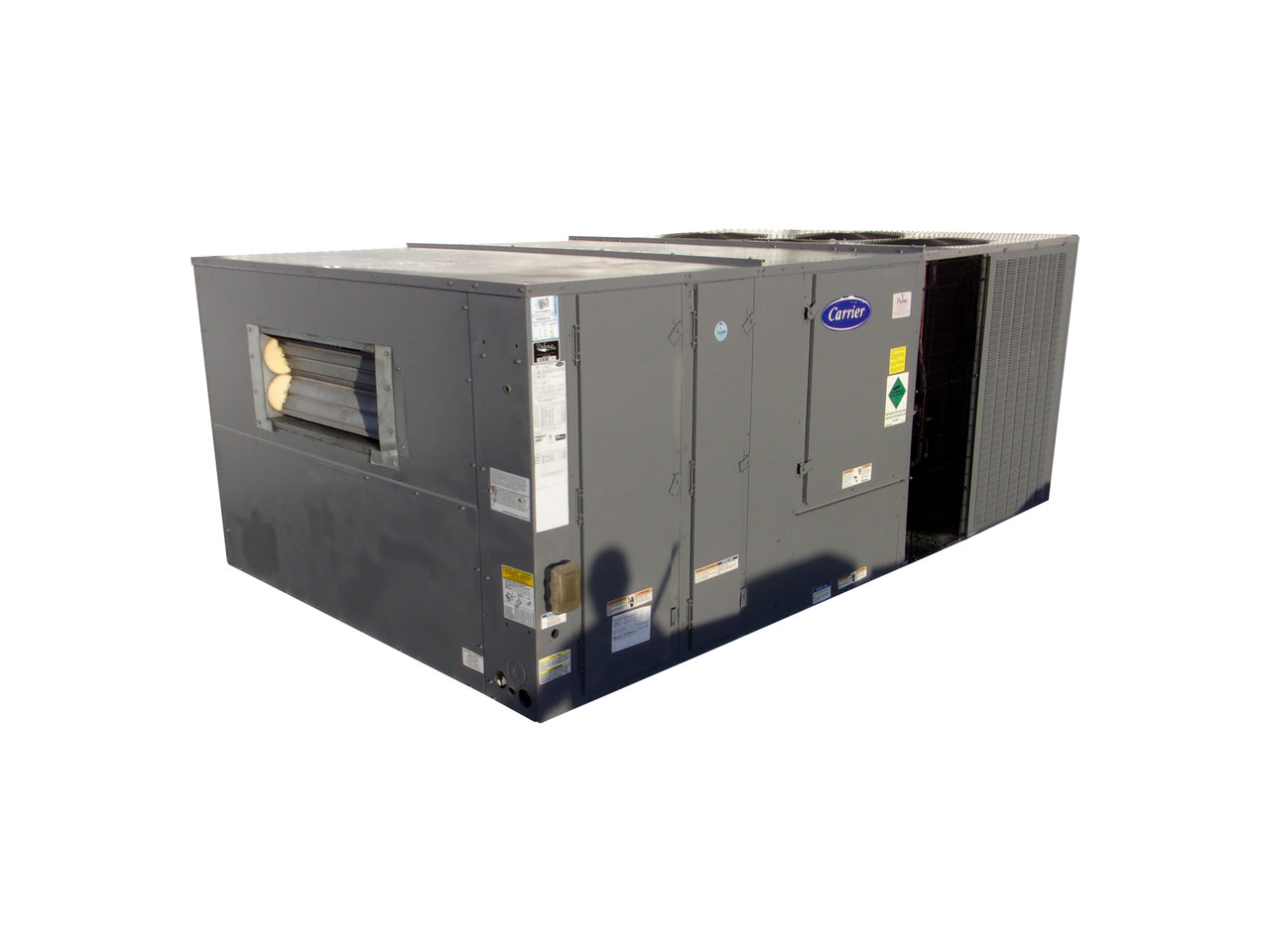
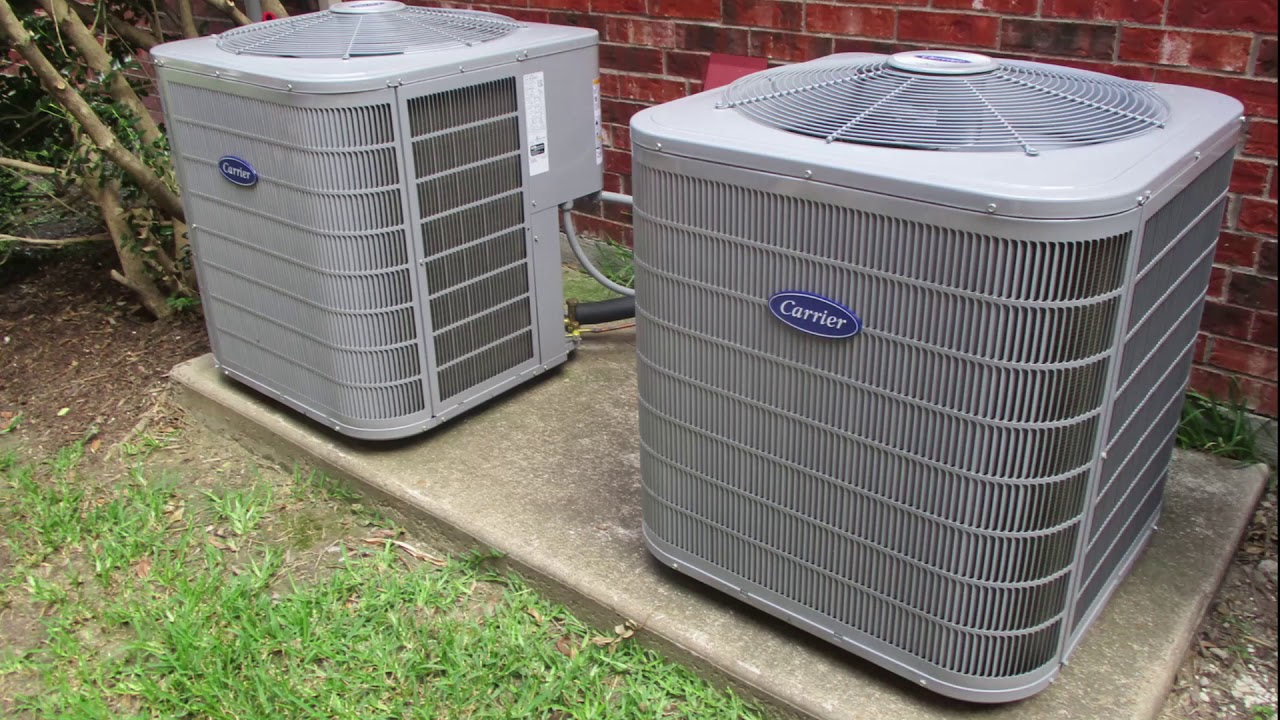
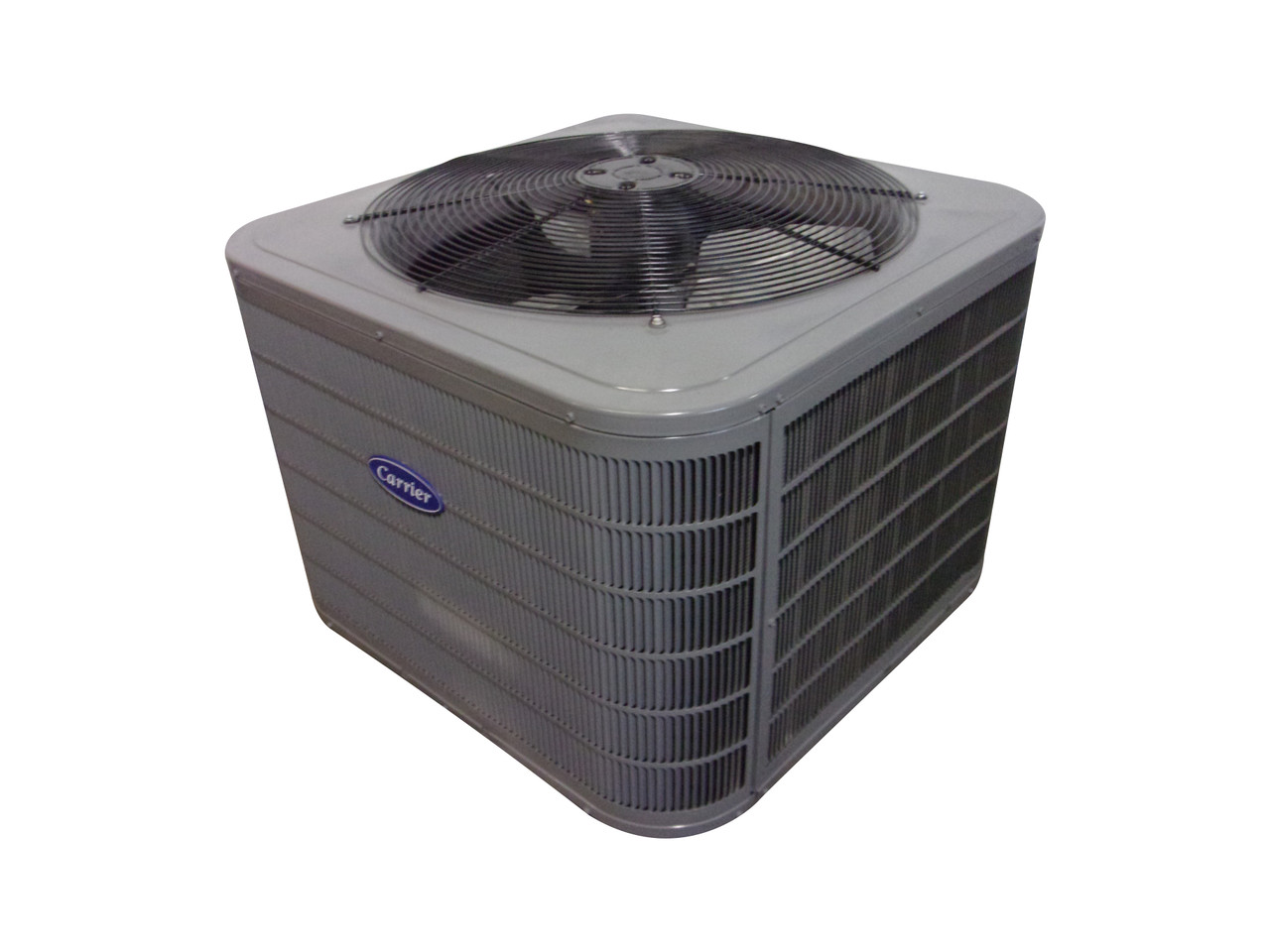
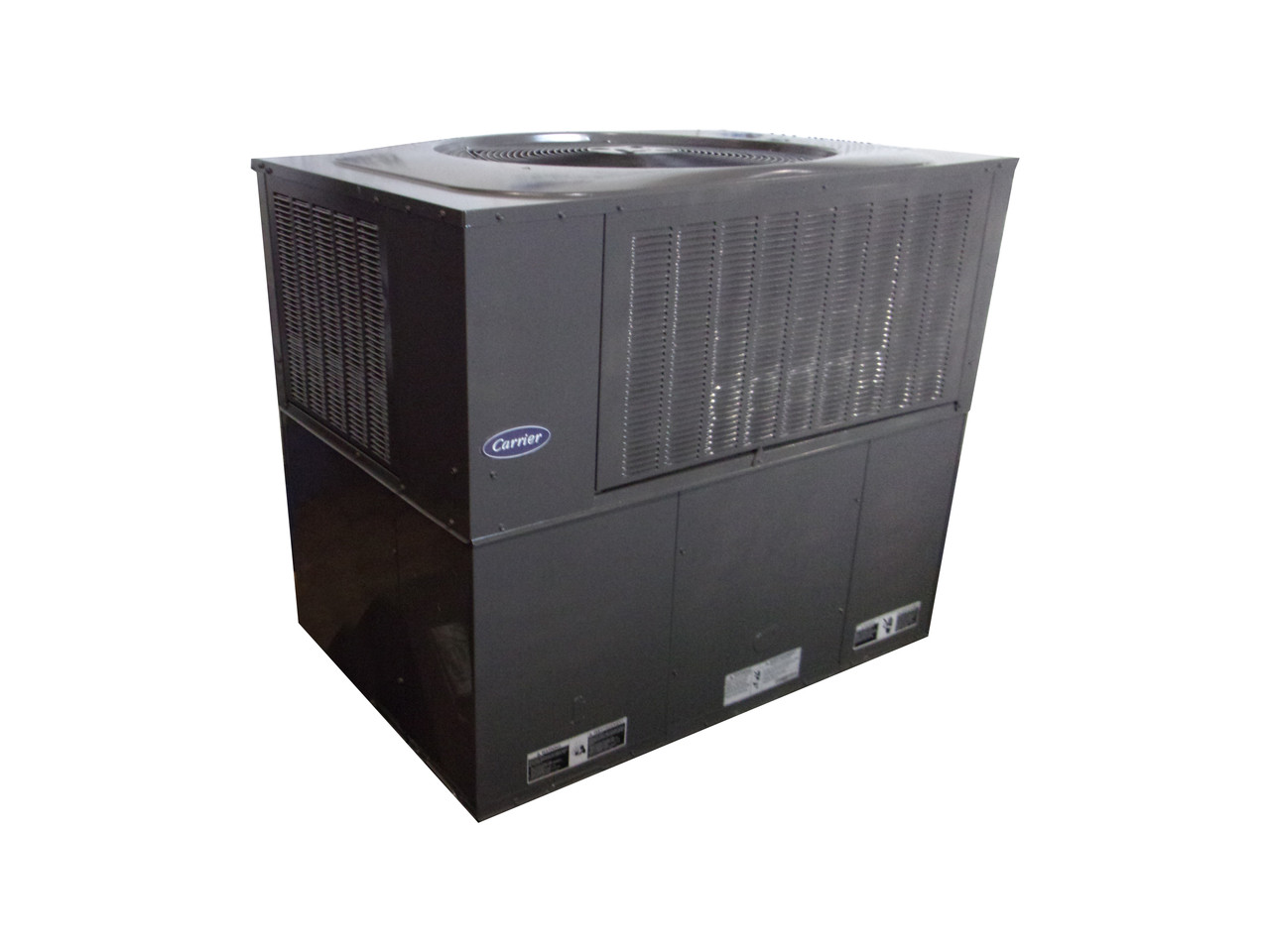
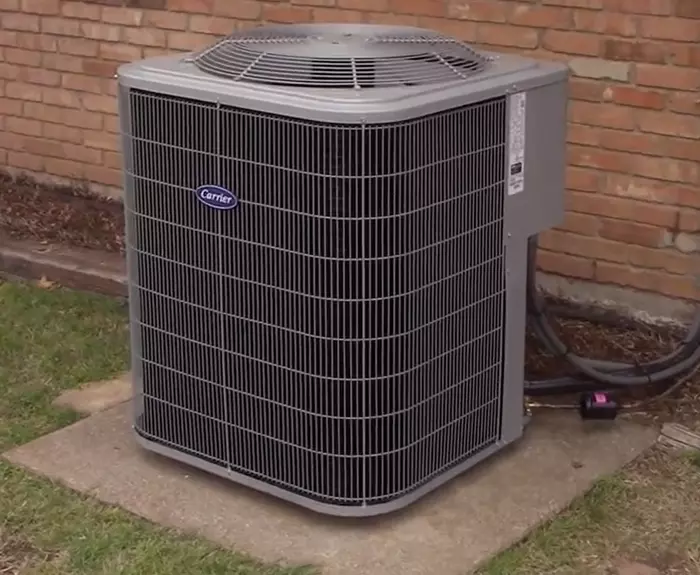
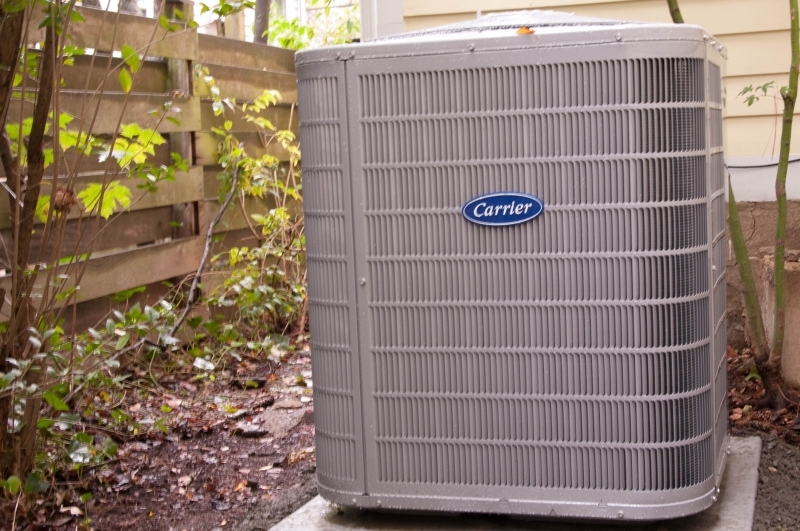
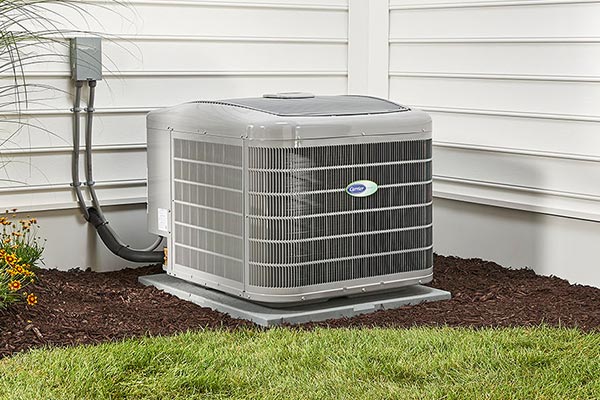
Carrier Central Air Unit
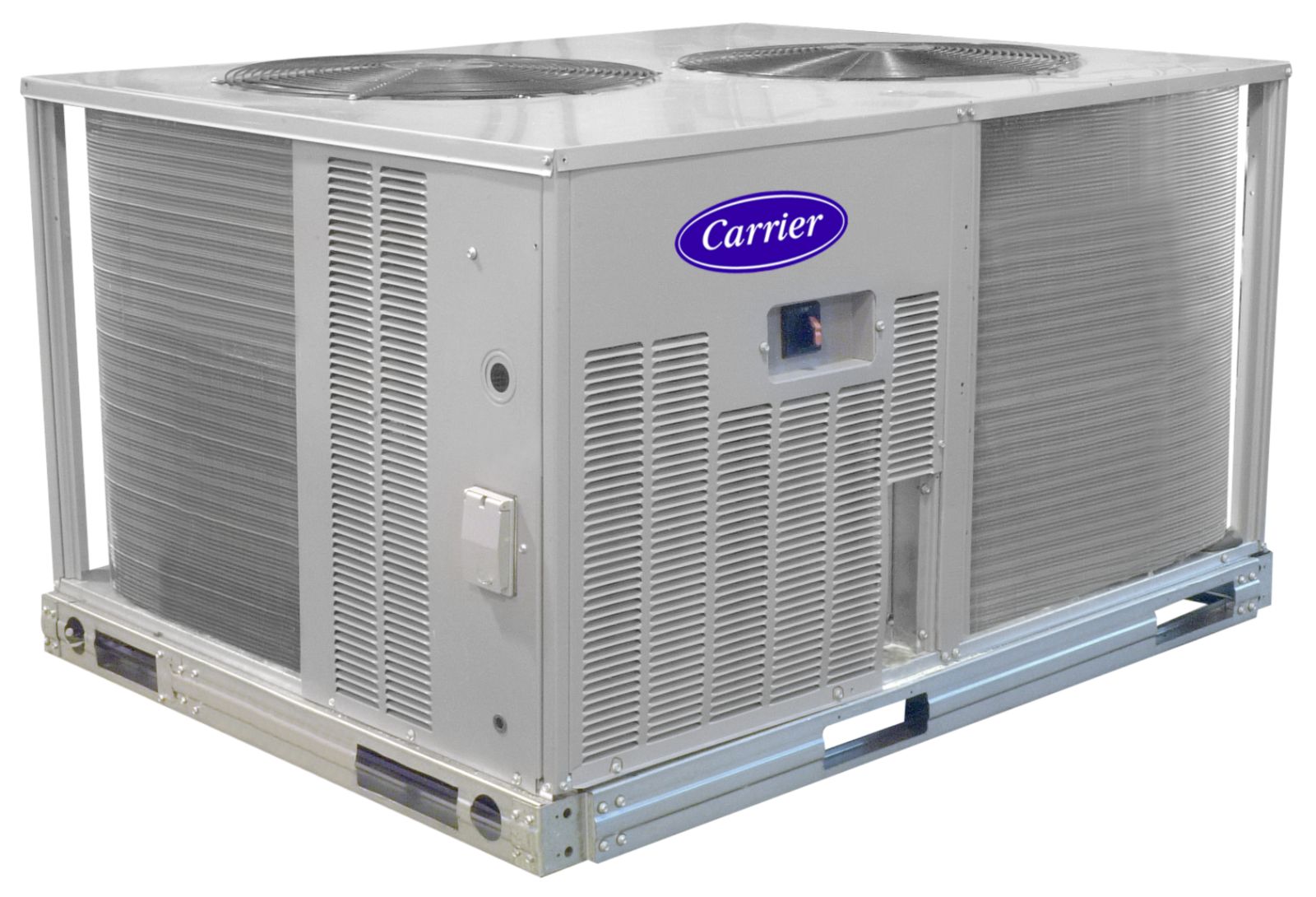
Central air conditioning is a significant energy consumer, especially during peak summer months. Choosing the right system can dramatically impact your energy bills and your carbon footprint. Among the leading manufacturers, Carrier stands out with a reputation for innovation, efficiency, and reliability. This article dives into the world of Carrier central air units, exploring their technology, energy-saving features, smart home integration, and how to determine if a Carrier system is the right choice for your home or business.
Understanding Carrier's Energy-Efficient Technology
Carrier has been a pioneer in air conditioning technology for over a century, and their commitment to energy efficiency is evident in their current product lineup. Several key technologies contribute to the efficiency of their central air units:
SEER Ratings: The Key to Energy Savings
The Seasonal Energy Efficiency Ratio (SEER) rating is a crucial metric for evaluating the energy efficiency of an air conditioner. It represents the cooling output during a typical cooling season divided by the total electric energy input during the same period. Higher SEER ratings indicate greater energy efficiency. Carrier offers a range of central air units with SEER ratings from 13 to over 20. According to Energy Star, systems earning the Energy Star label are generally at least 15 SEER and 12.5 EER (Energy Efficiency Ratio, which measures instantaneous efficiency). Switching from an older, less efficient system (e.g., 8 SEER) to a high-efficiency Carrier unit can lead to significant energy savings – potentially 20-40% reduction in cooling costs. For example, replacing a 10 SEER unit with a 16 SEER unit could save you 37% on your cooling energy costs. It's crucial to check the SEER ratings on the yellow EnergyGuide sticker before making a purchase.
Inverter Technology: Precise Cooling and Reduced Energy Waste
Many high-efficiency Carrier units utilize inverter technology. Unlike traditional air conditioners that cycle on and off at full capacity, inverter-driven compressors modulate their speed based on the cooling demand. This results in more consistent temperatures, reduced energy consumption, and quieter operation. Inverter technology avoids the energy surges associated with frequent start-ups and shut-downs, leading to significant cost savings over the lifespan of the unit.
Greenspeed Intelligence: Carrier's Flagship Efficiency
Greenspeed Intelligence is Carrier's most advanced energy-efficient technology. It combines inverter technology with other advanced features, such as variable-speed fans and sophisticated controls, to deliver exceptional energy savings and comfort. Systems with Greenspeed Intelligence can adjust their cooling output in small increments, providing precise temperature control and minimizing energy waste. These systems often boast the highest SEER ratings in the Carrier lineup.
Refrigerant Choice: Moving Beyond R-22
Older air conditioning systems often used R-22 refrigerant, which has been phased out due to its ozone-depleting potential. Carrier now uses R-410A refrigerant in its central air units, which is more environmentally friendly and offers better performance. The move toward more environmentally friendly refrigerants is ongoing, with newer refrigerants offering even lower global warming potential. When choosing a Carrier unit, ensure it uses an approved, environmentally responsible refrigerant.
Carrier Central Air Unit Models: A Quick Overview
Carrier offers a wide range of central air units to suit various needs and budgets. Here's a brief overview of some popular models:
- Infinity Series: These are Carrier's premium models, featuring Greenspeed Intelligence, the highest SEER ratings, and the quietest operation.
- Performance Series: These units offer a balance of energy efficiency and affordability, with features like inverter technology and multi-speed fans.
- Comfort Series: These are Carrier's most budget-friendly models, providing reliable cooling at a lower initial cost. While not as energy-efficient as the higher-end models, they still offer improvements over older systems.
Choosing the right model depends on your specific needs and budget. Consider factors such as the size of your home, your climate, and your energy consumption habits.
Smart Home Integration and Control
Modern Carrier central air units can be seamlessly integrated into smart home systems, offering enhanced control and convenience. Carrier's Infinity System Control is a popular smart thermostat that allows you to remotely monitor and adjust your home's temperature from your smartphone or tablet. Features include:
- Remote access: Adjust your thermostat from anywhere in the world.
- Zoning control: Control the temperature in different zones of your home independently.
- Energy reports: Track your energy consumption and identify areas for improvement.
- Smart scheduling: Create custom schedules to optimize energy savings based on your lifestyle.
- Voice control: Integrate with voice assistants like Amazon Alexa and Google Assistant for hands-free control.
Integrating your Carrier central air unit with a smart home system allows you to take full control of your energy consumption and create a more comfortable and efficient living environment. Some systems also support features like geofencing, which automatically adjusts the temperature based on your location.
Calculating ROI and Available Rebates
While a high-efficiency Carrier central air unit represents a significant investment, the long-term energy savings can result in a substantial return on investment (ROI). To calculate the ROI, consider the following factors:
- Initial cost: The purchase price of the unit, including installation.
- Energy savings: The difference in energy consumption between your old system and the new Carrier unit. Use your historical energy bills and the SEER ratings of both units to estimate this.
- Rebates and incentives: Check for available rebates from your utility company, state government, or federal government. Many energy efficiency programs offer incentives for installing high-efficiency air conditioning systems. The Energy Star website and the Database of State Incentives for Renewables & Efficiency (DSIRE) are excellent resources for finding available rebates.
- Maintenance costs: Factor in the cost of routine maintenance, such as filter replacements and annual checkups.
By carefully considering these factors, you can estimate the payback period and the overall ROI of your Carrier central air unit. Remember to factor in the rising cost of energy when projecting future savings.
For example, a homeowner replacing a 10 SEER unit with a 18 SEER Carrier unit might see an annual energy savings of $500, depending on local energy rates and usage patterns. Over the lifespan of the unit (typically 15-20 years), this could translate to thousands of dollars in savings.
Installation and Maintenance: Ensuring Optimal Performance
Proper installation is crucial for ensuring the optimal performance and longevity of your Carrier central air unit. It's essential to choose a qualified and experienced HVAC contractor to handle the installation. Look for contractors who are NATE-certified (North American Technician Excellence), which indicates that they have undergone rigorous training and testing. A poorly installed system can lead to reduced efficiency, increased maintenance costs, and a shorter lifespan.
Regular maintenance is also essential for keeping your Carrier unit running smoothly. This includes:
- Replacing air filters: Dirty air filters restrict airflow, reducing efficiency and potentially damaging the unit. Change your air filters every 1-3 months, depending on usage and air quality.
- Cleaning the coils: Dirty condenser coils can also reduce efficiency. Clean the coils annually with a garden hose or a specialized coil cleaner.
- Checking the refrigerant levels: Low refrigerant levels can indicate a leak, which can significantly reduce efficiency. Have a qualified technician check the refrigerant levels annually.
- Annual tune-up: Schedule an annual tune-up with a qualified HVAC technician to inspect the system, clean components, and identify any potential problems.
Following these maintenance tips will help ensure that your Carrier central air unit operates efficiently and reliably for years to come.
Is a Carrier Central Air Unit Right for You?
Choosing the right central air conditioning system is a significant decision. Carrier offers a wide range of models to suit various needs and budgets. Consider the following factors when deciding if a Carrier unit is right for you:
- Budget: Determine how much you are willing to spend on a new system. Carrier's Comfort Series offers a more affordable option, while the Infinity Series represents a premium investment.
- Energy efficiency: Consider the long-term energy savings potential of a high-efficiency unit. If you live in a hot climate or use your air conditioner frequently, a higher SEER rating may be worth the investment.
- Smart home integration: If you are looking for advanced control and convenience, choose a Carrier unit that is compatible with smart home systems.
- Contractor recommendations: Consult with several qualified HVAC contractors to get their recommendations based on your specific needs and home.
By carefully considering these factors and doing your research, you can make an informed decision about whether a Carrier central air unit is the right choice for your home or business. Remember to prioritize energy efficiency, proper installation, and regular maintenance to maximize your investment and enjoy years of comfortable and cost-effective cooling.