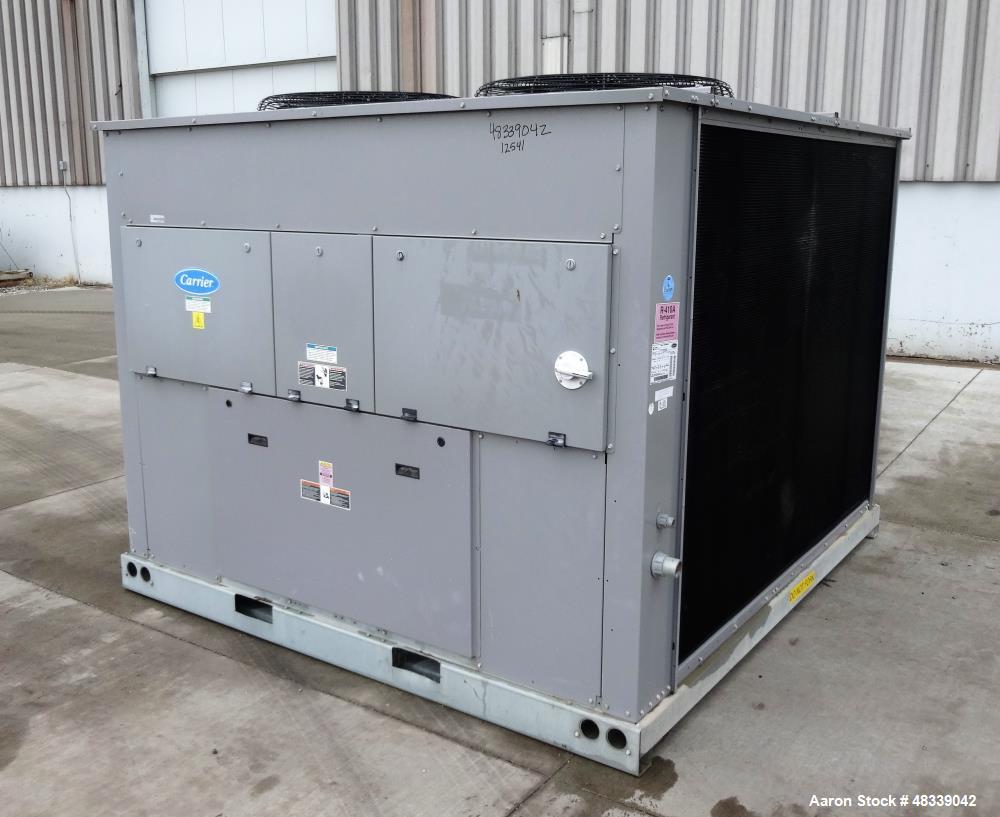
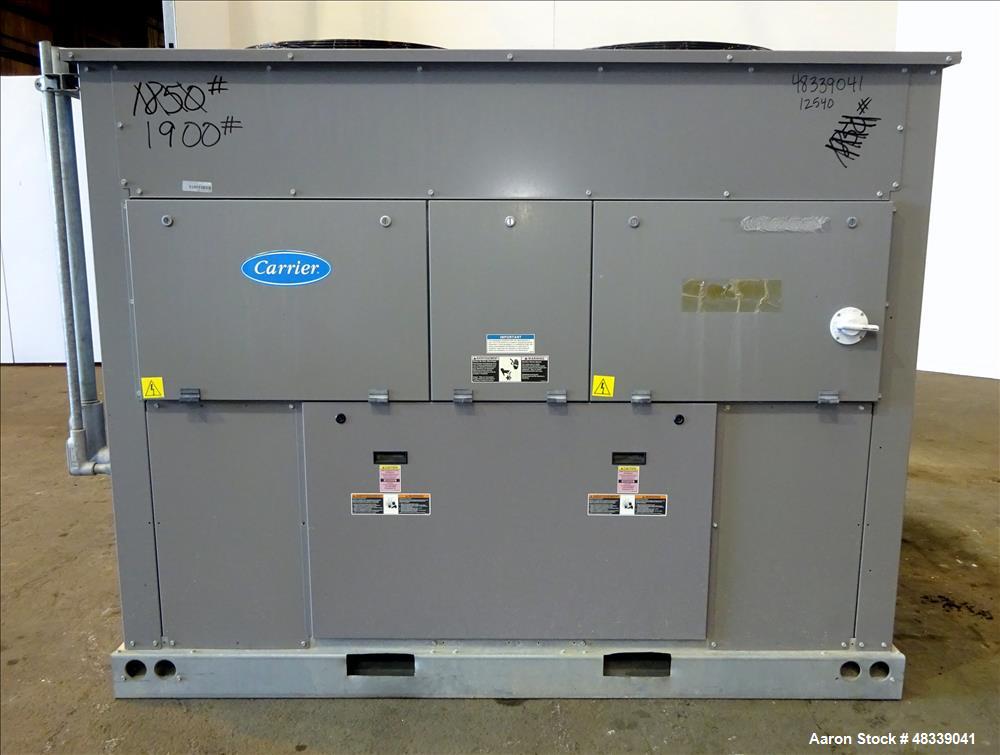
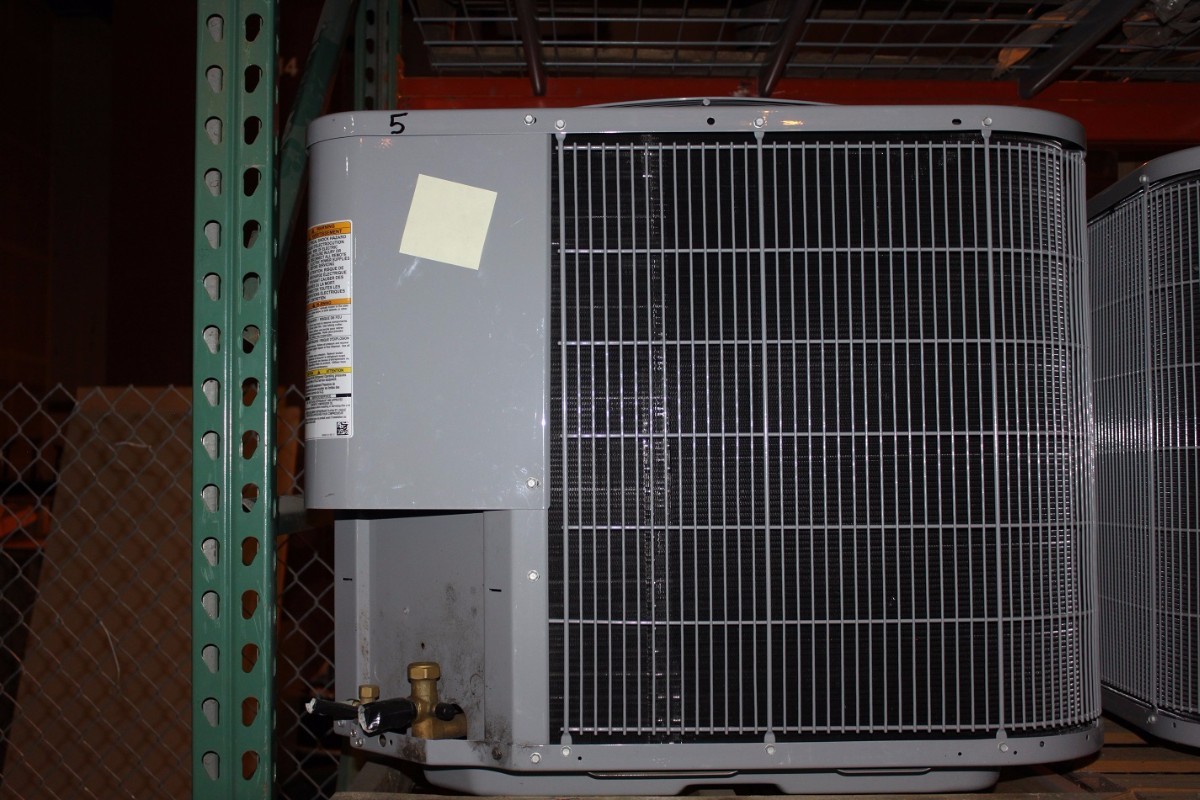
Carrier Condensing Unit

In today's world, energy costs are a significant concern for homeowners and businesses alike. HVAC systems, responsible for heating and cooling, are often the biggest energy consumers in any building. Upgrading to a more efficient system can lead to substantial savings and a reduced carbon footprint. One brand consistently recognized for its commitment to efficiency and innovation is Carrier. This article explores the benefits of Carrier condensing units, focusing on their energy-saving potential, cost-effectiveness, and integration with smart home technologies.
Understanding Condensing Units and Their Role
The condensing unit is the outdoor component of an air conditioning or heat pump system. It's responsible for rejecting heat from the refrigerant in air conditioning mode or absorbing heat from the outside air in heat pump mode. Its key components include the compressor, condenser coil, fan, and various control components. The efficiency of the condensing unit significantly impacts the overall performance and energy consumption of the entire HVAC system.
A less efficient condensing unit works harder to achieve the same level of cooling or heating, consuming more electricity in the process. In contrast, a high-efficiency unit, like those offered by Carrier, utilizes advanced technologies and optimized designs to minimize energy waste.
Carrier Condensing Units: Efficiency and Innovation
Carrier offers a wide range of condensing units designed to meet diverse needs and budgets. Their lineup includes models that exceed Energy Star requirements, ensuring maximum energy savings. Here are some of the key features and technologies that contribute to the efficiency of Carrier condensing units:
SEER Ratings: A Measure of Efficiency
The Seasonal Energy Efficiency Ratio (SEER) rating is a crucial metric for evaluating the cooling efficiency of air conditioners. It represents the ratio of cooling output over a typical cooling season to the energy consumed in watt-hours. The higher the SEER rating, the more efficient the unit. Energy Star certified air conditioners must have a SEER rating of at least 15, but many Carrier models boast SEER ratings of 17 or higher, and some even reach above 20.
For example, the Carrier Infinity Series offers models with SEER ratings reaching up to 24. This translates into significant energy savings compared to older, less efficient units, which may have SEER ratings of 10 or lower. Replacing a 10 SEER unit with a 20 SEER unit can potentially cut your cooling energy consumption in half, leading to substantial reductions in your utility bills.
Inverter Technology: Precise Temperature Control and Energy Savings
Many of Carrier's high-efficiency condensing units incorporate inverter technology. Unlike traditional units that operate at a fixed speed, inverter-driven compressors can modulate their speed to match the cooling or heating demand. This allows the system to maintain a more consistent temperature and avoid the energy-wasting on-off cycles of conventional units. The result is improved comfort and significant energy savings.
Inverter technology allows the compressor to ramp up or down gradually. This reduces wear and tear on the components, leading to longer equipment lifespan and fewer repairs. Variable speed operation also contributes to quieter operation, creating a more comfortable indoor environment.
Advanced Coil Design: Maximizing Heat Transfer
Carrier employs advanced coil designs in their condensing units to enhance heat transfer efficiency. These coils feature optimized fin spacing, tube diameters, and surface areas to maximize the exchange of heat between the refrigerant and the surrounding air. The result is improved cooling and heating performance with reduced energy consumption.
Quiet Operation: Enhanced Comfort
Noise levels are an important consideration when choosing an HVAC system. Carrier condensing units are engineered for quiet operation, utilizing features such as sound-absorbing materials and optimized fan designs. This ensures that the outdoor unit doesn't disrupt the peace and quiet of your home or neighborhood.
The ROI of Investing in a Carrier Condensing Unit
While the initial cost of a high-efficiency Carrier condensing unit may be higher than that of a less efficient model, the long-term savings can easily outweigh the upfront investment. Here's a look at some of the key factors that contribute to the ROI of upgrading to a Carrier condensing unit:
- Reduced Energy Bills: As mentioned earlier, high-efficiency units consume significantly less electricity than older models, leading to substantial savings on your monthly utility bills.
- Rebates and Incentives: Many utility companies and government agencies offer rebates and incentives for installing energy-efficient HVAC equipment. These rebates can help offset the initial cost of the upgrade and further improve the ROI. Energy Star provides a database where you can look up rebates based on your zip code.
- Increased Home Value: Upgrading to a high-efficiency HVAC system can increase the value of your home, making it more attractive to potential buyers.
- Reduced Maintenance Costs: Modern Carrier condensing units are designed for reliability and durability, reducing the likelihood of breakdowns and costly repairs.
- Extended Equipment Lifespan: With proper maintenance, a high-quality Carrier condensing unit can last for 15 years or more, providing years of reliable and efficient service.
To accurately assess the ROI of upgrading to a Carrier condensing unit, it's essential to consider your specific energy consumption patterns, local utility rates, and available rebates and incentives. An HVAC professional can help you perform a cost-benefit analysis to determine the potential savings and payback period for your investment.
Smart Home Integration: Taking Control of Your Comfort and Energy Usage
Carrier condensing units can be seamlessly integrated with smart home systems, allowing you to control and monitor your HVAC system remotely via your smartphone or tablet. This integration offers several benefits, including:
- Remote Control: Adjust your thermostat settings from anywhere in the world, ensuring that your home is comfortable when you arrive.
- Energy Monitoring: Track your energy consumption in real-time, identifying opportunities to further reduce your energy bills.
- Smart Thermostats: Carrier offers smart thermostats that learn your preferences and automatically adjust the temperature based on your schedule and occupancy patterns. These thermostats can also integrate with other smart home devices, such as lighting and security systems.
- Voice Control: Control your HVAC system with voice commands using devices like Amazon Alexa or Google Assistant.
Integrating your Carrier condensing unit with a smart home system can help you optimize your energy usage, improve your comfort, and simplify your life.
Choosing the Right Carrier Condensing Unit
Selecting the appropriate Carrier condensing unit for your home or business requires careful consideration of several factors, including:
- Climate: Choose a unit that is designed for the climate in your region. Areas with hot summers require units with high SEER ratings.
- Building Size: Ensure that the unit is properly sized for the square footage of your building. An undersized unit will struggle to cool or heat the space effectively, while an oversized unit will cycle on and off frequently, wasting energy.
- Insulation: Proper insulation is crucial for maximizing the efficiency of your HVAC system. Make sure your building is adequately insulated before upgrading to a new condensing unit.
- Budget: Carrier offers a range of condensing units to suit different budgets. Consider the long-term savings and ROI when making your decision.
Consulting with a qualified HVAC contractor is essential for selecting the right Carrier condensing unit for your specific needs. A contractor can assess your building, evaluate your energy consumption patterns, and recommend the most efficient and cost-effective solution.
Installation and Maintenance: Ensuring Optimal Performance
Proper installation and maintenance are crucial for ensuring the optimal performance and longevity of your Carrier condensing unit. Here are some key tips:
- Professional Installation: Hire a qualified HVAC contractor to install your condensing unit. Proper installation is essential for ensuring that the unit operates efficiently and safely.
- Regular Maintenance: Schedule regular maintenance checkups with a qualified HVAC technician. Maintenance tasks include cleaning the coils, inspecting the refrigerant levels, and lubricating moving parts.
- Air Filter Replacement: Replace your air filter regularly, typically every 1-3 months. A dirty air filter can restrict airflow and reduce the efficiency of your HVAC system.
- Keep the Area Around the Unit Clear: Ensure that the area around the outdoor unit is free of debris, such as leaves, branches, and snow. This will allow for proper airflow and prevent overheating.
Government Guidelines and Energy Star Certification
The Environmental Protection Agency (EPA) and the Department of Energy (DOE) set minimum efficiency standards for HVAC equipment. Energy Star certification is awarded to products that meet or exceed these standards. When choosing a Carrier condensing unit, look for the Energy Star label to ensure that you are selecting an energy-efficient product. Products meeting Energy Star criteria are independently certified.
By choosing an Energy Star certified Carrier condensing unit, you can be confident that you are investing in a product that will save you money on your energy bills and reduce your environmental impact.
Conclusion
Investing in a Carrier condensing unit is a smart decision for homeowners and businesses seeking to reduce energy costs and improve comfort. With their advanced technologies, high SEER ratings, and smart home integration capabilities, Carrier condensing units offer a compelling combination of efficiency, performance, and convenience. By carefully considering your needs and consulting with a qualified HVAC contractor, you can choose the right Carrier condensing unit for your building and reap the benefits of energy savings, increased home value, and a reduced carbon footprint.