Carrier Furnace Air Filter Location
Understanding the intricacies of HVAC systems is crucial for anyone involved in the industry, from aspiring technicians to seasoned professionals and employers seeking skilled personnel. One fundamental aspect often overlooked is the correct location and maintenance of air filters, particularly in furnaces. This article will delve into the typical air filter locations within Carrier furnaces, highlighting best practices, troubleshooting tips, and relevant career information for those in the HVAC field.
Carrier Furnace Air Filter Locations: A Comprehensive Guide
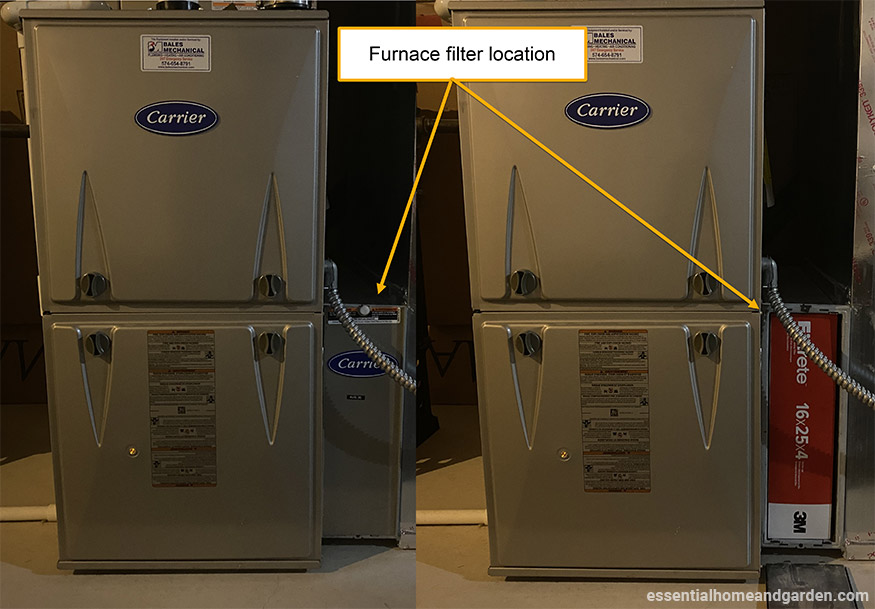
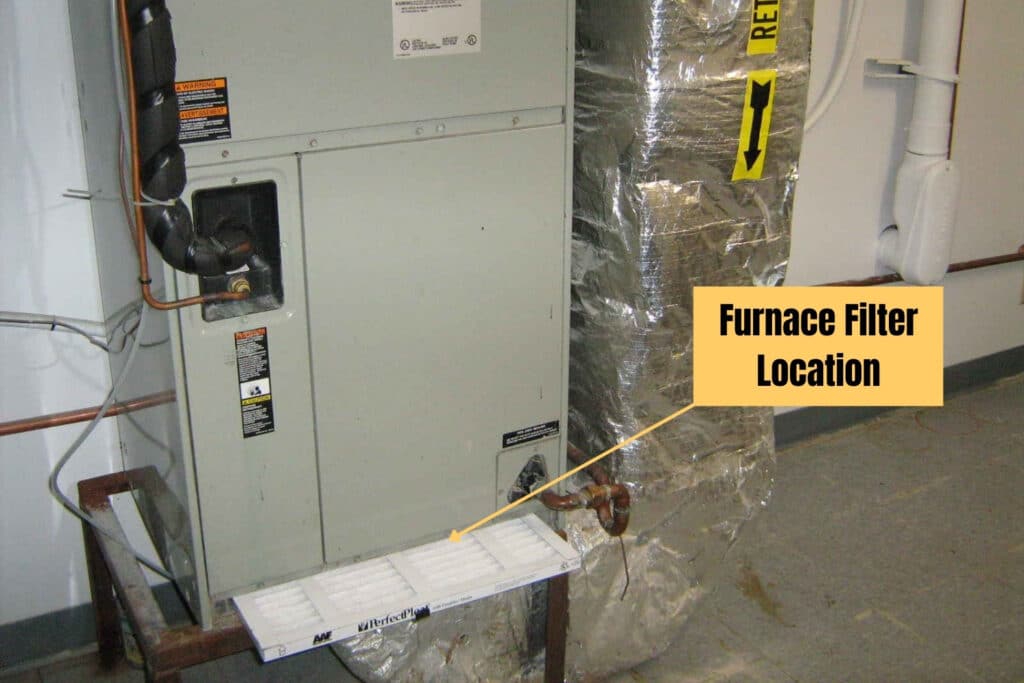
Carrier, a leading name in HVAC manufacturing, offers a diverse range of furnaces. While designs vary, the air filter is almost always situated where the return air enters the furnace. Knowing the specific location is paramount for efficient maintenance and optimal system performance.
Common Air Filter Locations in Carrier Furnaces:
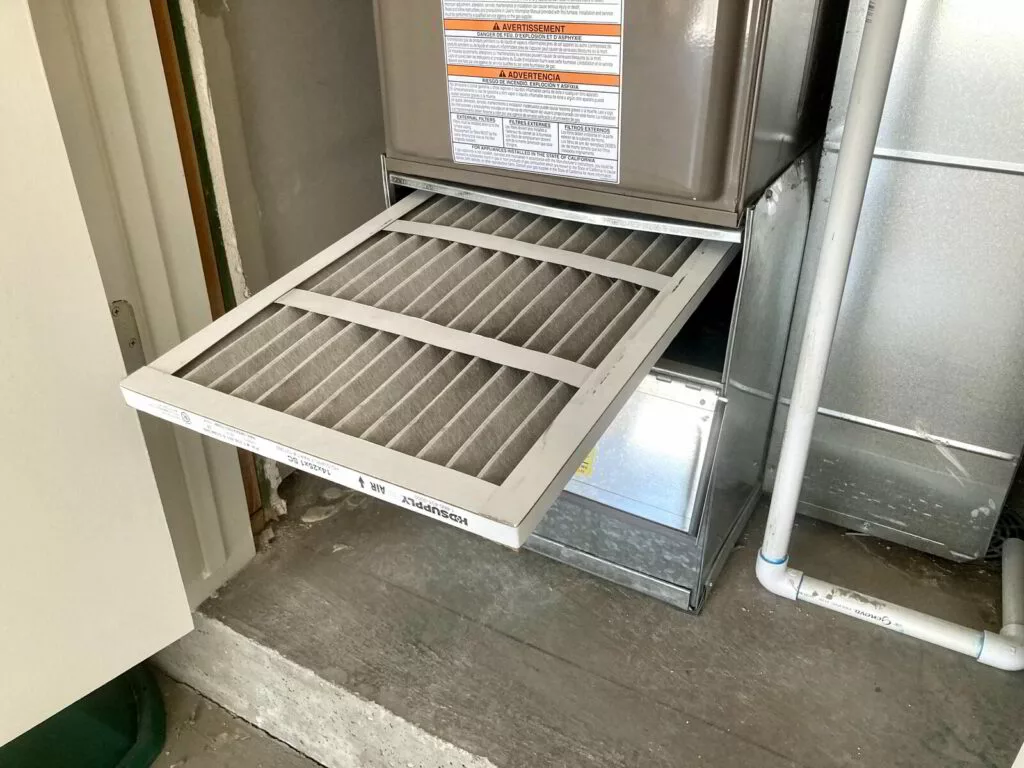
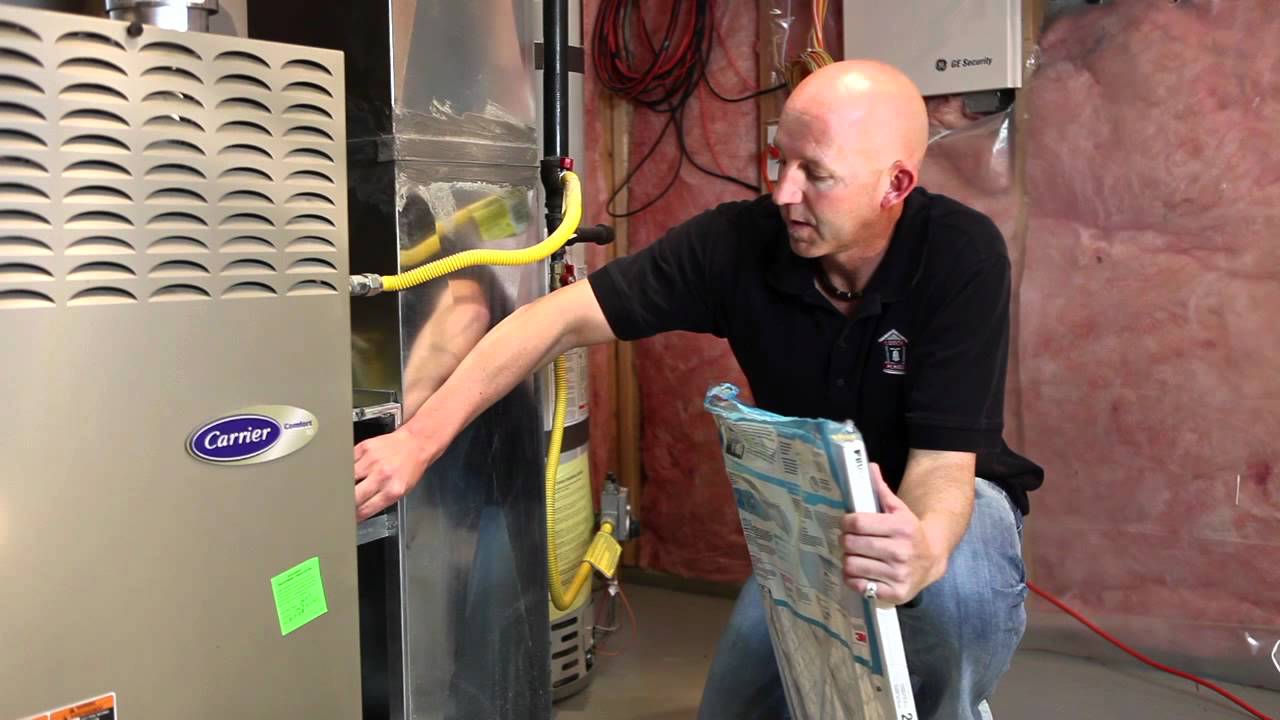
- Inside the Furnace Cabinet: This is perhaps the most common location. Look for a slot or door on the side or bottom of the furnace cabinet. Often, this access point is secured with clips or screws. You'll typically find the filter sliding directly into a dedicated track.
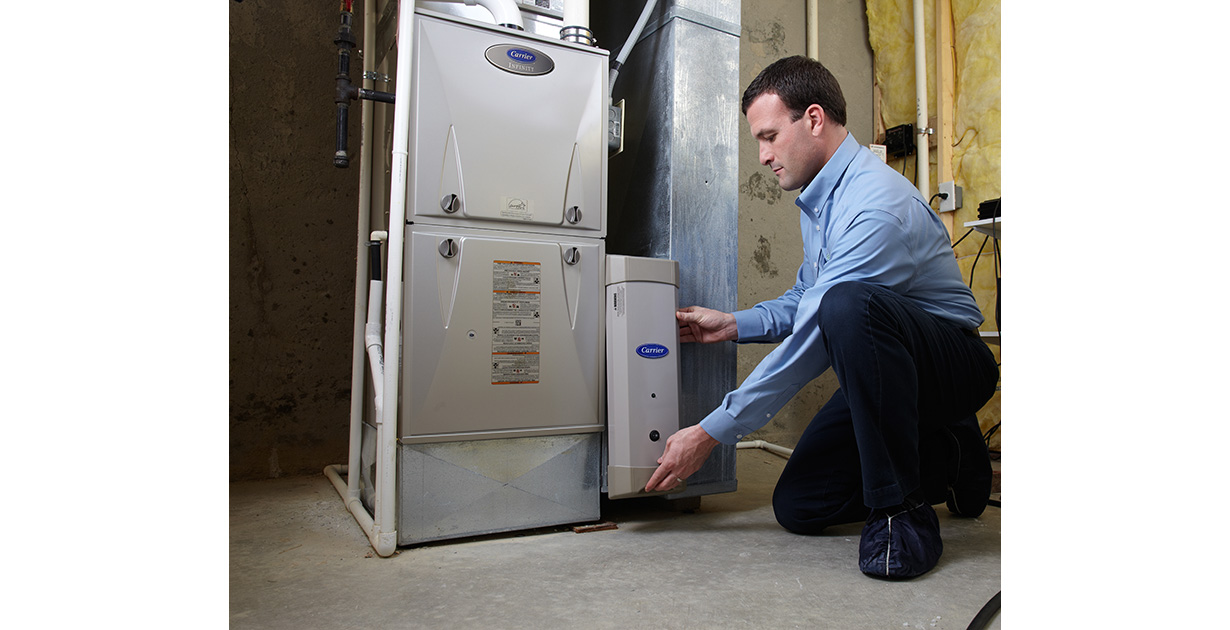
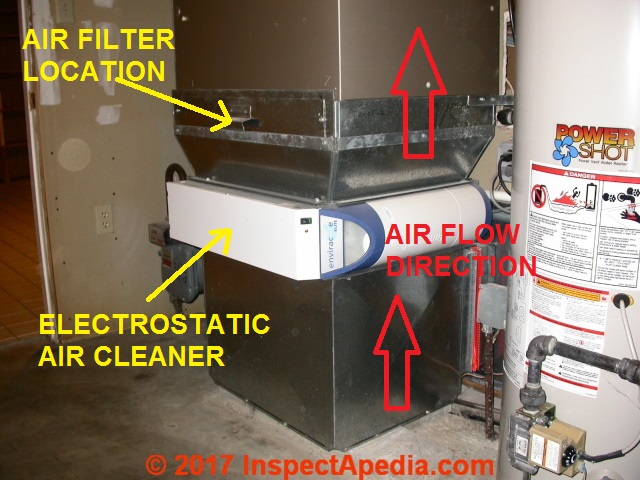
- External Filter Housing: In some installations, particularly in upflow furnace setups, the filter is housed in an external return air filter grille. This is usually positioned adjacent to the furnace itself, often connected by ductwork. This design allows for easier access and filter replacement.
- Return Air Grille: In some cases, especially in older installations or retrofits, the air filter may be located within the return air grille itself, where the air is drawn into the system. This is less common in newer, high-efficiency models but still a possibility.
Important Note: Always consult the manufacturer's manual for your specific Carrier furnace model to confirm the precise air filter location. This will save time, prevent damage to the unit, and ensure correct filter installation.
Identifying the Correct Filter Size
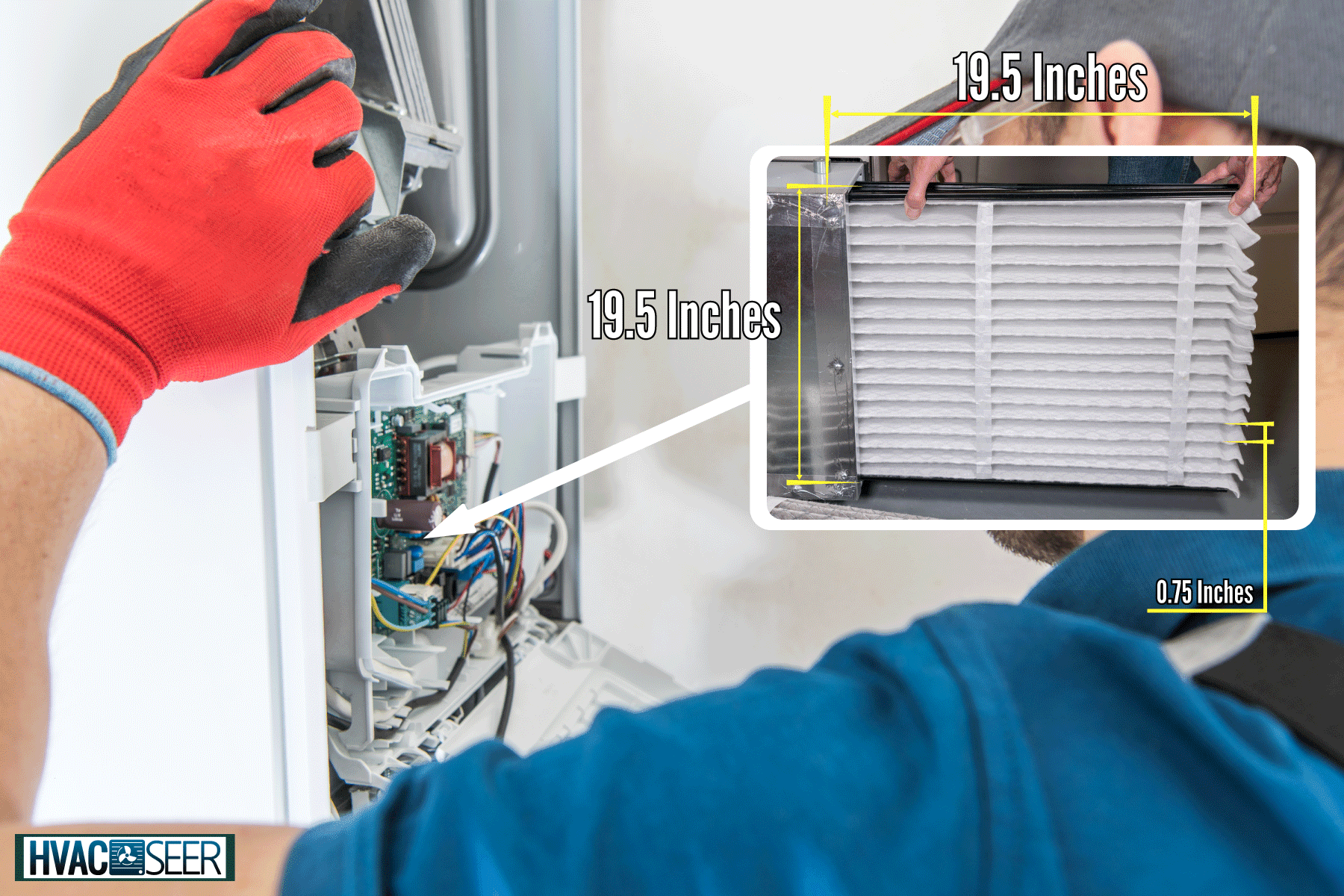
Replacing the air filter with the correct size is just as critical as knowing its location. Using an improperly sized filter can lead to air leaks, reduced airflow, and potential damage to the furnace components. The filter size is typically printed on the filter frame itself. If not, measure the opening where the filter is inserted and select a filter that matches those dimensions. Common sizes include 16x25x1, 20x20x1, and 16x20x1 (all dimensions in inches). A technician with good problem-solving skills and attention to detail is invaluable, which is a highly sought-after skill that can boost your earnings by up to 10% compared to colleagues lacking it.
Maintaining Your Carrier Furnace Air Filter: Best Practices
Regular air filter maintenance is essential for optimal furnace performance, energy efficiency, and indoor air quality. A clogged air filter restricts airflow, forcing the furnace to work harder, leading to increased energy consumption, higher utility bills, and potential overheating. It also reduces the air quality within the building, leading to increased allergy symptoms and possible health risks. Here are some best practices:
- Frequency of Replacement: A general guideline is to replace the air filter every 1-3 months, depending on factors such as the type of filter used, the presence of pets, and the level of dust and debris in the environment.
- Filter Types: Choose the appropriate filter type for your needs. Options include fiberglass filters (least expensive, least effective), pleated filters (more effective at capturing smaller particles), and HEPA filters (highest filtration efficiency, recommended for those with allergies or respiratory issues).
- Visual Inspection: Regularly inspect the air filter for dirt and debris. If it appears visibly dirty, replace it, regardless of the recommended replacement schedule.
- Proper Installation: Ensure the air filter is installed correctly, with the airflow direction arrow pointing towards the furnace. This is crucial for effective filtration.
Troubleshooting Common Air Filter Issues
Technicians frequently encounter air filter-related problems during furnace maintenance and repair. Being able to diagnose and resolve these issues efficiently is a valuable skill.
- Reduced Airflow: A clogged air filter is the most common cause of reduced airflow. Replacing the filter should resolve the issue.
- Furnace Overheating: A severely clogged air filter can cause the furnace to overheat and shut down. This can damage components like the heat exchanger.
- Increased Energy Bills: A dirty air filter forces the furnace to work harder, leading to increased energy consumption and higher utility bills.
- Uneven Heating: Restricted airflow can result in uneven heating throughout the home or building.
Career Paths in HVAC: The Importance of Air Filter Knowledge
A thorough understanding of air filter maintenance and troubleshooting is a foundational skill for various career paths within the HVAC industry. The U.S. Bureau of Labor Statistics projects a 5% growth in employment for HVACR mechanics and installers from 2022 to 2032, about average for all occupations. This growth emphasizes the demand for skilled professionals.
Entry-Level Positions:
- HVAC Installer Helper: Assisting experienced technicians with installing and maintaining HVAC systems, including air filter replacement. Starting salaries typically range from $30,000 to $40,000 per year.
- HVAC Maintenance Technician: Performing routine maintenance tasks, such as air filter replacement, cleaning coils, and inspecting system components. Salaries generally range from $35,000 to $50,000 per year.
Mid-Level Positions:
- HVAC Service Technician: Diagnosing and repairing HVAC systems, including troubleshooting air filter-related problems. NATE (North American Technician Excellence) certification can significantly enhance earning potential and career advancement opportunities. Salaries typically range from $50,000 to $75,000 per year.
- HVAC Installation Technician: Installing and commissioning new HVAC systems, ensuring proper air filter installation and system performance. Salaries generally range from $45,000 to $70,000 per year.
Advanced Positions:
- HVAC Service Manager: Overseeing a team of service technicians, managing service schedules, and ensuring customer satisfaction. Salaries typically range from $70,000 to $100,000+ per year.
- HVAC Design Engineer: Designing and specifying HVAC systems for residential and commercial buildings, considering factors such as air filter requirements and energy efficiency. Salaries generally range from $80,000 to $120,000+ per year.
Certifications: Enhancing Your HVAC Career
Professional certifications demonstrate competence and commitment to excellence, boosting career prospects and earning potential. Some key certifications for HVAC professionals include:
- NATE (North American Technician Excellence): A widely recognized certification that validates technical knowledge and skills in specific HVAC areas.
- EPA Section 608 Certification: Required by the Environmental Protection Agency (EPA) for technicians who handle refrigerants. This certification ensures responsible refrigerant handling practices, minimizing environmental impact.
- HVAC Excellence: Offers various certifications focused on specific HVAC systems and technologies.
Obtaining these certifications requires rigorous training and passing comprehensive exams, but the investment pays off in terms of career advancement, higher salaries, and increased credibility within the industry. For example, 72% of contractors agree that NATE-certified technicians have a higher level of technical knowledge.
The Role of Employers in Fostering HVAC Expertise
Employers play a vital role in supporting the development of skilled HVAC professionals. Investing in training programs, providing access to industry resources, and encouraging certification can create a more knowledgeable and competent workforce. Employers should also prioritize safety training, especially when working with electrical components and hazardous materials. Companies offering continuing education and certification support are more likely to attract and retain top talent. This type of investment translates into higher quality service and improved customer satisfaction, boosting a company's reputation and profitability. According to a recent industry survey, employers who invest in employee training see a 20% increase in overall productivity.
Staying Ahead of HVAC Industry Trends
The HVAC industry is constantly evolving, with new technologies and regulations emerging regularly. Staying informed about these trends is crucial for long-term career success. Key trends to watch include:
- Smart HVAC Systems: These systems utilize sensors, data analytics, and automation to optimize energy efficiency and comfort. Technicians need to be proficient in installing, configuring, and troubleshooting these systems.
- Energy Efficiency Standards: Government regulations are increasingly focused on improving energy efficiency in buildings. HVAC professionals must be knowledgeable about these regulations and able to design and install systems that meet these standards.
- Sustainable Refrigerants: The industry is transitioning away from refrigerants with high global warming potential (GWP) towards more sustainable alternatives. Technicians need to be trained in the safe handling and disposal of these new refrigerants, complying with EPA Section 608 regulations.
Continuous learning, attending industry conferences, and pursuing advanced certifications are essential for staying competitive in the dynamic HVAC landscape. A technician who embraces these trends will be more valuable to employers and better positioned for career advancement. Remember that your willingness to learn new skills and apply them to the needs of employers is directly related to your compensation and promotion rate.