Carrier Furnace Codes
It's a cold winter morning, and you wake up to a chilly house. You check the thermostat, and it's set correctly, but the furnace isn't running. Instead, you see a blinking light or a code on your Carrier furnace. This is a common problem, and while it can be frustrating, often you can diagnose and even fix the issue yourself before calling a professional.
Understanding Carrier Furnace Error Codes
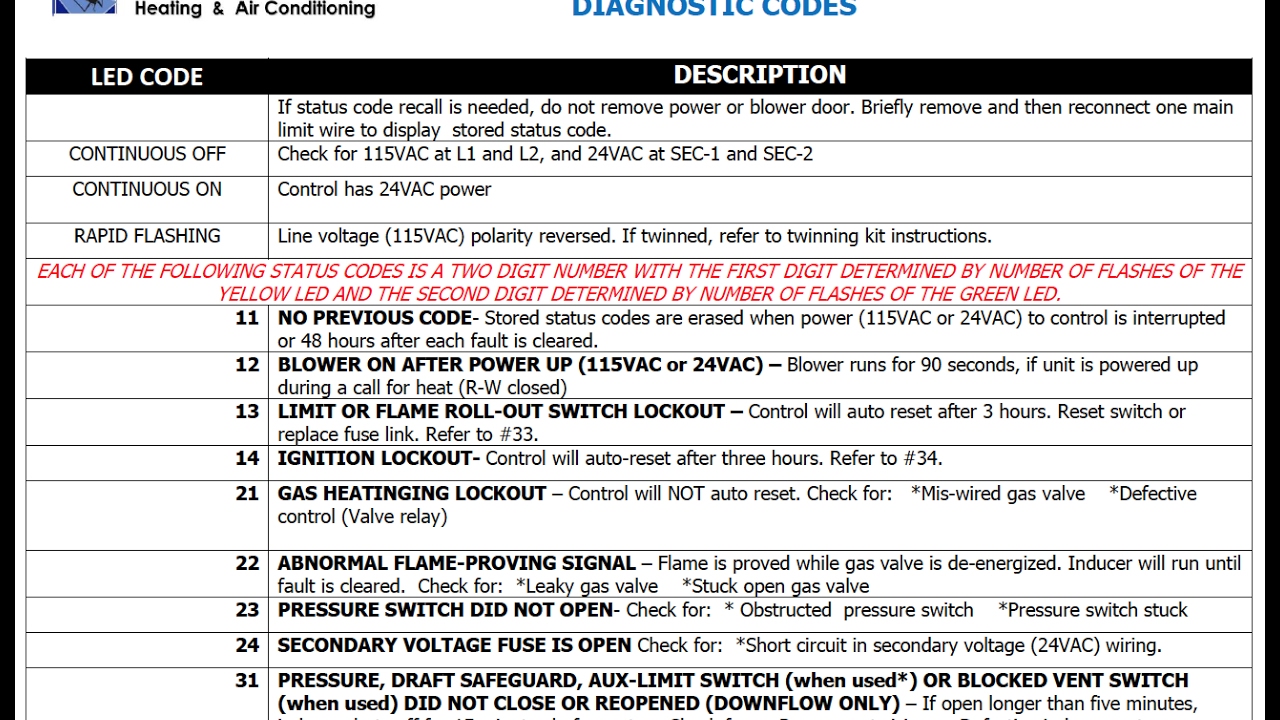
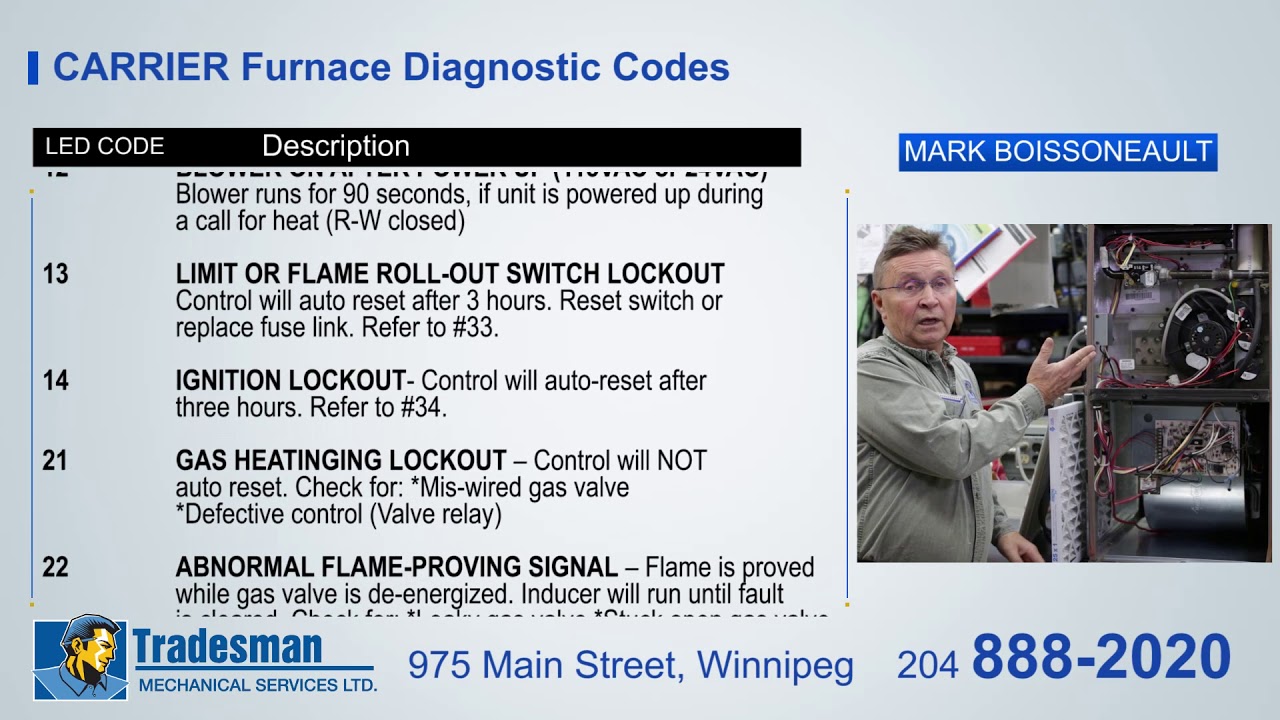
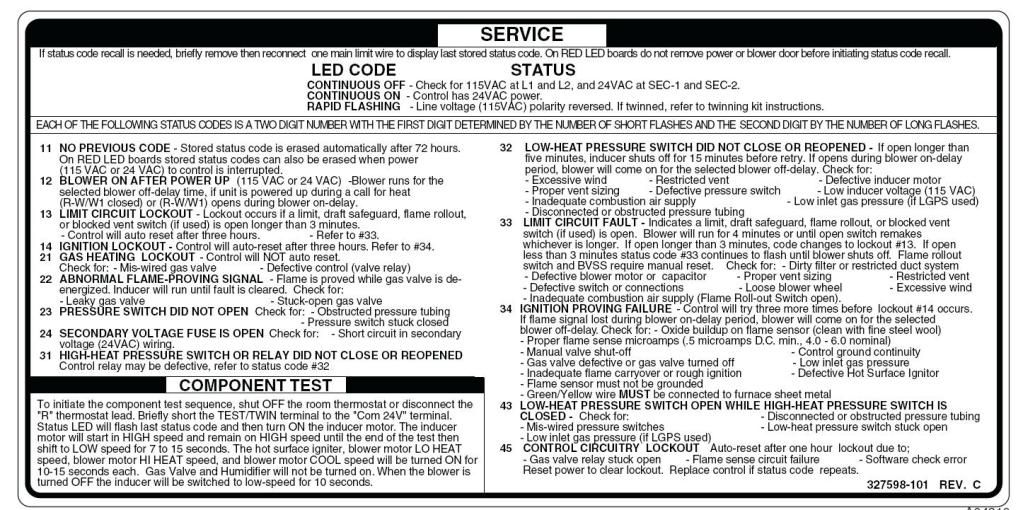
Carrier furnaces use a system of error codes to communicate problems. These codes, usually displayed as a series of flashes or a numerical value, indicate where the furnace is encountering difficulty. Knowing what these codes mean can save you time and money.
Before we dive into troubleshooting, always prioritize safety. Turn off the furnace power at the breaker box before attempting any repairs. If you're uncomfortable working with electrical components or gas lines, call a qualified HVAC technician.
Step-by-Step Troubleshooting Guide
Here’s a general approach to troubleshooting Carrier furnace error codes:
Step 1: Identify the Error Code
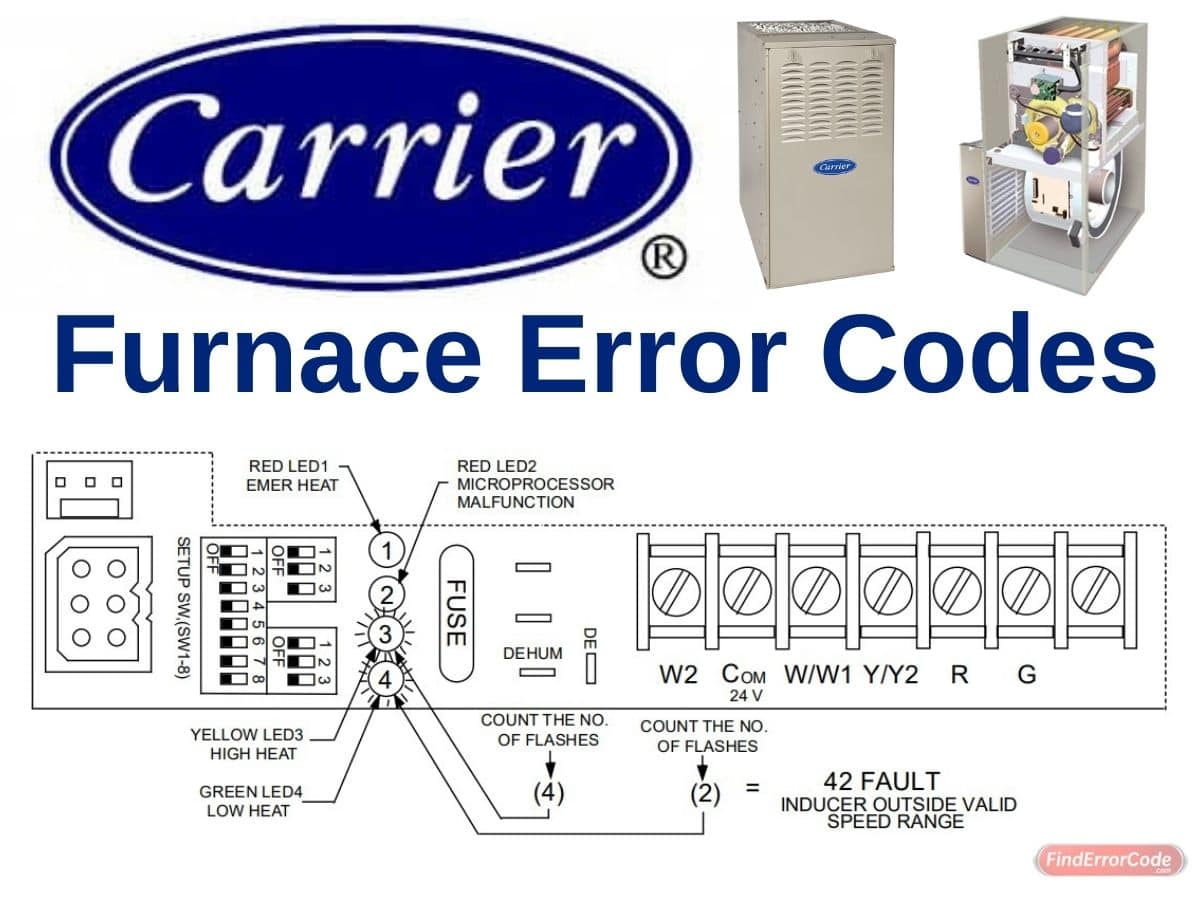
Locate the diagnostic light on your furnace control board. It's usually visible through a small window or after removing an access panel. Note the pattern of flashes or the numerical code displayed. Some newer Carrier furnaces have a digital display, while older models use blinking lights.
Blinking Lights: If your furnace uses blinking lights, pay attention to the number of short and long flashes. Typically, a long flash represents a "tens" digit, and a short flash represents a "ones" digit. For example, two long flashes followed by four short flashes would indicate error code 24.
Numerical Code: For furnaces with a digital display, simply read the code displayed (e.g., 13, 31, 33, etc.).
Step 2: Consult Your Furnace Manual
Your furnace manual is the most valuable resource for understanding error codes. It contains a detailed list of codes and their corresponding meanings. If you've misplaced your manual, you can often find a digital version on the Carrier website by searching for your furnace model number.
Step 3: Common Error Codes and DIY Solutions
Here are some of the most common Carrier furnace error codes and potential DIY fixes:
Code 13: Limit Switch Fault
Meaning: The limit switch has tripped, indicating that the furnace is overheating.
Possible Causes:
- Dirty Air Filter: This is the most common cause. A clogged filter restricts airflow, causing the furnace to overheat.
- Blocked Vents: Closed or obstructed vents can also restrict airflow.
- Faulty Blower Motor: A failing blower motor cannot move enough air to cool the furnace.
- Dirty Blower Wheel: A buildup of dust and debris on the blower wheel can reduce its efficiency.
DIY Fixes:
- Replace the Air Filter: This is the first and easiest thing to try. Ensure you use the correct filter type and size for your furnace.
- Check and Open Vents: Make sure all supply and return vents are open and unobstructed. Remove any furniture or objects blocking airflow.
- Inspect the Blower Motor (Visually): Look for signs of damage or excessive dust buildup. Do not attempt to repair the blower motor itself unless you have the necessary expertise.
- Clean the Blower Wheel (If Accessible): If you can safely access the blower wheel, use a brush or vacuum to remove any dust or debris. Turn off the power to the furnace before attempting this.
When to Call a Professional: If you've cleaned the filter, checked the vents, and the code persists, the problem may be a faulty limit switch, blower motor, or another underlying issue that requires professional diagnosis and repair.
Code 31: Pressure Switch Fault
Meaning: The pressure switch is not closing or opening properly, indicating a problem with the venting system or combustion air.
Possible Causes:
- Blocked Vent Pipe: Snow, ice, or debris can block the vent pipe, preventing proper exhaust.
- Condensation in Vent Pipe: Condensation can accumulate in the vent pipe, especially in cold weather, and prevent the pressure switch from closing.
- Faulty Pressure Switch: The pressure switch itself may be defective.
- Clogged Condensate Drain: A clogged condensate drain can back up water into the furnace, affecting the pressure switch.
DIY Fixes:
- Inspect the Vent Pipe: Visually inspect the vent pipe for any blockages, such as snow, ice, leaves, or nests. Carefully remove any obstructions.
- Check for Condensation: If you suspect condensation, try gently tapping the vent pipe to dislodge any water buildup. You may also try using a wet/dry vacuum to clear the line.
- Check the Condensate Drain: Locate the condensate drain line and ensure it is not clogged. You can try using a wet/dry vacuum to clear any blockages. Pouring a small amount of hot (not boiling) water down the drain can also help.
When to Call a Professional: If you've cleared any blockages and the code persists, the pressure switch itself may be faulty, or there may be a more complex venting issue that requires professional attention. Working with gas venting systems requires specialized knowledge and equipment.
Code 33: Flame Sense Error
Meaning: The furnace is not detecting a flame, indicating a problem with the ignition system or gas supply.
Possible Causes:
- Dirty Flame Sensor: The flame sensor is a small metal rod that detects the presence of a flame. If it's dirty, it may not function properly.
- Faulty Igniter: The igniter is responsible for igniting the gas. If it's faulty, it won't produce a spark.
- Gas Supply Issues: There may be a problem with the gas supply to the furnace.
- Faulty Gas Valve: The gas valve controls the flow of gas to the burner. If it's faulty, it may not open properly.
DIY Fixes:
- Clean the Flame Sensor: Locate the flame sensor (usually a small metal rod near the burner). Carefully remove it and clean it with fine steel wool or an emery cloth. Be gentle to avoid damaging the sensor. Reinstall the sensor.
- Check Gas Supply: Ensure that the gas valve to the furnace is open. Also, check that other gas appliances in your home are working properly. If not, there may be a problem with your main gas supply.
When to Call a Professional: Never attempt to work on the gas valve or ignition system yourself. These components require specialized knowledge and equipment. If cleaning the flame sensor doesn't resolve the issue, call a qualified HVAC technician to diagnose and repair the problem.
Code 14: Ignition Failure
Meaning: The furnace attempted to ignite the gas multiple times but failed.
Possible Causes:
- Same as Code 33 (Flame Sense Error): Dirty Flame Sensor, Faulty Igniter, Gas Supply Issues, Faulty Gas Valve.
DIY Fixes:
- Clean the Flame Sensor: (Same procedure as described under Code 33).
- Check Gas Supply: (Same procedure as described under Code 33).
- Reset the Furnace: Turn off the power to the furnace at the breaker for a few minutes, then turn it back on. This may clear a temporary fault.
When to Call a Professional: If resetting the furnace and cleaning the flame sensor doesn't fix the issue, call a qualified HVAC technician. As with Code 33, issues related to the gas valve or igniter should only be handled by trained professionals.
Step 4: Resetting Your Furnace
After attempting any DIY fixes, always reset your furnace. To do this, turn off the power to the furnace at the breaker box for about 5-10 minutes. Then, turn the power back on. This will clear the error code and allow the furnace to restart. If the problem persists, the error code will reappear.
When to Call a Professional
While some furnace issues can be resolved with simple DIY fixes, it's crucial to know when to call a professional. Never attempt to repair components you are not comfortable with or do not understand.
Here are some situations where professional intervention is necessary:
- If you smell gas: Immediately turn off the gas supply to the furnace and call your gas company or a qualified HVAC technician.
- If you suspect a carbon monoxide leak: Evacuate your home immediately and call 911.
- If the error code involves gas valve, igniter, or other critical gas components: These repairs require specialized knowledge and equipment.
- If you are not comfortable working with electrical components: Incorrect wiring can be dangerous and damage your furnace.
- If you've tried the DIY fixes and the error code persists: This indicates a more complex problem that requires professional diagnosis and repair.
- Anytime you are unsure or uncomfortable: It's always better to err on the side of caution and call a professional.
Preventative Maintenance
Regular preventative maintenance can help prevent furnace problems and extend the lifespan of your equipment. Consider the following:
- Change your air filter regularly: This is the single most important thing you can do to keep your furnace running efficiently.
- Schedule annual furnace inspections: A qualified HVAC technician can inspect your furnace for potential problems and perform necessary maintenance.
- Keep the area around your furnace clean and clear: This will ensure proper airflow and prevent overheating.
By understanding Carrier furnace error codes and performing basic troubleshooting steps, you can potentially save time and money. However, remember to prioritize safety and call a professional when necessary. A well-maintained furnace will keep your home warm and comfortable for years to come.