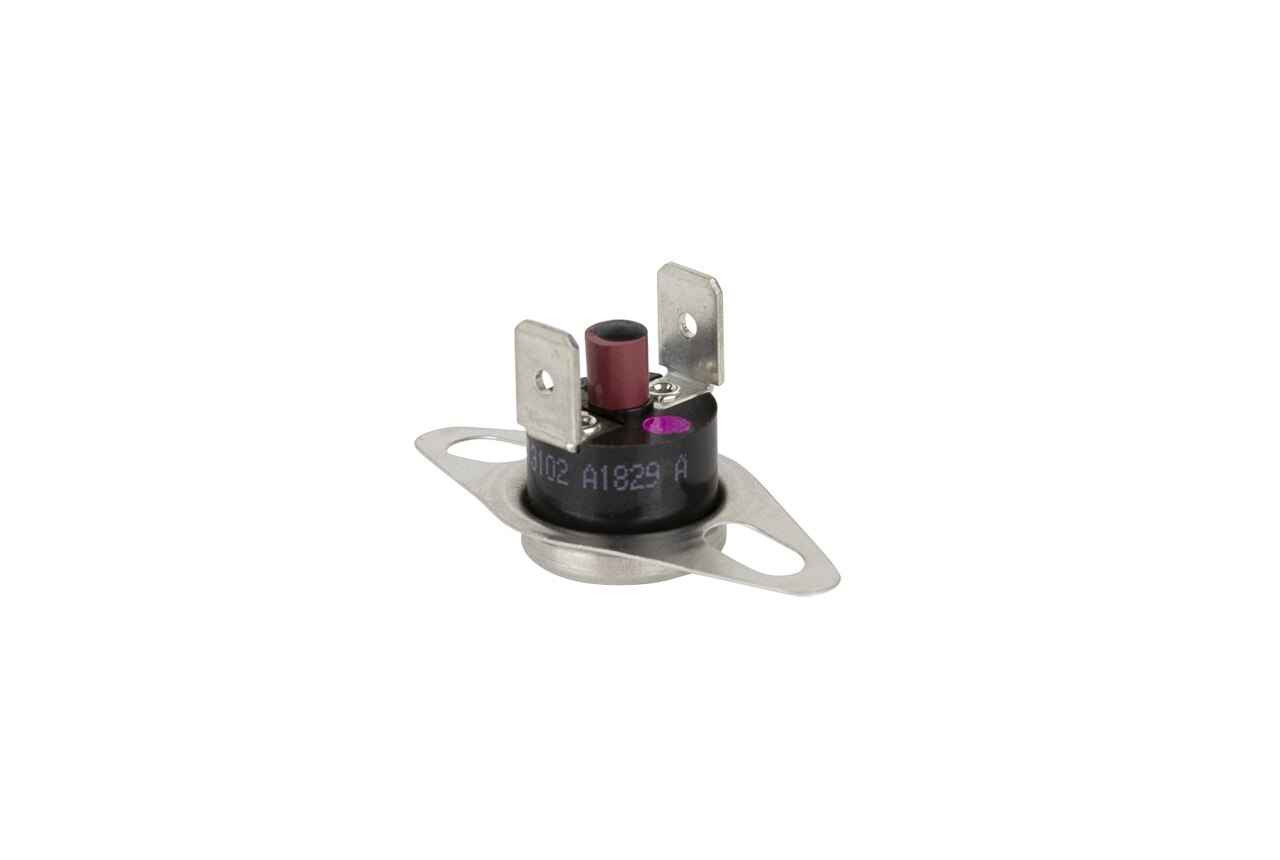
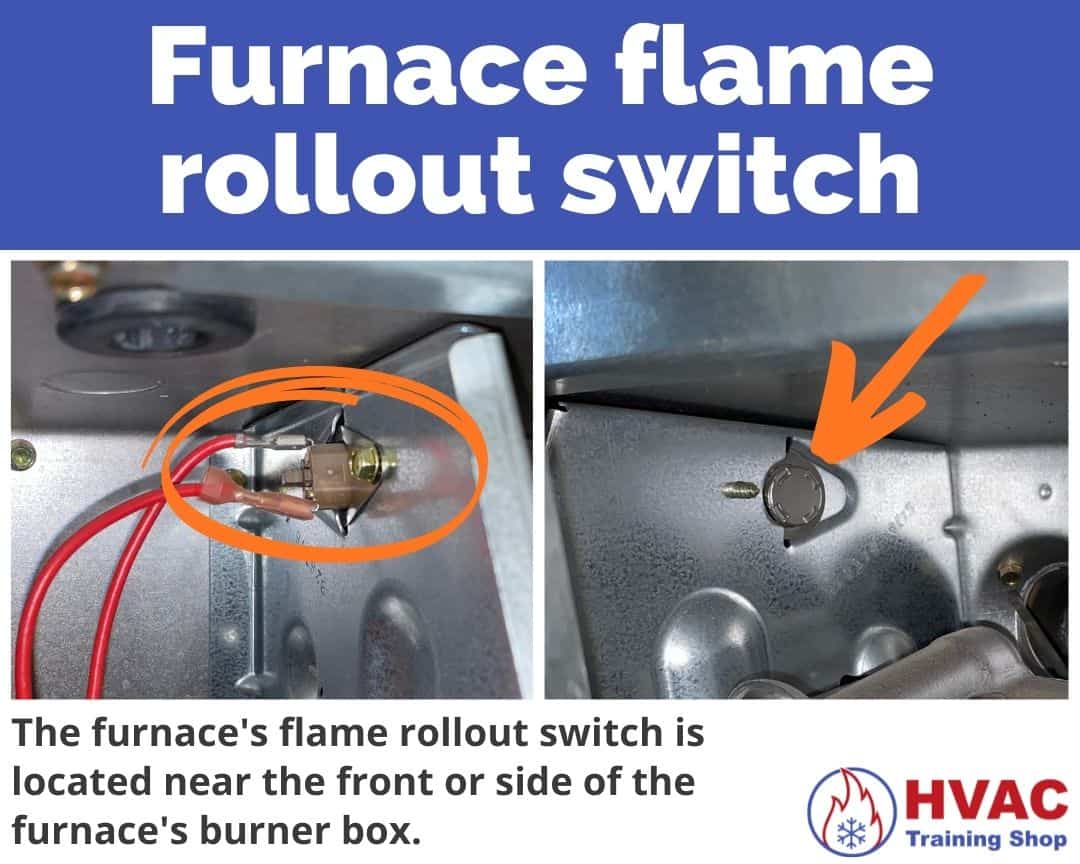
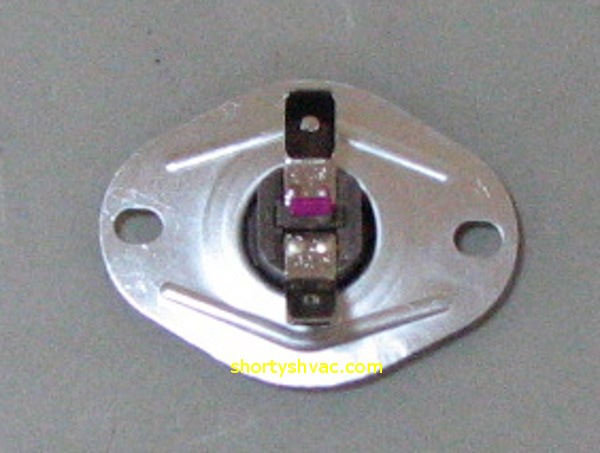
Carrier Furnace Flame Rollout Switch

A furnace is a complex appliance with many safety mechanisms designed to protect your home and family. One such critical safety device is the flame rollout switch. Understanding what this switch does, how it works, and what to do if it trips is essential for homeowner safety and proper furnace maintenance.
What is a Flame Rollout Switch?
The flame rollout switch is a crucial safety device found in virtually all gas furnaces. Its primary function is to detect and shut down the furnace when flames are not properly contained within the combustion chamber. This phenomenon, known as "flame rollout," occurs when flames escape from their designated area and pose a fire hazard to the surrounding components of the furnace and potentially the house itself.
Think of your furnace as a carefully controlled bonfire. The flame rollout switch is like a vigilant fire marshal, ensuring the fire stays where it's supposed to. If the fire starts to spread outside its designated zone, the fire marshal (rollout switch) immediately shuts everything down to prevent a larger disaster.
Why is Flame Rollout Dangerous?
Flame rollout presents several significant dangers:
- Fire Hazard: The most obvious danger is the risk of starting a fire. Escaping flames can ignite combustible materials near the furnace, like dust, insulation, or even structural parts of the house.
- Carbon Monoxide Poisoning: Improper combustion due to rollout can lead to increased carbon monoxide (CO) production. CO is a colorless, odorless, and deadly gas. A flame rollout switch tripping can be a sign that the furnace is not venting properly, causing CO to build up inside your home.
- Furnace Damage: Uncontrolled flames can damage internal furnace components, leading to costly repairs and potentially shortening the lifespan of your furnace. Components such as the wiring, gas valve and heat exchanger can be damaged.
How a Flame Rollout Switch Works
Flame rollout switches are typically thermal sensors, meaning they respond to heat. They are strategically placed near the areas where flame rollout is most likely to occur, such as around the burners and the front of the combustion chamber.
Here's a simplified explanation of how they work:
- Normal Operation: During normal furnace operation, the flame is contained within the combustion chamber, and the temperature around the rollout switch remains within a safe range.
- Flame Rollout Occurs: If flames escape, the temperature around the rollout switch rapidly increases.
- Switch Tripping: When the switch reaches a pre-set temperature threshold (typically between 175°F and 200°F), it "trips." This means the switch opens, breaking the electrical circuit that supplies power to the gas valve.
- Furnace Shutdown: With the gas valve de-energized, the gas supply to the burners is shut off, extinguishing the flame and stopping the furnace.
There are two main types of flame rollout switches:
- Manual Reset Switches: These switches require manual resetting after they trip. You will typically find a small button on the switch that you need to press to restore the electrical circuit. It is crucial to identify and address the underlying cause of the flame rollout before resetting the switch. Repeatedly resetting the switch without fixing the problem is dangerous and can lead to serious consequences.
- Automatic Reset Switches: These switches automatically reset themselves once the temperature around them drops below the threshold. While seemingly convenient, automatic reset switches can mask underlying problems. If the condition that caused the rollout still exists, the switch will repeatedly trip and reset, potentially leading to unnoticed carbon monoxide buildup or fire hazards. *Automatic reset switches are less common now due to safety concerns.*
Common Causes of Flame Rollout
Flame rollout doesn't happen randomly. It's usually a symptom of an underlying problem. Identifying and addressing the root cause is essential after a rollout switch trips. Here are some of the most common causes:
- Dirty or Clogged Burners: Dirty burners can restrict gas flow, causing the flame to become unstable and spread outside the combustion chamber. Regular cleaning and maintenance of the burners are essential.
- Blocked or Restricted Flue: The flue (or vent pipe) is responsible for safely venting exhaust gases, including carbon monoxide, outside the home. A blocked flue can cause a backdraft, forcing the flames to roll out of the furnace. Debris such as bird nests, leaves, or snow can cause blockages.
- Cracked Heat Exchanger: The heat exchanger is a critical component that separates the combustion gases from the air that is circulated through your home. A crack in the heat exchanger can allow combustion gases, including carbon monoxide, to leak into the airstream and potentially cause flame rollout. A cracked heat exchanger is a serious safety hazard and requires immediate attention.
- Insufficient Combustion Air: Furnaces need adequate air for proper combustion. If the furnace room is too tightly sealed or the air intake is blocked, the furnace may not get enough air, leading to incomplete combustion and flame rollout.
- Improper Gas Pressure: Incorrect gas pressure can cause the flame to burn improperly, leading to rollout. This requires adjustment by a qualified technician.
- Faulty Inducer Motor: The inducer motor helps to draw combustion gases through the heat exchanger and out the flue. If the inducer motor is failing, it may not create enough draft, leading to backdrafting and flame rollout.
What to Do If Your Flame Rollout Switch Trips
If your furnace stops working and you suspect the flame rollout switch has tripped, follow these steps:
- Shut Down the Furnace: Turn off the furnace at the thermostat and the electrical breaker.
- Evacuate if Necessary: If you suspect carbon monoxide poisoning (headache, dizziness, nausea), immediately evacuate the premises and call emergency services.
- Ventilate the Area: Open windows and doors to ventilate the area around the furnace.
- DO NOT Reset the Switch Immediately: Do not attempt to reset the flame rollout switch without first investigating the cause of the problem. Resetting the switch without addressing the underlying issue is dangerous.
- Inspect the Furnace: Carefully examine the furnace for any obvious signs of damage, such as soot buildup, damaged wiring, or cracked components.
- Check the Flue: Visually inspect the flue for any blockages or obstructions.
- Call a Qualified HVAC Technician: Contact a licensed and experienced HVAC technician to diagnose and repair the problem. They have the necessary tools and expertise to identify the cause of the flame rollout and ensure the furnace is operating safely and efficiently.
Preventing Flame Rollout
Preventing flame rollout is far better than dealing with the consequences. Here are some tips for preventing flame rollout:
- Regular Maintenance: Schedule annual maintenance with a qualified HVAC technician. This includes cleaning the burners, inspecting the heat exchanger, checking the flue, and testing the gas pressure.
- Replace Air Filters Regularly: A dirty air filter can restrict airflow and contribute to incomplete combustion. Replace your air filter every 1-3 months, or more often if you have pets or allergies.
- Keep the Furnace Area Clean: Keep the area around the furnace free of dust, debris, and flammable materials.
- Ensure Adequate Ventilation: Make sure the furnace room has adequate ventilation to provide sufficient combustion air. Do not block air vents or cover the furnace with anything.
- Install Carbon Monoxide Detectors: Install working carbon monoxide detectors on every level of your home, especially near sleeping areas. Test the detectors regularly and replace the batteries as needed.
Flame Rollout Switch vs. Other Safety Devices
It's important to differentiate the flame rollout switch from other safety devices in your furnace:
- Flame Sensor: The flame sensor proves that the flame is present after the gas valve opens. If the flame sensor doesn't detect a flame, it shuts off the gas valve to prevent unburned gas from accumulating. It ensures that the flame ignites and stays lit.
- High-Limit Switch: The high-limit switch monitors the temperature of the air being circulated through your home. If the furnace overheats, the high-limit switch shuts off the burners to prevent damage to the furnace and ductwork. Think of it as a temperature "red line" – if the temperature gets too high, the system shuts down.
These safety devices work together to protect your home and family from potential hazards. The flame rollout switch specifically addresses the danger of flames escaping the combustion chamber, while the other switches monitor other potential problems.
Conclusion
The flame rollout switch is a vital safety component in your gas furnace. Understanding its function, recognizing the signs of a tripped switch, and knowing how to prevent flame rollout are essential for maintaining a safe and efficient heating system. Never ignore a tripped flame rollout switch. Always consult with a qualified HVAC technician to diagnose and repair the underlying problem. By taking these precautions, you can ensure the safety and comfort of your home for years to come.