Carrier Furnace Manual
The Carrier furnace manual is more than just a technical document; it's a gateway to understanding, servicing, and optimizing one of the most prevalent heating systems in homes and businesses across North America. For HVAC students, seasoned technicians, and employers alike, mastering the information within these manuals is crucial for career advancement and operational efficiency. This article delves into the significance of Carrier furnace manuals, covering their content, practical applications, and how they contribute to a successful HVAC career.
Understanding the Content of a Carrier Furnace Manual
Carrier furnace manuals are comprehensive resources containing detailed information about specific furnace models. They typically include:
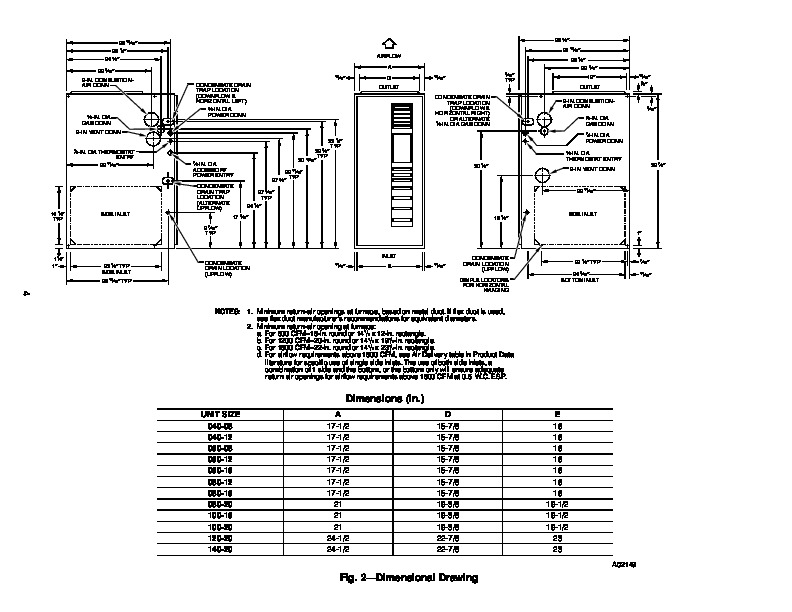
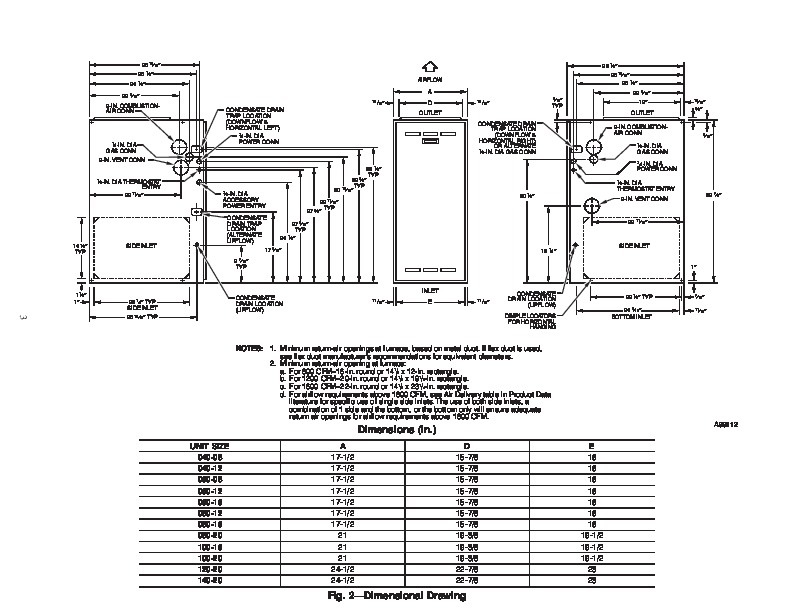
- Installation Instructions: Step-by-step guides for proper installation, including venting requirements, gas line connections, and electrical wiring.
- Operating Procedures: Explanations of how the furnace functions, startup and shutdown sequences, and thermostat compatibility.
- Maintenance Schedules: Recommended maintenance tasks, such as filter replacements, burner cleaning, and system inspections, with frequencies and procedures.
- Troubleshooting Guides: Diagnostic charts and flowcharts to help identify and resolve common furnace problems. This often includes error code explanations and potential causes.
- Parts Lists and Diagrams: Detailed breakdowns of the furnace components, including part numbers for easy ordering and replacement.
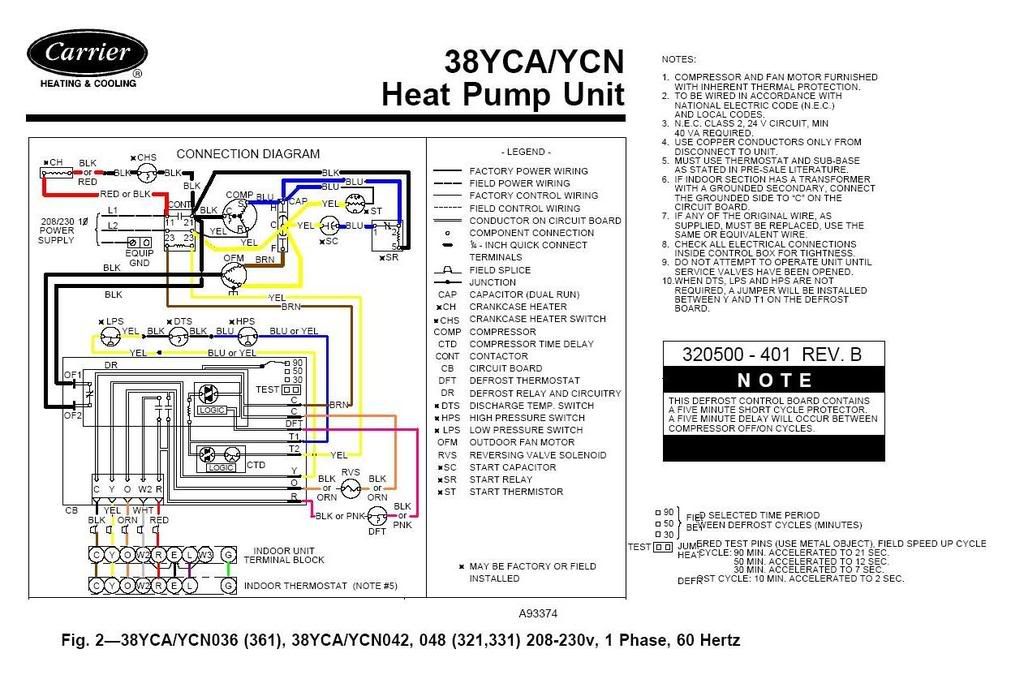
- Wiring Diagrams: Schematics of the electrical system, crucial for troubleshooting electrical faults.
- Safety Precautions: Critical safety guidelines to prevent injury or damage during installation, operation, and maintenance.
- Technical Specifications: Information on furnace capacity, efficiency ratings (AFUE), and electrical requirements.
A thorough understanding of these sections is essential for anyone working with Carrier furnaces. For example, a technician troubleshooting a furnace that’s not igniting might consult the troubleshooting guide and wiring diagram to pinpoint the faulty component, such as a failed igniter or a problem with the gas valve.
Why Carrier Furnace Manuals are Essential for HVAC Professionals
The importance of a Carrier furnace manual extends far beyond simply finding a part number. It is a foundational tool for:
Troubleshooting and Repair
Modern furnaces are complex systems. A manual provides the necessary diagnostic information to accurately identify and resolve problems. Knowing how to interpret error codes and understand the sequence of operations can significantly reduce diagnostic time and improve repair accuracy. For instance, a technician facing a "pressure switch open" error can use the manual to understand the role of the pressure switch and systematically check for blockages in the vent system or a faulty switch itself.
Proper Installation
Incorrect installation can lead to safety hazards, reduced efficiency, and premature equipment failure. The manual ensures that the furnace is installed according to manufacturer specifications, adhering to local codes and regulations. This includes proper venting, gas line sizing, and electrical connections. Adhering to the manual's specifications during installation is paramount for ensuring optimal performance and longevity.
Preventative Maintenance
Regular maintenance is key to extending the lifespan of a furnace and preventing costly breakdowns. The manual outlines the recommended maintenance schedule and procedures, helping technicians perform routine tasks such as filter replacements, burner cleaning, and system inspections. Following these guidelines can significantly improve efficiency and reduce the likelihood of major repairs. Neglecting the manufacturer's recommended maintenance schedule can void warranties, resulting in unexpected expenses for the homeowner.
Enhancing Efficiency and Performance
Understanding the furnace's operating parameters allows technicians to optimize its performance. This includes adjusting gas pressure, calibrating thermostats, and ensuring proper airflow. By fine-tuning these parameters according to the manual's specifications, technicians can maximize energy efficiency and reduce heating costs for homeowners.
The Career Impact of Furnace Expertise
Proficiency with Carrier furnace manuals directly translates to career opportunities and advancement within the HVAC industry. The demand for skilled HVAC technicians continues to grow, driven by new construction, aging infrastructure, and increasing consumer awareness of energy efficiency. The U.S. Bureau of Labor Statistics projects a 6% growth in employment for HVACR mechanics and installers from 2022 to 2032, about as fast as the average for all occupations.
The median annual wage for HVACR mechanics and installers was $59,690 in May 2023. The highest 10 percent earned more than $84,490.
Specific career paths where Carrier furnace expertise is invaluable include:
- HVAC Technician: Installing, maintaining, and repairing Carrier furnaces in residential and commercial settings.
- Service Technician: Specializing in diagnosing and resolving furnace malfunctions.
- Installation Technician: Focusing on the proper installation of new Carrier furnace systems.
- HVAC Supervisor: Overseeing teams of technicians and ensuring quality workmanship.
- HVAC Sales Engineer: Recommending and selling Carrier furnace solutions to clients based on their heating needs.
To excel in these roles, technicians should pursue relevant certifications, such as:
- NATE (North American Technician Excellence): Demonstrates competency in specific HVAC areas, including furnace installation and service. Obtaining NATE certification often leads to higher earning potential and increased credibility with customers. NATE certification is widely recognized and respected in the industry.
- EPA Section 608 Certification: Required for technicians who handle refrigerants, essential for working on heat pumps, which are often integrated with furnace systems. The EPA 608 certification ensures that technicians are trained in proper refrigerant handling procedures to protect the environment.
- Manufacturer-Specific Training: Carrier offers training programs on their specific furnace models, providing technicians with in-depth knowledge and hands-on experience. Completing Carrier-specific training can significantly enhance a technician's expertise and marketability.
Real-World Career Examples
Example 1: A recent HVAC graduate, Sarah, secured an entry-level position at a local HVAC company. By diligently studying Carrier furnace manuals and participating in manufacturer-sponsored training, she quickly developed expertise in diagnosing and repairing Carrier furnaces. Within two years, she was promoted to a senior technician role, earning a higher salary and taking on more complex projects.
Example 2: Mark, an experienced HVAC technician with 15 years of experience, decided to pursue NATE certification in furnace service. By thoroughly reviewing Carrier furnace manuals and practicing troubleshooting scenarios, he passed the certification exam with flying colors. His NATE certification led to a job offer from a leading HVAC company with a significant increase in salary and benefits.
How Employers Benefit from a Manual-Savvy Workforce
Employers benefit significantly from hiring technicians who are proficient in interpreting and applying information from Carrier furnace manuals. A well-trained and knowledgeable workforce leads to:
- Improved Efficiency: Technicians can diagnose and repair furnaces more quickly and accurately, reducing labor costs and minimizing downtime.
- Higher Quality Workmanship: Following the manual's instructions ensures that installations and repairs are performed correctly, reducing callbacks and warranty claims.
- Increased Customer Satisfaction: Prompt and accurate service leads to happier customers and positive word-of-mouth referrals.
- Reduced Liability: Proper installation and maintenance practices, as outlined in the manual, minimize the risk of accidents and property damage.
- Enhanced Reputation: A company known for its expertise and quality workmanship gains a competitive advantage in the market.
Employers should invest in training programs that emphasize the importance of Carrier furnace manuals and provide technicians with opportunities to practice applying the information in real-world scenarios. This investment will pay dividends in the form of improved efficiency, higher quality workmanship, and increased customer satisfaction.
Accessing and Utilizing Carrier Furnace Manuals
Carrier furnace manuals are typically available online through the Carrier website or through authorized distributors. They can also be found in physical form, often included with the furnace unit at the time of installation. It's crucial to ensure that you have the correct manual for the specific furnace model you are working on, as there can be significant differences between models.
Here are some tips for effectively utilizing Carrier furnace manuals:
- Download and save the manual electronically: This allows for quick and easy access to the information whenever needed.
- Print out relevant sections: For on-site troubleshooting, it can be helpful to have a printed copy of the troubleshooting guide or wiring diagram.
- Bookmark frequently used sections: This saves time when searching for specific information.
- Annotate the manual with notes and observations: This helps personalize the manual and make it a more valuable resource.
- Refer to the manual regularly: Make it a habit to consult the manual before starting any installation, maintenance, or repair task.
In conclusion, the Carrier furnace manual is an indispensable tool for HVAC professionals at all stages of their careers. By mastering the information within these manuals, technicians can enhance their skills, advance their careers, and contribute to the success of their employers. Employers who invest in training their workforce to effectively utilize Carrier furnace manuals will reap the rewards of improved efficiency, higher quality workmanship, and increased customer satisfaction. Embrace the manual – it’s your roadmap to success in the HVAC industry.