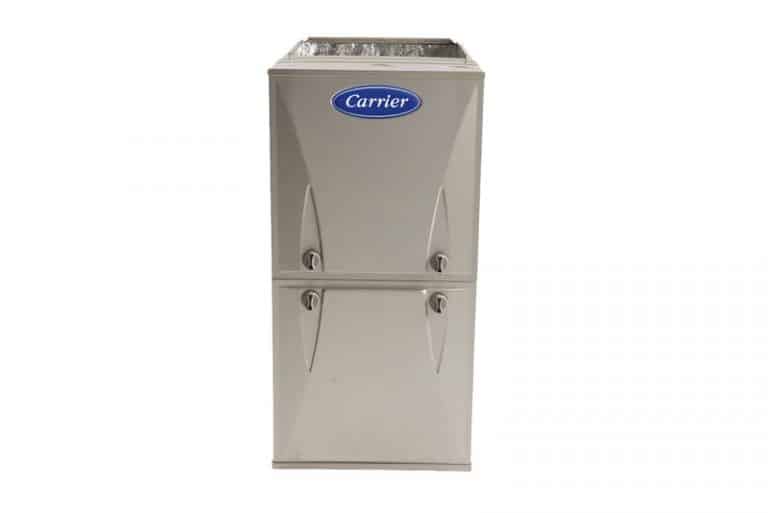
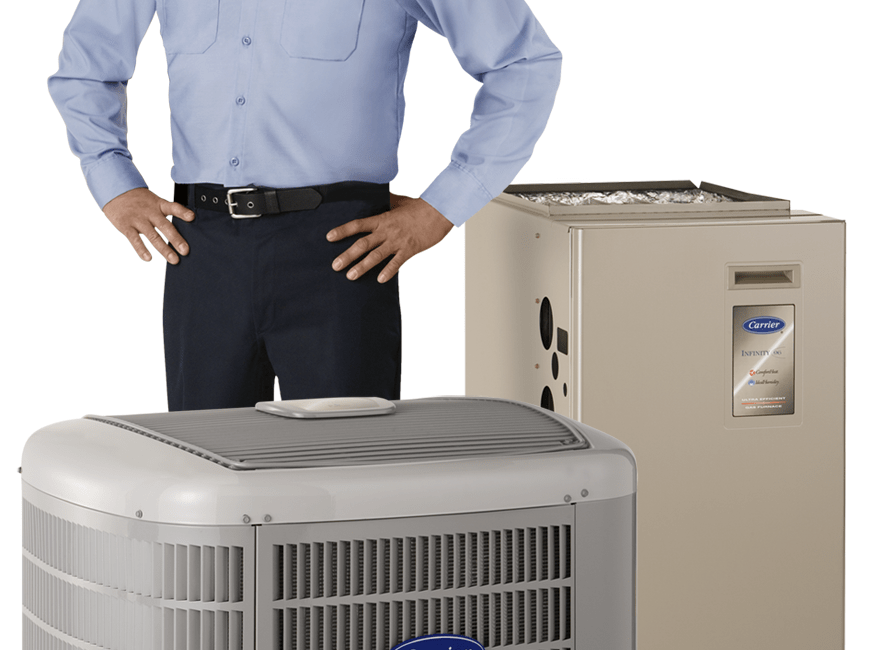
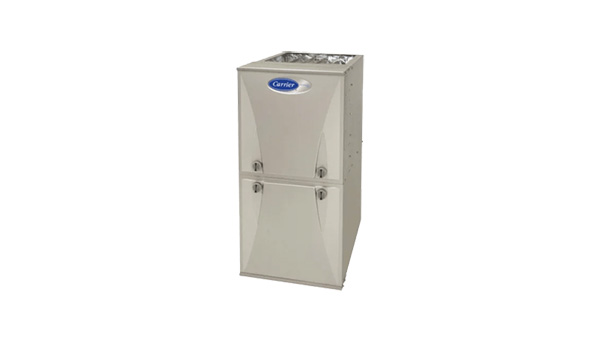
Carrier Furnace Model

Understanding Carrier Furnace Models: A Comprehensive Guide
Carrier is a leading manufacturer of heating, ventilation, and air conditioning (HVAC) systems, and their furnaces are a popular choice for homeowners, property managers, and HVAC professionals alike. This article provides a detailed overview of Carrier furnace models, covering key features, efficiency ratings, common issues, and maintenance tips.
Carrier Furnace Series Overview
Carrier offers a range of furnace models designed to meet various needs and budgets. These are typically categorized into series based on efficiency, features, and price. The most common series include:
- Infinity Series: Carrier's premium line, offering the highest efficiency and most advanced features.
- Performance Series: A balance of efficiency and affordability, providing excellent value for the investment.
- Comfort Series: Carrier’s entry-level line, offering reliable heating at a budget-friendly price.
Each series includes multiple models with varying BTUs (British Thermal Units – a measure of heating capacity) to suit different sized homes and heating needs.
Key Features and Technologies
Carrier furnaces incorporate several technologies designed to improve efficiency, comfort, and reliability. Some notable features include:
- Modulating Gas Valve: Found in high-end models like the Infinity series, modulating gas valves adjust the gas flow in small increments to precisely match the heating demand. This results in consistent temperatures, improved efficiency, and reduced temperature swings compared to single-stage or two-stage furnaces.
- Variable-Speed Blowers: Variable-speed blowers adjust the airflow based on heating or cooling demand. This contributes to improved comfort by preventing temperature stratification (uneven heating) and can also enhance indoor air quality by allowing for continuous air circulation at a low speed.
- Two-Stage Heating: Two-stage furnaces operate at two different heating outputs – high and low. The low stage is used for milder weather, providing more consistent temperatures and better efficiency than single-stage furnaces.
- Sealed Combustion: Sealed combustion furnaces draw combustion air from outside the home, eliminating the need for a chimney and reducing the risk of backdrafting. This feature is often found in high-efficiency models.
- Communicating Controls: Many Carrier furnaces are compatible with communicating thermostats, which allow the furnace and thermostat to communicate with each other to optimize performance and efficiency. These systems often provide detailed diagnostics and energy usage information.
- Pilotless Ignition: All modern Carrier furnaces use electronic ignition instead of a standing pilot light. This saves energy by eliminating the constant gas consumption of a pilot light.
Understanding AFUE Ratings
AFUE (Annual Fuel Utilization Efficiency) is a measure of a furnace's efficiency in converting fuel into usable heat. A higher AFUE rating indicates a more efficient furnace. The minimum AFUE rating currently mandated by the U.S. Department of Energy is 80%. Carrier offers furnaces with AFUE ratings ranging from 80% to over 98%.
For example, an 80% AFUE furnace converts 80% of the fuel it consumes into heat, while the remaining 20% is lost through the exhaust. A 98% AFUE furnace is significantly more efficient, wasting only 2% of the fuel.
While higher-efficiency furnaces typically have a higher upfront cost, they can save you money on your energy bills over the long term. Consider your climate and heating needs when choosing an AFUE rating. In colder climates, a higher AFUE furnace may be a worthwhile investment.
Common Carrier Furnace Problems and Troubleshooting
Like all mechanical equipment, Carrier furnaces can experience problems over time. Some common issues include:
- Ignition Problems: Problems with the igniter, flame sensor, or gas valve can prevent the furnace from igniting.
- Blower Motor Issues: A faulty blower motor can result in inadequate airflow or no airflow at all.
- Dirty Filters: A clogged air filter restricts airflow, reducing efficiency and potentially causing the furnace to overheat.
- Pilot Light Problems (Older Models): In older models with pilot lights, the pilot light may go out due to a draft or a faulty thermocouple. (Note: Modern Carrier furnaces use electronic ignition and do not have pilot lights.)
- Limit Switch Problems: The limit switch is a safety device that shuts off the furnace if it overheats. A faulty limit switch can cause the furnace to cycle on and off repeatedly.
- Condensate Drain Problems: High-efficiency furnaces produce condensate, which must be drained away. A clogged condensate drain can cause water damage and shut down the furnace.
If you experience any of these problems, it's important to consult with a qualified HVAC technician. Attempting to repair a furnace yourself can be dangerous and may void the warranty.
Here are a few basic troubleshooting steps you can take before calling a technician:
- Check the thermostat: Ensure the thermostat is set to "heat" and the temperature is set higher than the current room temperature.
- Check the air filter: Replace a dirty air filter with a clean one.
- Check the circuit breaker: Make sure the circuit breaker for the furnace is not tripped.
- Check the gas valve: Ensure the gas valve is turned on.
Maintenance Tips for Carrier Furnaces
Regular maintenance is essential for ensuring the efficient and reliable operation of your Carrier furnace. Some key maintenance tasks include:
- Replace the air filter regularly: Check the air filter monthly and replace it every 1-3 months, depending on usage and air quality. A dirty filter restricts airflow and reduces efficiency.
- Schedule annual professional maintenance: Have a qualified HVAC technician inspect and tune up your furnace annually. This includes cleaning the burners, checking the gas pressure, inspecting the heat exchanger, and testing the safety controls.
- Keep the area around the furnace clear: Ensure that there is adequate clearance around the furnace for proper airflow and access for maintenance.
- Check the flue pipe: Inspect the flue pipe for any signs of damage or blockage. A blocked flue pipe can cause dangerous carbon monoxide buildup.
- Consider a carbon monoxide detector: Install a carbon monoxide detector near the furnace to alert you to the presence of this odorless and deadly gas.
Cost Considerations
The cost of a Carrier furnace varies depending on the model, efficiency rating, and installation requirements. Generally, expect to pay between $3,000 and $7,000 for a new Carrier furnace, including installation. High-efficiency models and more complex installations will typically cost more.
In addition to the upfront cost, consider the long-term operating costs. A higher-efficiency furnace will save you money on your energy bills over time, but it may also require more expensive repairs. Factor in potential rebates and tax credits that may be available for energy-efficient furnaces.
When comparing quotes from different contractors, be sure to get a detailed breakdown of the costs, including the furnace model, installation labor, and any additional fees.
Carrier Furnace Warranty
Carrier offers warranties on its furnaces to protect against defects in materials and workmanship. The standard warranty is typically a 10-year parts warranty, but some models may offer longer warranties or additional coverage. Be sure to register your furnace with Carrier to activate the warranty. Keep records of all maintenance and repairs, as they may be required for warranty claims.
It is important to note that proper installation and maintenance are often required to keep the warranty valid. Improper installation or neglect can void the warranty.
Choosing the Right Carrier Furnace Model
Selecting the right Carrier furnace model for your home depends on several factors, including:
- Your climate: In colder climates, a higher-efficiency furnace is generally recommended.
- The size of your home: The furnace's BTU output should be appropriately sized for your home's square footage. An undersized furnace will struggle to heat your home, while an oversized furnace will cycle on and off frequently, reducing efficiency and comfort.
- Your budget: Consider both the upfront cost and the long-term operating costs when making your decision.
- Your desired level of comfort: Features like modulating gas valves and variable-speed blowers can provide more consistent temperatures and improved comfort.
Consult with a qualified HVAC contractor to determine the best Carrier furnace model for your specific needs and budget. They can perform a load calculation to determine the appropriate BTU output and recommend the most efficient and cost-effective option.
Conclusion
Carrier furnaces offer a range of options to meet various heating needs. By understanding the different series, features, and efficiency ratings, you can make an informed decision when choosing a new furnace. Regular maintenance and prompt repairs will ensure the long-term reliability and efficiency of your Carrier furnace, keeping your home comfortable for years to come. Investing in the right furnace, and maintaining it properly, is a crucial aspect of home ownership and property management.