Carrier Furnace Pilot Light

The pilot light in a Carrier furnace, while less common in modern systems, is a small, continuous flame that serves as the ignition source for the main burners. Understanding how it works, its potential problems, and the alternatives available is crucial for homeowners, HVAC technicians, and facility managers alike. This article provides a comprehensive overview of the Carrier furnace pilot light, covering its function, troubleshooting tips, maintenance, and a comparison to newer ignition technologies.
Pilot Light Functionality in Carrier Furnaces
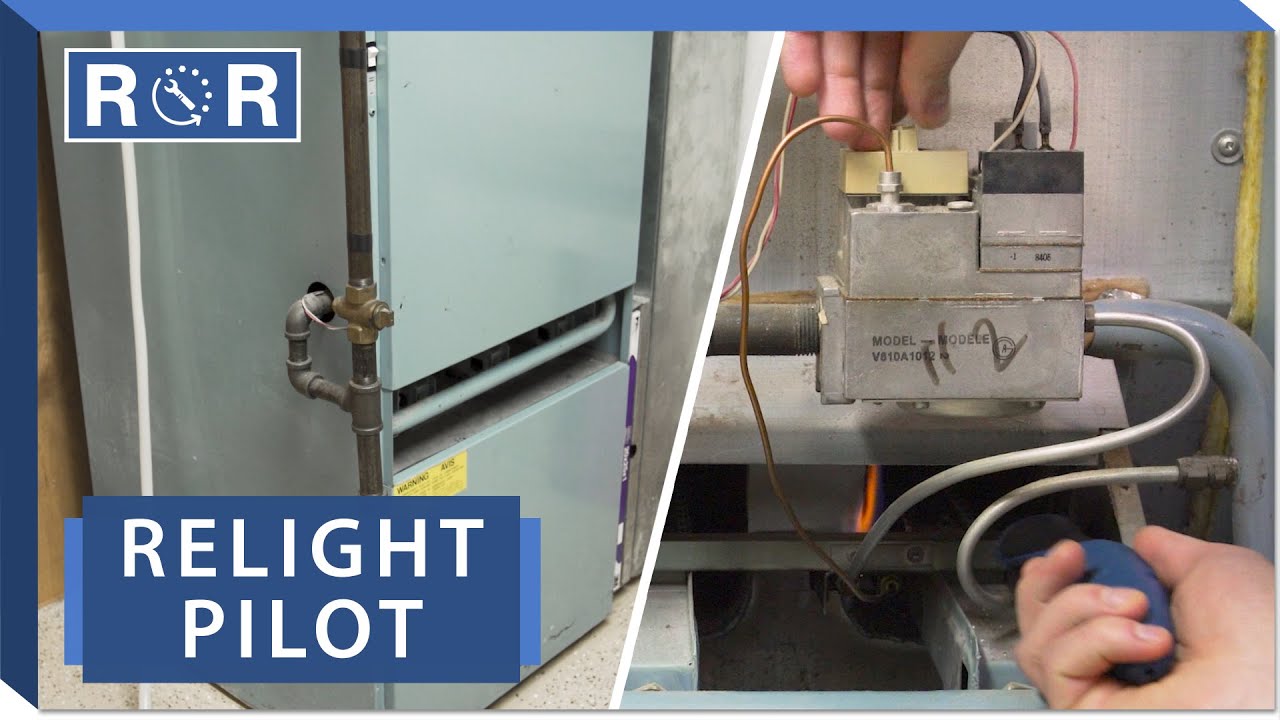
In older Carrier furnace models, the pilot light system is relatively straightforward. A small gas line continuously feeds gas to the pilot burner. An igniter, traditionally a thermocouple, is heated by the pilot flame. This thermocouple generates a small electrical current. This current is enough to hold open the main gas valve, allowing gas to flow to the main burners when the thermostat calls for heat. If the pilot light goes out, the thermocouple cools down, the electrical current stops, and the main gas valve shuts off, preventing a dangerous gas buildup.
The thermocouple is a safety device. If the flame is extinguished by a draft or other issue, the gas supply is automatically cut off. This prevents unburned gas from accumulating, which could lead to an explosion hazard.
Troubleshooting Common Pilot Light Problems
Several issues can cause a Carrier furnace pilot light to go out. Here's a breakdown of common problems and troubleshooting steps:
Dirty Pilot Orifice
The pilot orifice is a small opening that controls the flow of gas to the pilot burner. Over time, this orifice can become clogged with dust, debris, or corrosion. A partially or fully blocked orifice restricts gas flow, leading to a weak or nonexistent pilot flame.
Solution: Turn off the gas supply to the furnace. Locate the pilot assembly and carefully clean the orifice with a small wire or a specialized pilot orifice cleaning tool. Avoid enlarging the orifice, as this can disrupt the gas-to-air ratio. Some technicians recommend using compressed air to blow out any remaining debris.
Faulty Thermocouple
The thermocouple is a critical component. If it's damaged or worn out, it won't generate enough electrical current to keep the main gas valve open, even if the pilot light is lit.
Solution: Visually inspect the thermocouple for any signs of damage, such as cracks, corrosion, or kinks. Use a multimeter to test the thermocouple's output voltage. A healthy thermocouple should produce a reading within the manufacturer's specified range. If the voltage is low or nonexistent, replace the thermocouple.
Drafts
Strong drafts can extinguish the pilot light, especially in older furnaces that may not be as well-sealed. A drafty location or a poorly positioned furnace can contribute to this issue.
Solution: Identify and eliminate any drafts near the furnace. Seal any gaps or cracks in the furnace cabinet or surrounding area. Consider relocating the furnace to a more protected location if possible.
Gas Supply Issues
A problem with the main gas supply to your home can also affect the pilot light. Low gas pressure or a shut-off valve could prevent the pilot light from staying lit.
Solution: Check that the main gas valve to your home and the shut-off valve to the furnace are fully open. Contact your gas company to investigate any potential gas supply problems.
Dirty Flame Sensor (in some models)
While not a direct pilot light issue, some Carrier furnaces incorporate a flame sensor that works in conjunction with the pilot light system. A dirty flame sensor can prevent the main burners from igniting, even if the pilot light is lit.
Solution: Locate the flame sensor (usually a metal rod near the main burners) and clean it with fine steel wool or an emery cloth. Be careful not to damage the sensor.
Relighting a Carrier Furnace Pilot Light
If the pilot light goes out, follow these general steps to relight it (always consult your furnace's user manual for specific instructions):
- Turn off the gas supply to the furnace.
- Wait for at least five minutes to allow any accumulated gas to dissipate.
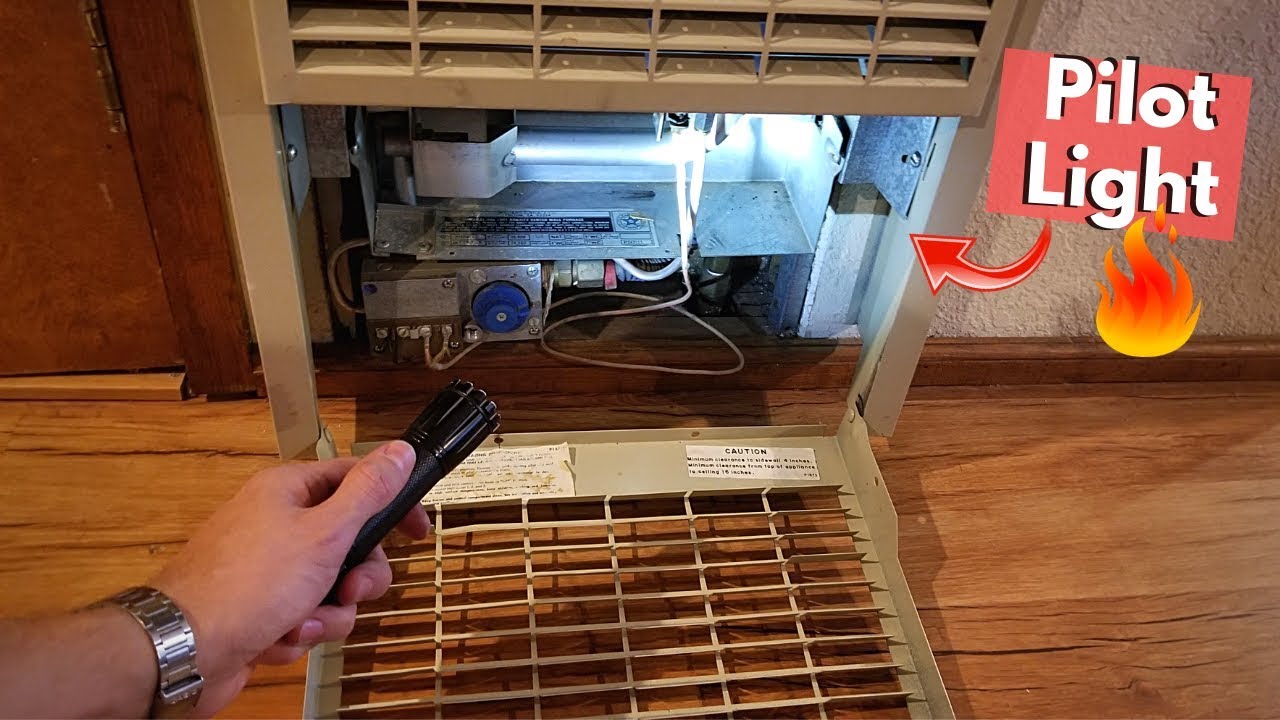
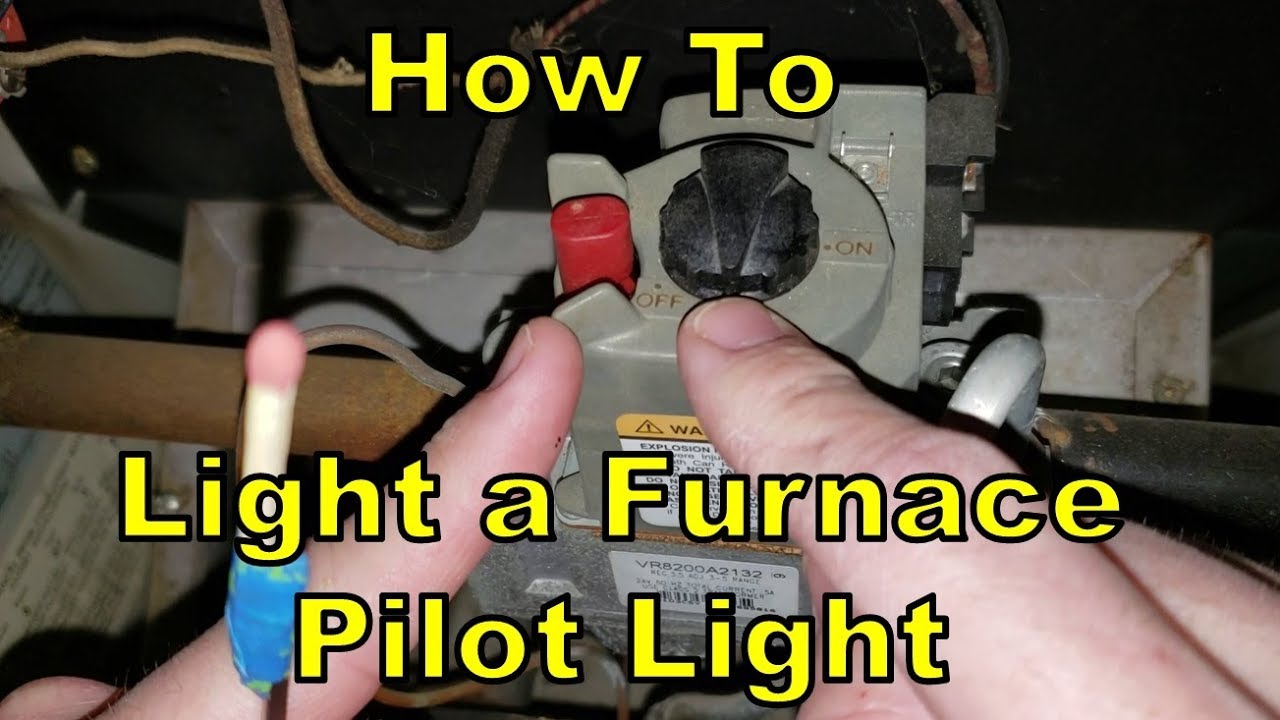
- Locate the pilot light assembly. You should see a knob with positions for "On," "Off," and "Pilot."
- Turn the knob to the "Off" position.
- Wait another five minutes.
- Turn the knob to the "Pilot" position and press and hold it down.
- While holding the knob down, use a long lighter or match to light the pilot flame.
- Continue to hold the knob down for about 30-60 seconds after the pilot light ignites. This allows the thermocouple to heat up and generate enough current to keep the gas valve open.
- Release the knob. The pilot light should remain lit.
- Turn the knob to the "On" position.
- If the pilot light goes out after releasing the knob, repeat the process. If it continues to go out, there may be a more serious problem requiring professional attention.
Maintenance Tips for Carrier Furnace Pilot Lights
Regular maintenance can help prevent pilot light problems and ensure the reliable operation of your Carrier furnace:
- Schedule annual furnace maintenance with a qualified HVAC technician.
- Have the technician inspect and clean the pilot assembly, thermocouple, and flame sensor (if applicable).
- Keep the area around the furnace clean and free of dust and debris.
- Check for drafts and seal any gaps or cracks near the furnace.
Pilot Lights vs. Modern Ignition Systems: A Comparison
While pilot lights were once standard in furnaces, modern ignition systems offer several advantages:
Electronic Ignition (Direct Spark Ignition - DSI, and Hot Surface Ignition - HSI)
Electronic ignition systems, such as Direct Spark Ignition (DSI) and Hot Surface Ignition (HSI), eliminate the need for a continuous pilot light. DSI systems use a spark to directly ignite the gas burners when the thermostat calls for heat. HSI systems use a heating element to ignite the gas. These systems are more energy-efficient because they only use gas when heat is needed.
Energy Efficiency
Pilot lights consume a small amount of gas continuously, even when the furnace is not actively heating. This can add up to a significant amount of wasted energy over time. Electronic ignition systems are far more energy-efficient because they only use gas when the burners are firing.
Cost
Furnaces with electronic ignition systems tend to be more expensive upfront, but the long-term energy savings can offset the initial cost. Replacing a faulty thermocouple is relatively inexpensive. However, the gas wasted by a pilot light adds up over the lifespan of the furnace.
Lifespan and Reliability
Pilot light systems are generally reliable, but the thermocouple can wear out over time. Electronic ignition systems also have a lifespan, and components like the igniter may need to be replaced eventually.
Safety
Both pilot light systems and electronic ignition systems have safety features to prevent gas leaks. However, some argue that electronic ignition systems are inherently safer because they eliminate the risk of a continuously burning flame.
Example Scenario
Consider two identical homes in the same climate. One home has an older Carrier furnace with a pilot light, while the other has a newer Carrier furnace with electronic ignition. Over a 15-year period, the home with the electronic ignition furnace will likely save a considerable amount of money on gas bills due to the elimination of the continuous pilot light consumption. While the upfront cost of the newer furnace was higher, the long-term savings and increased energy efficiency make it a more cost-effective choice.
When to Call a Professional
While some pilot light issues can be resolved with basic troubleshooting, it's important to know when to call a qualified HVAC technician. Contact a professional if:
- You are uncomfortable working with gas appliances.
- You suspect a gas leak.
- The pilot light continues to go out after multiple attempts to relight it.
- You notice any unusual smells or noises coming from the furnace.
- You are unsure about any aspect of furnace maintenance or repair.
A qualified technician can diagnose and repair complex furnace problems, ensuring the safe and efficient operation of your heating system. They can also advise you on whether it's time to replace your old furnace with a more energy-efficient model.
Conclusion
The Carrier furnace pilot light, though becoming less prevalent in newer models, remains an important aspect of older heating systems. Understanding its function, troubleshooting common issues, and performing regular maintenance are essential for homeowners, HVAC technicians, and facility managers. By comparing pilot light systems to modern ignition technologies, you can make informed decisions about furnace maintenance, repair, and replacement, ultimately ensuring a safe, efficient, and comfortable heating experience.


:max_bytes(150000):strip_icc()/checking-the-furnace-77890266-5c50db64c9e77c0001d76385.jpg)