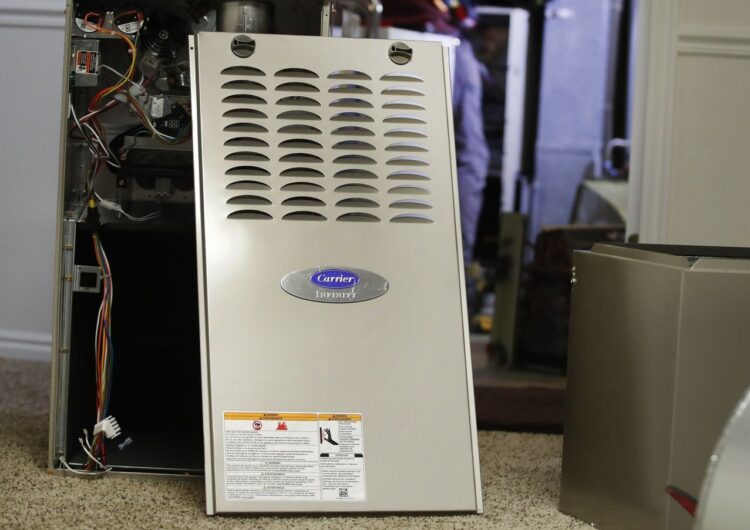
Carrier Gas Furnace Manuals
Decoding Your Carrier Gas Furnace Manual: A Homeowner's Guide
Your Carrier gas furnace is a complex piece of machinery, but understanding its basic operation and having access to the manual can save you time, money, and frustration. This guide provides a homeowner-friendly overview of how to use your Carrier furnace manual for troubleshooting, maintenance, and minor repairs. Remember, safety is paramount. If you're uncomfortable with any procedure, always call a qualified HVAC technician.
Finding Your Carrier Furnace Manual
The first step is locating the correct manual for your specific furnace model. Here's how:
- Check the Furnace Itself: Look for a rating plate typically located inside the blower compartment or on the unit's exterior. This plate contains the model number and serial number. Turn off the power to the furnace before opening the blower compartment.
- Search Online: Once you have the model number, search online. Go to Carrier's official website or use a search engine like Google. Try searching for "Carrier [Model Number] furnace manual PDF." Many manufacturers provide digital manuals for download.
- Check Your Homeowner's Documents: When you purchased your home, the previous owner might have left the manual. Check in your home's records, appliance folders, or even with your real estate agent.
- Contact Carrier Directly: If you can't find the manual online, contact Carrier customer service. They may be able to provide a digital copy or direct you to a resource where you can obtain one.
Having the correct manual is critical. A manual for a similar, but different, model may contain incorrect information, leading to improper troubleshooting or even damage to your furnace.
Understanding Common Sections in Your Carrier Furnace Manual
Most Carrier furnace manuals include these key sections:
- Safety Information: This section is crucial. It outlines potential hazards related to gas, electricity, and moving parts. Always read and understand this section before attempting any work on your furnace.
- Operating Instructions: Learn how to properly start and shut down your furnace, adjust the thermostat, and understand the different operating modes.
- Maintenance Schedule: This section details recommended maintenance tasks, such as filter replacement and visual inspections. Adhering to this schedule can extend the life of your furnace and improve its efficiency.
- Troubleshooting Guide: This is your go-to resource when something goes wrong. It lists common problems, their potential causes, and suggested solutions.
- Parts List: This section provides a list of replaceable parts, along with their part numbers. This is useful if you need to order replacement parts.
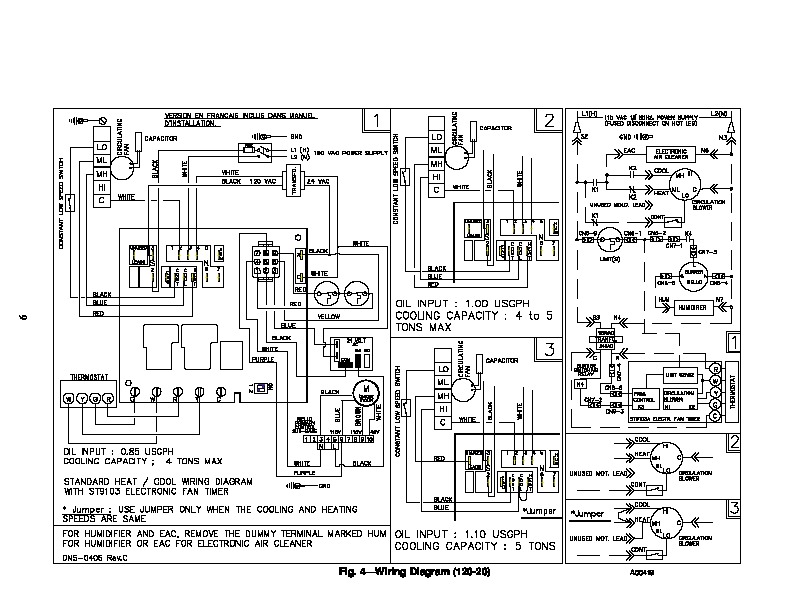
- Wiring Diagrams: These diagrams are complex and generally only useful for advanced troubleshooting. If you're not comfortable reading electrical diagrams, consult a qualified technician.
DIY Troubleshooting Using Your Carrier Furnace Manual
Your furnace manual can guide you through several common troubleshooting scenarios. Here are a few examples, along with safety precautions:
1. Furnace Not Turning On
Possible Causes (Check your manual for specific causes related to your model):
- Tripped circuit breaker
- Thermostat set incorrectly
- Pilot light out (older models)
- Faulty flame sensor
- Blocked air filter
- Condensate drain clogged (high-efficiency furnaces)
Troubleshooting Steps:
- Check the Circuit Breaker: Ensure the breaker for the furnace is switched on. Reset it if it's tripped.
- Verify Thermostat Settings: Make sure the thermostat is set to "heat" and the temperature is set above the current room temperature. Check the batteries in your thermostat if it's battery-powered.
- Check the Air Filter: A dirty air filter restricts airflow, which can cause the furnace to overheat and shut down. Replace the filter with a new one of the correct size.
- Check the Pilot Light (If Applicable): If your furnace has a pilot light, follow the instructions in your manual to relight it. Be extremely cautious when working with gas. If you smell gas, evacuate the area immediately and call your gas company.
- Check the Condensate Drain (High-Efficiency Furnaces): A clogged condensate drain can trigger a safety switch that prevents the furnace from starting. Locate the drain line and clear any obstructions.
2. Furnace Cycles On and Off Frequently (Short Cycling)
Possible Causes:
- Dirty air filter
- Oversized furnace
- Blocked vents
- Faulty flame sensor
Troubleshooting Steps:
- Replace the Air Filter: A clogged air filter is a common cause of short cycling.
- Check for Blocked Vents: Ensure all supply and return vents are open and unobstructed.
- Consider Professional Evaluation: If the problem persists after checking the filter and vents, the furnace may be oversized or have a faulty flame sensor. Contact a qualified HVAC technician. Replacing a flame sensor requires some disassembly.
3. Unusual Noises
Possible Noises and Causes:
- Banging: Ductwork expansion and contraction, or loose components.
- Squealing: Blower motor issues, possibly a worn belt or bearings.
- Rattling: Loose panels or debris inside the blower compartment.
- Humming: Electrical issues or a failing capacitor.
Troubleshooting Steps:
- Identify the Source of the Noise: Try to pinpoint where the noise is coming from.
- Tighten Loose Panels: If the noise is due to loose panels, tighten the screws.
- Inspect the Blower Motor (Power Off): With the power OFF, visually inspect the blower motor for any signs of damage. If you're comfortable, you may try lubricating the motor bearings, if accessible.
- Call a Professional: Most unusual noises indicate a more serious problem that requires professional diagnosis and repair. Attempting to repair a blower motor without proper training can be dangerous.
Essential Tools and Parts for DIY Furnace Maintenance
Having these tools and parts on hand can make basic maintenance and minor repairs easier:
Tools:
- Screwdrivers (Phillips and flathead)
- Wrench set
- Multimeter (for electrical testing - use with extreme caution)
- Vacuum cleaner
- Work light
- Safety glasses
- Gloves
Parts:
- Replacement air filters (ensure you have the correct size)
- Replacement flame sensor (if you're comfortable replacing it)
- Replacement ignitor (if you're comfortable replacing it)
- Universal gas valve (for older furnaces)
When to Call a Professional HVAC Technician
While your Carrier furnace manual can be helpful for basic troubleshooting, some problems require the expertise of a qualified HVAC technician. Here are some situations where you should always call a professional:
- Gas Leaks: If you smell gas, evacuate the area immediately and call your gas company.
- Carbon Monoxide Detection: If your carbon monoxide detector goes off, evacuate the premises and call the fire department.
- Complex Electrical Issues: Do not attempt to repair complex electrical problems.
- Refrigerant Leaks: Furnaces do not use refrigerant. That would be a Heat Pump which requires a certified technician due to EPA regulations.
- Major Component Failures: If a major component, such as the gas valve, blower motor, or heat exchanger, fails, it's best to have it replaced by a professional.
- If You're Unsure: If you're not comfortable or confident performing a repair, call a professional. It's better to be safe than sorry.
Estimating Repair Costs
Repair costs can vary depending on the problem, the complexity of the repair, and your location. Here are some rough estimates:
- Air Filter Replacement: $10 - $30 (DIY)
- Flame Sensor Replacement: $100 - $200 (Professional)
- Ignitor Replacement: $150 - $250 (Professional)
- Gas Valve Replacement: $300 - $600 (Professional)
- Blower Motor Replacement: $400 - $800 (Professional)
- Heat Exchanger Replacement: $1500 - $3000+ (Professional)
These are just estimates. Always get a written estimate from a qualified HVAC technician before authorizing any repairs.
Regular Maintenance: The Key to a Long-Lasting Furnace
The best way to avoid costly repairs is to perform regular maintenance on your Carrier furnace. This includes:
- Replacing the Air Filter Regularly: Check your filter monthly and replace it as needed.
- Scheduling Annual Inspections: Have a qualified HVAC technician inspect your furnace annually. They can identify potential problems early and perform necessary maintenance.
- Keeping the Area Around the Furnace Clean: Remove any debris or obstructions from around the furnace.
By understanding your Carrier gas furnace manual and following these tips, you can keep your furnace running smoothly and efficiently for years to come. Remember to always prioritize safety and call a professional when needed.