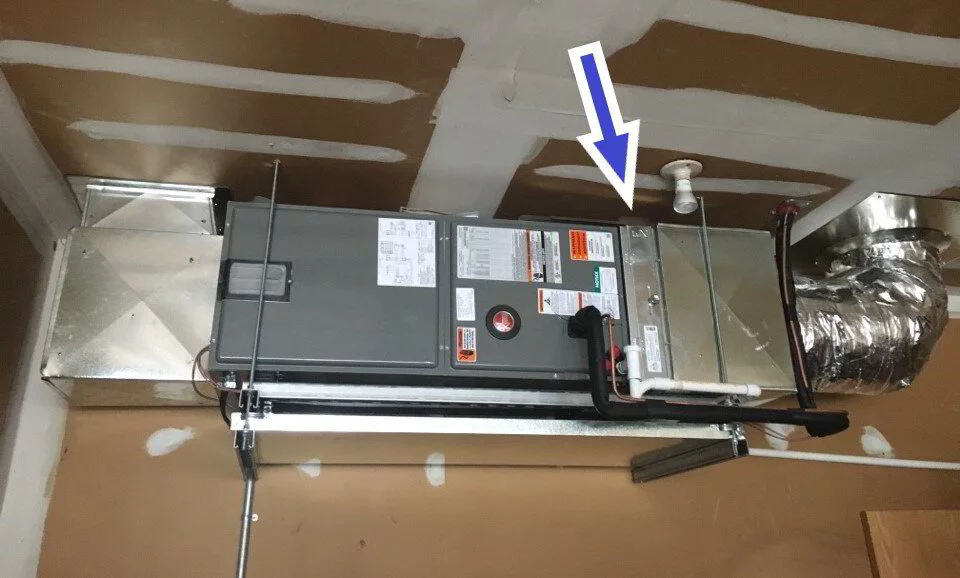
Carrier Horizontal Furnace Filter Location

Many homeowners experience inconsistent heating or cooling, or even a complete system failure with their Carrier horizontal furnace. Often, the culprit is something simple: a dirty or clogged furnace filter. A neglected filter restricts airflow, forcing your furnace to work harder, reducing efficiency, and potentially causing serious damage. But before you call a repair technician, let's troubleshoot this common issue. This article focuses specifically on Carrier horizontal furnace filter location and how to identify and address filter-related problems.
Finding the Filter: A Step-by-Step Guide
The first step is, of course, locating the filter. With a horizontal furnace, the filter is typically found in one of a few key locations. Don't worry; we'll walk you through each possibility.
Option 1: The Furnace Cabinet (Most Common)
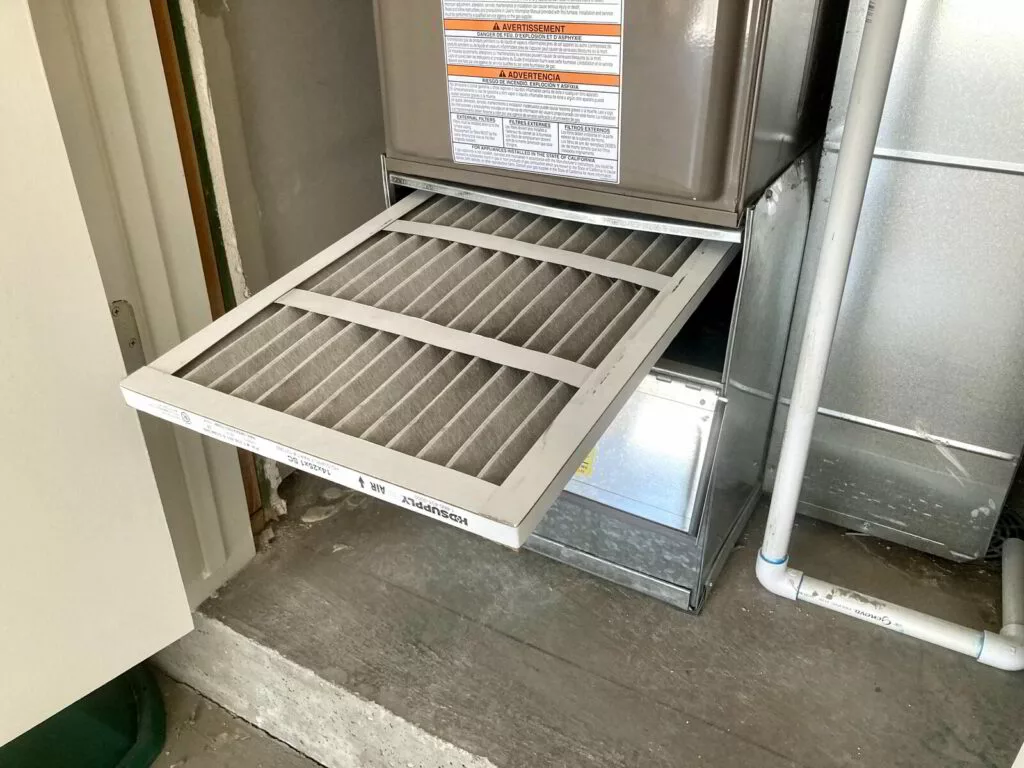
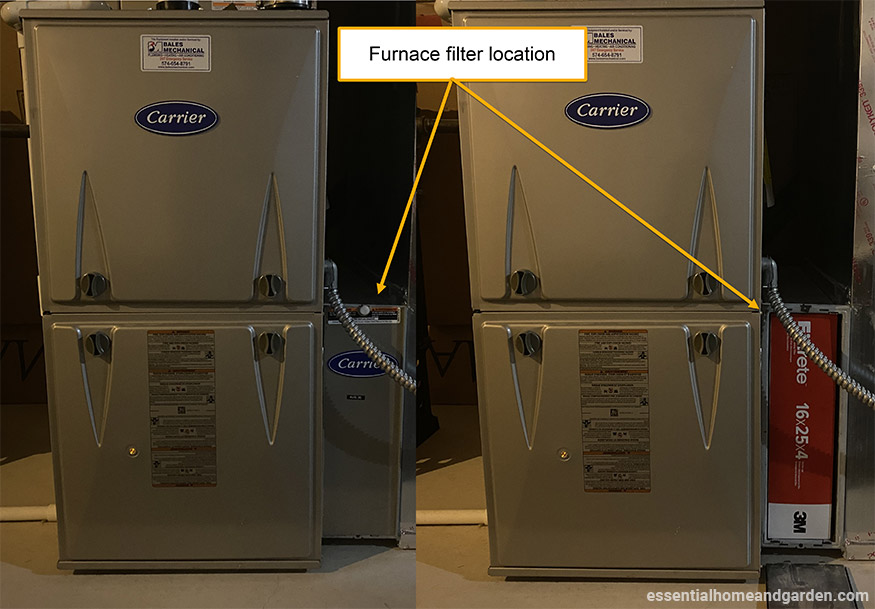
This is the most likely location. The filter will be housed either inside the furnace cabinet itself or in a slot just outside the cabinet. Here's how to find it:
- Turn Off the Power: Before you do anything, turn off the furnace's power at the breaker box. This is a critical safety step.
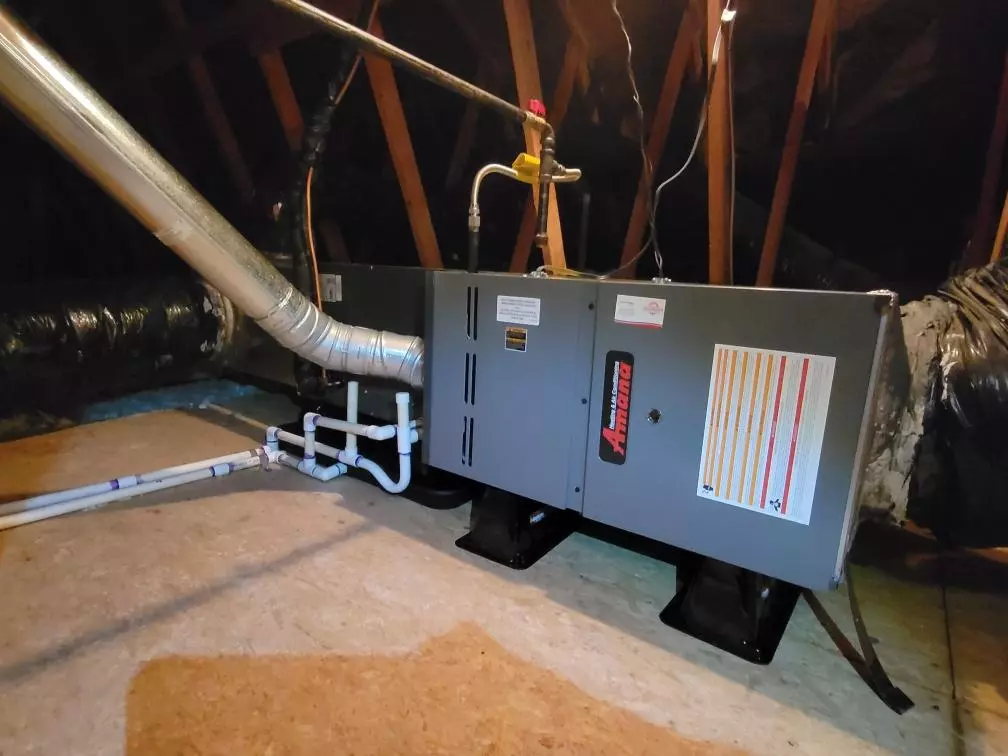
- Locate the Furnace: Find your furnace. It's usually in a basement, attic, closet, or crawl space.
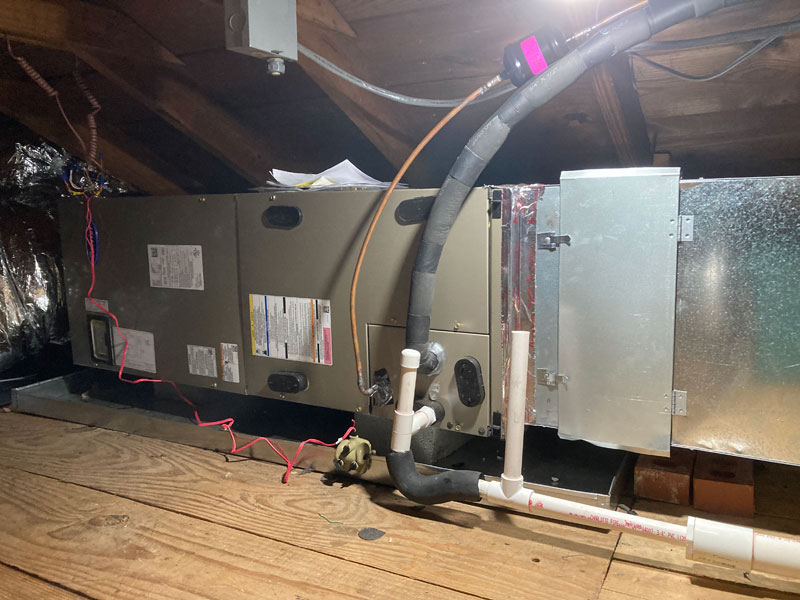
- Examine the Cabinet Sides: Look for a slot or door, usually rectangular or square, on the side of the furnace cabinet. Horizontal furnaces, as the name suggests, lie on their sides, so the filter access will be on one of the larger vertical faces.
- Check for Markings: Look for labels such as "Filter," an arrow indicating airflow direction, or a removable panel.
- Open the Access Point: If you find a door or panel, it might be held in place by clips, screws, or a simple latch. Remove the panel carefully.
- Inspect the Filter: Once the panel is open, you should see the filter. Note its orientation – the arrow on the filter frame indicates the direction of airflow, which is crucial for proper installation later.
Pro Tip: Take a photo of the filter and its orientation before removing it. This will serve as a handy reference when replacing it.
Option 2: In a Separate Filter Housing Near the Furnace
Sometimes, the filter isn't integrated directly into the furnace cabinet. Instead, it might be housed in a separate filter box connected to the ductwork near the furnace. This is particularly common in older installations or customized setups.
- Follow the Ductwork: Start at the furnace and trace the ductwork connected to it, specifically the return air duct. This is the duct that brings air *to* the furnace to be heated or cooled.
- Look for a Box or Panel: Along the return air duct, look for a rectangular or square box or panel with an access door. It will likely be closer to the furnace than further down the duct run.
- Check for Markings: As with the cabinet-mounted filter, look for markings like "Filter" or an arrow indicating airflow.
- Open the Access Point: Open the access panel and inspect the filter, noting its orientation.
Option 3: Behind the Return Air Grille(s)
In some cases, especially in homes with simpler ductwork systems, the filter might be located behind the return air grille. These grilles are typically larger than supply vents and are designed to draw air back into the furnace.
- Identify Return Air Grilles: Look for large grilles on walls or ceilings, often centrally located in your home. These are the return air grilles.
- Remove the Grille: Most return air grilles are held in place by screws or clips. Remove the grille carefully.
- Inspect Behind the Grille: Behind the grille, you might find the filter.
- Note the Filter Size and Orientation: As before, note the filter size and the direction of the airflow arrow.
Important Note: If you have multiple return air grilles and suspect this is the filter location, check them all. You might have a filter at each grille or only at one central location.
Diagnosing Filter-Related Problems
Once you've located the filter, inspect it. Here's what to look for:
- Excessive Dust and Debris: A visibly dirty filter is a clear sign it needs to be replaced. Hold it up to the light; if you can't see light through it, it's definitely clogged.
- Bent or Damaged Filter Frame: A damaged frame can allow air to bypass the filter, reducing its effectiveness and potentially damaging the furnace.
- Incorrect Filter Size: An improperly sized filter won't fit snugly and can allow unfiltered air to circulate, reducing efficiency and potentially damaging the furnace.
DIY Fixes: Replacing the Filter
Replacing a furnace filter is a simple DIY task. Here's how to do it:
- Purchase the Correct Filter: This is crucial. Use the dimensions printed on the old filter frame to buy a replacement of the same size. You can also refer to your furnace's manual for the correct filter specification. Consider the MERV rating (Minimum Efficiency Reporting Value). A higher MERV rating indicates better filtration but can also restrict airflow more. A MERV rating between 8 and 13 is generally recommended for residential use.
- Turn Off the Power: Again, ensure the furnace power is off at the breaker box.
- Remove the Old Filter: Carefully slide the old filter out of its slot or housing. Be prepared for a puff of dust!
- Insert the New Filter: Align the new filter with the airflow arrow pointing in the correct direction (usually towards the furnace blower). Slide it into the slot until it's snug.
- Replace the Access Panel: Secure the access panel, door, or grille. Ensure it's properly closed and latched.
- Restore Power: Turn the power back on at the breaker box.
Disposing of the Old Filter: Seal the used filter in a plastic bag before disposing of it to prevent dust and allergens from spreading.
When to Call a Professional
While replacing a filter is a straightforward DIY task, certain situations warrant professional intervention. Here are some red flags:
- You Can't Locate the Filter: If you've followed the steps above and still can't find the filter, it's time to call a professional. They can locate the filter and ensure it's properly accessible for future maintenance.
- The Furnace Still Isn't Working After Replacing the Filter: A new filter should improve airflow and furnace performance. If the furnace still isn't heating or cooling properly, there's likely a more significant underlying issue.
- Signs of Furnace Damage: If you notice signs of overheating (burning smell), unusual noises, or visible damage to the furnace components, do not attempt to fix it yourself. Call a qualified HVAC technician immediately.
- Frequent Filter Clogging: If your filter clogs very quickly (within a month or two), even with a clean filter, it could indicate a problem with your ductwork, excessive dust in your home, or a malfunctioning air cleaner. A professional can diagnose and address the root cause.
- Mold or Mildew Growth: If you see mold or mildew on or around the filter, do not handle it directly. Call a professional for proper cleaning and remediation to prevent the spread of mold spores.
- You are uncomfortable working with electrical or mechanical components: Your safety is paramount. If you are unsure or uncomfortable about performing any of these tasks, call a professional.
Preventative Maintenance: Keeping Your Furnace Healthy
Regular filter changes are essential for maintaining your Carrier horizontal furnace's health and efficiency. Here are some tips for preventative maintenance:
- Change the Filter Regularly: As a general rule, replace your furnace filter every 1-3 months. However, this can vary depending on factors such as the number of occupants in your home, pets, and the air quality in your area. Check the filter monthly and replace it when it appears dirty.
- Consider a Filter Subscription: Many companies offer filter subscription services that automatically ship replacement filters to your door on a regular schedule. This can help you stay on top of filter changes.
- Schedule Regular HVAC Maintenance: In addition to filter changes, schedule annual maintenance with a qualified HVAC technician. They can inspect and clean your furnace, check for potential problems, and ensure it's operating efficiently.
- Keep Your Home Clean: Regularly dust and vacuum your home to reduce the amount of dust and debris that enters your HVAC system.
- Seal Air Leaks: Seal any air leaks around windows, doors, and ductwork to prevent unfiltered air from entering your home and putting extra strain on your furnace.
By understanding the location of your Carrier horizontal furnace filter, recognizing the signs of a dirty filter, and following these DIY troubleshooting tips, you can keep your furnace running efficiently and avoid costly repairs. Remember, however, that your safety is always the top priority. Don't hesitate to call a professional when needed.