Carrier Hvac Capacitor

Carrier HVAC Capacitor: The Unsung Hero of Energy Efficiency and How to Save Money with It
Your Carrier HVAC system is a complex machine, a symphony of components working in harmony to keep your home or business comfortable. But like any orchestra, even a small instrument out of tune can throw off the entire performance, costing you money and energy. One such often-overlooked component is the capacitor. While seemingly insignificant, a healthy capacitor is crucial for efficient operation and can significantly impact your energy bills. This article delves into the world of Carrier HVAC capacitors, explaining their function, common issues, and how ensuring their optimal performance can save you money.
What is a Carrier HVAC Capacitor and What Does It Do?
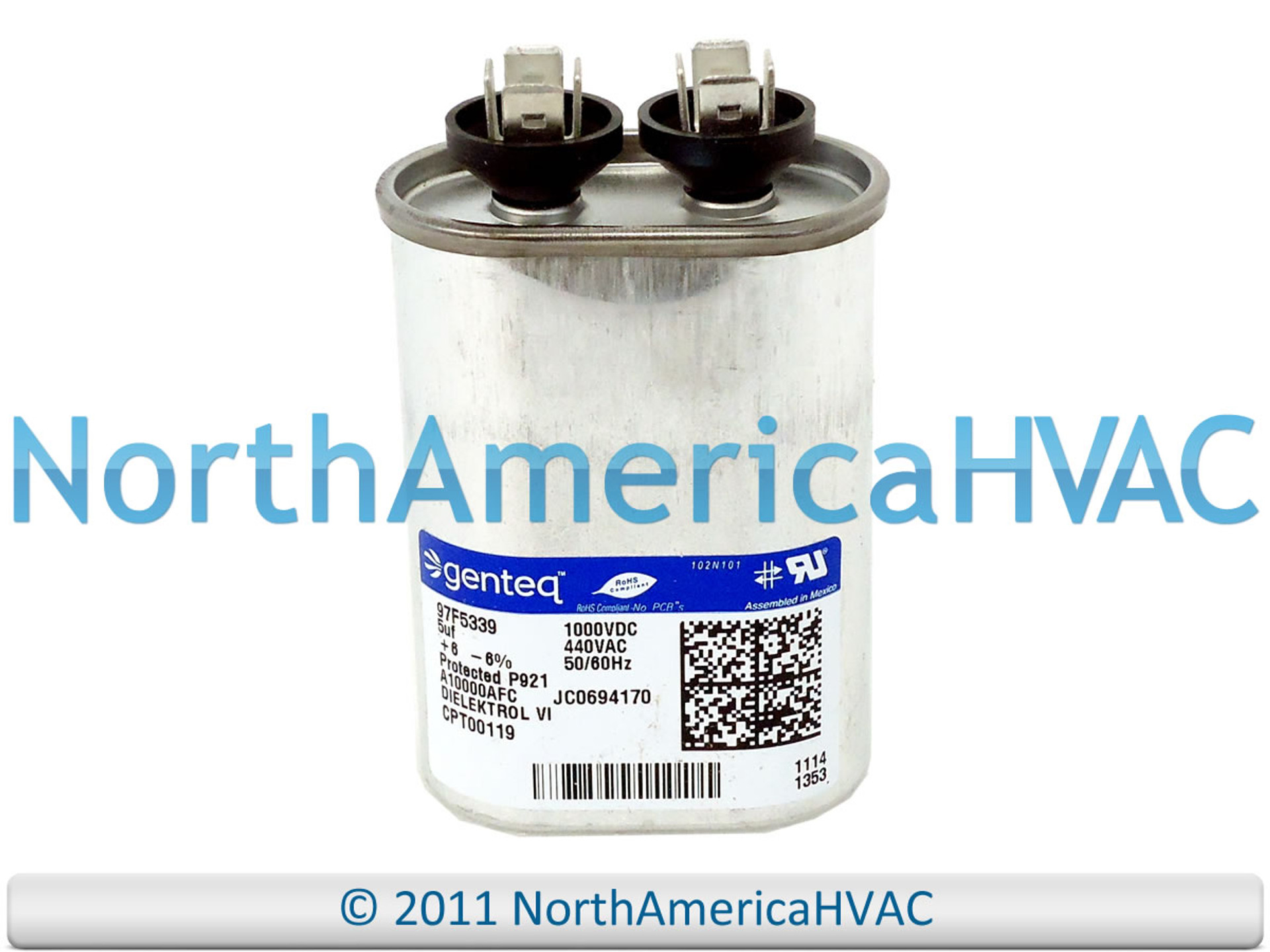
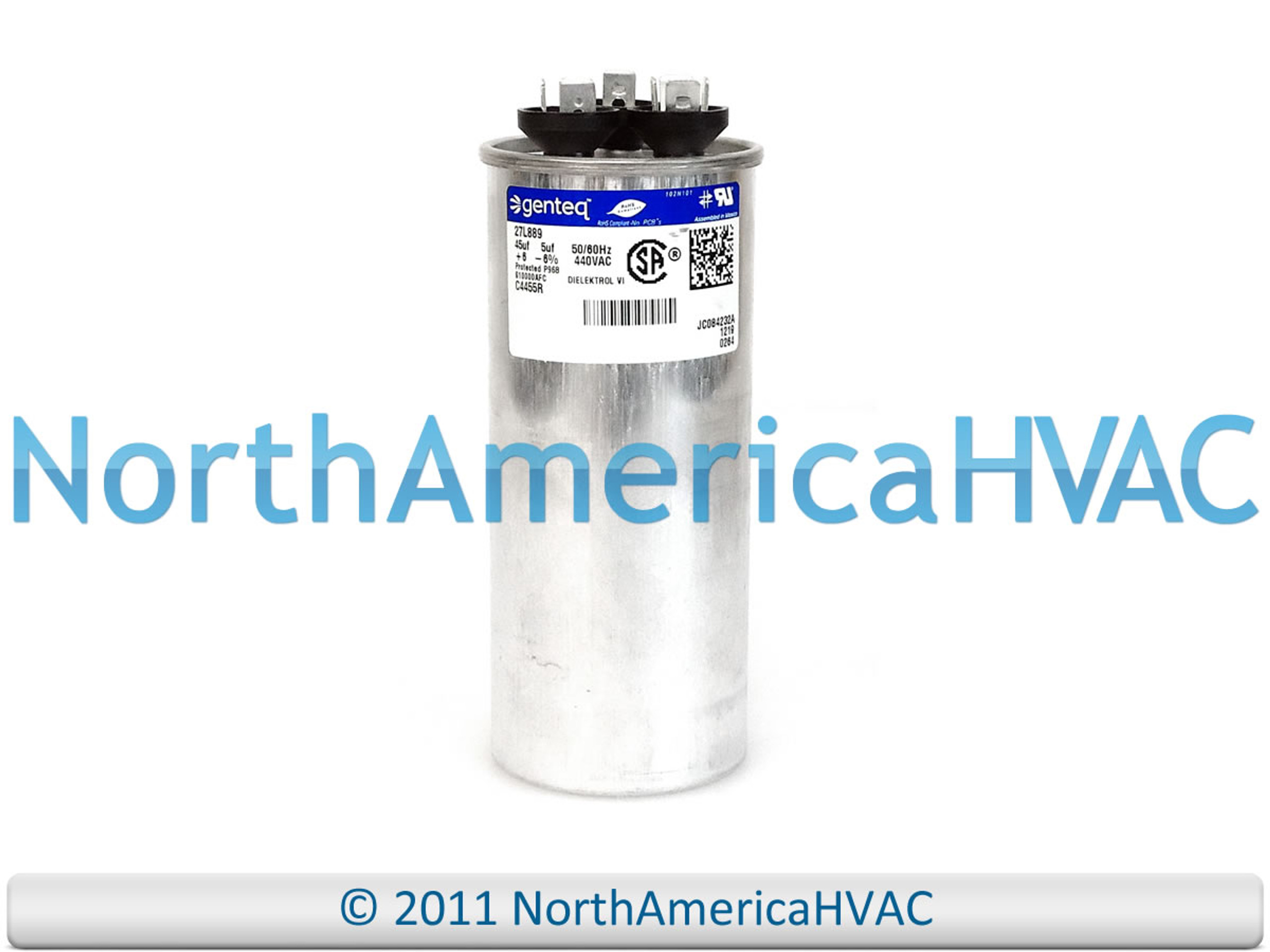
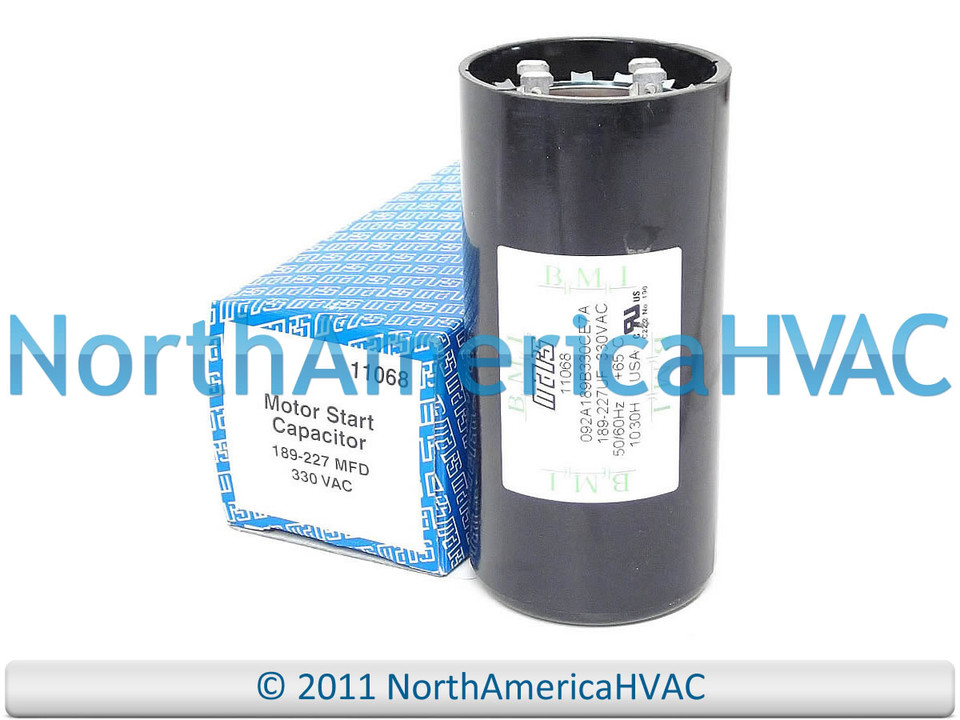
Imagine your HVAC system's compressor and fan motors as needing a powerful initial "kick" to get them going. That's precisely the job of the capacitor. It's an electrical component that stores energy and releases it in a surge, providing the necessary boost to start these critical motors. Think of it like a rechargeable battery specifically designed for short, high-power bursts.
Carrier HVAC systems typically utilize two types of capacitors:
- Start Capacitors: These provide a powerful jolt to start the motor. They are designed for short bursts and quickly disconnect after the motor is running.
- Run Capacitors: These provide a continuous boost to the motor while it's running, improving its efficiency and reducing energy consumption.
Without a functioning capacitor, the motor will struggle to start, drawing excessive current, overheating, and potentially failing prematurely. This leads to higher energy consumption and increased wear and tear on your entire system.
Common Signs of a Failing Carrier HVAC Capacitor
Recognizing the signs of a failing capacitor is crucial for preventing costly repairs and maintaining optimal energy efficiency. Here are some common indicators:
- Humming Noise: A distinct humming sound from your outdoor unit, especially when starting, can indicate the motor is struggling due to a weak capacitor.
- Delayed Startup: If your system takes longer than usual to start, or seems to "stutter" before kicking in, suspect a capacitor issue.
- Increased Energy Bills: A failing capacitor forces the motor to work harder, leading to higher energy consumption and a noticeable increase in your monthly bills. Monitor your bills for unexpected spikes.
- Overheating: A malfunctioning capacitor can cause the motor to overheat, potentially leading to permanent damage. Feel the outdoor unit; if it's excessively hot, contact an HVAC professional immediately.
- System Failure: In severe cases, a completely failed capacitor can prevent the system from starting at all.
If you observe any of these signs, it's essential to contact a qualified HVAC technician for diagnosis and repair. Attempting to diagnose or repair electrical components yourself can be dangerous.
The Energy Savings of a Healthy Capacitor: ROI and Data
While a capacitor might seem like a small part, its impact on energy efficiency can be significant. A weak or failing capacitor forces the motor to work harder, consuming more electricity. Replacing a faulty capacitor can result in noticeable energy savings.
Here's a breakdown of potential savings:
- Reduced Energy Consumption: A properly functioning capacitor ensures the motor operates at its designed efficiency, minimizing energy waste. Studies show that a failing capacitor can increase energy consumption by 10-20%.
- Extended Motor Lifespan: By reducing stress on the motor, a healthy capacitor can extend its lifespan, saving you money on premature replacements.
- Lower Repair Costs: Addressing capacitor issues early can prevent more significant and costly repairs down the line, such as compressor failure.
Example: Consider a homeowner with a Carrier air conditioner experiencing a 15% increase in energy consumption due to a failing capacitor. If their average monthly electricity bill is $200 during the summer months, that's an extra $30 per month, or $180 over a typical 6-month cooling season. Replacing the capacitor, which typically costs between $100 and $300 (including labor), could pay for itself within a single cooling season.
Choosing the Right Carrier HVAC Capacitor
When replacing a capacitor, it's crucial to choose the correct replacement for your specific Carrier HVAC model. Capacitors are rated by capacitance (measured in microfarads or µF) and voltage. Using the wrong capacitor can damage your system and void your warranty.
Key Considerations:
- Match the Specifications: The replacement capacitor must have the same capacitance and voltage ratings as the original. This information is typically printed on the capacitor itself.
- Use OEM Parts: Using genuine Carrier OEM (Original Equipment Manufacturer) parts ensures compatibility and optimal performance. While aftermarket options might be cheaper, they may not meet the same quality standards and could lead to premature failure.
- Consider a Hard Start Kit: For older or less efficient systems, a hard start kit can further improve starting efficiency and reduce stress on the capacitor and motor. These kits include a more powerful capacitor and a relay to provide an even stronger initial boost.
Always consult with a qualified HVAC technician to ensure you select the correct capacitor for your system and that it is installed properly.
Smart HVAC Integration and Capacitor Monitoring
Integrating your Carrier HVAC system with smart home technology, such as a smart thermostat and sensors, can provide valuable insights into your system's performance and help you identify potential capacitor issues early on.
Benefits of Smart HVAC Integration:
- Remote Monitoring: Smart thermostats allow you to monitor your system's performance remotely, tracking energy consumption and identifying any unusual patterns.
- Early Detection: Some smart thermostats and sensors can detect voltage fluctuations or changes in motor performance, potentially indicating a failing capacitor before it causes a complete system failure.
- Automated Alerts: Smart systems can send alerts to your smartphone or email if they detect any potential problems, allowing you to address them promptly.
- Optimized Efficiency: Smart thermostats can learn your heating and cooling preferences and automatically adjust the system to maximize energy efficiency. Consider features like geofencing which adjusts the thermostat based on your location.
While smart home technology cannot directly monitor the capacitor itself, it can provide valuable data that helps you identify potential issues and optimize your system's performance, indirectly extending the life of the capacitor and motor.
Government Guidelines, Rebates, and Energy Star
The U.S. Department of Energy and the Environmental Protection Agency (EPA) offer various programs and resources to promote energy efficiency in homes and businesses. Look for the Energy Star label when purchasing new HVAC equipment. Energy Star-certified systems are designed to meet stringent energy efficiency standards and can save you money on your energy bills.
Rebates and Incentives: Many utility companies offer rebates and incentives for upgrading to energy-efficient HVAC systems or making energy-saving improvements. Check with your local utility company for available programs in your area. These rebates can help offset the cost of a new system or capacitor replacement, making it even more affordable to improve your energy efficiency.
Tax Credits: The federal government also offers tax credits for certain energy-efficient home improvements, including HVAC upgrades. Consult with a tax professional to determine if you qualify for any tax credits.
"Investing in energy-efficient HVAC equipment and maintaining your system properly is not only good for your wallet but also for the environment." – Energy Star
Maintenance Tips to Extend Capacitor Life
Proper maintenance is crucial for extending the lifespan of your Carrier HVAC capacitor and ensuring optimal performance. Here are some essential maintenance tips:
- Regular Inspections: Schedule annual maintenance inspections with a qualified HVAC technician. They can identify potential problems, including capacitor issues, before they lead to more significant repairs.
- Clean the Outdoor Unit: Keep the outdoor unit free of debris, such as leaves, grass clippings, and dirt. This allows for proper airflow and prevents the system from overheating, which can stress the capacitor.
- Change Air Filters Regularly: Clogged air filters restrict airflow, forcing the system to work harder and increasing the risk of capacitor failure. Change your air filters every 1-3 months, depending on usage.
- Avoid Overloading the System: Don't set your thermostat too low in the summer or too high in the winter. This can strain the system and shorten the lifespan of the capacitor.
- Consider a Surge Protector: Power surges can damage sensitive electronic components, including capacitors. Install a surge protector to protect your system from voltage spikes.
Finding a Qualified HVAC Technician
When it comes to diagnosing and repairing Carrier HVAC capacitor issues, it's essential to choose a qualified and experienced HVAC technician. Look for a technician who is licensed, insured, and has experience working with Carrier systems.
Key Considerations:
- Licensing and Insurance: Ensure the technician is properly licensed and insured to protect yourself from liability.
- Experience: Choose a technician who has experience working with Carrier HVAC systems and is familiar with their specific components and troubleshooting procedures.
- Reputation: Check online reviews and ask for references to gauge the technician's reputation and customer satisfaction.
- Certifications: Look for certifications such as NATE (North American Technician Excellence) or HVAC Excellence, which indicate that the technician has undergone rigorous training and testing.
- Transparent Pricing: Get a detailed estimate before any work begins, outlining the cost of parts and labor.
By taking the time to find a qualified HVAC technician, you can ensure that your system is properly diagnosed and repaired, saving you money and preventing future problems.
In conclusion, the Carrier HVAC capacitor may be a small component, but its impact on energy efficiency and system performance is significant. By understanding its function, recognizing the signs of failure, and taking proactive maintenance steps, you can ensure that your system operates at its peak efficiency, saving you money on your energy bills and extending the lifespan of your equipment. Remember to consult with a qualified HVAC technician for any capacitor-related issues and consider integrating your system with smart home technology for enhanced monitoring and control. By taking these steps, you can enjoy a comfortable and energy-efficient home or business for years to come.