Carrier Natural Gas Furnace

Natural gas furnaces are a popular choice for home heating due to their efficiency and reliability. Carrier is a well-known and trusted brand in the HVAC industry, offering a wide range of gas furnace models. This guide will help you understand the basics of Carrier natural gas furnaces, troubleshoot common issues, and determine when to call a professional.
Understanding Your Carrier Natural Gas Furnace
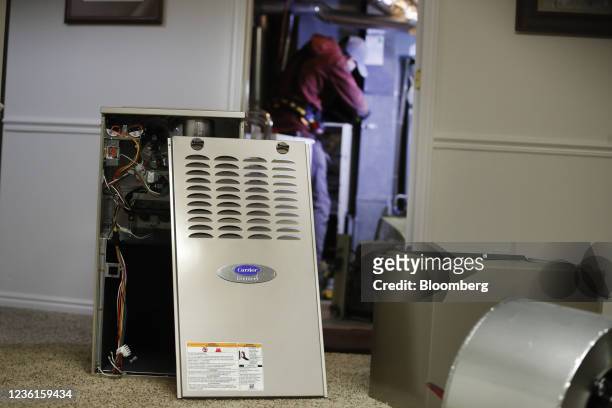
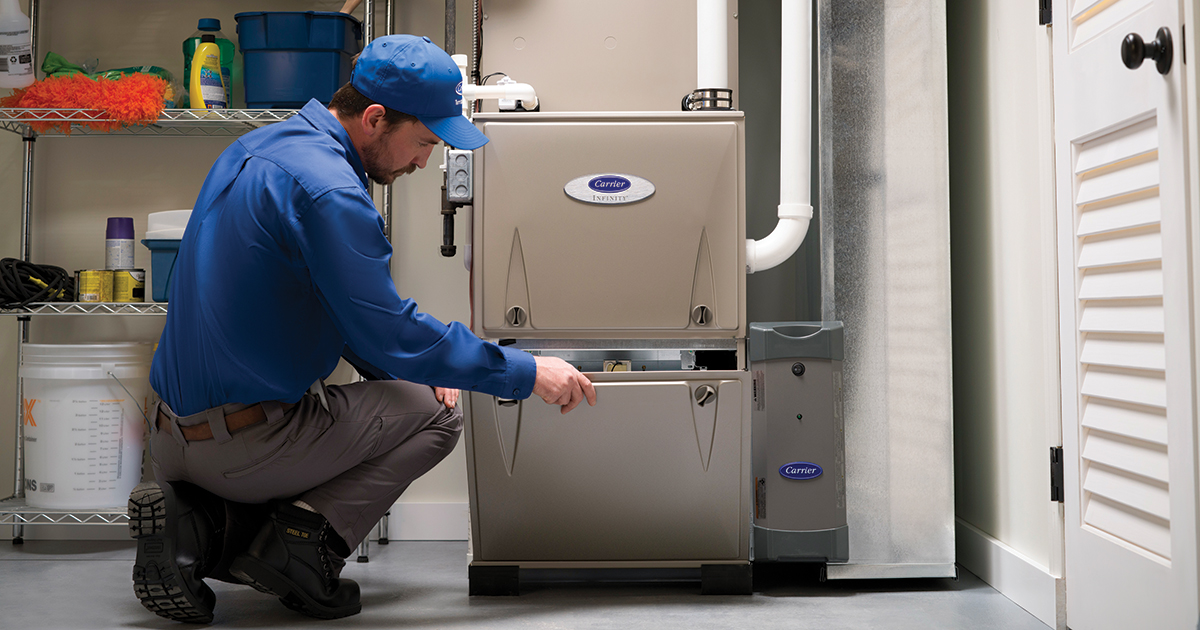
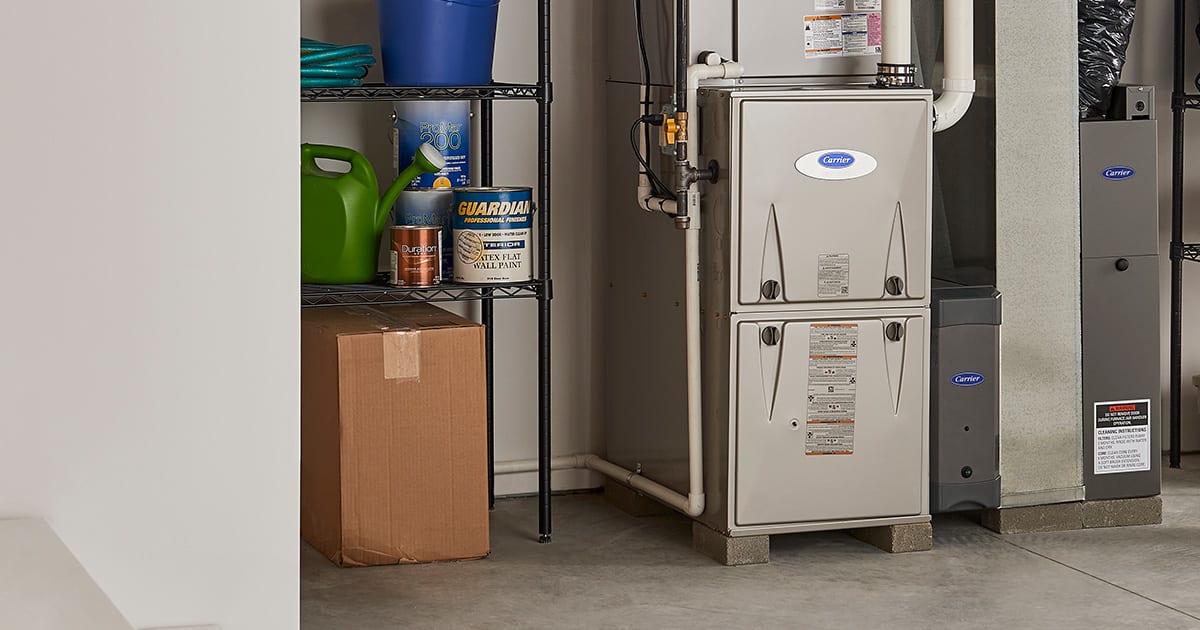
Before attempting any repairs, it's crucial to understand the basic components and operation of your Carrier furnace. A typical natural gas furnace consists of the following:
- Thermostat: Controls the furnace by sensing the ambient air temperature.
- Gas Valve: Regulates the flow of natural gas to the burners.
- Burners: Mix gas and air to create a flame for heating.
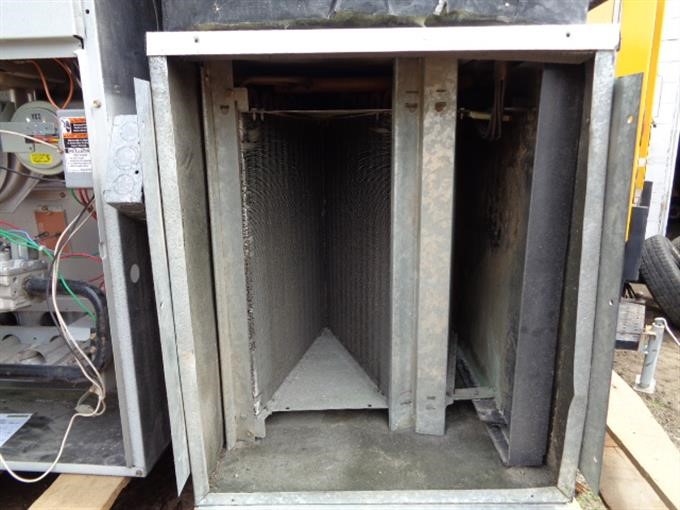
- Heat Exchanger: Transfers heat from the combustion process to the air.
- Blower Motor: Circulates air through the heat exchanger and into your home's ductwork.
- Ignition System: Lights the burners, either with a pilot light (older models) or an electronic igniter (newer models).
- Flame Sensor: Detects the presence of a flame and ensures the gas valve remains open.
- Control Board: The "brain" of the furnace, controlling various functions and monitoring safety sensors.
- Flue Pipe: Vents combustion gases safely outside your home.
- Safety Switches: High limit switch, roll-out switch that shut down the furnace if it overheats or detects dangerous conditions.
How a Natural Gas Furnace Works
When your thermostat calls for heat, the following sequence generally occurs:
- The thermostat signals the control board to start the heating cycle.
- The inducer motor (if present) starts, creating a draft to vent combustion gases.
- The ignition system activates, either lighting the pilot light or energizing the electronic igniter.
- The gas valve opens, allowing natural gas to flow to the burners.
- The burners ignite, producing a flame within the combustion chamber.
- The flame sensor detects the flame and keeps the gas valve open.
- The blower motor turns on, circulating air through the heat exchanger, which warms the air.
- Warm air is distributed through your home's ductwork.
- Once the thermostat reaches the set temperature, the furnace shuts off, reversing the above sequence.
Common Carrier Furnace Problems and Troubleshooting
Here are some common problems you might encounter with your Carrier natural gas furnace and steps you can take to troubleshoot them:
Furnace Won't Turn On
This is a frustrating issue, but often has a simple solution.
- Check the Thermostat: Ensure the thermostat is set to "Heat" and the temperature is set higher than the current room temperature. Also, check the batteries (if applicable).
- Check the Power Supply: Verify that the furnace power switch (usually located on the side of the furnace) is turned on. Check the circuit breaker for the furnace and reset it if necessary.
- Check the Gas Supply: Ensure the gas valve to the furnace is open. Also, check if other gas appliances in your home are working. If not, there may be a problem with your gas supply. Contact your gas company.
- Check the Emergency Shutoff Switch: Some homes have an emergency shutoff switch near the furnace. Make sure it is in the "on" position.
- Check the Air Filter: A dirty air filter can restrict airflow and cause the furnace to overheat, triggering a safety shutoff. Replace the air filter.
When to call a professional: If you've checked all of the above and the furnace still won't turn on, there may be a more serious problem with the control board, gas valve, or other internal components.
Furnace Turns On But Doesn't Produce Heat
If the blower motor is running, but no warm air is coming out, here are a few things to investigate:
- Check the Pilot Light (Older Models): If your furnace has a pilot light, make sure it is lit. If it's not lit, follow the manufacturer's instructions to relight it.
- Check the Flame Sensor: A dirty or faulty flame sensor can prevent the gas valve from staying open. Try cleaning the flame sensor with fine steel wool.
- Check the Gas Valve: A faulty gas valve might not be opening properly. You can visually inspect it for damage, but further testing requires specialized tools and knowledge.
When to call a professional: Diagnosing and repairing gas valve or flame sensor issues can be dangerous if not done properly. It's best to consult with a qualified HVAC technician.
Furnace Cycles On and Off Rapidly (Short Cycling)
Short cycling can indicate a serious problem that can damage your furnace over time.
- Check the Air Filter: A clogged air filter is a common cause of short cycling. Replace it with a clean filter.
- Check the Flame Sensor: A dirty or weak flame sensor can cause the furnace to shut down prematurely.
- Check the High Limit Switch: The high limit switch is a safety device that shuts off the furnace if it gets too hot. If it's tripping frequently, it could indicate a problem with airflow or a faulty blower motor.
When to call a professional: Short cycling can be caused by a variety of issues, including a faulty blower motor, restricted airflow, or a problem with the control board. It's best to have a professional diagnose and repair the problem.
Unusual Noises
Strange noises coming from your furnace can indicate a problem with various components.
- Blower Motor: Squealing or grinding noises can indicate a worn-out blower motor bearing.
- Inducer Motor: A loud buzzing or rattling noise from the inducer motor can indicate a problem with the motor itself or a blockage in the vent pipe.
- Gas Valve: A hissing sound can indicate a gas leak. Immediately evacuate your home and call your gas company or 911.
When to call a professional: Any unusual noises should be investigated by a qualified HVAC technician. Gas leaks are extremely dangerous and should be addressed immediately.
Furnace Smells
Unpleasant smells coming from your furnace can indicate a variety of issues.
- Burning Smell: Often caused by dust burning off the heat exchanger after a period of disuse. Usually goes away after a short time. However, if it persists, it could indicate a more serious problem, such as a burning electrical component.
- Rotten Egg Smell: This is the odor of natural gas, which has been odorized with mercaptan for safety. Immediately evacuate your home and call your gas company or 911.
- Musty Smell: Can indicate mold growth in the ductwork. Have your ductwork inspected and cleaned by a professional.
When to call a professional: Gas leaks and persistent burning smells should be addressed immediately by a qualified HVAC technician or your gas company.
Safety Precautions
Working with natural gas and electrical components can be dangerous. Always take the following precautions:
- Turn off the power to the furnace at the circuit breaker before performing any repairs.
- Turn off the gas supply to the furnace before working on any gas-related components.
- Never attempt repairs you are not comfortable with.
- If you smell gas, immediately evacuate your home and call your gas company or 911.
- Wear safety glasses and gloves when working on your furnace.
- Consult the manufacturer's manual for specific instructions and safety information.
Tools and Parts You Might Need
Here's a list of common tools and parts you might need for basic Carrier furnace repairs:
Tools
- Screwdrivers (Phillips and flathead)
- Wrenches
- Multimeter
- Vacuum cleaner
- Wire stripper
- Pliers
- Safety glasses
- Gloves
- Fine steel wool
Parts
- Air filters
- Flame sensor
- Igniter
- Thermocouple (for older models)
- Blower motor capacitor
- Gas valve (if qualified)
Estimating Repair Costs
The cost of repairing a Carrier natural gas furnace can vary widely depending on the problem and the cost of labor in your area. Here are some rough estimates:
- Air filter replacement: $10-$30 (DIY)
- Flame sensor replacement: $100-$200
- Igniter replacement: $150-$300
- Blower motor capacitor replacement: $150-$350
- Blower motor replacement: $400-$800
- Gas valve replacement: $300-$600
- Control board replacement: $400-$800
- Heat exchanger replacement: $1500-$3000 (Often not recommended due to furnace age and cost)
These are just estimates, and it's always best to get a quote from a qualified HVAC technician before proceeding with any repairs.
When to Call a Professional
While some minor repairs can be handled by DIYers, it's important to know when to call a professional. Here are some situations where it's best to consult with a qualified HVAC technician:
- You smell gas.
- You are not comfortable working with gas or electrical components.
- You cannot diagnose the problem.
- The problem involves complex components such as the gas valve, control board, or heat exchanger.
- The furnace is under warranty.
A qualified HVAC technician has the training, experience, and tools necessary to diagnose and repair your Carrier natural gas furnace safely and effectively. They can also ensure that your furnace is operating efficiently and safely.
Preventative Maintenance for Your Carrier Furnace
Regular maintenance can help prevent problems and extend the life of your Carrier furnace. Here are some essential maintenance tasks:
- Replace the air filter regularly: At least every 1-3 months, or more often if you have pets or allergies.
- Schedule an annual inspection and tune-up: A qualified HVAC technician will inspect your furnace for potential problems, clean the burners, check the gas pressure, and test the safety controls.
- Keep the area around the furnace clean and free of debris.
- Make sure the vents and registers are clear of obstructions.
By following these tips, you can help keep your Carrier natural gas furnace running efficiently and reliably for years to come.