Carrier Unit Lookup By Serial Number
Decoding Your Carrier HVAC Unit: A Homeowner's Guide to Serial Number Lookup
Your Carrier HVAC system is a vital part of your home, keeping you comfortable year-round. Understanding its specific model and specifications can be invaluable, especially when troubleshooting issues, ordering replacement parts, or even estimating repair costs. Luckily, your unit's serial number holds the key to unlocking this information. This guide will walk you through locating your serial number, using it to identify your unit, and understanding what that information means for you.
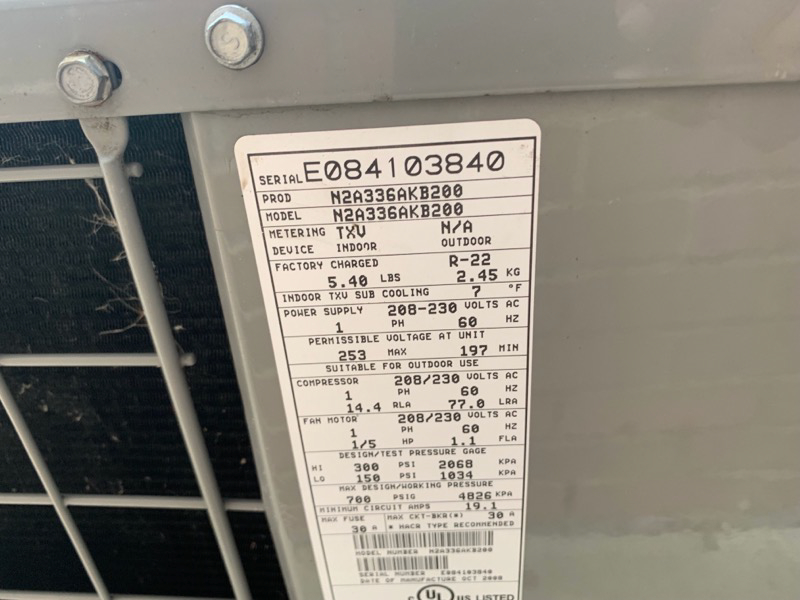
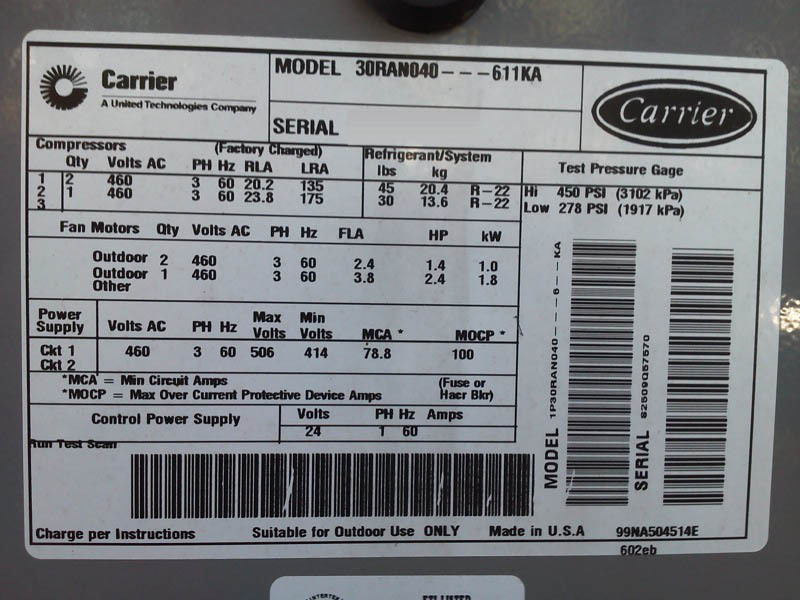
Finding Your Carrier Unit's Serial Number
The first step is locating the identification tag on your Carrier unit. This tag typically contains both the model and serial numbers. Here’s where to look, depending on the type of unit you have:
- Air Conditioner (Outdoor Unit): Look on the exterior of the unit, often on a side panel near the bottom. Check all sides carefully.
- Furnace (Indoor Unit): The tag is usually located inside the furnace cabinet, often on the inside of the access door or on the unit's side. You may need a flashlight to see it clearly. Be extremely cautious when opening the furnace cabinet, ensuring the power is OFF and you are not touching any electrical components. Safety first!
- Heat Pump (Outdoor Unit): Similar to air conditioners, check the exterior panels, typically near the bottom.
- Air Handler (Indoor Unit): Often found near the furnace or in an attic/crawlspace. Look for a similar tag as you would on a furnace.
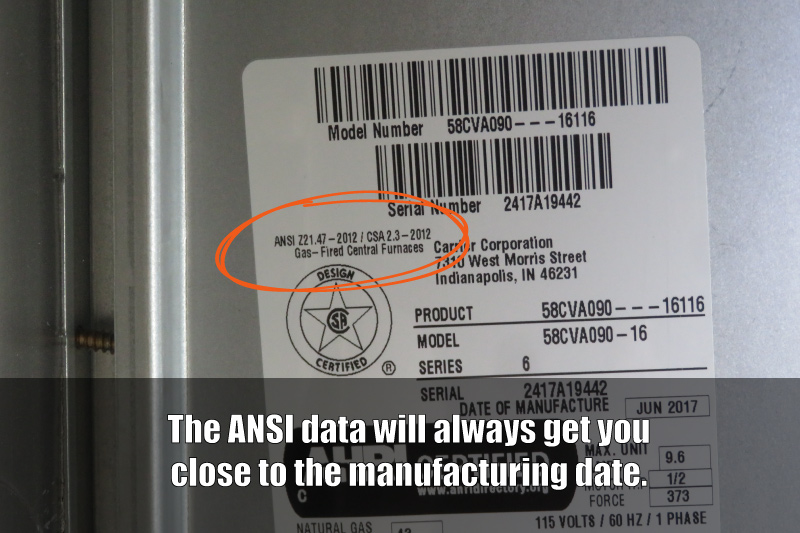
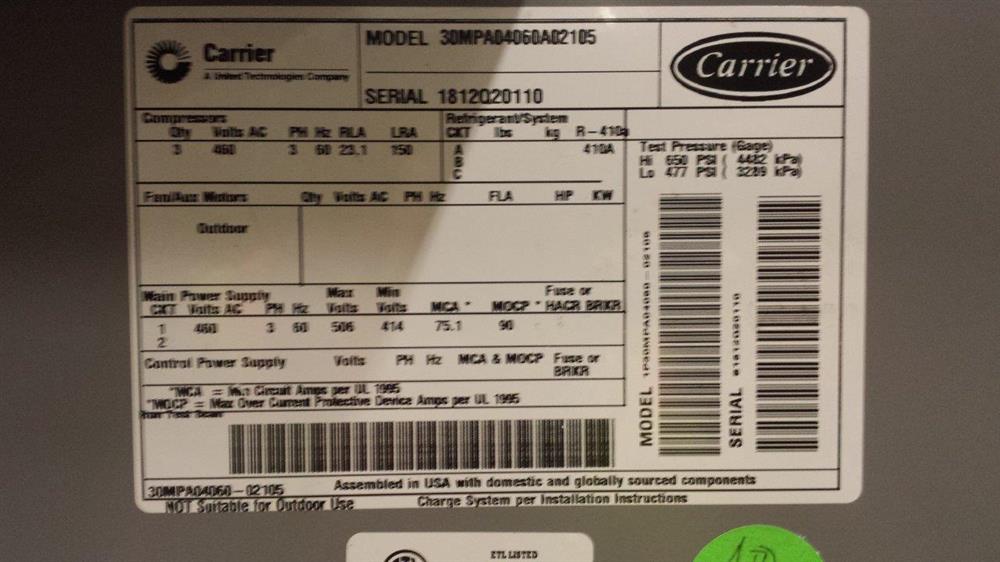
Once you find the tag, look for the words "Serial Number," "S/N," or "Serial No." The serial number is usually a string of numbers and letters. Note it down accurately. Taking a picture with your phone is also a great way to ensure you have the correct information.
Decoding the Serial Number: What Information Does It Provide?
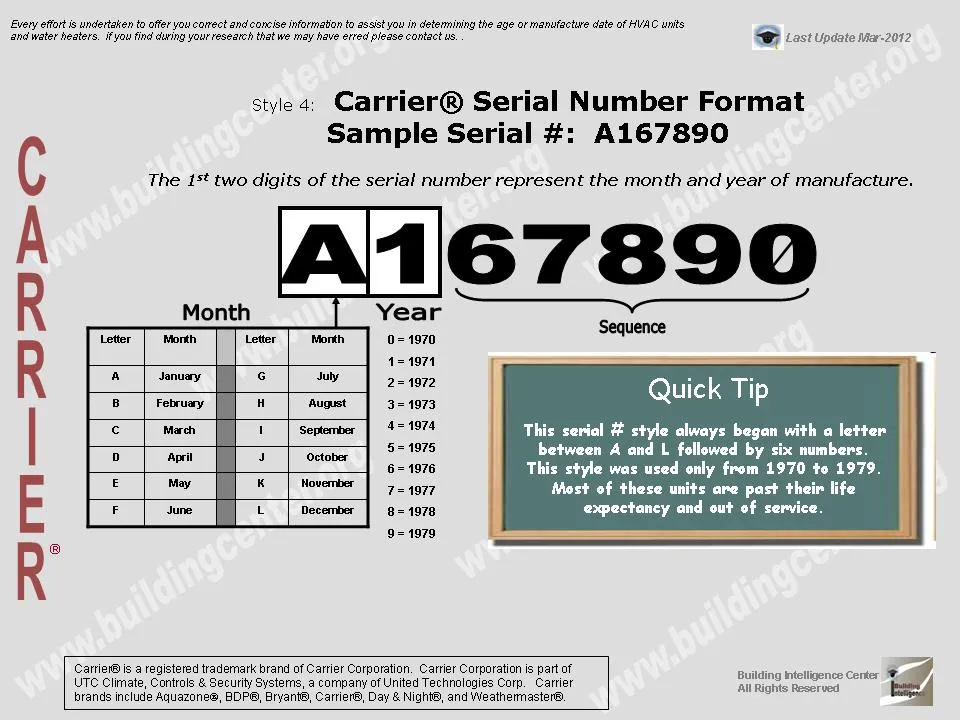
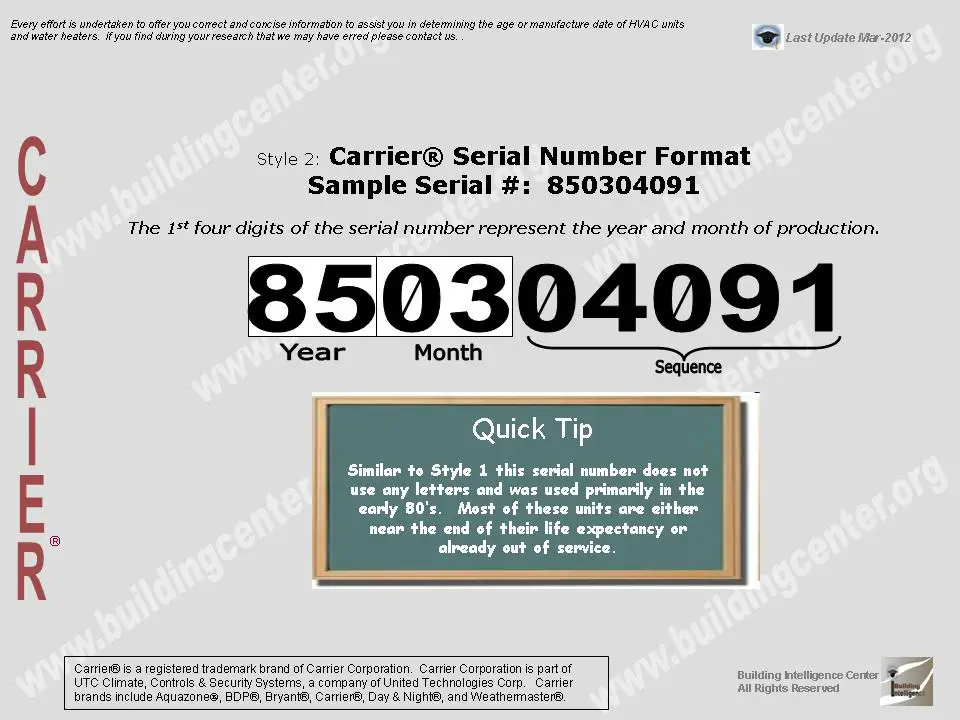
While the exact format of a Carrier serial number can vary depending on the age of the unit, it generally contains valuable information, including:
- Date of Manufacture: Often, the first few digits of the serial number indicate the month and year the unit was manufactured. This is crucial for determining if your unit is still under warranty and for finding compatible replacement parts.
- Manufacturing Location: In some cases, the serial number can indicate the factory where the unit was produced. This isn't usually essential for homeowners but can be helpful for HVAC professionals.
- Unit Specifications: While the serial number doesn't directly provide detailed specifications, it is the key to accessing the official Carrier documentation for your specific model, which contains all the relevant data.
Using Your Serial Number to Find Information Online
Now that you have your Carrier unit's serial number, you can use it to find more information online. Here's how:
- Carrier's Website: The most reliable source is the official Carrier website. Look for a "Product Registration" or "Technical Documentation" section. Some manufacturers offer online tools where you can enter your serial number to access product details, warranty information, and owner's manuals.
- HVAC Parts Websites: Many online HVAC parts retailers have search functions that allow you to enter your serial number to find compatible components. Be careful to cross-reference the information with other sources to ensure accuracy.
- HVAC Forums and Communities: Online forums dedicated to HVAC systems can be a valuable resource. Search for threads related to your model or post a question with your serial number. Experienced users may be able to provide insights and advice.
What Can You Learn From Your Carrier Unit Information?
Once you've used your serial number to identify your Carrier unit, you can access a wealth of information, including:
- Model Number: Knowing the model number is crucial for finding specific replacement parts and understanding the unit's capabilities.
- BTU Rating: The BTU (British Thermal Unit) rating indicates the unit's heating or cooling capacity.
- SEER/HSPF Ratings: SEER (Seasonal Energy Efficiency Ratio) and HSPF (Heating Seasonal Performance Factor) indicate the unit's energy efficiency. Higher ratings mean lower energy bills.
- Refrigerant Type: Knowing the refrigerant type is essential for recharging the system if it's low on refrigerant. Using the wrong refrigerant can damage the unit.
- Wiring Diagrams: Wiring diagrams are invaluable for troubleshooting electrical issues. However, working with electrical components can be dangerous. If you're not comfortable, call a qualified electrician or HVAC technician.
- Owner's Manual: The owner's manual contains essential information about operating, maintaining, and troubleshooting your unit.
- Warranty Information: Understanding your unit's warranty coverage is crucial for determining if repairs are covered.
Common Problems You Might Encounter and How Knowing Your Unit Info Helps
Here are some common HVAC problems and how knowing your Carrier unit's information can help you address them:
- Unit Not Cooling/Heating: Knowing the model and refrigerant type is crucial for diagnosing refrigerant leaks and recharging the system.
- Strange Noises: The model number can help you identify specific components that might be causing the noise, such as a failing blower motor or compressor.
- Frequent Cycling: The BTU rating can help determine if the unit is properly sized for your home. An oversized unit might cycle frequently.
- High Energy Bills: The SEER/HSPF ratings can help you compare your unit's efficiency to newer models and determine if it's time for an upgrade.
DIY Repairs vs. Calling a Professional
While some HVAC maintenance tasks can be handled by homeowners, it's essential to know your limits. Here's a general guideline:
DIY-Friendly Tasks:
- Changing air filters
- Cleaning outdoor unit coils (carefully!)
- Checking and clearing condensate drains
- Inspecting ductwork for leaks
Tasks Best Left to Professionals:
- Refrigerant recharge
- Compressor repair
- Electrical repairs
- Furnace repairs involving gas lines
- Any repairs involving high-voltage components
Warning: Working with refrigerant, electrical components, or gas lines can be dangerous and requires specialized knowledge and equipment. Improper repairs can damage your unit, void your warranty, and even pose a safety risk. When in doubt, call a qualified HVAC technician.
Estimating Repair Costs
Knowing your Carrier unit's model number and the specific problem you're experiencing can help you get a more accurate estimate for repairs. When calling HVAC contractors, be prepared to provide this information. This allows them to research the unit, identify potential issues, and provide a more informed estimate. Remember that estimates are just that – estimates. The final cost may vary depending on the actual work required.
Factors that influence repair costs include:
- Parts Costs: Some parts are more expensive than others, depending on the model and availability.
- Labor Costs: Labor rates vary depending on the contractor and your location.
- Refrigerant Costs: Refrigerant prices can fluctuate depending on market conditions and the type of refrigerant required.
- Emergency Service Fees: Repairs performed outside of normal business hours often incur additional fees.
Tools and Parts You Might Need
For basic maintenance and troubleshooting, you might need the following tools and parts:
Tools:
- Screwdrivers (various sizes and types)
- Wrenches
- Pliers
- Multimeter (for electrical testing – use with caution!)
- Vacuum cleaner with brush attachment
- Fin comb (for straightening bent fins on the outdoor unit)
- Flashlight
Parts:
- Air filters (make sure to get the correct size and MERV rating)
- Replacement blower motor (if needed)
- Capacitor (if needed – exercise extreme caution when handling capacitors!)
- Contactor (if needed)
Important: Always disconnect the power to the unit before performing any maintenance or repairs. When working with electrical components, discharge capacitors before handling them to avoid electric shock. If you are unsure about any procedure, consult a qualified HVAC technician.
Staying Safe While Working on Your HVAC System
Your safety is paramount. Here are some essential safety tips to keep in mind:
- Always Disconnect Power: Before performing any work on your HVAC system, turn off the power at the breaker box. Verify that the power is off using a multimeter.
- Wear Safety Glasses: Protect your eyes from debris and chemicals.
- Wear Gloves: Protect your hands from sharp edges, hot surfaces, and chemicals.
- Work in a Well-Ventilated Area: When working with chemicals or cleaning agents, ensure adequate ventilation.
- Know Your Limits: If you're not comfortable with a particular task, don't attempt it. Call a qualified HVAC technician.
- Follow Manufacturer's Instructions: Always follow the manufacturer's instructions for operating, maintaining, and repairing your HVAC system.
- Proper Disposal: Dispose of old refrigerants and other hazardous materials properly. Contact your local waste management authority for guidance.
By understanding how to locate and interpret your Carrier unit's serial number, you can be a more informed homeowner and better equipped to troubleshoot issues, order replacement parts, and communicate effectively with HVAC professionals. Remember to prioritize safety and call a qualified technician when dealing with complex or potentially dangerous repairs. Regular maintenance and prompt attention to problems will help keep your Carrier HVAC system running efficiently and reliably for years to come.