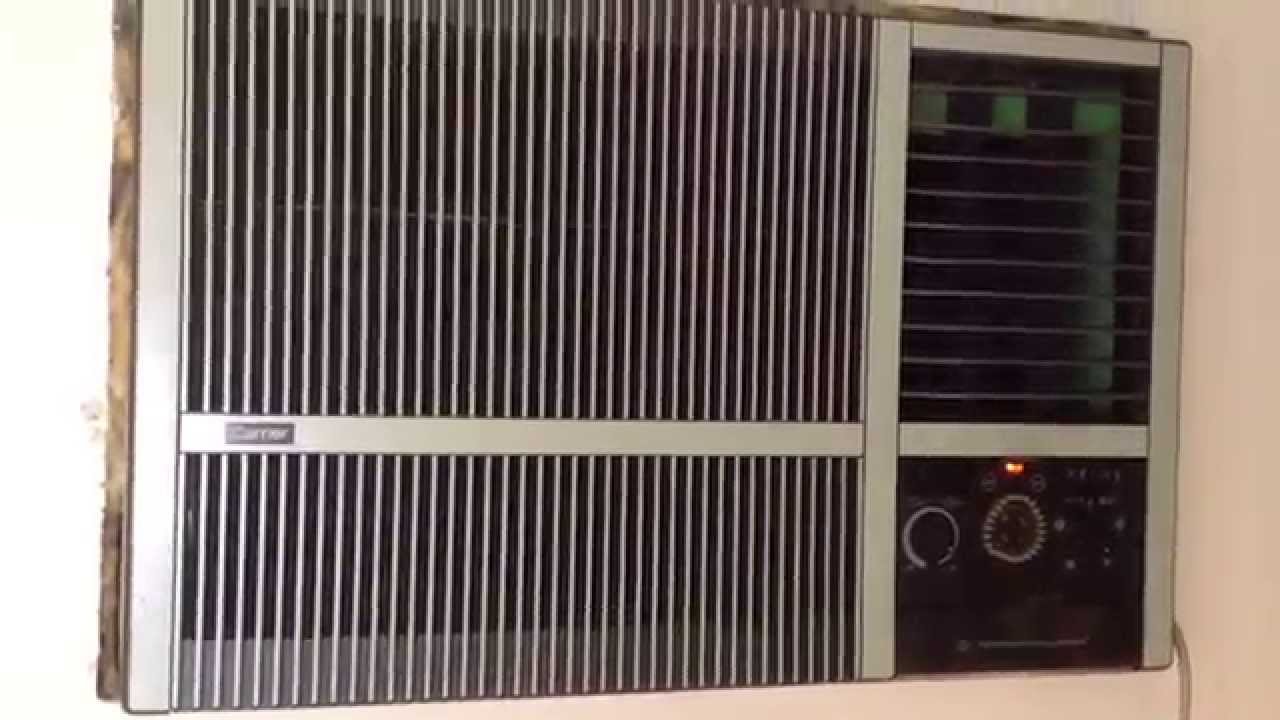
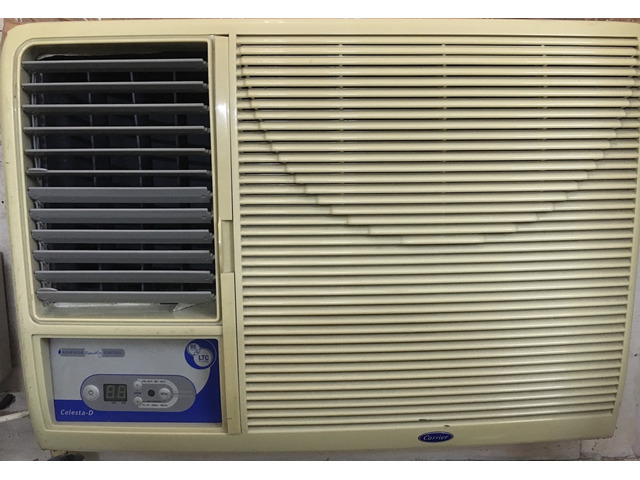
Carrier Window Ac Old Models
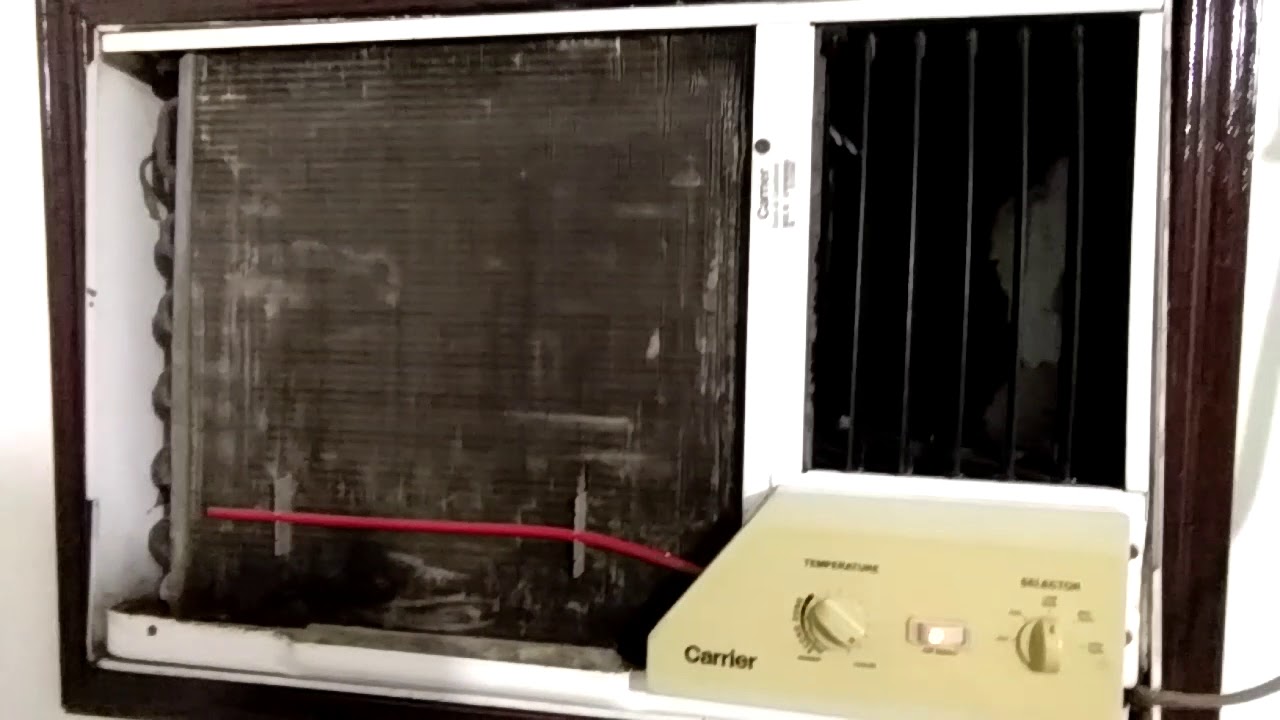
Carrier window air conditioners have a long and storied history. Understanding older models, their strengths, weaknesses, and potential troubleshooting issues can be incredibly beneficial whether you're trying to keep one running, considering buying a used one, or simply curious about how these cooling workhorses function. This guide provides a comprehensive overview of Carrier window AC units from previous generations.
Identifying Older Carrier Window AC Models
The first step is identifying the specific model you're dealing with. Unfortunately, age can often obscure identifying information. Here's where to look:
- Model Number Location: Check the front grill (sometimes hidden behind a removable panel), the side panels, or, most commonly, the back of the unit. The model number is usually printed on a sticker or stamped directly onto the metal casing.
- Key Information: Record the model number, serial number (if present), and any BTU (British Thermal Units) rating you can find. The BTU rating indicates the cooling capacity of the unit.
- Dating the Unit: With the model number, you can often search online databases or contact Carrier directly to determine the unit's manufacturing year. Sites like Appliance411.com or even vintage appliance forums can be helpful.
Understanding the Basic Components
All window AC units, regardless of age, share the same core components. Understanding these components is essential for troubleshooting and maintenance.
The Refrigerant System
The refrigerant system is the heart of the AC. Think of refrigerant as the 'blood' of your AC system, carrying heat from inside to outside.
- Compressor: The compressor is a pump that circulates the refrigerant and increases its pressure and temperature. Older compressors are often less efficient than modern ones and can be quite noisy.
- Condenser: The condenser is located on the outside portion of the unit. It releases the heat from the refrigerant into the outside air. It's a series of coils and fins, and it needs to be kept clean for optimal performance.
- Evaporator: The evaporator is located on the inside portion of the unit. It absorbs heat from the room air, cooling the air as it passes over the coils.
- Expansion Valve (or Capillary Tube): This component reduces the pressure of the refrigerant before it enters the evaporator, allowing it to expand and cool down.
The Air Circulation System
The air circulation system moves air across the coils to facilitate heat transfer.
- Fan: A fan blows air across both the evaporator and condenser coils. Older models often use a single motor with a dual-shaft fan to handle both indoor and outdoor airflow.
- Air Filters: Air filters remove dust and debris from the air before it passes over the evaporator. These need to be cleaned or replaced regularly to maintain airflow and prevent the coils from becoming clogged.
- Louvers: Louvers direct the flow of cooled air into the room.
The Controls
The controls allow you to adjust the cooling settings.
- Thermostat: The thermostat senses the room temperature and cycles the compressor on and off to maintain the desired temperature. Older models often use mechanical thermostats, which can be less precise than electronic ones.
- Fan Speed Settings: These allow you to adjust the fan speed for different levels of cooling and noise.
- Mode Switch: The mode switch allows you to select different operating modes, such as cooling, fan-only, and sometimes heating (on models with a heat pump).
Common Problems with Older Carrier Window AC Units
Older AC units are prone to certain problems due to age and wear and tear.
- Refrigerant Leaks: Refrigerant leaks are a common problem in older units. If the unit is not cooling effectively, even with the compressor running, a leak is a likely culprit. Refrigerant leaks must be addressed by a qualified HVAC technician. Trying to repair them yourself is dangerous and illegal due to environmental regulations.
- Compressor Failure: The compressor is the most expensive component in the AC unit. If it fails, the unit will not cool. Compressor failure can be caused by overheating, electrical problems, or simply old age.
- Fan Motor Failure: If the fan is not running, the unit will not cool effectively. Fan motor failure can be caused by overheating, worn bearings, or electrical problems.
- Dirty Coils: Dirty condenser or evaporator coils will reduce the unit's cooling capacity. Clean the coils regularly with a coil cleaner and a soft brush.
- Clogged Air Filter: A clogged air filter restricts airflow and reduces cooling capacity. Clean or replace the air filter regularly.
- Thermostat Malfunction: If the thermostat is not working properly, the unit may not cycle on and off correctly, leading to inconsistent cooling or excessive energy consumption.
- Electrical Problems: Electrical problems can range from loose wiring to a faulty capacitor. These should be addressed by a qualified electrician.
- Drainage Issues: Window AC units produce condensation. Older units may have drainage systems that become clogged, leading to water leaks inside the room.
Troubleshooting Tips
Before calling a technician, here are a few troubleshooting steps you can try:
- Check the Power: Make sure the unit is plugged in and the circuit breaker has not tripped.
- Clean the Air Filter: A dirty air filter is a common cause of poor cooling.
- Clean the Coils: Dirty coils can reduce cooling capacity. Use a coil cleaner and a soft brush.
- Check the Thermostat Setting: Make sure the thermostat is set to a temperature lower than the room temperature.
- Listen for Unusual Noises: Unusual noises can indicate a mechanical problem.
- Check for Ice Buildup: Ice buildup on the evaporator coils can indicate a refrigerant leak or a airflow problem. If you see ice, turn off the unit and let it thaw before troubleshooting further.
- Inspect the Drainage System: Ensure the drainage system is clear and not clogged.
Maintenance Tips for Longevity
Proper maintenance can extend the life of your older Carrier window AC unit.
- Regular Cleaning: Clean the air filter every month or two, or more often if you have pets or live in a dusty environment. Clean the coils at least once a year.
- Proper Installation: Ensure the unit is properly installed and sealed to prevent air leaks. Use weather stripping to seal any gaps around the unit.
- Level Installation: Make sure the unit is level to allow for proper drainage.
- Off-Season Storage: When the unit is not in use, store it in a dry place. Cover the unit to protect it from dust and debris.
- Professional Inspection: Have the unit inspected by a qualified HVAC technician every few years to check for refrigerant leaks and other potential problems.
Energy Efficiency Considerations
Older AC units are generally less energy-efficient than modern models. This means they consume more electricity to produce the same amount of cooling.
- EER (Energy Efficiency Ratio): Older units typically have a lower EER than modern units. The EER is a measure of the unit's cooling output per unit of energy input. A higher EER indicates greater energy efficiency.
- Operating Costs: Due to their lower energy efficiency, older units can be more expensive to operate. Consider the operating costs when deciding whether to repair or replace an old unit.
- Energy Star Rating: Most older units do not meet the requirements for an Energy Star rating.
Repair vs. Replace
Deciding whether to repair or replace an older Carrier window AC unit can be a tough decision. Consider the following factors:
- Cost of Repair: Get a quote for the cost of repairs from a qualified HVAC technician. If the cost of repairs is more than half the cost of a new unit, it may be more economical to replace the unit.
- Age of the Unit: If the unit is more than 10 years old, it may be nearing the end of its lifespan. Replacing it may be a better long-term investment.
- Energy Efficiency: If the unit is not energy-efficient, replacing it with a newer, more efficient model can save you money on your energy bill.
- Refrigerant Type: Older units may use R-22 refrigerant, which is being phased out due to environmental concerns. If the unit needs a refrigerant recharge and uses R-22, the cost of the refrigerant may be very high.
Finding Replacement Parts
Finding replacement parts for older Carrier window AC units can be challenging, but not impossible.
- Online Retailers: Check online retailers that specialize in appliance parts. Be sure to have the model number of your unit handy.
- Local Appliance Repair Shops: Local appliance repair shops may have used parts or be able to order new parts.
- Appliance Salvage Yards: Appliance salvage yards are a good source for used parts.
- eBay: eBay can be a good place to find used or new-old-stock parts.
Safety Precautions
When working on any electrical appliance, it's important to take safety precautions.
- Disconnect Power: Always disconnect the power to the unit before working on it.
- Wear Gloves: Wear gloves to protect your hands from sharp edges and electrical shock.
- Use Caution with Electrical Components: Be careful when working with electrical components. If you are not comfortable working with electricity, consult a qualified electrician.
- Refrigerant Handling: Do not attempt to handle refrigerant. Refrigerant is a hazardous substance, and only a qualified HVAC technician should handle it.
By understanding the components, common problems, and maintenance tips outlined in this guide, you can keep your older Carrier window AC unit running efficiently for years to come. However, remember to prioritize safety and consult with qualified professionals when necessary.