Castle Pellet Stove Installation

Castle Pellet Stove Installation: A Smart Choice for Energy Savings
With rising energy costs and a growing awareness of environmental impact, homeowners and businesses alike are seeking efficient and sustainable heating solutions. Pellet stoves, particularly those from Castle, offer a compelling alternative to traditional heating systems. This article delves into the intricacies of Castle pellet stove installation, exploring the benefits, cost considerations, and smart integration options that make it a worthwhile investment.
Why Choose a Castle Pellet Stove?
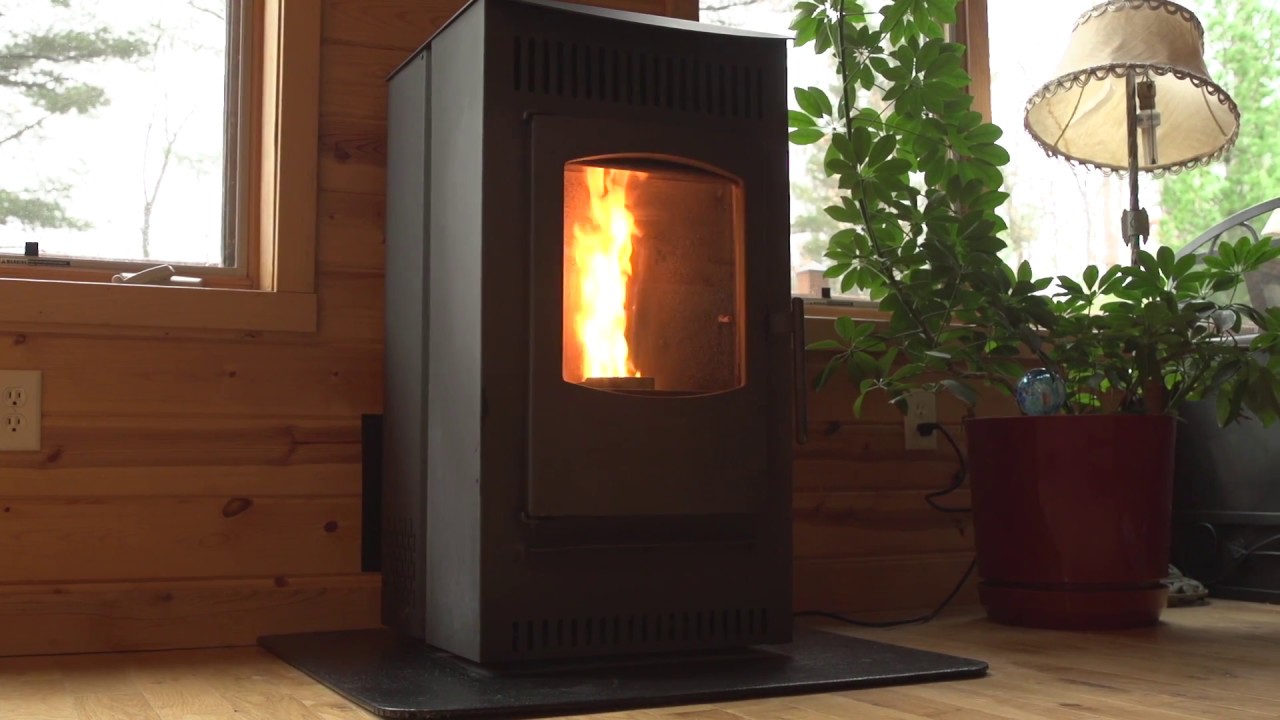
Castle stoves are renowned for their user-friendly design, affordability, and impressive efficiency. Unlike traditional wood stoves, pellet stoves burn compressed wood or biomass pellets, resulting in cleaner emissions and more consistent heat output. Castle stoves, in particular, stand out due to their:
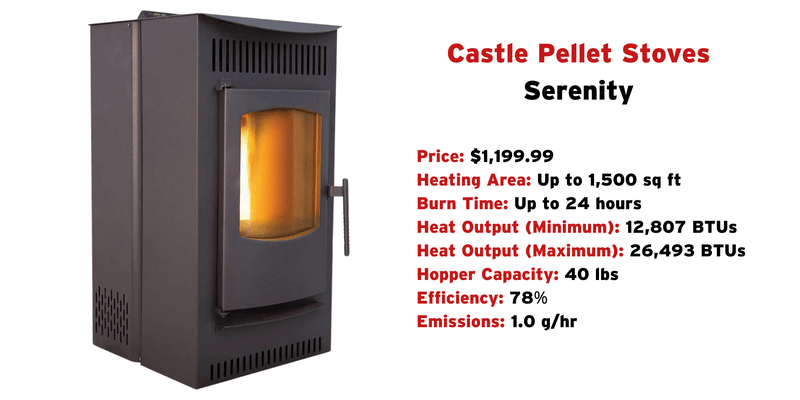
- Affordable Price Point: Compared to other pellet stove brands with similar features, Castle stoves offer a competitive price, making them accessible to a wider range of consumers.
- Simple Operation: The intuitive controls and automatic ignition system make Castle stoves easy to operate, even for those unfamiliar with pellet heating.
- Compact Design: Castle stoves are designed to fit into smaller spaces, making them ideal for apartments, condos, and smaller homes.
- EPA Certification: Castle stoves meet the stringent emissions standards set by the Environmental Protection Agency (EPA), ensuring clean and efficient burning.
Understanding the Installation Process
Proper installation is crucial for the safe and efficient operation of any pellet stove, including Castle models. While some homeowners may be tempted to DIY the installation, it's generally recommended to hire a certified HVAC technician or a qualified installer with experience in pellet stove systems. Here's a breakdown of the key steps involved:
1. Site Assessment and Planning
The first step is to assess the installation site to ensure it meets all safety requirements and building codes. This includes:
- Clearance Requirements: Pellet stoves require specific clearances from combustible materials, such as walls, furniture, and curtains. Consult the Castle stove's installation manual for precise measurements.
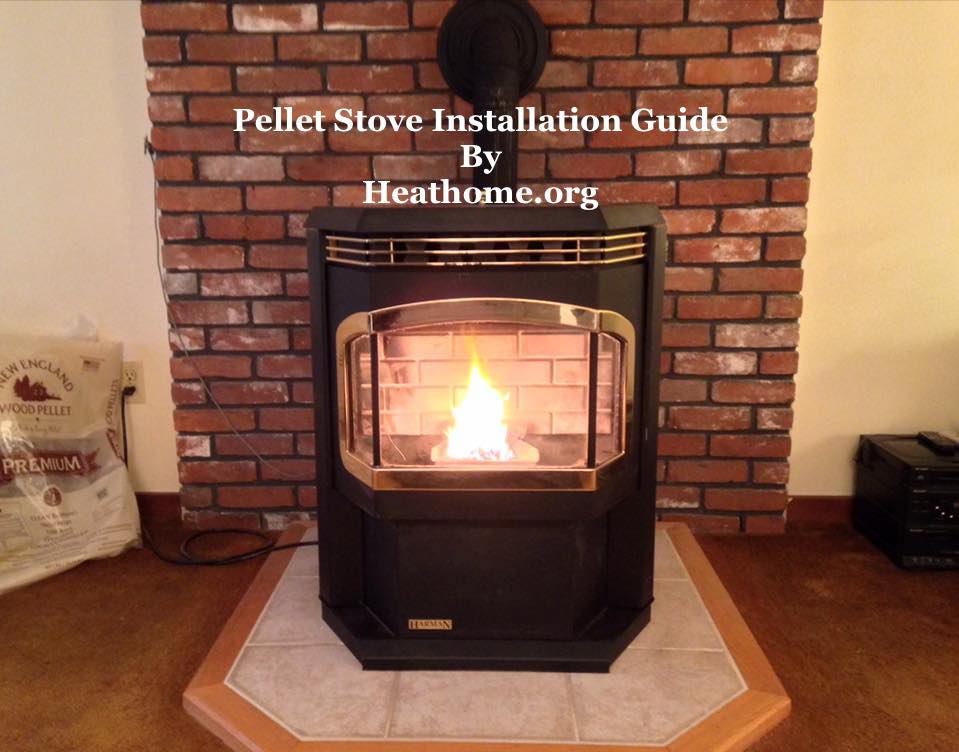
- Floor Protection: The floor beneath and around the stove must be protected with a non-combustible material, such as tile, brick, or a specially designed stove pad.
- Ventilation: Proper ventilation is essential for removing exhaust gases from the stove. Pellet stoves typically require a direct vent system that exhausts through an exterior wall.
- Electrical Requirements: Pellet stoves require a dedicated electrical circuit to power the auger, blower, and control system. Ensure the circuit meets the stove's voltage and amperage requirements.
2. Venting System Installation
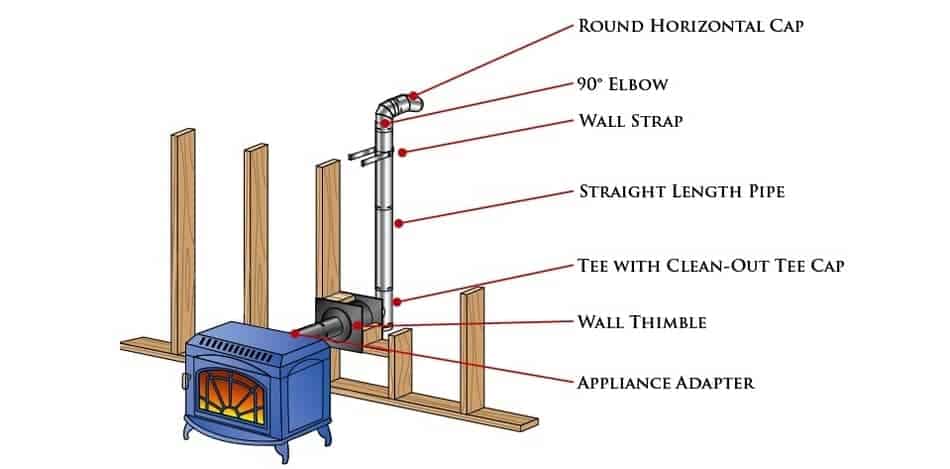
The venting system is a critical component of the pellet stove installation. It must be properly sized and installed to ensure adequate draft and prevent the buildup of carbon monoxide. Key considerations include:
- Vent Type: Use only venting components specifically designed for pellet stoves. Single-wall stovepipe is not suitable for pellet stoves.
- Vent Diameter: The vent diameter should match the stove's outlet size.
- Vent Length and Configuration: The vent system should be as short and straight as possible, with a minimum number of elbows. Consult the Castle stove's installation manual for maximum vent length requirements.
- Proper Sealing: All vent connections must be properly sealed to prevent leaks. Use high-temperature silicone sealant specifically designed for stove venting.
3. Stove Placement and Connection
Once the venting system is in place, the stove can be positioned and connected. This involves:
- Leveling the Stove: Ensure the stove is level to prevent uneven burning and potential malfunctions.
- Connecting the Vent: Carefully connect the stove to the venting system, ensuring a tight and secure seal.
- Electrical Connection: Connect the stove to the dedicated electrical circuit, following all electrical safety guidelines.
- Pellet Hopper Filling: Fill the pellet hopper with high-quality wood or biomass pellets.
4. Testing and Calibration
After the installation is complete, it's essential to test the stove to ensure it's operating correctly. This includes:
- Initial Burn: Perform an initial burn to check for proper ignition, heat output, and venting.
- Adjusting Settings: Adjust the stove's settings to optimize performance and efficiency based on your heating needs and the type of pellets being used.
- Carbon Monoxide Detection: Use a carbon monoxide detector to verify that no carbon monoxide is leaking from the stove or venting system.
Cost Considerations and ROI
The cost of a Castle pellet stove installation can vary depending on several factors, including the stove model, the complexity of the venting system, and the labor costs of the installer. Generally, you can expect to pay between $2,000 and $4,000 for a complete installation, including the stove, venting, and labor.
However, the long-term savings on energy bills can quickly offset the initial investment. Pellet stoves are significantly more efficient than traditional wood stoves or electric resistance heaters. According to the U.S. Energy Information Administration (EIA), the average cost of heating with electricity is significantly higher than heating with wood pellets. By switching to a Castle pellet stove, homeowners can save hundreds or even thousands of dollars per year on their heating bills.
Furthermore, many states and utility companies offer rebates and incentives for installing energy-efficient heating systems, including pellet stoves. These rebates can further reduce the upfront cost of the installation and improve the return on investment (ROI).
Smart HVAC Integration and Enhanced Efficiency
Modern Castle pellet stoves can be integrated with smart home systems to further enhance their efficiency and convenience. This integration allows for remote control, automated scheduling, and real-time monitoring of the stove's performance.
Key benefits of smart HVAC integration include:
- Remote Control: Adjust the stove's temperature and settings from anywhere using a smartphone or tablet.
- Automated Scheduling: Program the stove to turn on and off automatically based on your heating needs and schedule.
- Temperature Monitoring: Monitor the temperature in your home and adjust the stove's settings accordingly.
- Alerts and Notifications: Receive alerts if the stove is running low on pellets, if there's a malfunction, or if the temperature drops below a certain level.
Smart thermostats, such as those from Nest or Ecobee, can be integrated with some Castle pellet stove models to provide even more precise temperature control and energy savings. These thermostats use advanced algorithms to learn your heating patterns and optimize the stove's performance accordingly. Smart sensors can also be used to monitor humidity levels and air quality, providing valuable insights into your home's overall comfort and efficiency.
Choosing the Right Installer
Selecting a qualified and experienced installer is crucial for a successful Castle pellet stove installation. Look for installers who are:
- Certified: Ask about certifications from organizations like the National Fireplace Institute (NFI) or the Hearth, Patio & Barbecue Education Foundation (HPBEF).
- Experienced: Choose an installer with a proven track record of installing pellet stoves, particularly Castle models.
- Licensed and Insured: Verify that the installer is properly licensed and insured to protect yourself from liability.
- Knowledgeable: The installer should be knowledgeable about local building codes, venting requirements, and safety regulations.
Obtain multiple quotes from different installers and compare their prices, experience, and warranties. Don't be afraid to ask questions and request references from previous customers.
Maintenance and Long-Term Performance
Regular maintenance is essential for ensuring the long-term performance and efficiency of your Castle pellet stove. This includes:
- Cleaning the Stove: Regularly clean the burn pot, ash pan, and venting system to remove ash and debris.
- Inspecting the Venting: Inspect the venting system annually for any signs of damage or deterioration.
- Lubricating Moving Parts: Lubricate the auger motor and other moving parts as needed.
- Professional Servicing: Schedule a professional servicing appointment every one to two years to ensure the stove is operating at peak performance.
By following these maintenance tips, you can extend the lifespan of your Castle pellet stove and maximize your energy savings.
Conclusion
A Castle pellet stove installation offers a compelling combination of affordability, efficiency, and convenience for homeowners and businesses seeking a sustainable heating solution. With proper installation, smart integration, and regular maintenance, a Castle pellet stove can provide years of reliable and cost-effective heating, while also reducing your carbon footprint. Before making a final decision, always check with local authorities and building codes for any specific regulations or requirements.