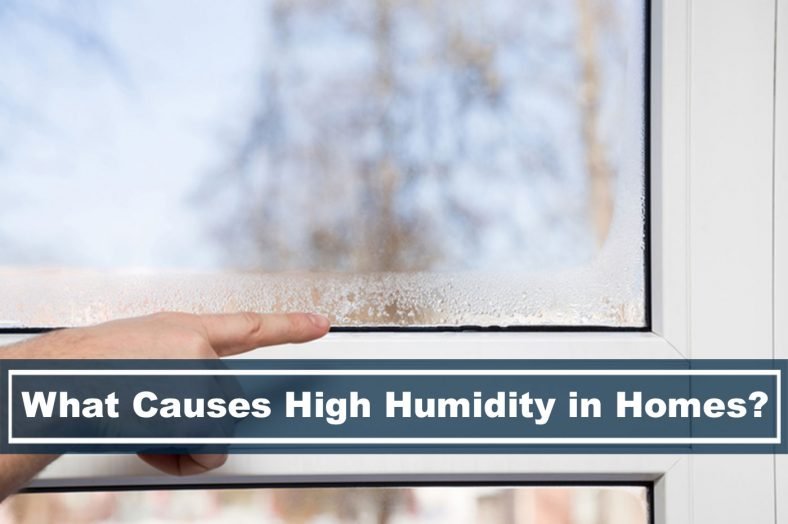
Causes Of High Humidity In A House
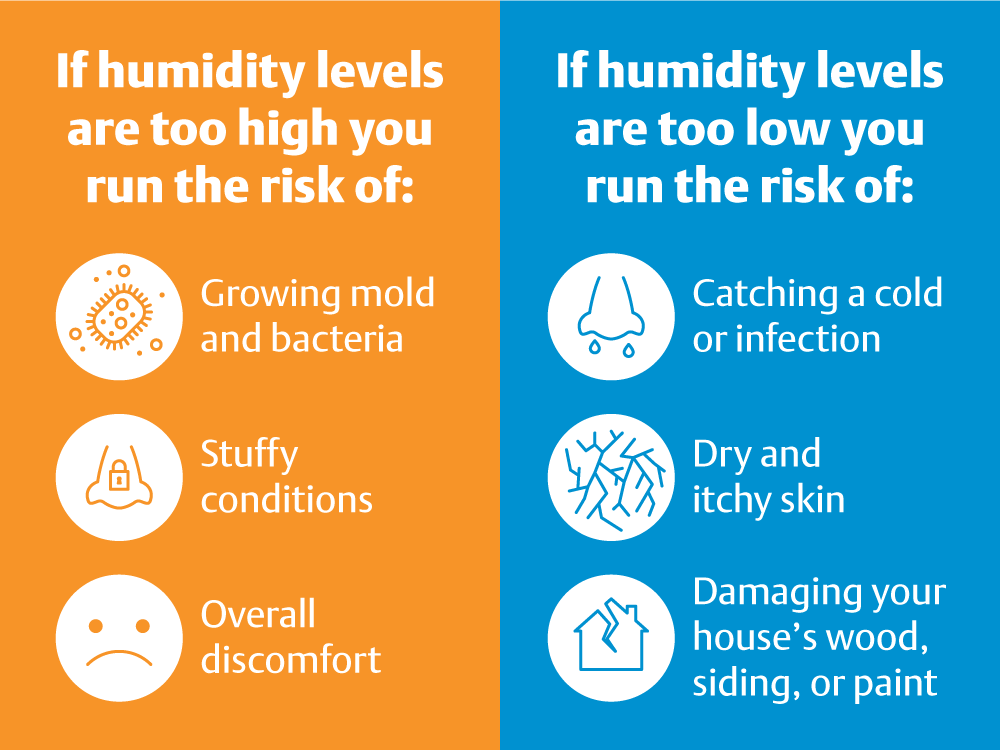
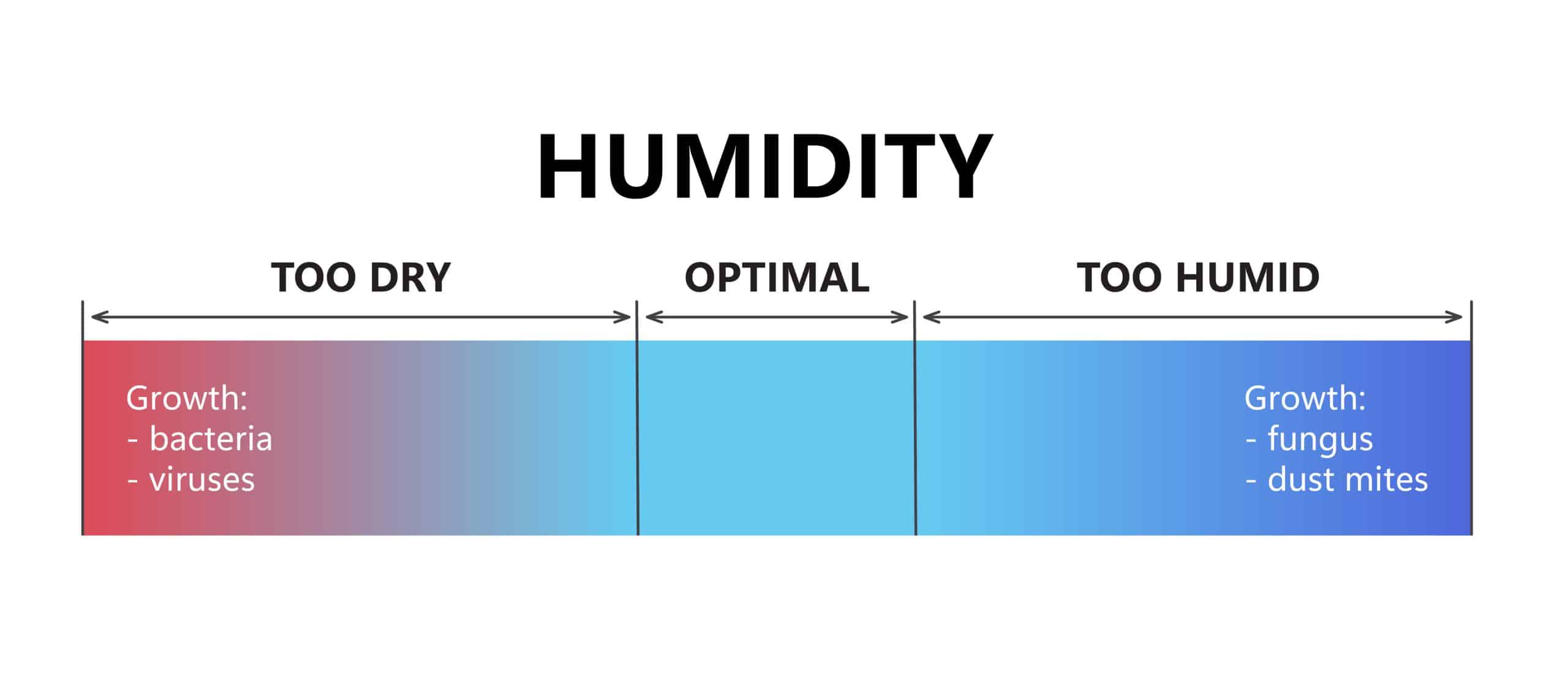
Humidity, the amount of water vapor in the air, significantly impacts indoor comfort and air quality. While some humidity is necessary, excessive levels can lead to a host of problems, from mold growth and structural damage to health concerns. Understanding the causes of high humidity in a house is crucial for HVAC professionals and homeowners alike. This knowledge not only allows for effective troubleshooting and remediation but also informs preventative measures. As an HVAC career advisor and industry analyst, I'll explore the factors contributing to high indoor humidity, the skills needed to address them, and the career opportunities available for those specializing in this area.
Common Causes of High Humidity
Several factors can contribute to elevated humidity levels within a home. Identifying the source is the first step toward resolving the issue.
Inadequate Ventilation
Insufficient ventilation is a primary cause of high humidity. Everyday activities like cooking, showering, and even breathing release moisture into the air. Without proper ventilation, this moisture becomes trapped, raising the humidity level. This is particularly problematic in tightly sealed homes designed for energy efficiency, where natural air exchange is limited. According to the EPA, improving ventilation is a key strategy for reducing indoor air pollutants, including excess moisture. Ventilation can be achieved through natural means, such as opening windows (when outdoor conditions permit), or through mechanical systems like exhaust fans and whole-house ventilation systems.
Plumbing Leaks
Even small, undetected plumbing leaks can introduce significant amounts of moisture into a home. Leaky faucets, pipes under sinks, or even slab leaks can gradually increase humidity levels over time. Regular inspection of plumbing fixtures and pipes is essential for early detection and repair. Ignoring these leaks can lead to structural damage and mold growth, resulting in costly repairs. Professionals working in this area might specialize in leak detection, a field increasingly reliant on advanced technologies like infrared cameras and acoustic sensors. Experienced technicians can earn salaries ranging from $50,000 to $80,000 per year, depending on experience and location, according to the Bureau of Labor Statistics.
Foundation Issues
Cracks in the foundation, improper sealing, or poor drainage around the home's perimeter can allow moisture to seep into the basement or crawl space. This moisture then evaporates, increasing humidity levels throughout the house. Addressing foundation issues often requires the expertise of specialized contractors, but HVAC professionals should be aware of these potential sources of humidity. Proper landscaping to direct water away from the foundation, sealing cracks, and installing a sump pump can help mitigate this problem.
Poorly Maintained HVAC Systems
Believe it or not, your HVAC system itself can contribute to high humidity. An improperly sized or malfunctioning air conditioner may not effectively remove moisture from the air. Dirty air filters can restrict airflow, reducing the system's dehumidification capacity. Furthermore, a leaking air conditioning coil can introduce moisture into the ductwork, leading to mold growth and increased humidity levels. Regular maintenance, including filter replacement and coil cleaning, is crucial for optimal HVAC system performance and humidity control. Technicians holding NATE (North American Technician Excellence) certifications are often preferred by employers, demonstrating their competence in HVAC system maintenance and repair. Earning a NATE certification can boost earning potential by 5-10%.
Indoor Plants
While indoor plants offer numerous benefits, including improved air quality and aesthetics, they also contribute to indoor humidity. Plants release moisture into the air through transpiration. While a few plants are unlikely to cause a significant problem, a large collection of plants in a small space can noticeably increase humidity levels. Monitoring humidity levels and adjusting watering practices can help manage this issue.
Drying Clothes Indoors
Hanging clothes to dry indoors is a common practice, especially during inclement weather. However, this releases a significant amount of moisture into the air. Using a clothes dryer vented to the outside is a more effective way to dry clothes without increasing indoor humidity. If drying clothes indoors is unavoidable, ensure adequate ventilation by opening windows or using a dehumidifier.
HVAC Solutions and Career Paths
Addressing high humidity often involves a combination of strategies, including improving ventilation, repairing leaks, and optimizing HVAC system performance. The HVAC industry offers a range of career paths for individuals interested in specializing in humidity control.
HVAC Technician
HVAC technicians are at the forefront of diagnosing and resolving humidity issues. They install, maintain, and repair HVAC systems, including air conditioners, dehumidifiers, and ventilation systems. Technicians need a strong understanding of HVAC principles, electrical systems, and plumbing. Many technicians begin their careers as apprentices, learning on the job under the guidance of experienced professionals. The job outlook for HVAC technicians is projected to grow 6 percent from 2022 to 2032, about as fast as the average for all occupations, according to the Bureau of Labor Statistics. The median annual wage for HVAC technicians was $59,620 in May 2023.
HVAC Design Engineer
HVAC design engineers are responsible for designing HVAC systems that meet the specific needs of a building, including humidity control. They use computer-aided design (CAD) software to create system layouts and select appropriate equipment. Engineers must have a thorough understanding of building science, thermodynamics, and fluid mechanics. A bachelor's degree in mechanical engineering or a related field is typically required. They earn an average annual salary of $80,000 to $120,000.
Indoor Air Quality Specialist
Indoor air quality (IAQ) specialists focus on assessing and improving the air quality inside buildings. They conduct air quality testing, identify sources of pollutants, and recommend solutions, including humidity control measures. IAQ specialists often have backgrounds in environmental science, public health, or HVAC. EPA 608 certification is often a requirement for professionals working with refrigerants, ensuring they understand safe handling and disposal practices. This is particularly important when dealing with air conditioning systems, a key component of humidity control. The salary for indoor air quality specialists can range from $60,000 to $90,000 per year.
Building Envelope Specialist
Building envelope specialists focus on the design and construction of building exteriors that minimize air and moisture infiltration. They work with architects and contractors to ensure that buildings are properly sealed and insulated. A strong understanding of building science and construction techniques is essential. Salaries for building envelope specialists vary widely depending on experience and location, but can range from $70,000 to $110,000 per year.
Sales and Marketing Professionals
While not directly involved in technical work, sales and marketing professionals play a crucial role in promoting humidity control solutions. They educate customers about the benefits of dehumidifiers, ventilation systems, and other HVAC products. A strong understanding of HVAC technology and excellent communication skills are essential. These roles can range from entry-level sales positions with a base salary plus commission, to marketing management positions earning upwards of $100,000 per year.
Skills and Certifications for Success
To excel in the HVAC industry and specialize in humidity control, certain skills and certifications are essential:
- Technical Skills: A strong understanding of HVAC principles, electrical systems, plumbing, and building science is fundamental.
- Troubleshooting Skills: The ability to diagnose and resolve complex problems related to humidity control is crucial.
- Communication Skills: Effective communication is essential for explaining technical issues to customers and collaborating with other professionals.
- Problem-Solving Skills: Identifying the root cause of humidity problems and developing effective solutions requires strong problem-solving skills.
- Certifications: NATE certification, EPA 608 certification, and other industry-recognized certifications demonstrate competence and enhance career prospects.
The industry is increasingly embracing smart home technology and automation. Technicians who are proficient in installing and configuring smart thermostats, humidity sensors, and whole-house control systems will be in high demand. This also involves understanding data analytics to identify trends and patterns in humidity levels, allowing for proactive maintenance and optimization.
Looking Ahead
The demand for HVAC professionals with expertise in humidity control is expected to grow in the coming years, driven by increasing awareness of indoor air quality and the need for energy-efficient buildings. As climate change leads to more extreme weather events, including increased humidity levels in many regions, the importance of effective humidity control will only continue to grow. For HVAC students, apprentices, and experienced technicians, specializing in humidity control offers a rewarding and promising career path. By developing the necessary skills and pursuing relevant certifications, you can position yourself for success in this dynamic and essential field.