Ceiling Hidden Ceiling Mini Split Ac

Unveiling the Hidden Comfort: Your Guide to Ceiling Concealed Mini Split AC Systems
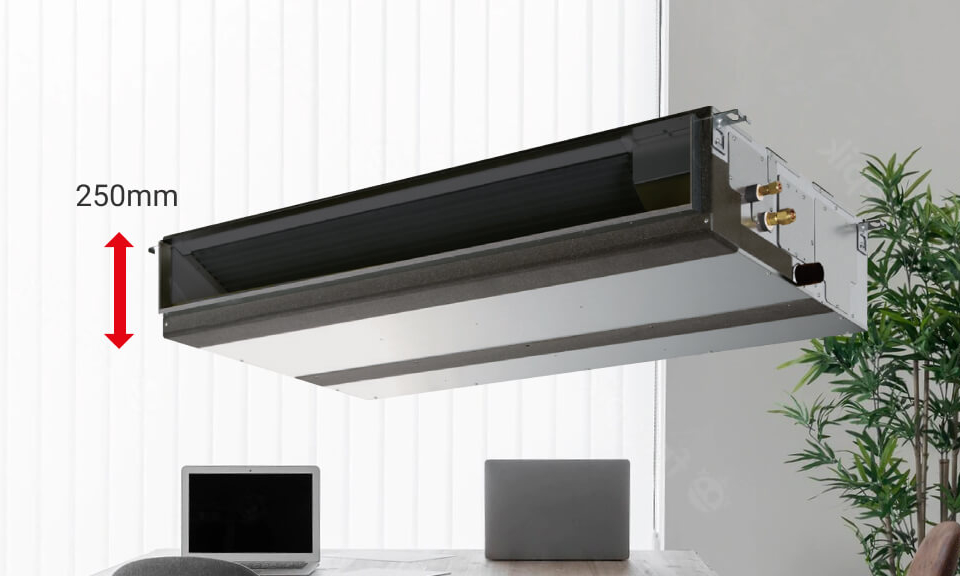
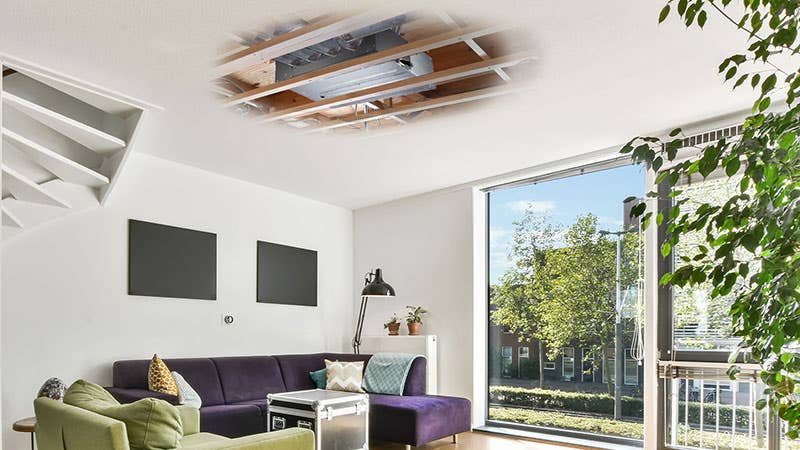
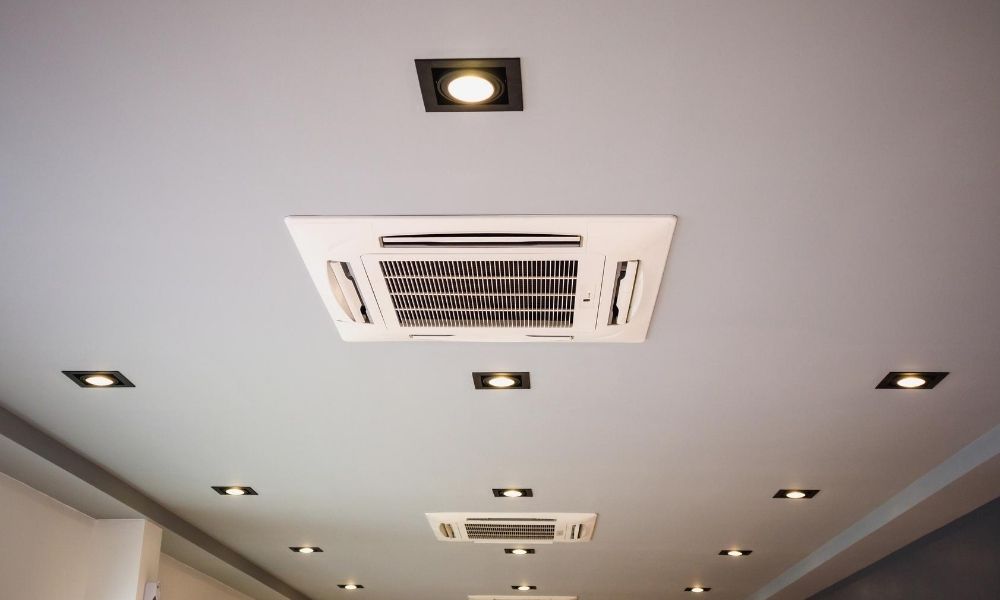
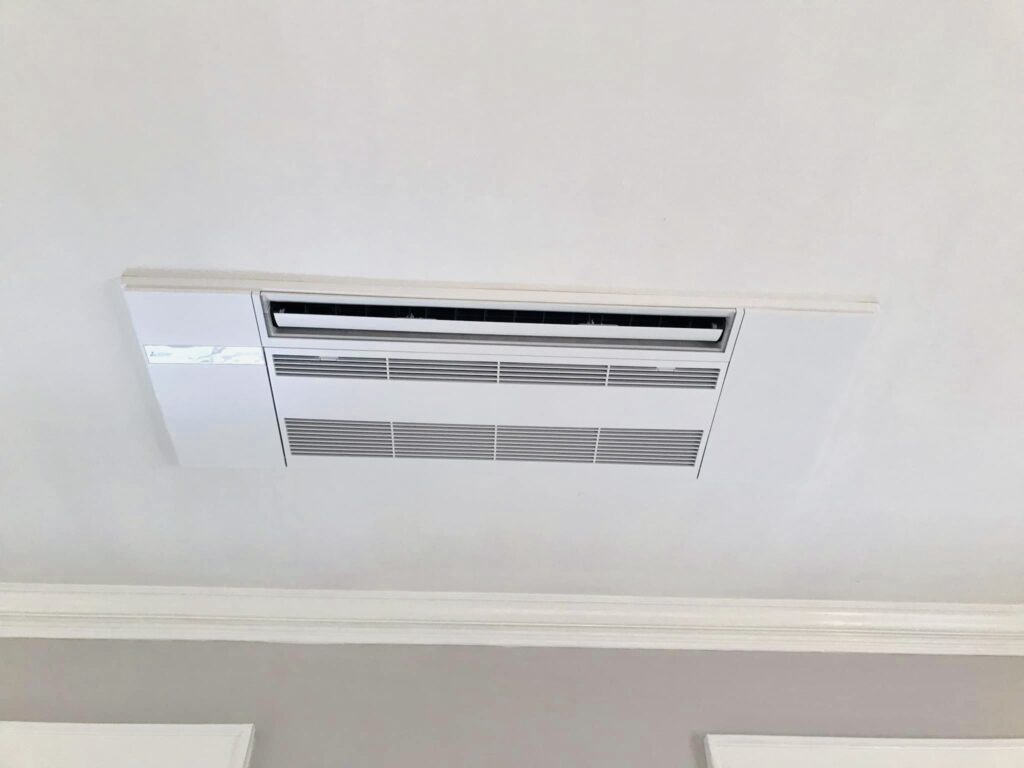
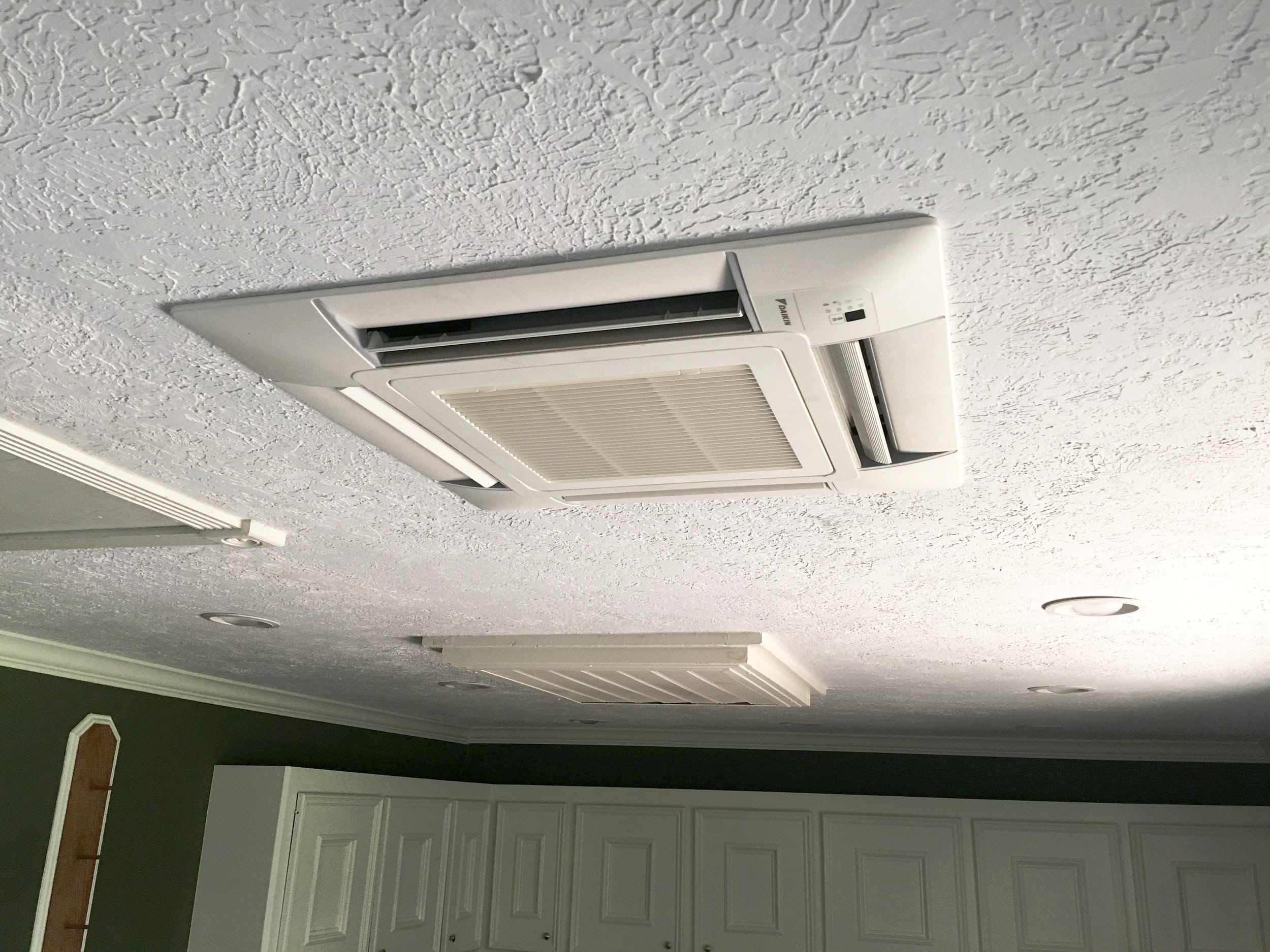
Ceiling concealed mini split AC systems, also known as ducted mini splits, offer a discreet and efficient way to cool or heat your home. Unlike their wall-mounted counterparts, these units are tucked away in your ceiling, providing a streamlined aesthetic and consistent temperature distribution. This guide will delve into the workings of these systems, common problems, and troubleshooting tips, empowering you to understand and potentially address minor issues while knowing when to call in a professional.
How Ceiling Concealed Mini Splits Work
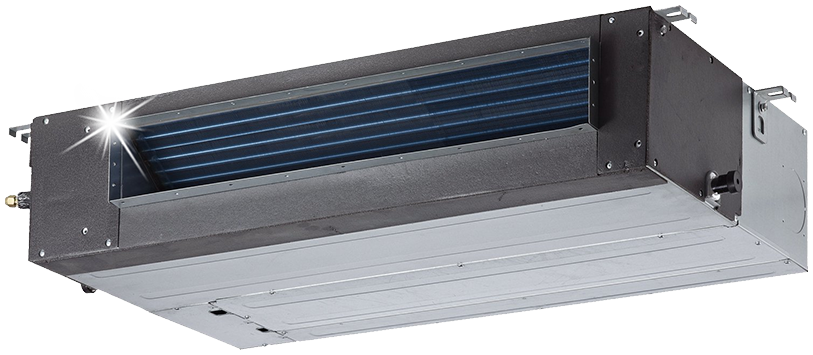
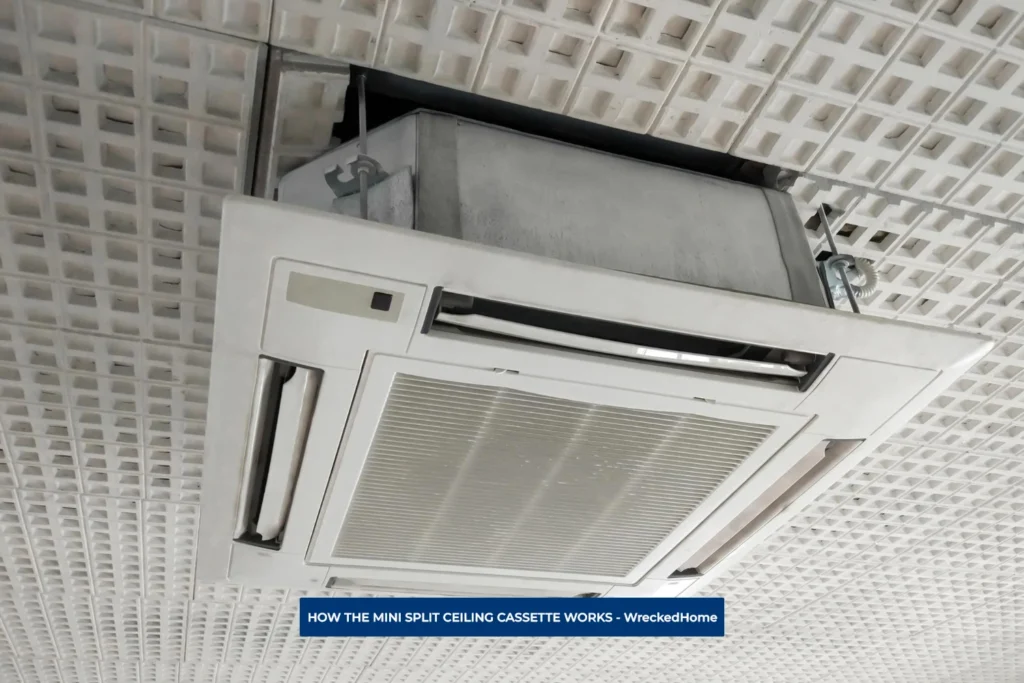
At their core, ceiling concealed mini splits operate on the same principles as traditional mini split systems. They consist of two main components: an outdoor unit (containing the compressor, condenser coil, and expansion valve) and an indoor unit (containing the evaporator coil and fan). The two units are connected by refrigerant lines and electrical wiring.
The indoor unit, hidden within the ceiling cavity, draws air from the room through a return grille, conditions it by passing it over the evaporator coil (which either cools or heats the air depending on the mode), and then distributes the conditioned air through ductwork to multiple vents in the ceiling. This ducted system provides a more even temperature distribution compared to single-point wall units.
Identifying Potential Problems: Symptoms to Watch For
Recognizing the signs of a malfunctioning ceiling concealed mini split is crucial for timely intervention. Here are some common symptoms:
- Reduced Cooling or Heating: The system struggles to maintain the set temperature.
- Uneven Temperature Distribution: Some rooms are noticeably cooler or warmer than others.
- Unusual Noises: Rattling, buzzing, hissing, or banging sounds emanating from the indoor or outdoor unit.
- Water Leaks: Water dripping from the indoor unit or ceiling vents.
- Icing on the Outdoor Unit: Ice formation on the refrigerant lines or the outdoor unit, particularly in heating mode.
- Strange Odors: Musty or burning smells coming from the vents.
- Increased Energy Bills: A sudden and unexplained spike in your electricity consumption.
- System Shutting Off Unexpectedly: The unit turns off intermittently without any user input.
DIY Troubleshooting: Simple Checks and Fixes
Before calling a professional, you can try these basic troubleshooting steps. Always turn off the power to the system at the breaker box before performing any maintenance or repairs.
1. Check the Air Filter:
A dirty air filter is a primary culprit behind many HVAC problems. A clogged filter restricts airflow, reducing efficiency and potentially causing the unit to overheat. Locate the air filter (usually near the return grille in the ceiling), remove it, and inspect it. Clean or replace it as needed. Aim to clean or replace your air filter every 1-3 months, depending on usage and air quality.
2. Inspect the Return and Supply Vents:
Ensure that all return and supply vents are unobstructed. Furniture, rugs, or curtains can block airflow and reduce the system's effectiveness. Clear any obstructions to maximize airflow.
3. Examine the Outdoor Unit:
Check the outdoor unit for debris such as leaves, twigs, and grass clippings. Clear away any obstructions around the unit to ensure proper airflow. Make sure the fins on the condenser coil are clean and not bent. You can gently straighten bent fins with a fin comb (available at most hardware stores).
4. Check the Thermostat Settings:
Verify that the thermostat is set to the correct mode (cooling or heating) and temperature. Ensure that the batteries (if applicable) are fresh. Try resetting the thermostat to its factory default settings.
5. Inspect the Condensate Drain Line:
A clogged condensate drain line can cause water to back up and leak from the indoor unit. Locate the drain line (usually a PVC pipe running from the indoor unit to an exterior drain) and check for any blockages. You can try clearing the line with a wet/dry vacuum or by using a stiff wire to dislodge any debris.
6. Reset the System:
Try turning off the power to the system at the breaker box for a few minutes, then turning it back on. This can sometimes reset the system and resolve minor issues.
Tools You Might Need for DIY Troubleshooting
- Screwdrivers (Phillips and flathead)
- Wrench set
- Vacuum cleaner (with hose attachment)
- Fin comb
- Multimeter (for electrical testing - use with extreme caution and only if you are comfortable working with electricity)
- Safety glasses
- Gloves
When to Call a Professional HVAC Technician
While some issues can be addressed with DIY troubleshooting, others require the expertise of a qualified HVAC technician. Do not attempt any repairs that you are not comfortable with or that involve working with refrigerant or electrical components. Here are some situations that warrant professional attention:
- Refrigerant Leaks: If you suspect a refrigerant leak (indicated by hissing noises or ice formation), do not attempt to repair it yourself. Refrigerant is harmful to the environment and requires specialized equipment to handle properly.
- Electrical Problems: Any electrical issues, such as faulty wiring or a malfunctioning capacitor, should be addressed by a qualified electrician or HVAC technician.
- Compressor Problems: The compressor is the heart of the AC system, and any issues with it require specialized knowledge and equipment to diagnose and repair.
- Ductwork Issues: Problems with the ductwork, such as leaks or collapsed ducts, can significantly reduce the system's efficiency and require professional repair or replacement.
- Complex System Issues: If you have tried the basic troubleshooting steps and the problem persists, it's best to call a professional to diagnose and repair the issue.
Estimated Repair Costs
The cost of repairing a ceiling concealed mini split AC system can vary depending on the nature of the problem, the complexity of the repair, and the location. Here are some general estimates:
- Air Filter Replacement: $10 - $30 (DIY)
- Condensate Drain Line Cleaning: $50 - $150
- Refrigerant Recharge: $200 - $600+ (depending on the amount of refrigerant needed and the leak location)
- Compressor Replacement: $800 - $2,000+
- Ductwork Repair/Replacement: $300 - $1,500+ (depending on the extent of the damage)
- Electrical Repair: $100 - $500+
These are just estimates, and the actual cost may vary. It's always best to get multiple quotes from qualified HVAC technicians before proceeding with any repairs.
Preventative Maintenance: Keeping Your System Running Smoothly
Regular preventative maintenance can help extend the lifespan of your ceiling concealed mini split AC system and prevent costly repairs. Consider these tips:
- Schedule Annual Professional Maintenance: Have a qualified HVAC technician inspect and service your system annually. This includes cleaning the coils, checking the refrigerant levels, inspecting the electrical components, and lubricating moving parts.
- Regularly Clean or Replace Air Filters: As mentioned earlier, clean or replace your air filter every 1-3 months.
- Keep the Outdoor Unit Clear of Debris: Regularly clear away any leaves, twigs, or grass clippings from around the outdoor unit.
- Monitor for Any Unusual Sounds or Odors: Be alert for any unusual sounds or odors coming from the system and address them promptly.
Conclusion: Staying Comfortable with Your Hidden System
Ceiling concealed mini split AC systems offer a blend of comfort and aesthetics, seamlessly integrating into your home's design. By understanding how these systems work, recognizing common problems, and performing basic troubleshooting, you can keep your system running efficiently and effectively. Remember to prioritize safety and call a professional HVAC technician for any complex repairs or issues that you are not comfortable addressing yourself. With proper care and maintenance, your hidden comfort system will provide years of reliable cooling and heating.
Disclaimer: This guide is for informational purposes only and should not be considered a substitute for professional HVAC advice. Always consult with a qualified technician for any repairs or maintenance on your ceiling concealed mini split AC system.