Cellular Core Vs Solid Core Pvc
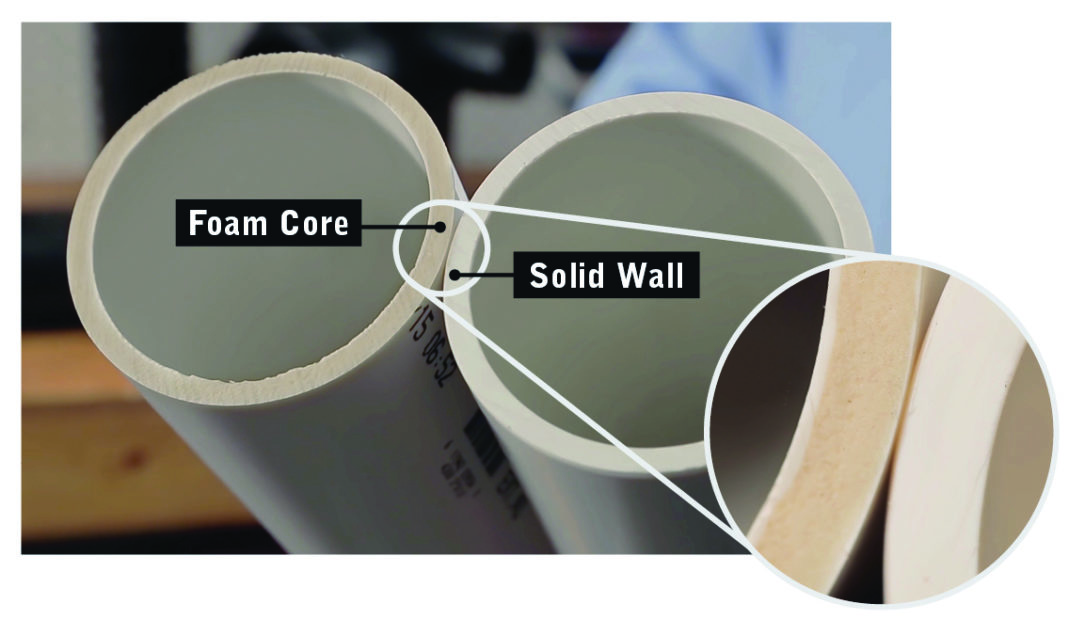
Cellular Core vs. Solid Core PVC: Choosing the Right Material for Energy-Efficient HVAC
When it comes to optimizing your HVAC system for energy efficiency and cost savings, often the focus is on the equipment itself – the furnace, air conditioner, or heat pump. However, the materials used in the ductwork and piping play a crucial role, particularly when considering PVC options. Two prominent choices are cellular core PVC and solid core PVC. Understanding the differences between these materials is essential for homeowners, businesses, and HVAC professionals alike, as it directly impacts energy consumption and long-term savings.
What is Cellular Core PVC?
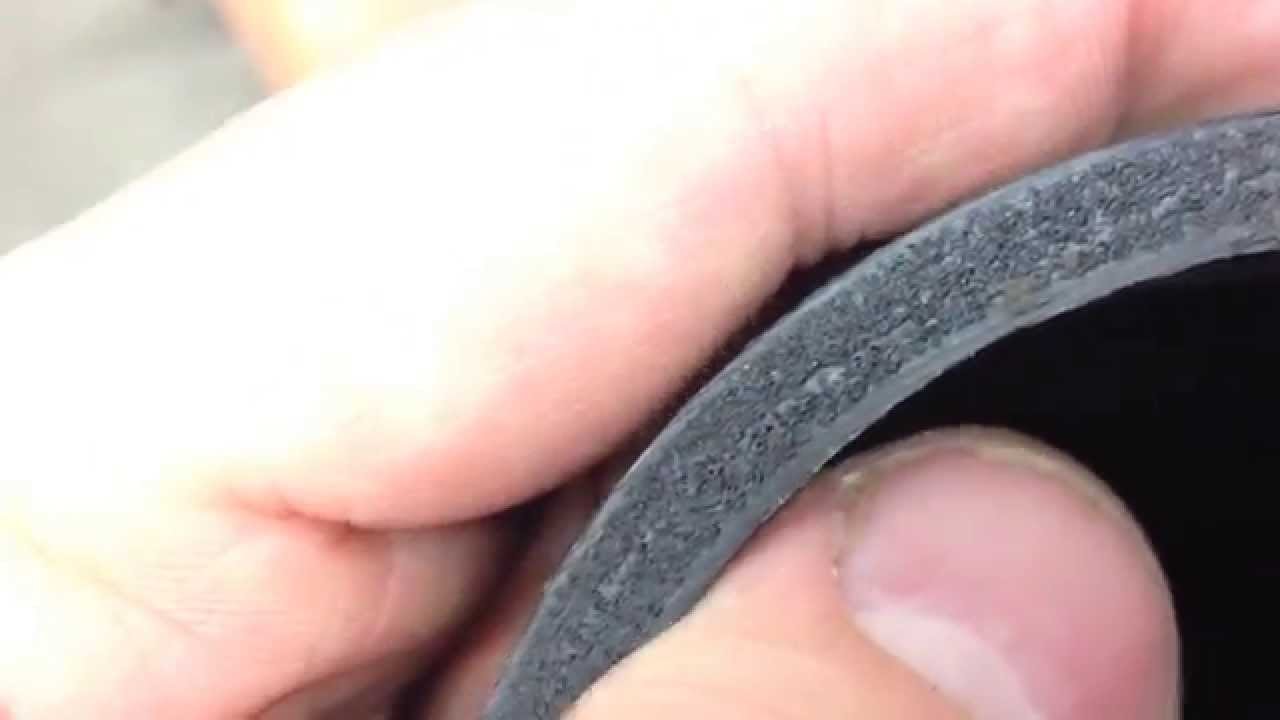
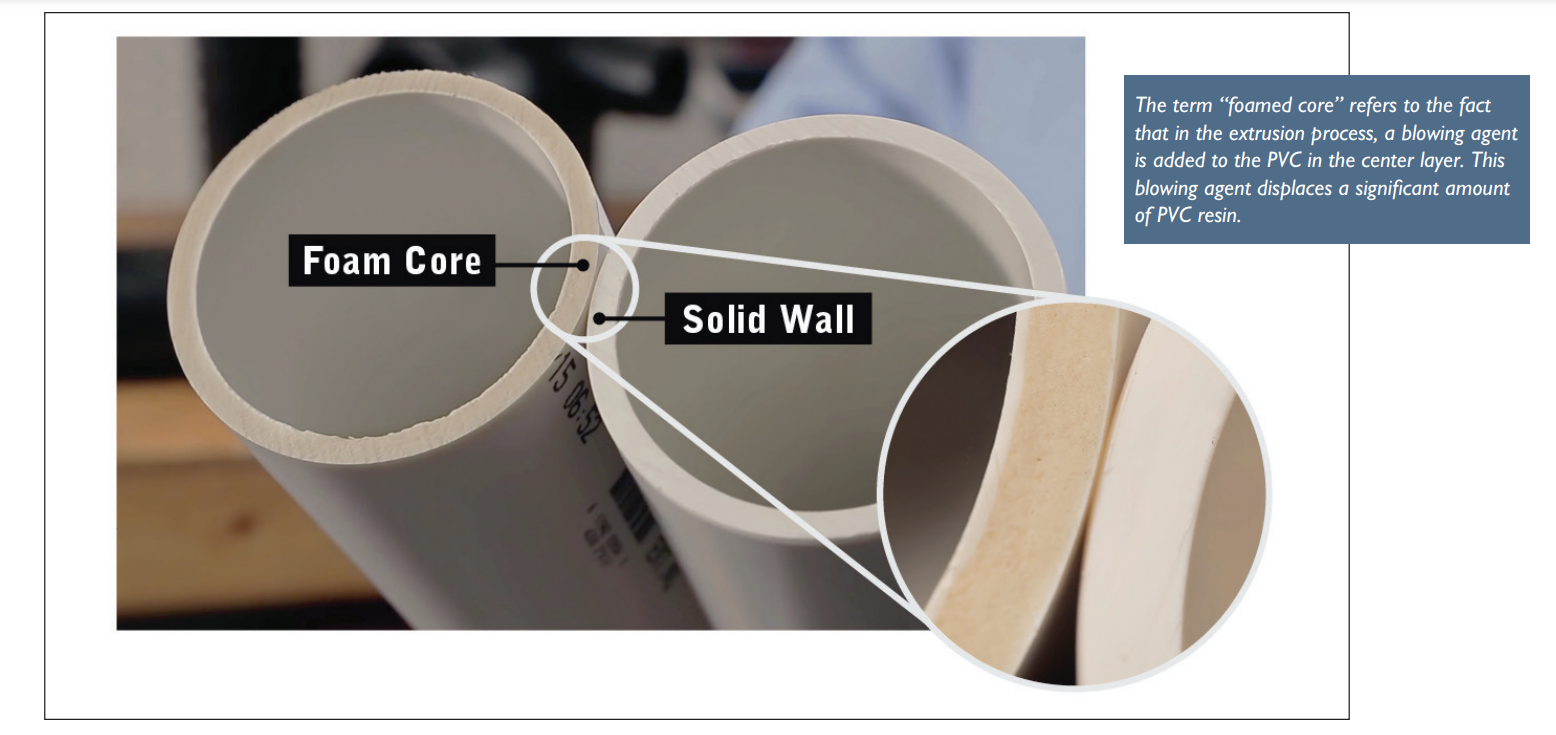
Cellular core PVC, as the name suggests, features a multi-layered construction. It consists of a foamed or cellular core sandwiched between two layers of solid PVC. This construction results in a lighter and less dense material compared to solid core PVC. The cellular core contributes to its insulating properties and makes it easier to handle and install.
What is Solid Core PVC?
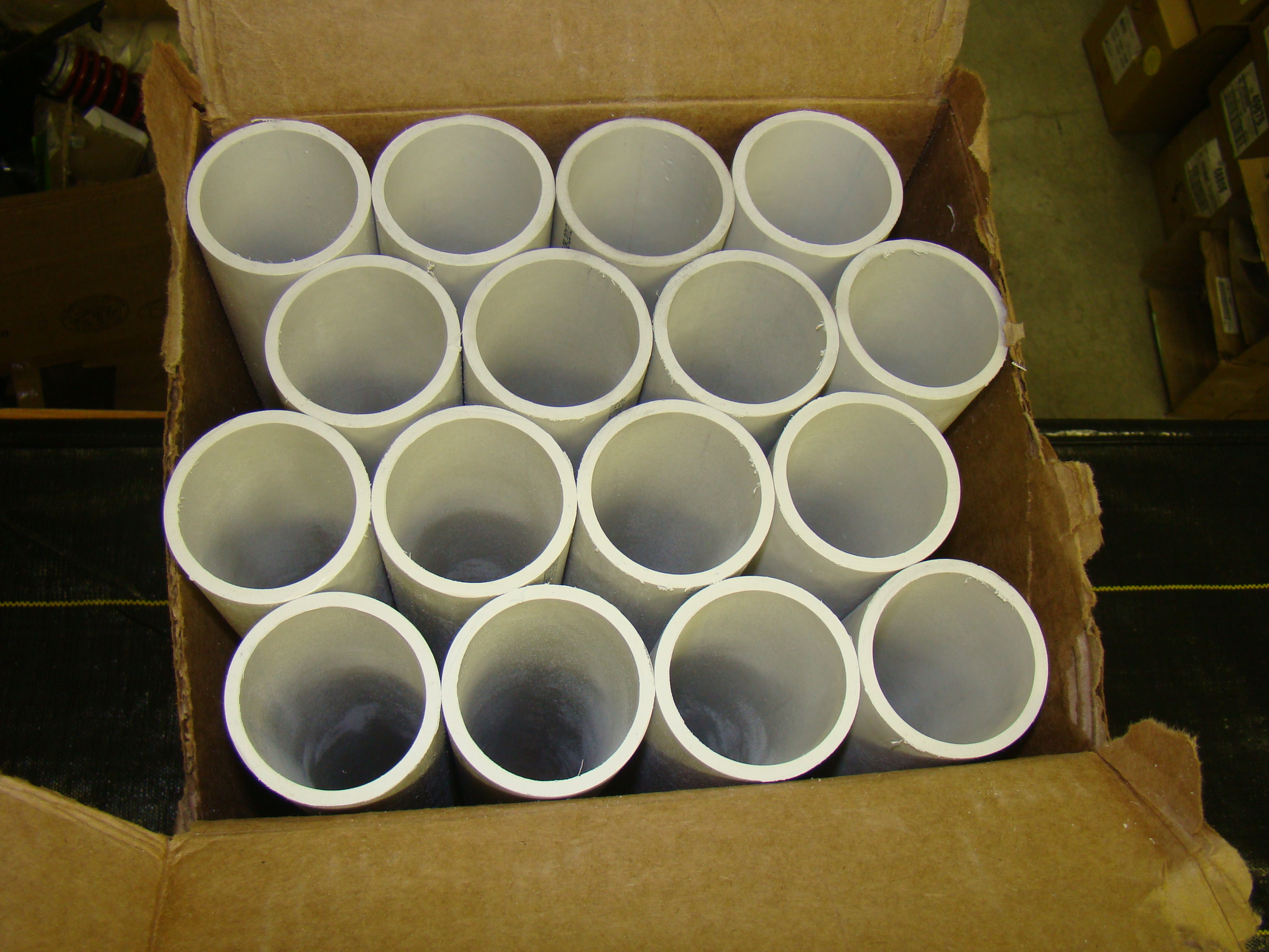
Solid core PVC, on the other hand, is a homogenous material throughout its thickness. It lacks the foamed core found in cellular core PVC, resulting in a denser and heavier product. This density provides greater strength and durability, making it suitable for applications requiring high pressure or structural integrity.
Energy Efficiency and Thermal Performance
One of the primary considerations when choosing between cellular core and solid core PVC is their thermal performance. A well-insulated HVAC system minimizes heat loss or gain, reducing the workload on your heating and cooling equipment and, consequently, your energy bills. This is where the differences between these two materials become significant.
Insulation Value (R-Value)
The R-value is a measure of a material's resistance to heat flow. A higher R-value indicates better insulation. Cellular core PVC generally offers a higher R-value than solid core PVC. The foamed core traps air, which acts as an insulator, impeding the transfer of heat. While the exact R-value depends on the specific product and its thickness, cellular core PVC often provides a notable advantage in thermal resistance. Data suggests that cellular PVC can have up to 30% better insulating properties compared to solid PVC, when properly installed and sealed.
Impact on Energy Savings
The increased insulation offered by cellular core PVC can translate into tangible energy savings. Imagine ductwork running through an unconditioned attic or basement. Solid core PVC ductwork will lose or gain more heat, forcing your HVAC system to work harder to maintain the desired temperature. Cellular core PVC, with its superior insulation, minimizes this heat transfer, reducing energy waste and lowering your monthly utility bills. For businesses with extensive HVAC systems, the cumulative effect of these savings can be substantial.
For example, consider a homeowner in a climate with hot summers and cold winters. Replacing uninsulated metal ductwork with cellular core PVC ductwork could result in energy savings of 10-20%, depending on the size and layout of the ductwork system, according to independent studies by the Department of Energy. That's not just good for your wallet; it contributes to a smaller carbon footprint.
Cost Comparison: Initial Investment vs. Long-Term Savings
The initial cost of materials is always a factor in any HVAC project. Generally, cellular core PVC is slightly more expensive than solid core PVC. This is due to the more complex manufacturing process involved in creating the multi-layered structure. However, it's crucial to consider the long-term savings that cellular core PVC can offer through reduced energy consumption.
While you might pay a little more upfront, the reduced energy bills over the lifespan of your HVAC system can easily offset the initial investment. A simple ROI calculation, factoring in energy costs and the expected lifespan of the PVC, can help you determine the true cost-effectiveness of each material. Smart homeowners and businesses often prioritize long-term value over short-term savings.
Installation Considerations
Both cellular core and solid core PVC are relatively easy to install, especially compared to traditional metal ductwork. However, there are some key differences in installation techniques that should be considered.
Weight and Handling
Cellular core PVC is significantly lighter than solid core PVC. This makes it easier to handle, transport, and install, especially in confined spaces. The lighter weight can also reduce labor costs, as it requires less effort and fewer personnel to maneuver the material.
Cutting and Joining
Both materials can be cut using standard PVC cutting tools. However, solid core PVC might require slightly more effort due to its increased density. Joining techniques, such as solvent welding, are similar for both materials. Proper sealing of joints is crucial for both materials to prevent air leaks and maximize energy efficiency. Using high-quality PVC cement and following manufacturer instructions are essential for a secure and airtight seal.
Structural Support
Due to its lower density, cellular core PVC may require more frequent support, especially for longer runs. Solid core PVC, with its greater strength, can span longer distances without sagging or requiring additional support. Consider the specific requirements of your HVAC system and the structural load-bearing capacity of the PVC when determining the appropriate support spacing.
Durability and Longevity
Both cellular core and solid core PVC are known for their durability and resistance to corrosion, moisture, and chemicals. However, their structural strengths differ.
Strength and Pressure Resistance
Solid core PVC generally offers superior strength and pressure resistance compared to cellular core PVC. This makes it suitable for applications involving high pressure or requiring structural integrity. Cellular core PVC is typically not recommended for high-pressure applications.
Impact Resistance
While both materials are relatively durable, solid core PVC tends to be more resistant to impact damage. The denser material can withstand greater force without cracking or breaking. In applications where the PVC is exposed to potential impact or abrasion, solid core PVC might be the preferred choice.
Lifespan
When properly installed and maintained, both cellular core and solid core PVC can last for decades. The lifespan of the PVC will depend on factors such as environmental conditions, operating pressure, and the quality of installation. Regular inspections and maintenance can help identify and address any potential issues before they become major problems, extending the lifespan of your HVAC system and maximizing your investment.
Smart Home Integration and HVAC Efficiency
Integrating your HVAC system with smart home technology can further enhance energy efficiency and cost savings. Smart thermostats, sensors, and zoning systems allow you to precisely control the temperature in different areas of your home or business, optimizing energy consumption and reducing waste.
Smart Thermostats
Programmable smart thermostats learn your heating and cooling preferences and automatically adjust the temperature based on your schedule. Some models even use geofencing technology to detect when you're away from home and automatically lower the temperature. The Energy Star program certifies thermostats that meet strict energy-efficiency guidelines, ensuring that you're getting a product that will save you money.
Sensors and Zoning Systems
Sensors can monitor the temperature and occupancy in different rooms, allowing you to create customized zoning systems. This allows you to heat or cool only the areas that are in use, further reducing energy consumption. For example, you can set the thermostat to automatically lower the temperature in unoccupied bedrooms during the day. Properly sealed cellular core PVC ductwork supports efficient zone control by minimizing heat loss/gain between zones.
Remote Monitoring and Control
Many smart home HVAC systems can be remotely monitored and controlled via a smartphone or tablet. This allows you to adjust the temperature, check system status, and receive alerts if there are any problems, even when you're away from home. Remote access is crucial to quickly adjusting and troubleshooting energy efficiency on your terms.
Government Incentives and Rebates
Many government agencies and utility companies offer incentives and rebates for energy-efficient HVAC upgrades. These programs can significantly reduce the upfront cost of your project, making it even more affordable to invest in energy-saving materials and technologies.
Check with your local utility company and your state's energy office to see what rebates and incentives are available in your area. The Energy Star website is also a valuable resource for finding information about government programs and energy-efficient products. Often, these rebates are tied to specific efficiency standards, so using materials like cellular core PVC alongside Energy Star certified equipment can help you maximize your savings.
Making the Right Choice
Choosing between cellular core and solid core PVC for your HVAC system requires careful consideration of your specific needs and priorities. If energy efficiency and insulation are paramount, cellular core PVC is generally the better choice. Its superior thermal performance can lead to significant energy savings over the long term. However, if strength and pressure resistance are more critical, solid core PVC might be the more suitable option.
Consider factors such as your climate, the size and layout of your HVAC system, your budget, and any applicable building codes or regulations. Consulting with a qualified HVAC professional can help you assess your needs and determine the best material for your project. They can provide expert advice on installation techniques, insulation requirements, and any other factors that may affect the performance of your HVAC system. By making an informed decision, you can ensure that your HVAC system is both energy-efficient and cost-effective.