Cellulose Insulation Vs Fiberglass Blown In

Frequently Asked Questions: Cellulose vs. Fiberglass Blown-In Insulation
Choosing the right insulation is a crucial decision for any homeowner or facility manager. Both cellulose and fiberglass blown-in insulation are popular choices, but understanding their differences is key to making an informed decision. This FAQ addresses common questions to help you choose the best option for your needs.
Question 1: What exactly *are* cellulose and fiberglass blown-in insulation?
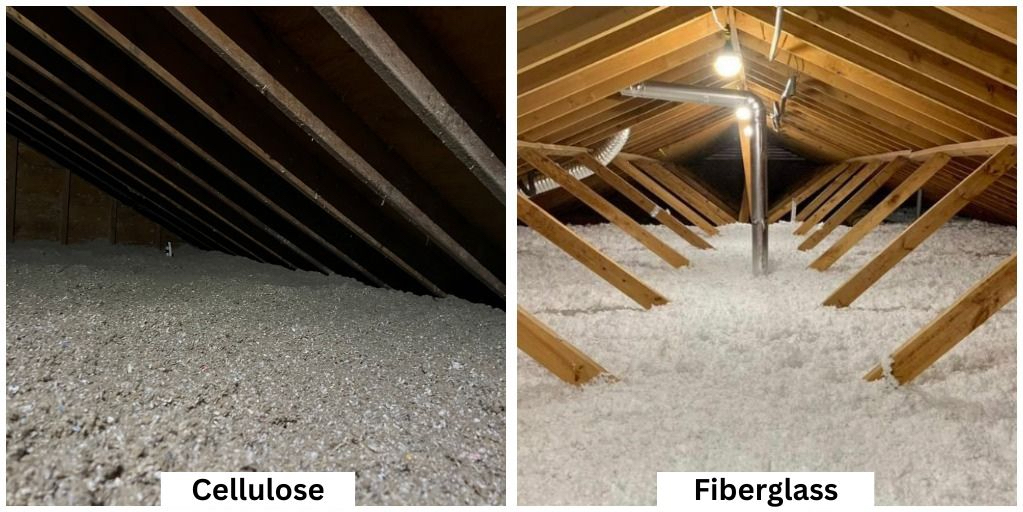
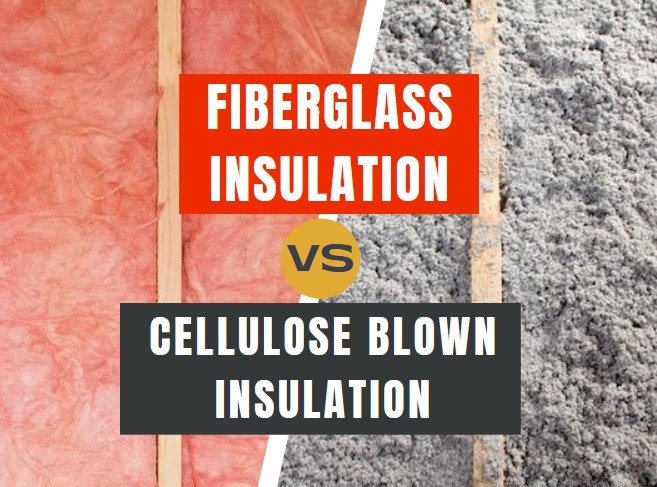
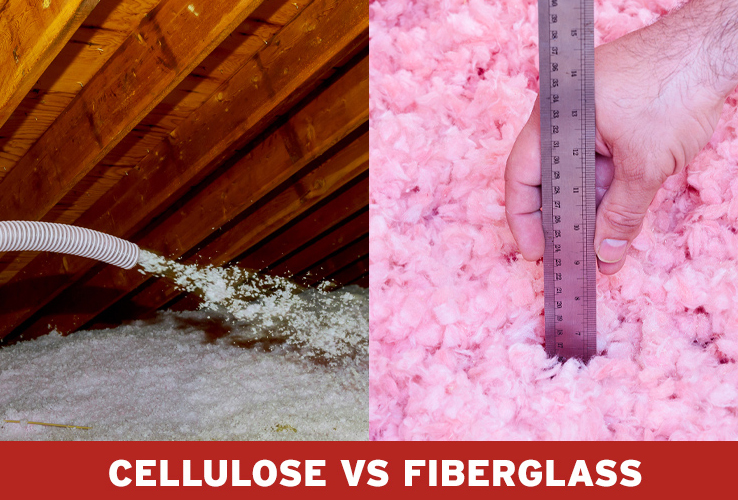
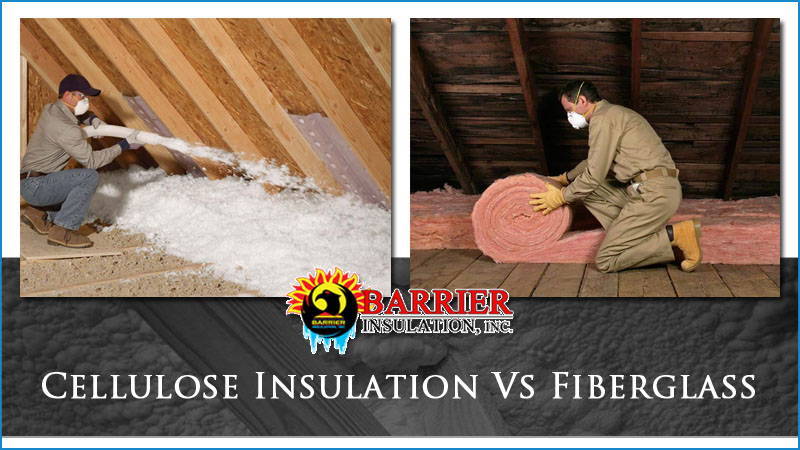
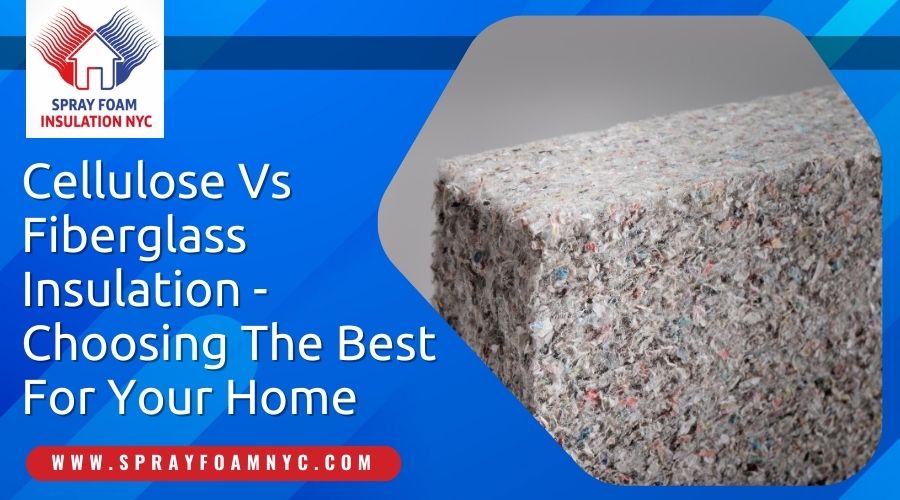
Cellulose insulation is primarily made from recycled paper products, typically newspapers, treated with fire retardants. It's installed by blowing it into attics, walls, and other cavities.
Fiberglass blown-in insulation consists of small glass fibers. It's also blown into cavities and attics, creating a thermal barrier. Unlike cellulose, it's made from sand and recycled glass.
Question 2: Which type provides better insulation and higher R-value?
While both offer effective insulation, cellulose generally has a slightly higher R-value per inch than fiberglass. R-value measures a material's resistance to heat flow; the higher the R-value, the better the insulation.
- Cellulose: Typically boasts an R-value of 3.6-3.8 per inch.
- Fiberglass: Generally has an R-value of 2.2-2.7 per inch.
However, the installed R-value can be impacted by factors like installation quality and settling. Cellulose also compacts slightly over time which can reduce overall R-value although it maintains its performance characteristics better than fiberglass when this happens.
Question 3: How do cellulose and fiberglass compare in terms of cost?
Generally, cellulose insulation is slightly more expensive to purchase than fiberglass. However, this difference can be marginal and influenced by factors like local market prices, installation costs, and the amount of insulation required.
Consider the long-term cost, including potential energy savings. The slightly higher R-value of cellulose might translate to greater energy efficiency and reduced heating/cooling bills over time, potentially offsetting the initial price difference.
Question 4: Are there differences in fire resistance and safety?
Both cellulose and fiberglass are treated to be fire-resistant, but they achieve this differently.
- Cellulose: Is treated with borates, which act as both a fire retardant and a pest control agent. It forms a dense layer that restricts oxygen flow, helping to slow down the spread of fire.
- Fiberglass: Is naturally fire-resistant due to its glass composition. It doesn't burn, but the binders used in some fiberglass products might release fumes when exposed to high heat.
Important Note: While both offer fire resistance, it's crucial to ensure they are installed correctly and meet local building codes for fire safety. Always check the fire safety rating of the specific product being considered.
Question 5: What about moisture resistance and mold growth?
This is a critical area where the materials differ.
- Cellulose: Can absorb moisture, potentially leading to mold growth if not properly installed and ventilated. However, borate treatments help inhibit mold growth. Denser packing of cellulose also helps to prevent moisture migration.
- Fiberglass: Does not absorb moisture. It is resistant to mold and mildew growth. However, moisture can still cause problems; it can reduce the insulative properties of fiberglass and can lead to condensation within the wall cavity if not managed correctly.
Proper ventilation and moisture management are crucial regardless of the insulation type. If moisture is a significant concern in your area, fiberglass might be a better choice, or ensure proper vapor barriers are installed with cellulose.
Question 6: What are the environmental impacts of each material?
Both materials offer environmental benefits, but they differ in their sustainability aspects.
- Cellulose: Is considered a more environmentally friendly option due to its high recycled content (typically 80-85% recycled paper). It reduces landfill waste and requires less energy to manufacture than fiberglass.
- Fiberglass: Often contains recycled glass, though the percentage can vary. The manufacturing process is more energy-intensive than cellulose. However, fiberglass is inert and doesn't off-gas harmful chemicals.
Consider your environmental priorities when making your choice. If recycled content is a major factor, cellulose is the clear winner. If inertness is more important, fiberglass is a good choice.
Question 7: How about settling and maintaining performance over time?
Both cellulose and fiberglass can settle over time, which can reduce their insulation effectiveness. However, the amount of settling and its impact on performance differ.
- Cellulose: Tends to settle more than fiberglass, especially in walls. However, its dense packing and interlocking fibers help maintain a more consistent R-value even after settling. The reduction in R-value is usually minimal (around 2-3%) with properly installed cellulose.
- Fiberglass: Experiences less settling than cellulose, particularly if it's of a higher density. However, if fiberglass becomes compressed or wet, its R-value can decrease significantly.
Proper installation is essential for both materials to minimize settling and maintain optimal performance. Dense-packing techniques can help reduce cellulose settling. With fiberglass, avoid compressing the material during installation. It is recommended to add additional insulation over time to ensure sufficient R-value is maintained.
Question 8: How do installation processes differ between cellulose and fiberglass blown-in insulation?
While both are installed using similar blowing equipment, there are nuances in the installation process that can influence performance and cost.
- Cellulose: Requires skilled installers to ensure proper density and avoid over- or under-packing. Dense-packing cellulose in walls requires specific techniques to prevent settling and maintain optimal thermal performance.
- Fiberglass: Is generally easier to install than dense-packed cellulose. However, even distribution and avoiding compression are critical for achieving the desired R-value. Technicians should wear protective gear to avoid skin and respiratory irritation.
Choosing a qualified and experienced installer is crucial for both materials. Poor installation can significantly reduce the effectiveness of either cellulose or fiberglass.
Question 9: Are there any health concerns associated with cellulose or fiberglass insulation?
Both materials are generally considered safe when handled properly. However, there are a few potential health concerns to be aware of.
- Cellulose: The borate treatments used in cellulose can be a mild irritant to some individuals. Proper ventilation during installation is recommended.
- Fiberglass: The tiny glass fibers can cause skin, eye, and respiratory irritation. Installers should wear protective clothing, gloves, and respirators to minimize exposure. Low-dust fiberglass options are available to reduce this risk.
Following safety guidelines during installation and wearing appropriate protective gear can minimize any potential health risks associated with either material.
Question 10: Which insulation is best for soundproofing?
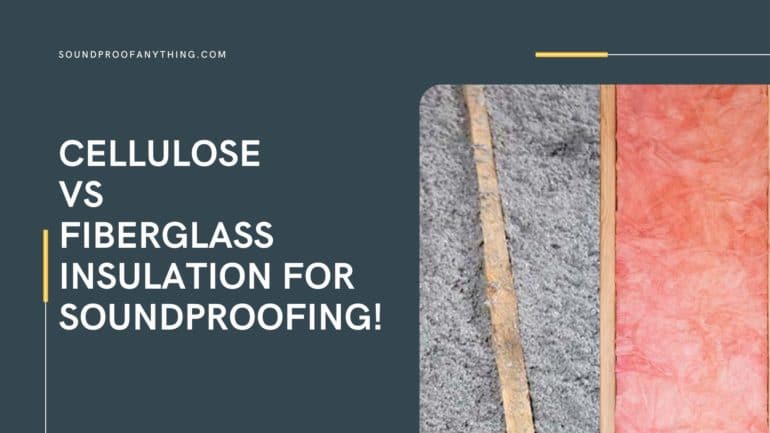
Both cellulose and fiberglass can help reduce sound transmission, but cellulose generally performs better for soundproofing.
The density of cellulose helps to dampen sound waves more effectively than fiberglass. It fills in gaps and crevices more completely, creating a tighter seal that reduces sound leakage. Fiberglass also reduces sound, but not as effectively as cellulose. Consider cellulose if sound reduction is a major priority.
Question 11: Which is better for pest control?
Cellulose is a natural pest control. Fiberglass does not contribute to pest control. This is due to the boric acid contained in cellulose.
Question 12: How do I decide which insulation is right for me?
The best choice depends on your individual needs and priorities. Consider these factors:
- Budget: Fiberglass is usually less expensive upfront.
- R-value: Cellulose generally offers a slightly higher R-value per inch.
- Environmental Concerns: Cellulose is more environmentally friendly due to its recycled content.
- Moisture Concerns: Fiberglass is more moisture-resistant.
- Fire Resistance: Both are fire-resistant when properly installed.
- Soundproofing: Cellulose provides better soundproofing.
- Pest Control: Cellulose is a natural pest control
Consult with a qualified insulation contractor to assess your specific needs and recommend the best option for your climate, building structure, and budget. Obtain multiple quotes and ask detailed questions about the installation process and warranty.