Central Ac Parts Name List With Picture

Understanding Your Central Air Conditioning System: A Comprehensive Parts Guide
Central air conditioning systems, vital for maintaining comfortable indoor environments, can seem complex. This guide breaks down the key components of a central AC unit, offering a visual reference and explanations suitable for homeowners, HVAC technicians, and facility managers alike. Understanding these parts will empower you to troubleshoot issues, communicate effectively with HVAC professionals, and make informed decisions about maintenance and upgrades.
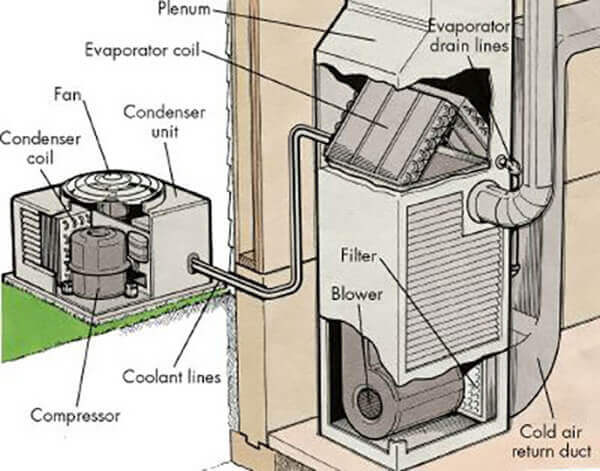
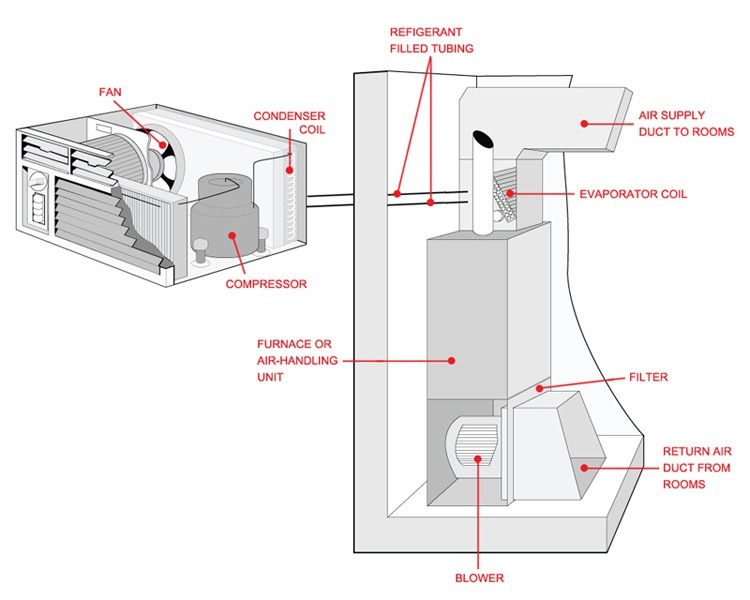
Before diving in, remember that central AC systems typically comprise two main units: the outdoor unit (condenser) and the indoor unit (air handler). Some systems integrate the air handler with the furnace, while others have a dedicated air handler.
The Outdoor Unit (Condenser) – The Heart of Cooling
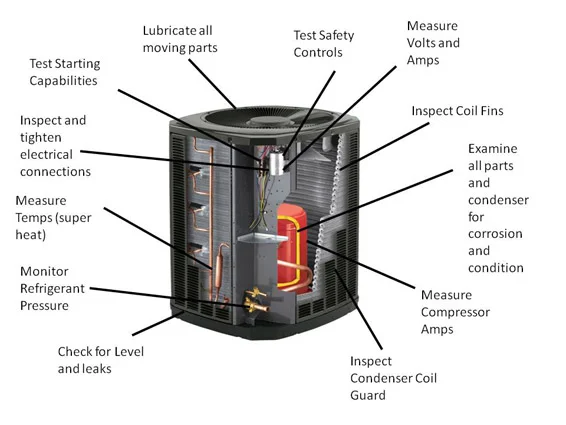
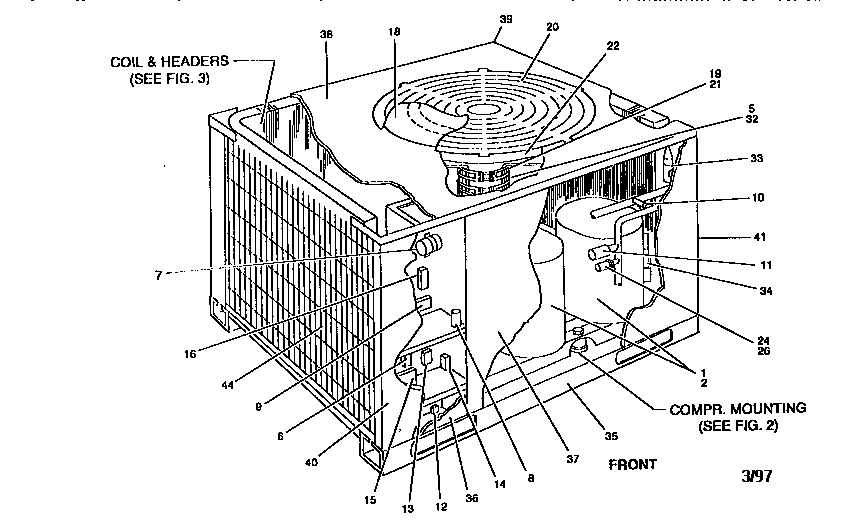
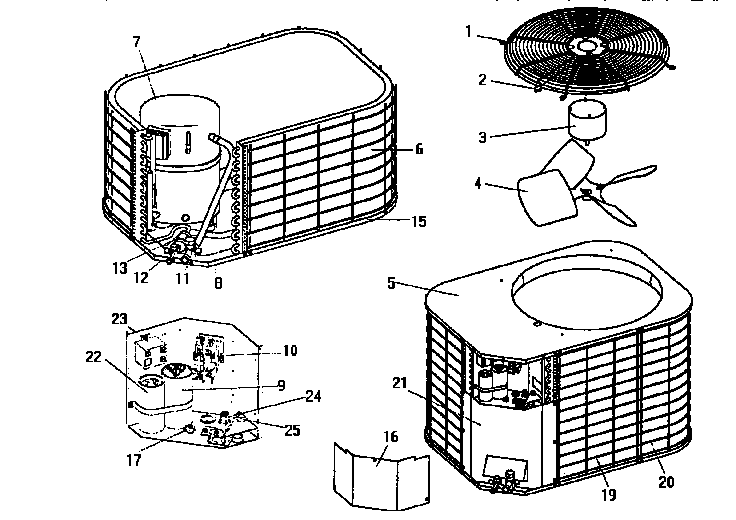
The outdoor unit is responsible for releasing the heat absorbed from inside your home. It houses several critical components:
1. Compressor
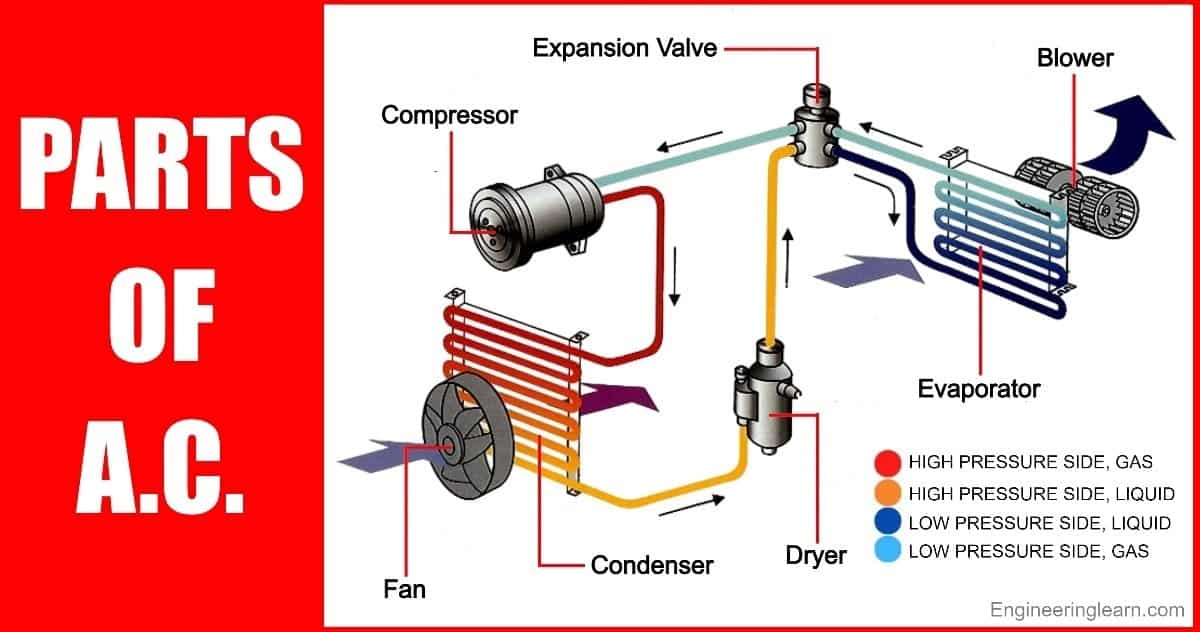
The compressor is arguably the most vital and expensive part of the system. It’s a pump that circulates refrigerant throughout the AC system, compressing the refrigerant gas to increase its temperature and pressure. This pressurized, hot refrigerant then flows to the condenser coil. Compressor failures often result in costly repairs or system replacements.
Example: A reciprocating compressor is commonly used in residential units, while larger scroll compressors are often found in commercial applications due to their higher efficiency and reliability.
2. Condenser Coil
The condenser coil, also known as the outdoor coil, is a series of finned tubes designed to dissipate heat. Hot, high-pressure refrigerant flows through the coil, and a fan blows air across the fins, allowing the heat to be released into the outside environment. The refrigerant then cools and condenses into a high-pressure liquid.
Efficiency Tip: Regularly cleaning the condenser coil improves heat transfer and energy efficiency. Dirt and debris act as insulators, reducing the system's ability to release heat.
3. Condenser Fan
The condenser fan is responsible for drawing air across the condenser coil, facilitating the heat transfer process. A malfunctioning condenser fan can lead to overheating, reduced cooling capacity, and compressor damage. Regular inspection and maintenance are crucial.
Cost Consideration: Replacing a condenser fan motor is significantly less expensive than replacing the entire compressor.
4. Expansion Valve or Metering Device
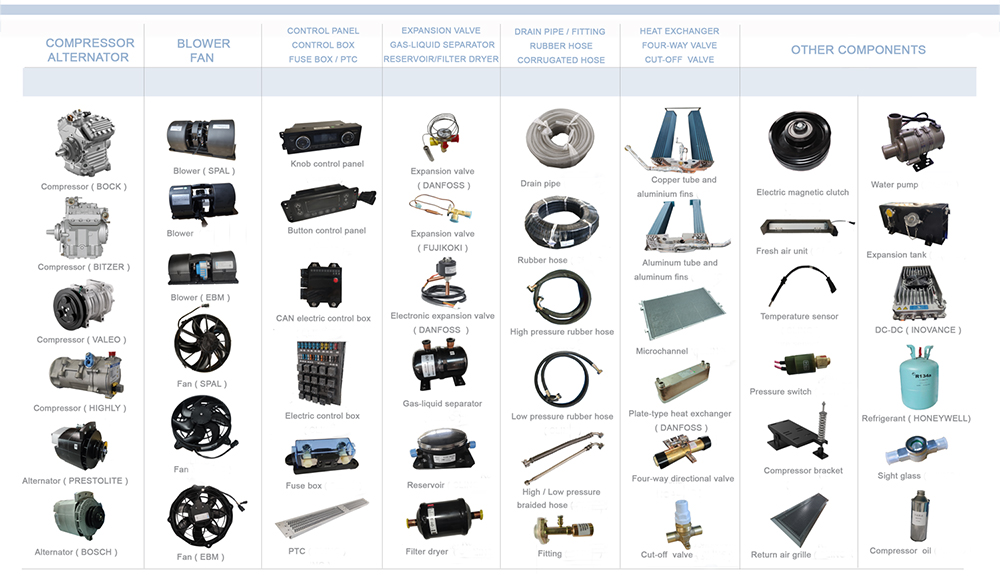
The expansion valve (also called a metering device) is located near the indoor coil. It controls the flow of high-pressure liquid refrigerant from the condenser coil into the evaporator coil. As the refrigerant passes through the expansion valve, its pressure drops dramatically, causing it to cool significantly.
Types: Common types include thermostatic expansion valves (TXVs) and fixed orifice devices. TXVs offer better control and efficiency but are more complex and expensive.
5. Refrigerant Lines
Refrigerant lines are copper or aluminum pipes that connect the outdoor and indoor units, carrying refrigerant between them. These lines must be properly insulated to prevent heat loss or gain, which can reduce efficiency. Leaks in refrigerant lines can lead to significant performance issues and environmental concerns.
Regulations: Regulations surrounding refrigerant types (e.g., R-22 phase-out) require technicians to handle refrigerants properly and may necessitate system upgrades.
6. Service Valves
Service valves provide access points for technicians to connect gauges and equipment to charge, recover, or test the system's refrigerant. They are typically located near the compressor and expansion valve.
The Indoor Unit (Air Handler) – Delivering Cool Air
The indoor unit, typically located in an attic, closet, or basement, is responsible for circulating cool air throughout your home. Key components include:
1. Evaporator Coil
The evaporator coil, also known as the indoor coil, is where the refrigerant absorbs heat from the air circulating through your ductwork. As warm air passes over the cold evaporator coil, the refrigerant absorbs the heat, cooling the air. The refrigerant then returns to the compressor to repeat the cycle. A dirty evaporator coil reduces cooling efficiency and can lead to ice buildup.
Maintenance: Regular cleaning or replacement of the air filter is critical to prevent dust and debris from accumulating on the evaporator coil.
2. Blower Motor and Fan
The blower motor and fan circulate air throughout your home's ductwork. The blower motor drives the fan, which pulls air across the evaporator coil and pushes the cooled air through the supply vents. Different blower motor types (e.g., PSC, ECM) offer varying levels of efficiency and control.
Upgrade Options: Replacing an older PSC motor with an ECM (electronically commutated motor) can significantly improve energy efficiency and comfort.
3. Air Filter
The air filter is a critical component for maintaining air quality and protecting the HVAC system. It removes dust, pollen, and other particles from the air before it enters the system. Clogged air filters reduce airflow, decreasing cooling efficiency and potentially damaging the blower motor and evaporator coil. Regular air filter replacement is essential.
Filter Types: MERV (Minimum Efficiency Reporting Value) ratings indicate a filter's ability to capture particles. Higher MERV ratings offer better filtration but can also restrict airflow if the system isn't designed for it.
4. Drain Pan and Drain Line
The drain pan and drain line collect and remove condensation that forms on the evaporator coil. A clogged drain line can cause water damage and promote mold growth. Regular cleaning with a bleach solution or specialized drain cleaner is recommended.
Preventative Measures: Installing a condensate pump can help prevent water damage in areas where gravity drainage is not possible.
5. Plenum
The plenum is a sealed box or chamber that connects the air handler to the ductwork. It helps distribute air evenly and efficiently throughout the system. Leaks in the plenum can reduce efficiency and increase energy costs.
Sealing: Sealing leaks in the plenum and ductwork with mastic or metal tape can significantly improve system performance.
Other Important Components
1. Ductwork
Ductwork is the network of pipes that carries conditioned air throughout your home. Properly sized and insulated ductwork is essential for efficient cooling. Leaky or poorly insulated ductwork can result in significant energy loss.
Duct Materials: Ductwork can be made of metal, fiberglass duct board, or flexible duct. Each material has its advantages and disadvantages in terms of cost, insulation value, and ease of installation.
2. Thermostat
The thermostat is the control center for your HVAC system. It senses the room temperature and signals the system to turn on or off to maintain the desired temperature. Programmable and smart thermostats offer advanced features such as scheduling, remote control, and energy usage monitoring.
Smart Thermostats: Smart thermostats can learn your preferences and automatically adjust the temperature to optimize comfort and energy savings.
3. Electrical Components
Electrical components, including circuit breakers, capacitors, and wiring, provide power and control to the various parts of the AC system. A licensed electrician should handle any electrical repairs or modifications.
Conclusion
Understanding the key components of your central air conditioning system is crucial for effective maintenance, troubleshooting, and communication with HVAC professionals. Regular maintenance, including filter changes, coil cleaning, and professional inspections, can extend the lifespan of your system and ensure optimal performance. By familiarizing yourself with these parts, you can make informed decisions about your home's cooling needs and ensure a comfortable indoor environment for years to come.
This guide serves as a starting point. Consult with a qualified HVAC technician for specific advice and recommendations tailored to your system and needs. A properly maintained system will not only keep you comfortable but also save you money on energy bills and prevent costly repairs in the long run.