Central Air Conditioning Units For Mobile Homes

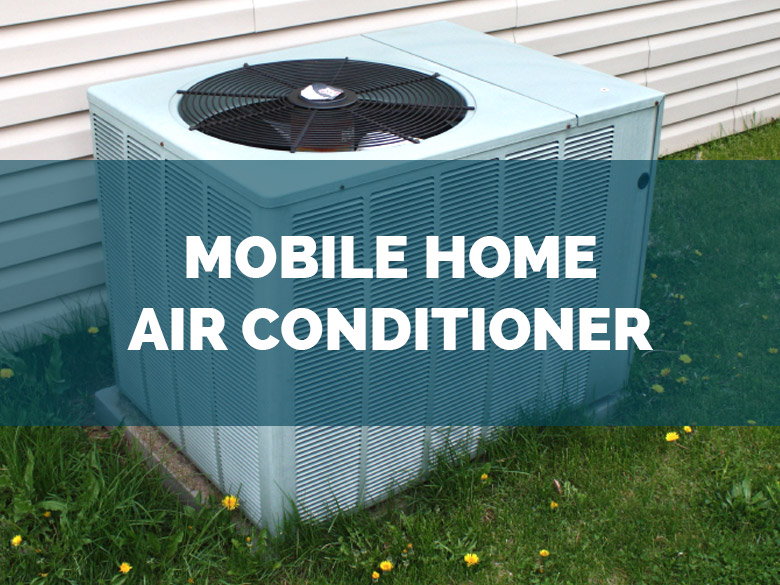
Maintaining comfortable temperatures in a mobile home requires a specialized approach to heating and cooling. While standard residential HVAC systems can sometimes be adapted, central air conditioning units designed specifically for mobile homes offer superior performance, efficiency, and safety. This article will explore the unique requirements of mobile home HVAC, detailing the types of central AC units available, factors affecting their performance, installation considerations, and maintenance best practices. We'll cover everything from SEER ratings to ductwork and help you make an informed decision about cooling your mobile home.
Understanding the Unique Needs of Mobile Home HVAC
Mobile homes differ significantly from conventionally built houses in terms of construction and insulation. Their lightweight construction often results in less effective insulation, leading to greater temperature fluctuations and higher energy consumption. Ductwork is also different; mobile homes typically use a crawl space or underbelly for duct runs, which are often less insulated and more prone to leaks than ductwork installed within the conditioned space of a traditional home.
Because of these differences, standard HVAC systems can be inefficient and even unsafe in mobile homes. Using a standard residential air conditioner can lead to:
- Uneven cooling: Hot and cold spots are common due to poor insulation and inadequate ductwork.
- High energy bills: The AC unit works harder to maintain the desired temperature, resulting in increased energy consumption.
- Shortened equipment lifespan: Overworking the system can cause premature failure.
- Potential safety hazards: Improper ventilation can lead to indoor air quality problems.
Types of Central Air Conditioning Units for Mobile Homes
Several types of central AC units are suitable for mobile homes, each with its own advantages and disadvantages:
Package Units
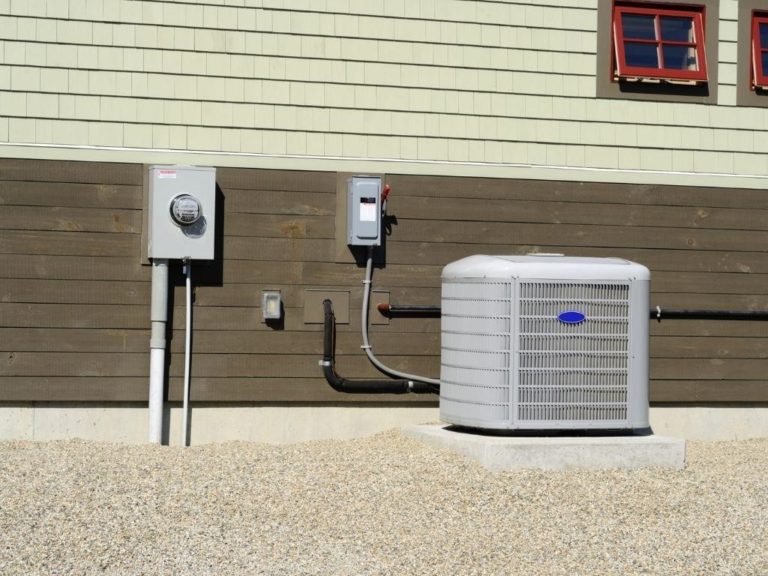
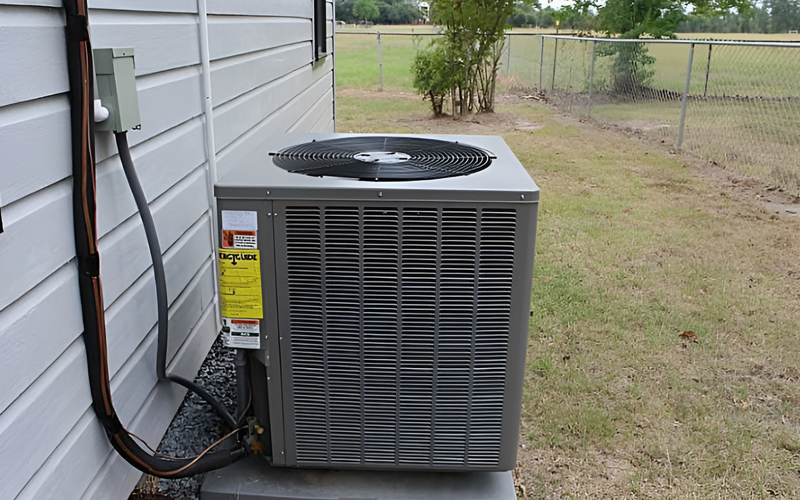
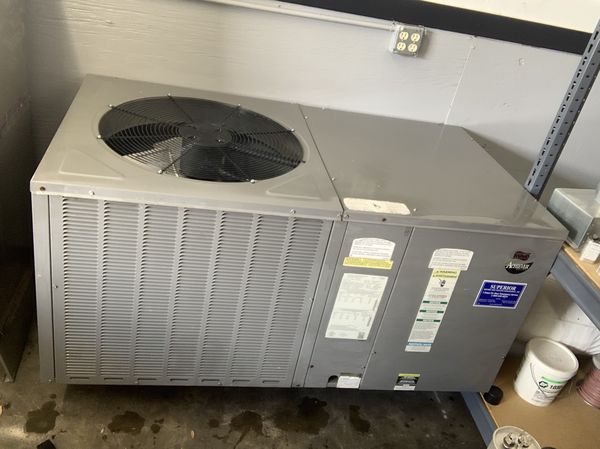
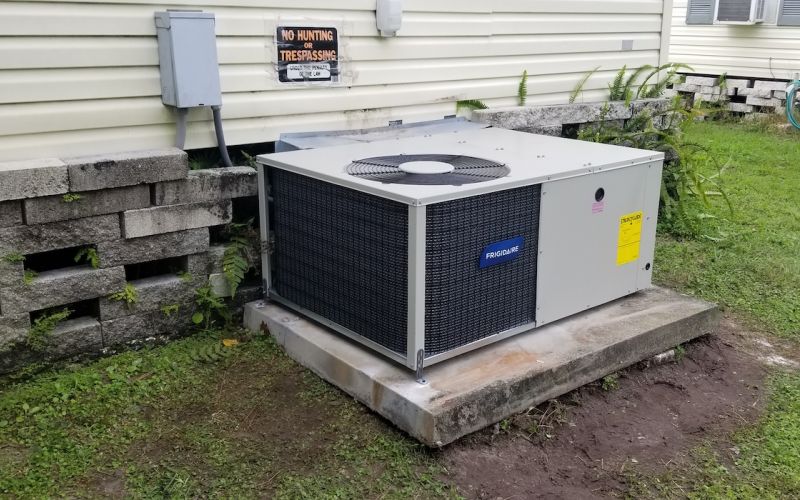
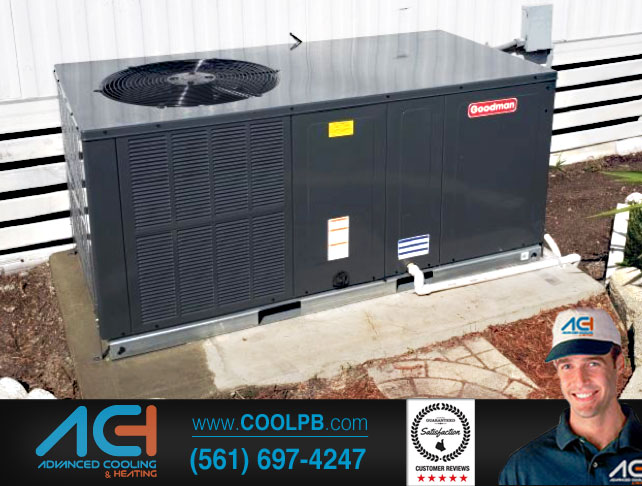
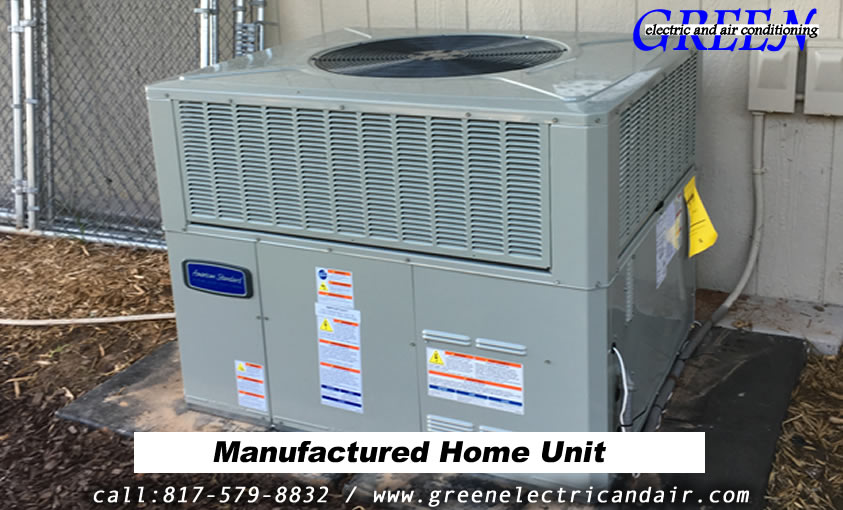
Package units are self-contained systems that house all components – the compressor, condenser, and evaporator coil – in a single outdoor unit. They connect to the home's ductwork through a supply and return air plenum. Package units are a popular choice for mobile homes due to their ease of installation and compact design.
Pros:
- Easy installation
- Space-saving design
- Relatively lower upfront cost compared to split systems
Cons:
- All components are exposed to the elements, potentially reducing lifespan.
- Can be noisier than split systems.
- Maintenance may require working outside in inclement weather.
Example: Consider a 3-ton packaged unit with a SEER rating of 14 installed on a 1200 sq ft mobile home. Homeowners might see a noticeable improvement in cooling performance, however, the energy savings will vary based on insulation levels and local climate conditions.
Split Systems
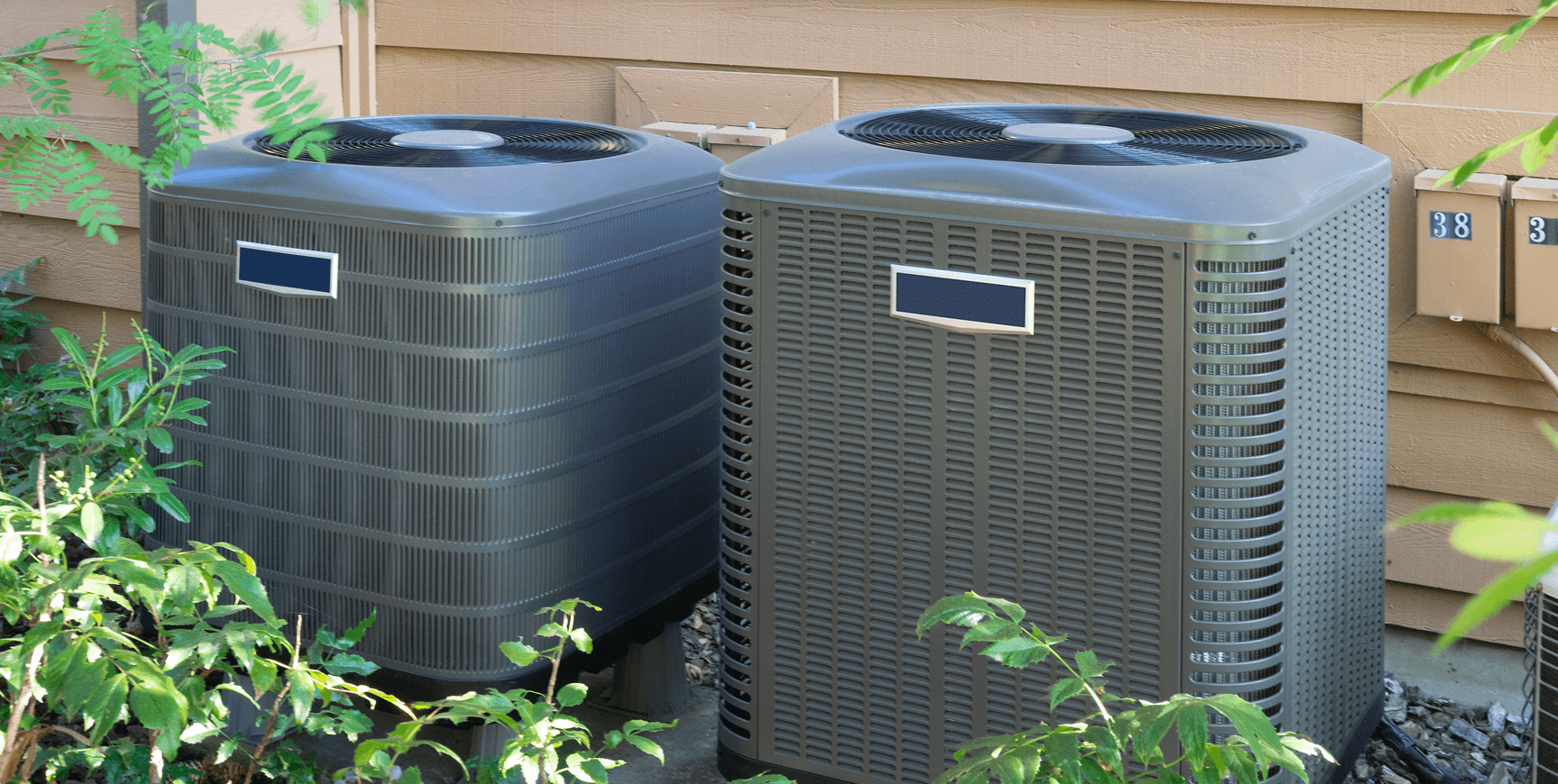
Split systems consist of an outdoor unit (containing the compressor and condenser) and an indoor unit (containing the evaporator coil and air handler). The two units are connected by refrigerant lines. While split systems are more complex to install in mobile homes, they offer several advantages in terms of efficiency and quiet operation.
Pros:
- Quieter operation
- Potentially higher energy efficiency (SEER ratings)
- Indoor components are protected from the elements, extending lifespan.
Cons:
- More complex and expensive installation
- Requires running refrigerant lines and electrical wiring between the indoor and outdoor units.
Example: A 2.5-ton split system with a SEER rating of 16 may be suitable for an 800 sq ft mobile home. The higher SEER rating could result in lower monthly energy bills compared to a package unit with a lower SEER rating, but the initial installation costs will likely be higher.
Ductless Mini-Split Systems
Ductless mini-split systems offer a unique alternative for mobile homes with limited or no existing ductwork. These systems consist of an outdoor unit connected to one or more indoor air handlers, which are mounted on the wall or ceiling. Ductless systems are highly energy-efficient and allow for zoned cooling, meaning you can control the temperature in individual rooms.
Pros:
- No ductwork required
- Highly energy-efficient
- Zoned cooling capabilities
- Easy installation in some cases
Cons:
- Higher upfront cost compared to other options.
- Indoor units are visible.
- May not be suitable for large mobile homes requiring multiple indoor units.
Example: A single-zone mini-split system might be ideal for a small mobile home bedroom or living area, providing targeted cooling where it's needed most. Multiple units can be installed to cool the entire home, but the cost can quickly escalate.
Factors Affecting Air Conditioning Performance in Mobile Homes
Several factors can influence the performance and efficiency of a central AC unit in a mobile home:
- Insulation: Proper insulation in the walls, roof, and underbelly is crucial for minimizing heat gain and loss.
- Ductwork: Leaky or poorly insulated ductwork can significantly reduce cooling efficiency. Sealing and insulating ducts is essential.
- Window Treatments: Using curtains, blinds, or reflective window film can help block sunlight and reduce heat gain.
- Unit Size: Choosing the right size AC unit is critical. An undersized unit will struggle to cool the home, while an oversized unit will cycle on and off frequently, leading to energy waste and poor dehumidification. A professional HVAC technician can perform a Manual J load calculation to determine the appropriate size.
- SEER Rating: The Seasonal Energy Efficiency Ratio (SEER) measures the cooling efficiency of an AC unit. Higher SEER ratings indicate greater efficiency. Look for units with a SEER rating of 14 or higher.
Installation Considerations
Installing a central AC unit in a mobile home requires careful planning and attention to detail:
- Electrical Capacity: Ensure the home's electrical system can handle the power requirements of the AC unit.
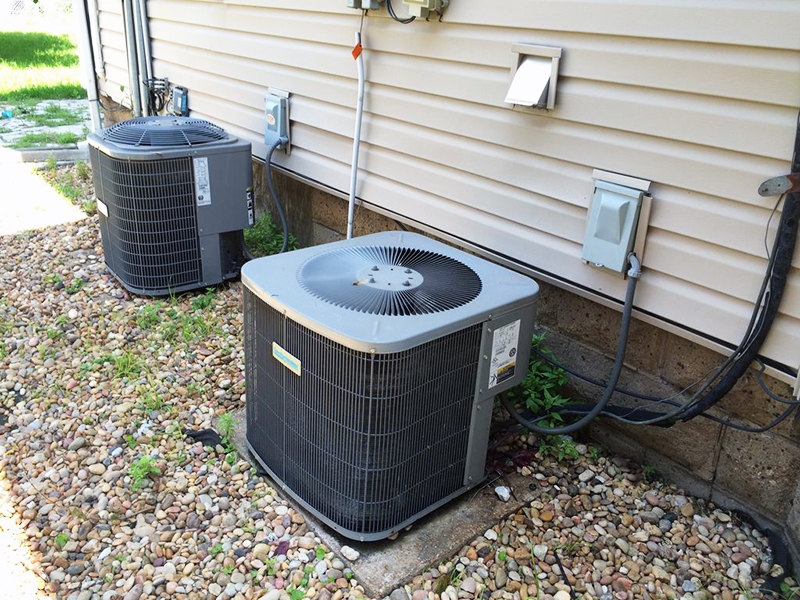
- Clearance: Provide adequate clearance around the outdoor unit for proper airflow and maintenance access.
- Ductwork Connections: Ensure the ductwork is properly sealed and connected to the AC unit to prevent air leaks.
- Drainage: Provide a drain line for the condensate produced by the evaporator coil.
- Professional Installation: It is highly recommended to hire a qualified HVAC technician to install the AC unit. Improper installation can lead to safety hazards, reduced efficiency, and premature equipment failure.
Maintenance Best Practices
Regular maintenance is essential for ensuring the longevity and efficiency of your central AC unit:
- Clean or replace air filters regularly (every 1-3 months). Dirty air filters restrict airflow and reduce cooling efficiency.
- Clean the outdoor unit coils annually. Use a garden hose to gently rinse away dirt and debris.
- Inspect ductwork for leaks and damage. Seal any leaks with duct tape or mastic.
- Schedule annual professional maintenance. A qualified HVAC technician can inspect the system, check refrigerant levels, and identify potential problems before they become major issues.
Cost Considerations
The cost of a central AC unit for a mobile home can vary depending on the type of system, size, SEER rating, and installation complexity. Here's a general overview of the cost factors:
- Unit Price: Package units are typically less expensive than split systems. Ductless mini-split systems can be the most expensive option upfront.
- Installation Costs: Installation costs can vary depending on the complexity of the job. Installing ductwork can add significantly to the overall cost.
- Operating Costs: Higher SEER ratings translate to lower monthly energy bills. Consider the long-term operating costs when making your decision.
- Maintenance Costs: Regular maintenance can help prevent costly repairs down the road. Budget for annual maintenance service.
Remember to get quotes from multiple HVAC contractors to compare prices and services. Also, inquire about available rebates and incentives from your local utility company.
Conclusion
Choosing the right central air conditioning unit for your mobile home is a significant investment that can improve your comfort, reduce your energy bills, and enhance your indoor air quality. By understanding the unique needs of mobile home HVAC, evaluating the different types of AC units available, and following proper installation and maintenance practices, you can ensure years of reliable and efficient cooling. Always consult with a qualified HVAC professional to determine the best solution for your specific needs and budget. Ignoring the intricacies of mobile home construction when choosing or installing a new AC unit could lead to higher costs and poor performance. Take the time to research and make an informed decision.