Central Air Conditioning Vs Heat Pump

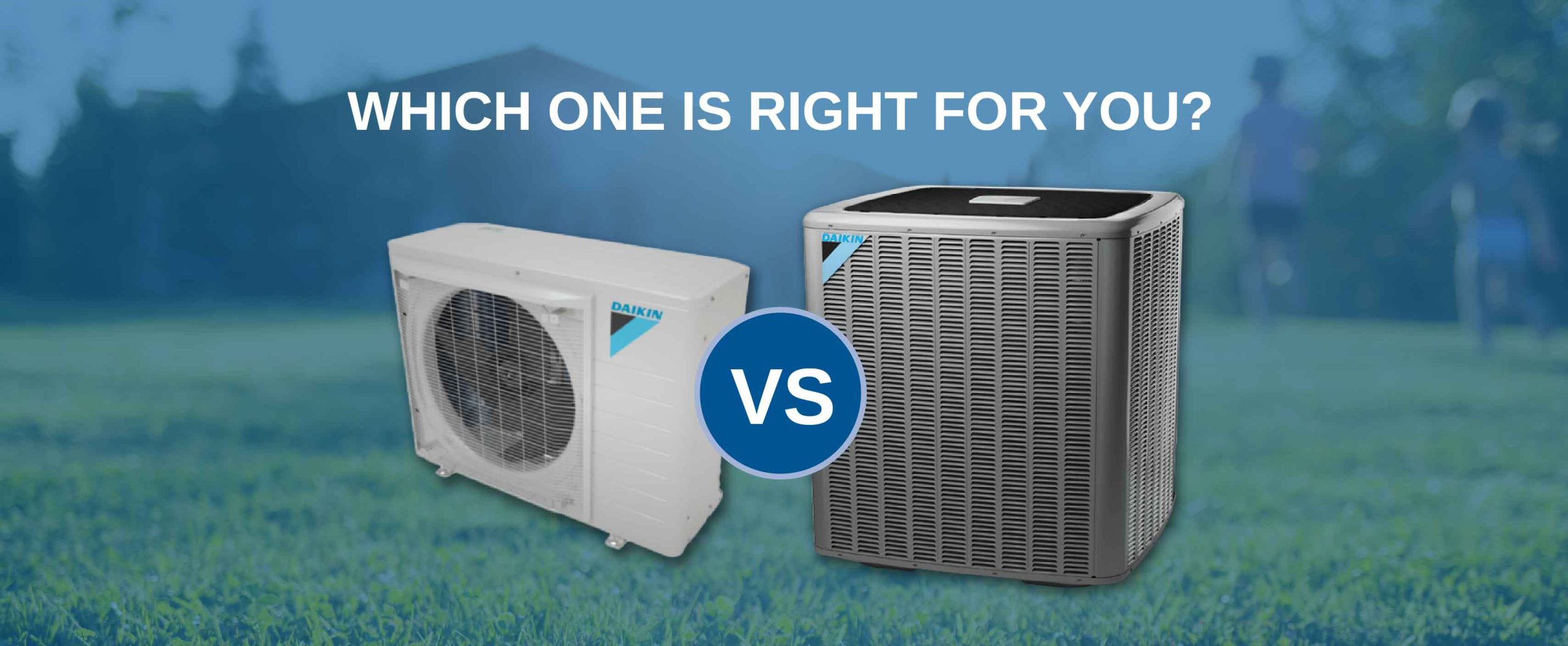
Central Air Conditioning vs. Heat Pump: Which is Right for Your Home?
Choosing a new heating and cooling system is a significant investment. Two of the most popular options are central air conditioning systems and heat pumps. While both can effectively cool your home, they operate differently, and understanding these differences is crucial for making an informed decision. This guide will provide a comprehensive comparison of central air conditioning and heat pumps, covering their functionality, pros, cons, efficiency ratings, costs, and maintenance needs.
Understanding Central Air Conditioning
A central air conditioning system is designed primarily for cooling. It works by circulating refrigerant through a closed loop. The refrigerant absorbs heat from inside your home and releases it outside. The key components of a central AC system include:
- Compressor: Compresses the refrigerant, increasing its temperature and pressure.
- Condenser: Located outside, it releases heat from the refrigerant as it changes from a gas to a liquid.
- Evaporator: Located inside, it absorbs heat from the indoor air as the refrigerant changes from a liquid to a gas.
- Expansion Valve: Controls the flow of refrigerant into the evaporator, reducing its pressure and temperature.
- Air Handler: Circulates air throughout your home via ductwork, passing it over the evaporator coil for cooling.
Pros of Central Air Conditioning:
- Effective Cooling: Central AC systems are highly effective at cooling homes, even in extremely hot climates.
- Reliable Performance: They are generally reliable and have a proven track record.
- Lower Upfront Cost (Potentially): In some regions, central AC systems may have a slightly lower initial purchase price compared to heat pumps, particularly if you already have a separate heating system like a furnace.
Cons of Central Air Conditioning:
- Limited Heating Capability: Central AC systems cannot provide heating; you'll need a separate heating system for colder months.
- Higher Operating Costs (Potentially): If you have a less efficient furnace, your overall heating costs may be higher compared to using a heat pump for both heating and cooling.
- Environmental Impact: Depending on the refrigerant used, central AC systems can contribute to greenhouse gas emissions. Newer systems use more environmentally friendly refrigerants.
Exploring Heat Pumps
A heat pump is a versatile HVAC system that can both heat and cool your home. It works by transferring heat rather than generating it. In the summer, it operates like an air conditioner, removing heat from inside your home and transferring it outside. In the winter, it reverses this process, extracting heat from the outside air and transferring it inside. Even when the outside air feels cold, it still contains some heat energy that a heat pump can utilize. The key components of a heat pump include:
- Compressor: Compresses the refrigerant, just like in a central AC system.
- Reversing Valve: This valve allows the heat pump to switch between heating and cooling modes.
- Outdoor Coil: Functions as both a condenser (in cooling mode) and an evaporator (in heating mode).
- Indoor Coil: Functions as both an evaporator (in cooling mode) and a condenser (in heating mode).
- Air Handler: Circulates air throughout your home, just like in a central AC system.
Types of Heat Pumps:
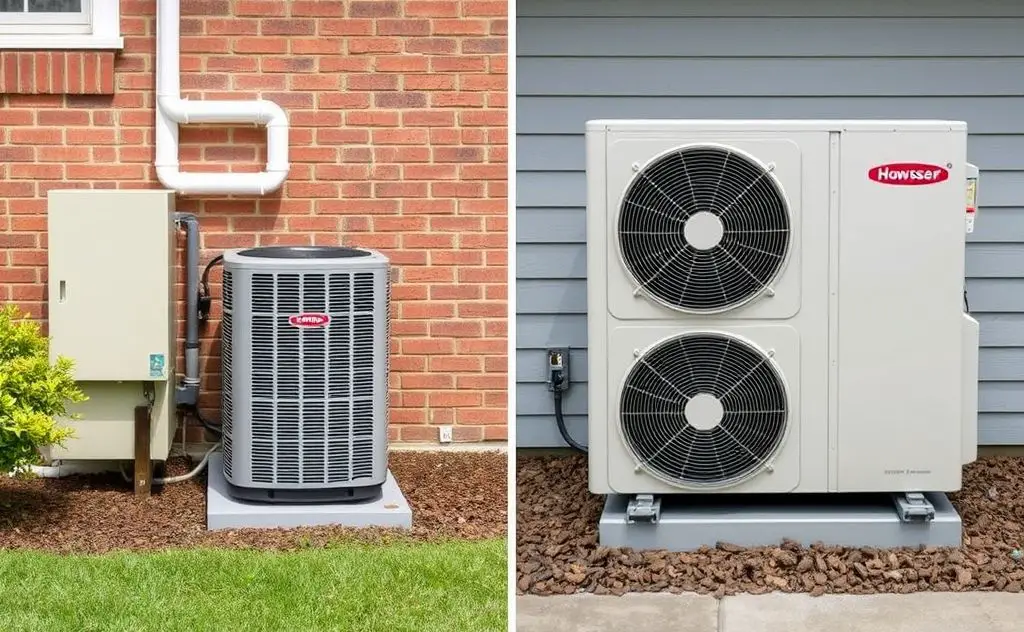
- Air-Source Heat Pumps: These are the most common type, extracting heat from or releasing heat to the outside air.
- Geothermal Heat Pumps (Ground-Source Heat Pumps): These are more efficient but also more expensive to install. They extract heat from or release heat to the ground, which has a more stable temperature than the air.
Pros of Heat Pumps:
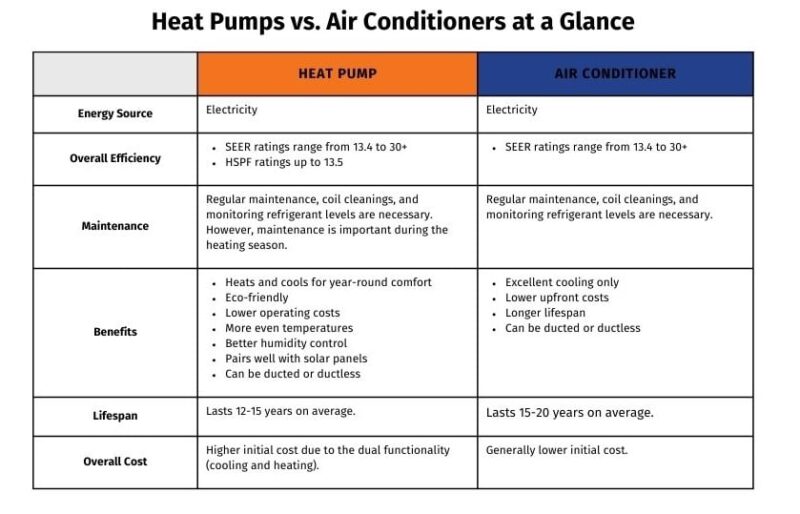
- Dual Functionality: Provides both heating and cooling, eliminating the need for separate systems in moderate climates.
- Energy Efficiency: Heat pumps are generally more energy-efficient than traditional electric resistance heating, leading to lower utility bills.
- Environmentally Friendly: Heat pumps are more environmentally friendly than systems that burn fossil fuels for heating.
Cons of Heat Pumps:
- Reduced Heating Efficiency in Extreme Cold: Air-source heat pumps can become less efficient in very cold temperatures, requiring supplemental heat (e.g., electric resistance heat).
- Higher Upfront Cost (Potentially): Heat pumps can sometimes have a higher initial purchase price compared to central AC systems.
- Complex Installation: Proper installation is crucial for optimal performance, which may require specialized expertise.
Efficiency Ratings: SEER, AFUE, and HSPF
Understanding efficiency ratings is essential when comparing central AC systems and heat pumps.
- SEER (Seasonal Energy Efficiency Ratio): Measures the cooling efficiency of an air conditioner or heat pump. A higher SEER rating indicates greater efficiency. The minimum SEER rating currently required in the United States is 14, but many newer models offer SEER ratings of 16 or higher.
- AFUE (Annual Fuel Utilization Efficiency): Measures the heating efficiency of a furnace. This rating is only relevant for comparing furnaces, not central AC systems or heat pumps used solely for cooling.
- HSPF (Heating Seasonal Performance Factor): Measures the heating efficiency of a heat pump. A higher HSPF rating indicates greater efficiency. The minimum HSPF rating currently required in the United States is 8.2.
When comparing models, look for the Energy Star label, which indicates that the product meets stringent energy efficiency guidelines set by the U.S. Environmental Protection Agency.
Cost Comparison: Purchase, Installation, and Operation
The total cost of an HVAC system includes the purchase price, installation costs, and ongoing operating costs. Here's a general overview:
- Purchase Price: Central AC systems may have a slightly lower initial cost in some regions. However, heat pumps can be more cost-effective in the long run due to their dual functionality and energy efficiency. Expect to pay anywhere from $3,000-$7,000 for a central AC system, and $4,000-$8,000+ for a heat pump, depending on size, efficiency, and brand.
- Installation Costs: Installation costs can vary depending on the complexity of the job. Replacing an existing system is generally less expensive than installing a new system in a home without existing ductwork. Expect to pay $1,500 - $5,000+ for installation, depending on the project scope.
- Operating Costs: Heat pumps typically have lower operating costs than central AC systems paired with electric resistance heating. However, operating costs will depend on your climate, energy prices, and the efficiency of the system.
It's important to get quotes from multiple contractors to compare prices and ensure you're getting a fair deal. Factor in long-term energy savings when making your decision.
Popular HVAC Brands and Models
Several reputable brands offer high-quality central AC systems and heat pumps. Here are a few examples:
- Carrier: Known for its high-efficiency models and innovative technology. Models like the Carrier Infinity series offer impressive SEER and HSPF ratings.
- Trane: Another leading brand with a wide range of options, including the Trane XV series, known for its variable-speed technology.
- Lennox: Offers a variety of energy-efficient systems, including the Lennox Signature series, which features high SEER and HSPF ratings.
- Goodman: A more budget-friendly option that still offers reliable performance.
- Mitsubishi Electric: Specializes in ductless mini-split systems, which are a type of heat pump that offers zoned heating and cooling.
When selecting a model, consider its SEER and HSPF ratings, features (e.g., variable-speed technology, smart controls), and warranty.
Warranties and Maintenance
Most central AC systems and heat pumps come with a manufacturer's warranty. Warranties typically cover parts for a specific period (e.g., 5 or 10 years). Some manufacturers also offer extended warranties that cover labor costs. Read the warranty carefully to understand what is covered and what is not.
Regular maintenance is essential for ensuring the longevity and efficiency of your HVAC system. Recommended maintenance tasks include:
- Changing Air Filters: Replace air filters every 1-3 months, depending on usage and air quality.
- Cleaning Coils: Clean the condenser and evaporator coils annually to remove dirt and debris.
- Inspecting Ductwork: Check ductwork for leaks and repair any damage.
- Professional Tune-Ups: Schedule annual professional tune-ups to inspect and service the system.
Proper maintenance can help prevent costly repairs and extend the life of your HVAC system.
Making the Right Choice
The best choice between a central air conditioning system and a heat pump depends on several factors, including:
- Climate: In mild climates, a heat pump can be an excellent choice for both heating and cooling. In extremely cold climates, a heat pump may require supplemental heat.
- Existing Heating System: If you already have an efficient furnace, a central AC system may be a more cost-effective option.
- Energy Efficiency Goals: If you're looking to maximize energy efficiency and reduce your carbon footprint, a heat pump is often the better choice.
- Budget: Consider the upfront cost, installation costs, and long-term operating costs when making your decision.
Consult with a qualified HVAC contractor to assess your needs and recommend the best system for your home. A contractor can perform a load calculation to determine the appropriate size of the system and ensure proper installation.
Ultimately, choosing between central air conditioning and a heat pump is a personal decision that should be based on your specific needs and circumstances. By understanding the pros and cons of each system, you can make an informed choice and enjoy a comfortable and energy-efficient home.
"Investing in a high-efficiency HVAC system is an investment in your home's comfort and your wallet."