Central Air Unit Fan Not Working

A central air conditioning system is a complex machine, and when one component fails, it can disrupt the entire cooling process. One common issue homeowners, technicians, and facility managers face is a central air unit fan that refuses to spin. This can lead to a warm house, frozen evaporator coils, and potentially serious damage to the compressor. Understanding the reasons behind a non-operational fan, knowing how to troubleshoot the problem, and being aware of repair options are crucial for maintaining a comfortable and efficient indoor environment.
Understanding the Central Air Unit Fan
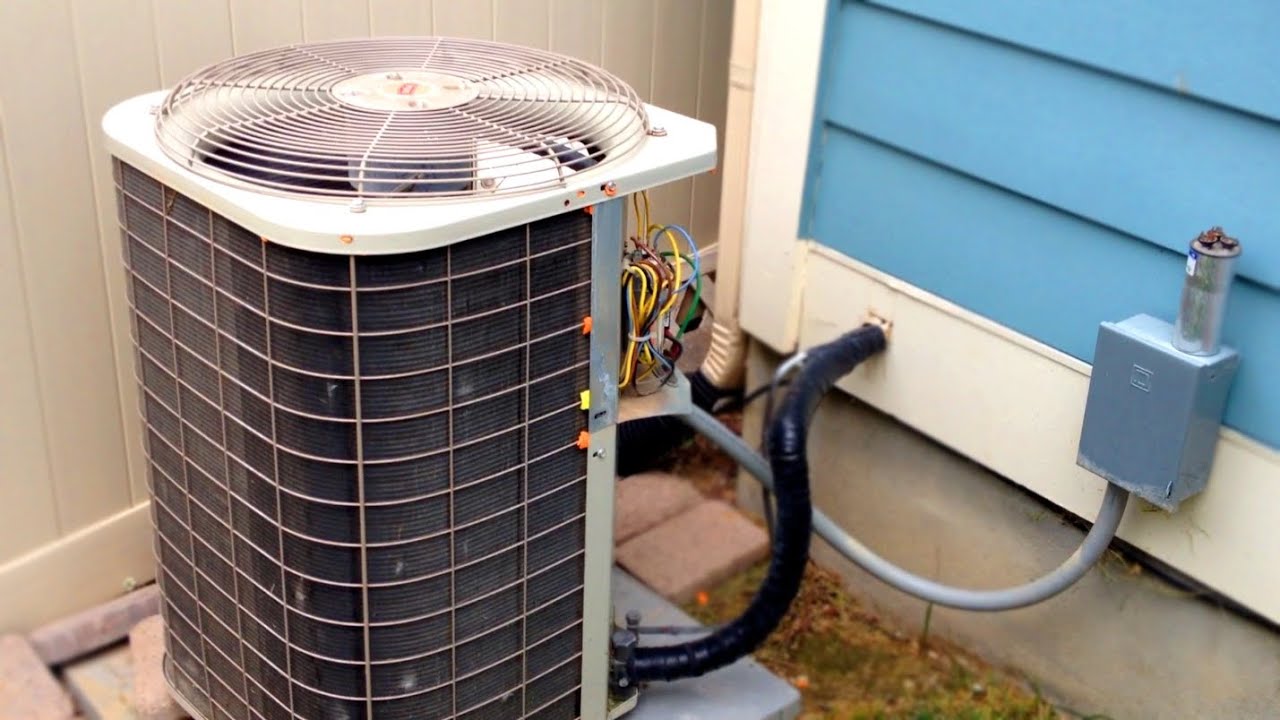
The outdoor unit of a central air conditioner houses the condenser coil and the condenser fan. The condenser fan plays a vital role in the heat exchange process. Its primary function is to draw air across the condenser coil, dissipating the heat extracted from inside the building. Without a properly functioning fan, the refrigerant cannot effectively release heat, leading to a rise in refrigerant pressure and temperature. This increased pressure can overwork the compressor, potentially causing it to overheat and fail – a costly repair. Think of it like a car radiator fan; if that fails, your engine overheats quickly.
There are two main types of condenser fan motors: PSC (Permanent Split Capacitor) motors and ECM (Electronically Commutated Motor). PSC motors are older, less expensive, and less energy-efficient. ECM motors, on the other hand, are more efficient and provide variable speed operation, allowing for more precise temperature control and quieter operation. Many modern systems use ECM motors to comply with higher energy efficiency standards.
Common Causes of a Central Air Unit Fan Not Working
Several factors can contribute to a central air unit fan malfunctioning. Here are some of the most common culprits:
Power Issues
Before diving into more complex troubleshooting, always check the basics. Ensure the unit is receiving power. This includes verifying that the circuit breaker for the outdoor unit hasn't tripped. Reset the breaker and see if the fan starts. If the breaker trips immediately again, there's likely a short circuit in the system that needs professional attention. Also, check the disconnect switch, which is typically located near the outdoor unit. Make sure it is in the "on" position.
Capacitor Failure
The capacitor provides the initial jolt of electricity needed to start the fan motor. Over time, capacitors can weaken or fail completely. A faulty capacitor is one of the most common reasons for a non-operational fan. A bulging or leaking capacitor is a clear sign of failure. You can test the capacitor with a multimeter set to capacitance mode. The reading should be within the specified range printed on the capacitor. Replacement capacitors are relatively inexpensive (typically $20-$50), but working with electrical components requires caution. If you're not comfortable working with electricity, it's best to call a qualified technician.
Fan Motor Problems
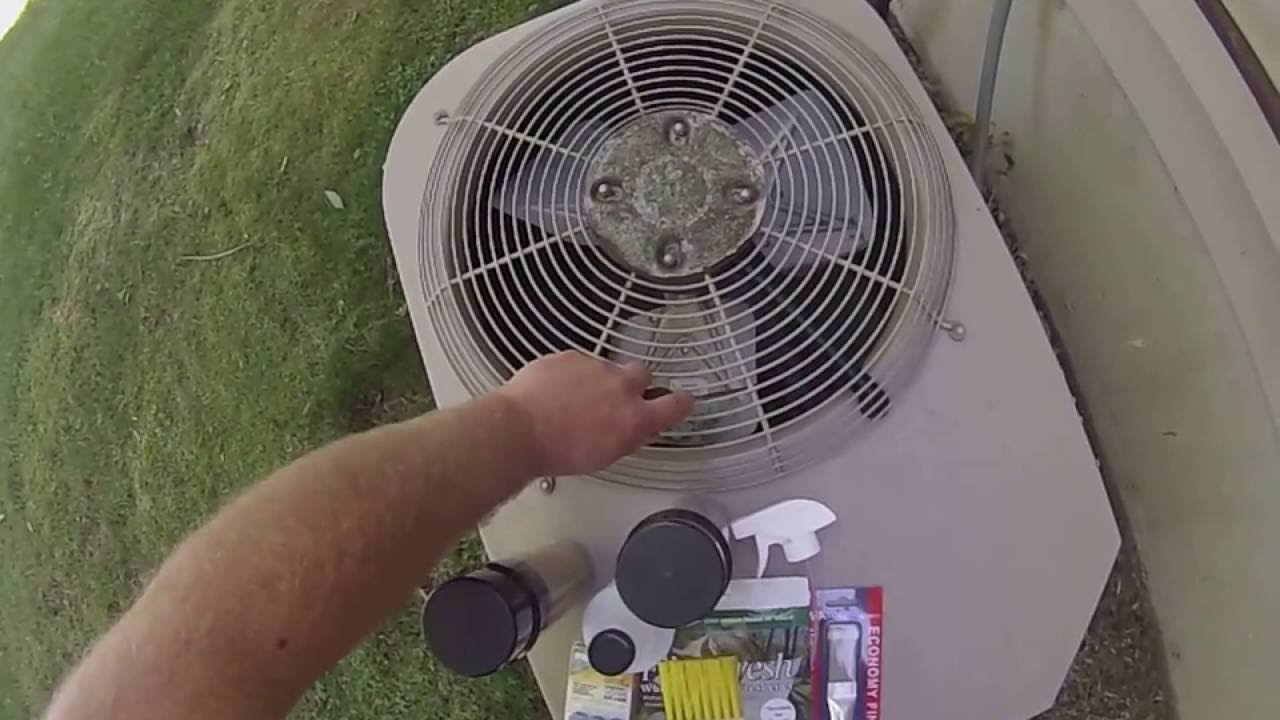
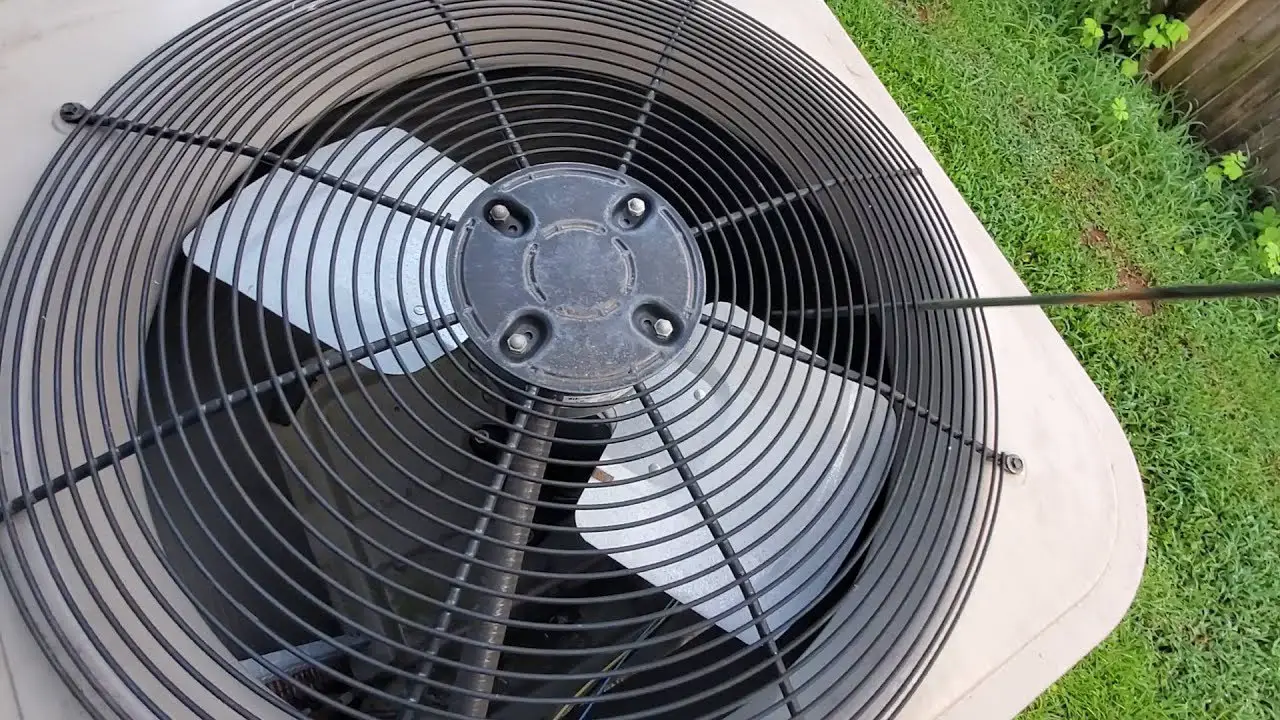
The fan motor itself can fail due to age, wear and tear, or overheating. If the capacitor is good, the motor is likely the issue. Listen for any unusual noises coming from the motor, such as grinding or squealing. Use a stick to try and gently spin the fan blades. If they spin freely, the motor might be getting power but is unable to start. If the blades are difficult to turn, the motor bearings may be seized. Replacing the fan motor is a more involved repair and can cost anywhere from $200 to $800, depending on the type of motor and the complexity of the system. ECM motors are generally more expensive to replace than PSC motors.
Contactor Problems
The contactor is an electrical relay that controls the power supply to the fan motor and compressor. If the contactor is faulty, it may not be sending power to the fan motor. You can check the contactor with a multimeter to see if it's receiving power from the thermostat and if it's sending power to the fan motor and compressor. Be very careful when working with contactors as they carry high voltage. A qualified technician should perform this test.
Debris Obstruction
Leaves, branches, and other debris can accumulate around the fan blades, preventing them from spinning. Inspect the area around the outdoor unit and remove any obstructions. A clogged condenser coil can also restrict airflow, causing the fan motor to overheat. Regularly cleaning the condenser coil with a fin comb or a gentle stream of water from a garden hose can prevent this problem. Always turn off the power to the unit before cleaning it.
Wiring Issues
Loose or corroded wiring connections can also cause the fan to stop working. Inspect the wiring connections to the fan motor, capacitor, and contactor. Tighten any loose connections and clean any corroded terminals. If you find damaged wiring, replace it with the correct gauge wire.
Frozen Evaporator Coil
Although indirectly, a frozen evaporator coil can lead to the condenser fan appearing to not work. A frozen coil restricts airflow, increasing refrigerant pressure, which *can* cause the system to shut down entirely as a safety measure. While the *fan* itself might not be the direct cause, addressing the frozen coil is crucial. Common causes include low refrigerant, dirty air filter, or a malfunctioning blower motor in the indoor unit.
Troubleshooting Steps
Here's a step-by-step approach to troubleshooting a non-working central air unit fan:
- Safety First: Turn off the power to the unit at the circuit breaker and the disconnect switch.
- Visual Inspection: Check for any obvious signs of damage, such as a bulging capacitor, frayed wires, or debris obstructing the fan blades.
- Debris Removal: Clear any debris from around the fan blades and condenser coil.
- Capacitor Test: Use a multimeter to test the capacitor's capacitance. Replace it if it's out of spec.
- Fan Motor Test: Try to manually spin the fan blades. If they are difficult to turn, the motor bearings may be seized.
- Wiring Inspection: Check for loose or corroded wiring connections.
- Contactor Check: If you're comfortable working with electricity, check the contactor with a multimeter. Otherwise, call a qualified technician.
- Power Verification: With the power back on (and taking necessary safety precautions), use a multimeter to verify voltage is reaching the fan motor.
Repair Options and Costs
The cost of repairing a non-working central air unit fan can vary depending on the cause of the problem. Here's a general breakdown of repair costs:
- Capacitor Replacement: $50 - $150 (including labor)
- Fan Motor Replacement: $200 - $800 (including labor)
- Contactor Replacement: $150 - $300 (including labor)
- Wiring Repair: $100 - $200 (including labor)
- Frozen Evaporator Coil (Diagnosis and Repair - leak, etc.): $150 - $1000+ (including labor)
It's always a good idea to get quotes from multiple HVAC contractors before proceeding with any repairs. Ask for a detailed breakdown of the costs, including the cost of parts and labor. Be wary of contractors who offer extremely low prices, as they may be cutting corners or using substandard parts.
Preventative Maintenance
Regular preventative maintenance can help prevent fan motor failures and other common air conditioning problems. Here are some tips for maintaining your central air unit:
- Clean the Condenser Coil: Clean the condenser coil at least once a year, preferably in the spring before cooling season begins.
- Change the Air Filter: Change the air filter in your indoor unit every 1-3 months, depending on the type of filter and the air quality in your home.
- Inspect the Fan Blades: Inspect the fan blades for any damage or debris.
- Lubricate the Fan Motor: Some fan motors have lubrication ports. If yours does, lubricate the motor according to the manufacturer's instructions. (Many modern motors are sealed and do not require lubrication.)
- Schedule Professional Maintenance: Schedule a professional HVAC tune-up at least once a year. A qualified technician can inspect your system for potential problems and perform necessary maintenance tasks.
Conclusion
A central air unit fan that isn't working can quickly turn into a major problem. By understanding the common causes, knowing how to troubleshoot the issue, and being aware of repair options, homeowners, HVAC technicians, and facility managers can effectively address this problem and ensure a comfortable and efficient cooling system. Remember to prioritize safety when working with electrical components and don't hesitate to call a qualified technician if you're not comfortable performing the repairs yourself. Regular maintenance is key to preventing problems and extending the lifespan of your central air conditioning system. Investing in regular professional servicing from companies offering HVAC maintenance plans can save money in the long run by catching problems before they become expensive failures.