Central Heat And Air Conditioning Units
Central Heat and Air Conditioning Units: A Comprehensive Guide
Choosing a new central heat and air conditioning system is a significant investment. This guide provides a detailed overview of central HVAC units, covering essential features, efficiency ratings, popular brands, costs, and maintenance requirements to help you make an informed decision.
Understanding Central HVAC Systems
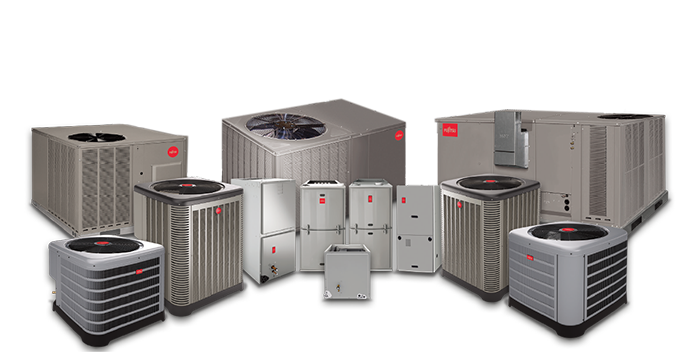
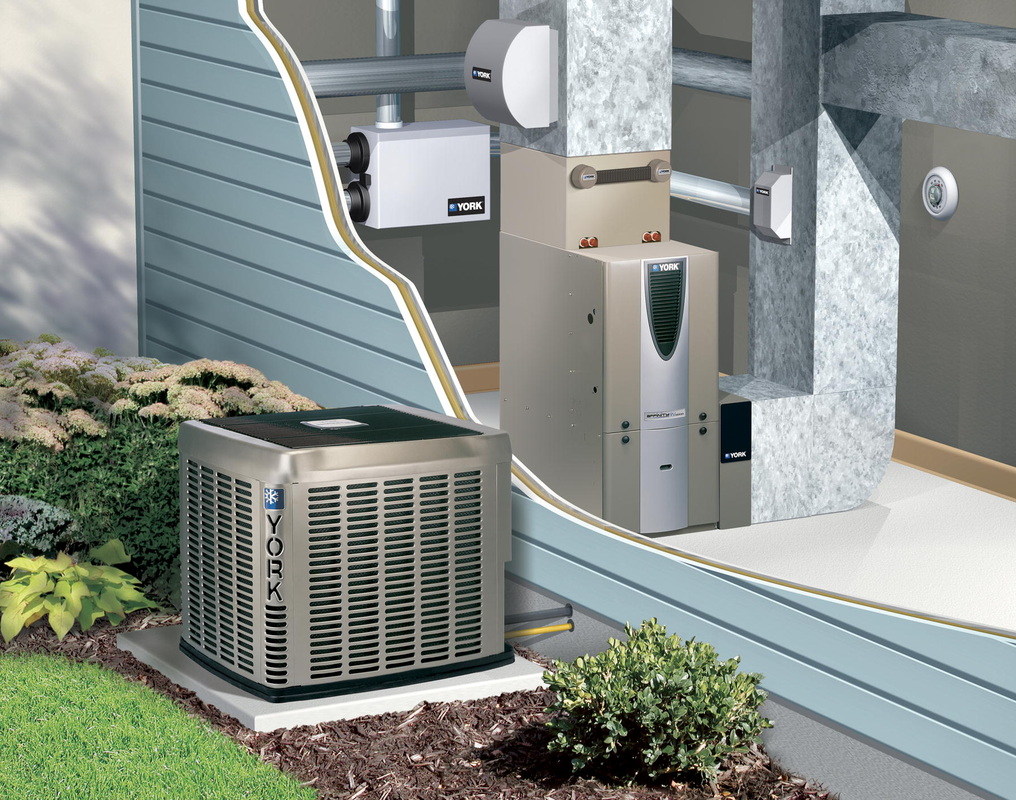
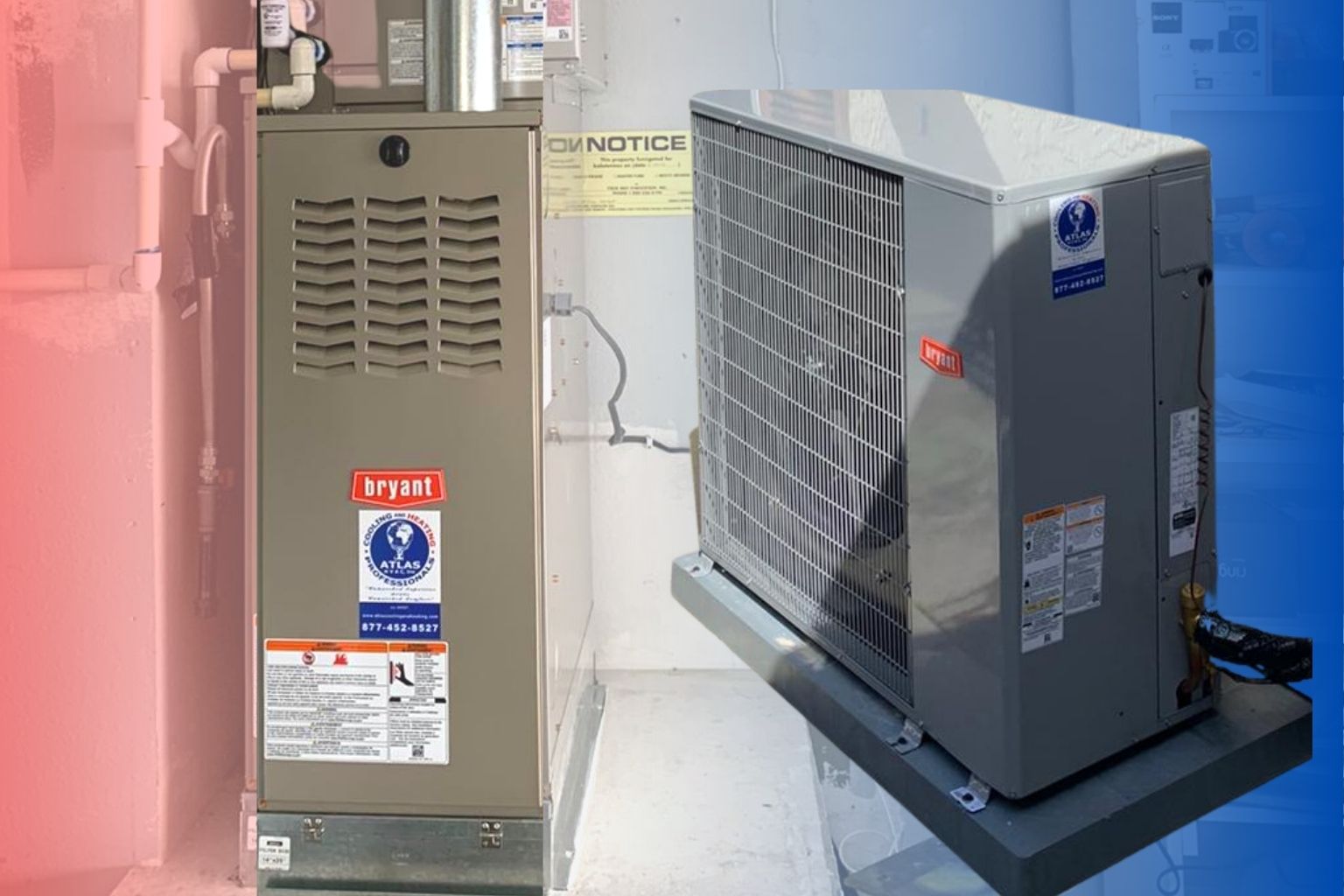
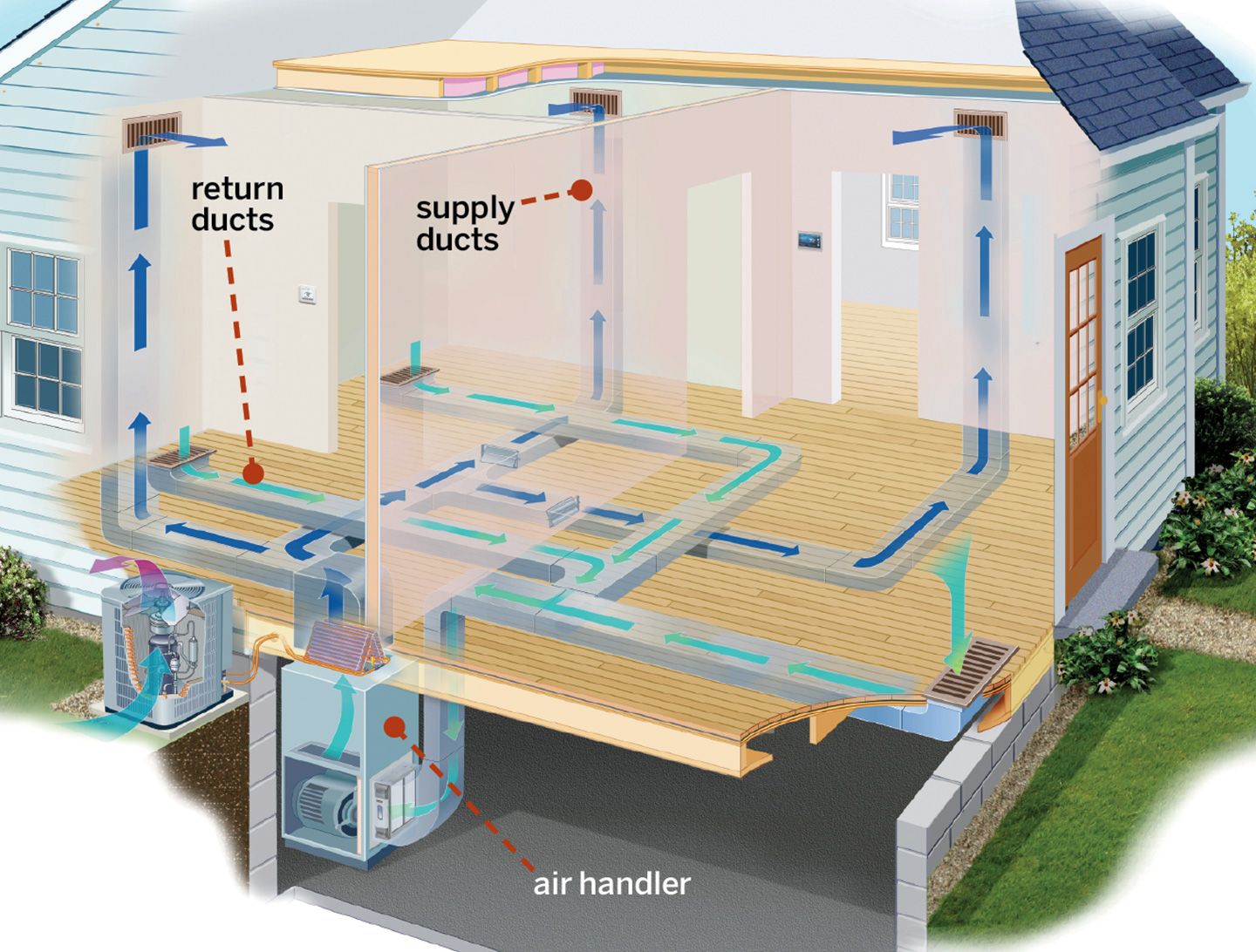
A central HVAC (Heating, Ventilation, and Air Conditioning) system offers whole-house climate control from a single, centralized unit. It typically comprises an outdoor unit (air conditioner or heat pump) and an indoor unit (furnace or air handler) connected by refrigerant lines and ductwork.
Components of a Central HVAC System
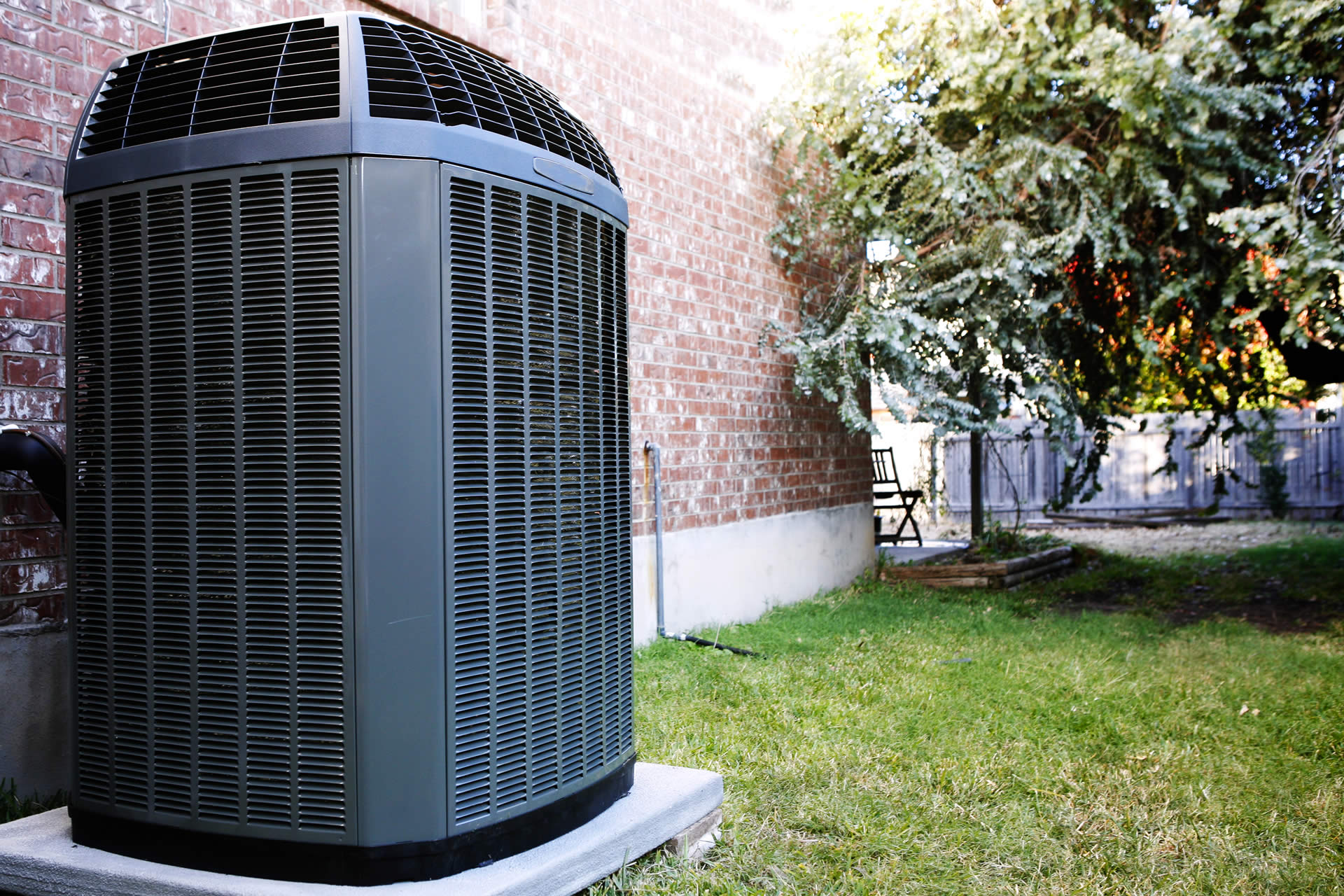
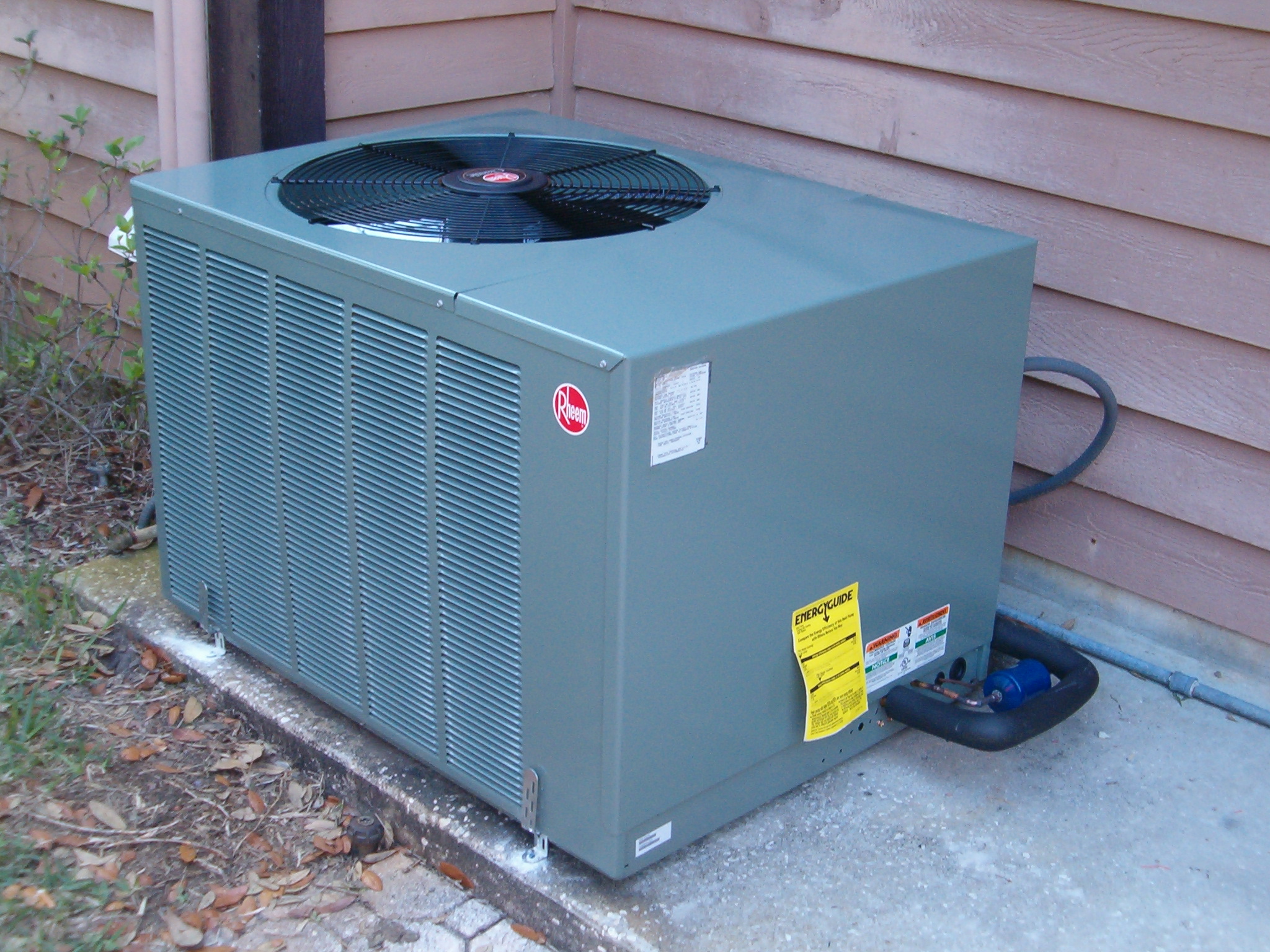
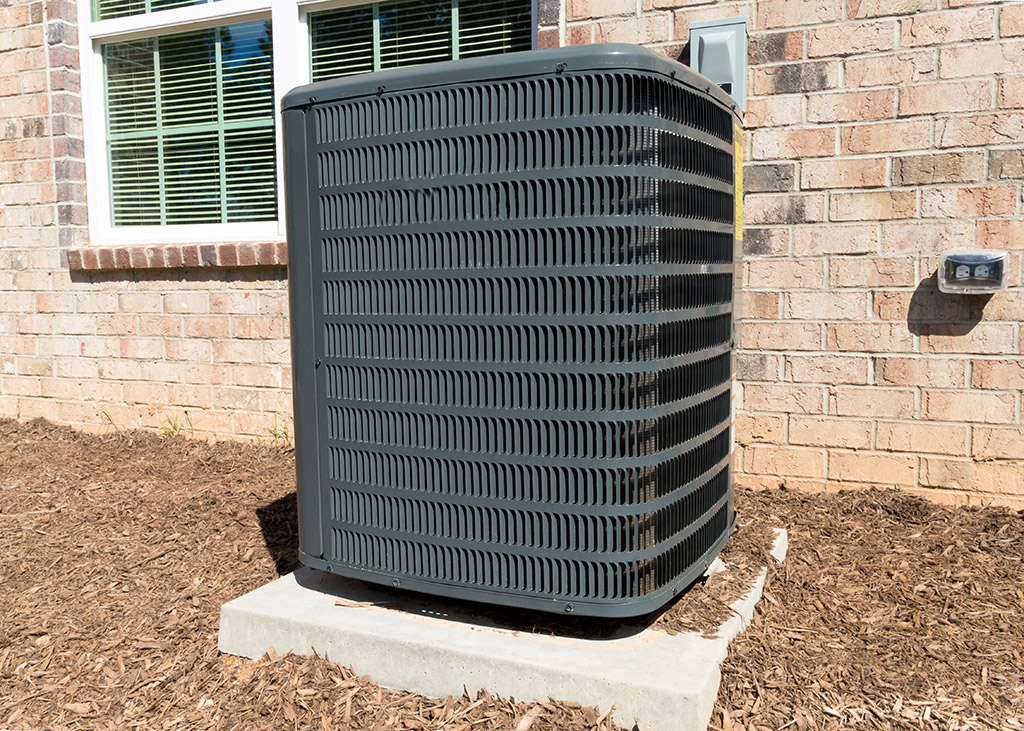
- Outdoor Unit: This houses the compressor and condenser coil for air conditioning or performs the heat exchange for heat pumps.
- Indoor Unit: This contains the evaporator coil for air conditioning and the furnace (for gas, oil, or electric heating) or the air handler (for heat pumps or electric resistance heating).
- Ductwork: A network of channels distributing conditioned air throughout the house.
- Thermostat: Controls the system, allowing you to set desired temperatures and schedules.
Key Features and Considerations
When selecting a central HVAC system, consider these crucial features:
Efficiency Ratings: AFUE, SEER, and HSPF
Efficiency ratings are vital for understanding a unit's energy consumption and long-term operating costs. The main ratings to consider are:
- AFUE (Annual Fuel Utilization Efficiency): Applies to furnaces and measures the percentage of fuel converted into usable heat. A higher AFUE indicates greater efficiency. Modern furnaces often have AFUE ratings ranging from 80% to over 98%.
- SEER (Seasonal Energy Efficiency Ratio): Measures the cooling efficiency of air conditioners and heat pumps. A higher SEER rating means more efficient cooling. The minimum SEER requirement in the US is 14 for most regions. High-efficiency units can reach SEER ratings of 20 or higher.
- HSPF (Heating Seasonal Performance Factor): Applies to heat pumps and measures their heating efficiency. A higher HSPF indicates better heating performance. Current HSPF ratings typically range from 8 to 12.
Types of Central HVAC Systems
Several types of central HVAC systems cater to different needs and energy sources:
- Split Systems: The most common type, with an outdoor unit and a separate indoor unit.
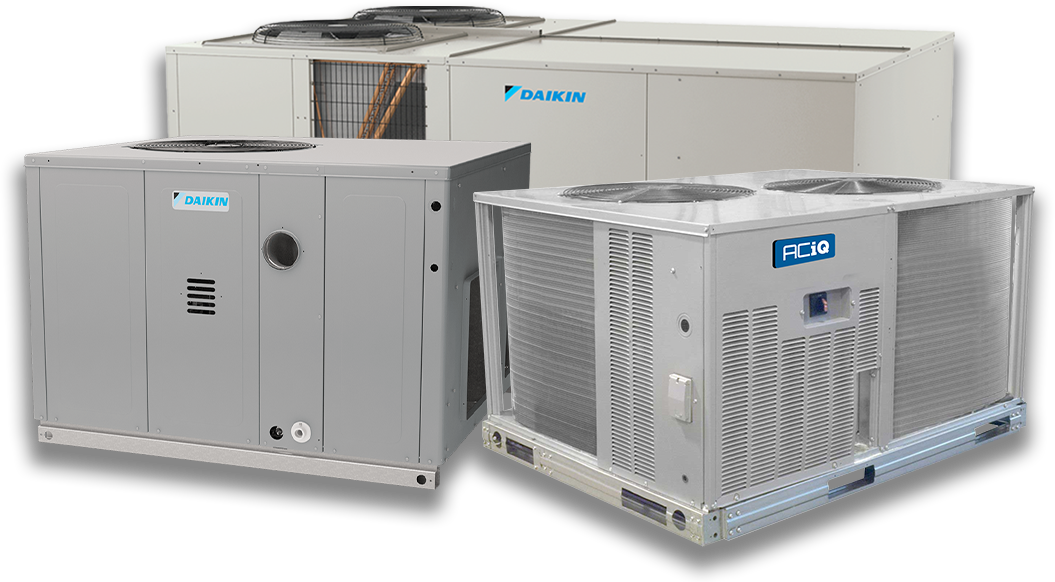
- Packaged Systems: All components are housed in a single outdoor unit, often used in warmer climates or commercial applications.
- Heat Pumps: Can provide both heating and cooling by transferring heat between indoors and outdoors. Excellent for moderate climates.
- Gas Furnaces: Use natural gas or propane to generate heat. Offer efficient heating in colder climates.
- Oil Furnaces: Use heating oil to generate heat. Less common than gas furnaces due to higher fuel costs and environmental concerns.
- Electric Furnaces: Use electric resistance coils to generate heat. Often less efficient than gas or heat pump systems.
Zoning Systems
Zoning allows you to control the temperature in different areas of your home independently. This can improve comfort and reduce energy waste by only heating or cooling occupied zones.
Smart Thermostats
Smart thermostats offer advanced features like remote control, learning capabilities, and energy monitoring. They can help optimize energy consumption and improve comfort.
Popular HVAC Brands and Models
Many reputable HVAC brands offer a range of systems to suit different budgets and needs. Here are a few popular brands:
- Carrier: Known for its high-efficiency and innovative technology. The Carrier Infinity series is a top-of-the-line option.
- Trane: Offers durable and reliable systems. The Trane XV series is known for its quiet operation and efficiency.
- Lennox: Focuses on energy efficiency and advanced features. The Lennox SL280V furnace is highly regarded for its efficiency.
- Goodman: A more budget-friendly option offering good value for the price.
- Rheem: Provides a wide range of options and a strong warranty program.
When choosing a specific model, consider your climate, home size, and budget. Consult with an HVAC professional to determine the appropriate size and type of system for your needs.
Pros and Cons of Central HVAC Systems
Pros:
- Whole-House Comfort: Provides consistent temperature throughout the entire home.
- Improved Air Quality: Central systems often include air filtration capabilities, improving indoor air quality.
- Convenience: Controlled by a single thermostat.
- Increased Home Value: A modern, efficient HVAC system can increase your home's value.
Cons:
- Higher Upfront Cost: Can be more expensive than window units or portable heaters.
- Ductwork Required: Homes without existing ductwork will require installation, adding to the cost.
- Potential for Energy Waste: If not properly sized or maintained, can lead to energy waste.
- Professional Installation Required: Installation should be done by a qualified HVAC technician.
Cost Considerations
The cost of a central HVAC system varies depending on several factors, including:
- System Size (BTU/Ton): Larger homes require larger, more expensive units.
- Efficiency Rating (SEER/AFUE/HSPF): Higher efficiency units typically cost more upfront but offer long-term energy savings.
- Brand and Model: Premium brands and advanced features can increase the cost.
- Installation Costs: Labor costs vary depending on location and complexity of the installation.
- Ductwork: New or replacement ductwork can significantly add to the overall cost.
Expect to pay anywhere from $5,000 to $15,000 or more for a complete central HVAC system installation, including equipment and labor. Get quotes from multiple contractors to compare prices and services.
Warranties and Maintenance
Warranties
Most HVAC manufacturers offer warranties on their equipment. Standard warranties typically cover parts for 5 to 10 years. Some manufacturers offer extended warranties that cover labor costs as well. Register your system promptly after installation to ensure warranty coverage.
Maintenance
Regular maintenance is crucial for ensuring the longevity and efficiency of your HVAC system. Recommended maintenance tasks include:
- Filter Replacement: Replace air filters every 1-3 months.
- Coil Cleaning: Clean the outdoor condenser coil and indoor evaporator coil annually.
- Ductwork Inspection: Inspect ductwork for leaks and damage.
- Professional Tune-Up: Schedule an annual professional tune-up to inspect and service the system.
Proper maintenance can prevent costly repairs and extend the life of your HVAC system.
Installation Considerations
Proper installation is critical for the performance and longevity of your HVAC system. Here are some key considerations:
- Sizing: The system must be properly sized for your home's square footage, insulation, and climate. An undersized system will struggle to heat or cool effectively, while an oversized system can lead to short cycling and energy waste.
- Ductwork: Ensure the ductwork is properly sealed and insulated to prevent air leaks and energy loss.
- Refrigerant Charge: The refrigerant charge must be properly adjusted for optimal performance.
- Airflow: Ensure proper airflow throughout the system.
Choose a reputable HVAC contractor with the experience and expertise to install your system correctly.
Conclusion
Choosing the right central heat and air conditioning system is a crucial decision that impacts your comfort and energy bills. By understanding the different types of systems, efficiency ratings, features, and costs, you can make an informed decision that meets your specific needs. Remember to prioritize proper installation and regular maintenance to ensure the longevity and efficiency of your investment.

:max_bytes(150000):strip_icc()/central-air-58e994303df78c51625541a8.jpg)
:max_bytes(150000):strip_icc()/what-are-central-air-conditioners-1152645_V2-390c6f1f6ca14b4ebc59426f226a78a8.png)