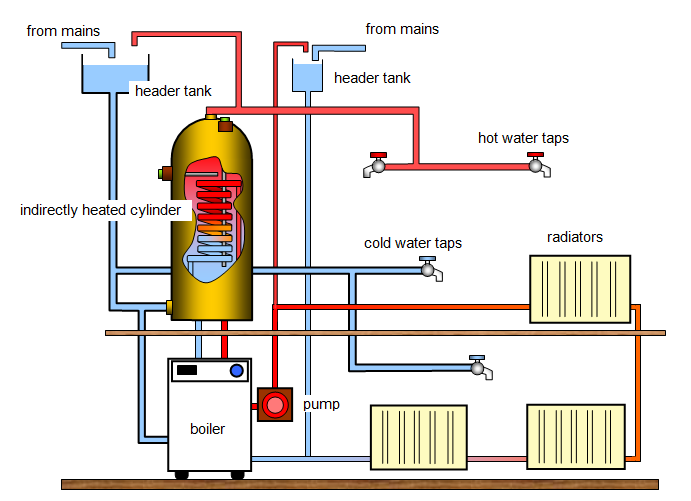
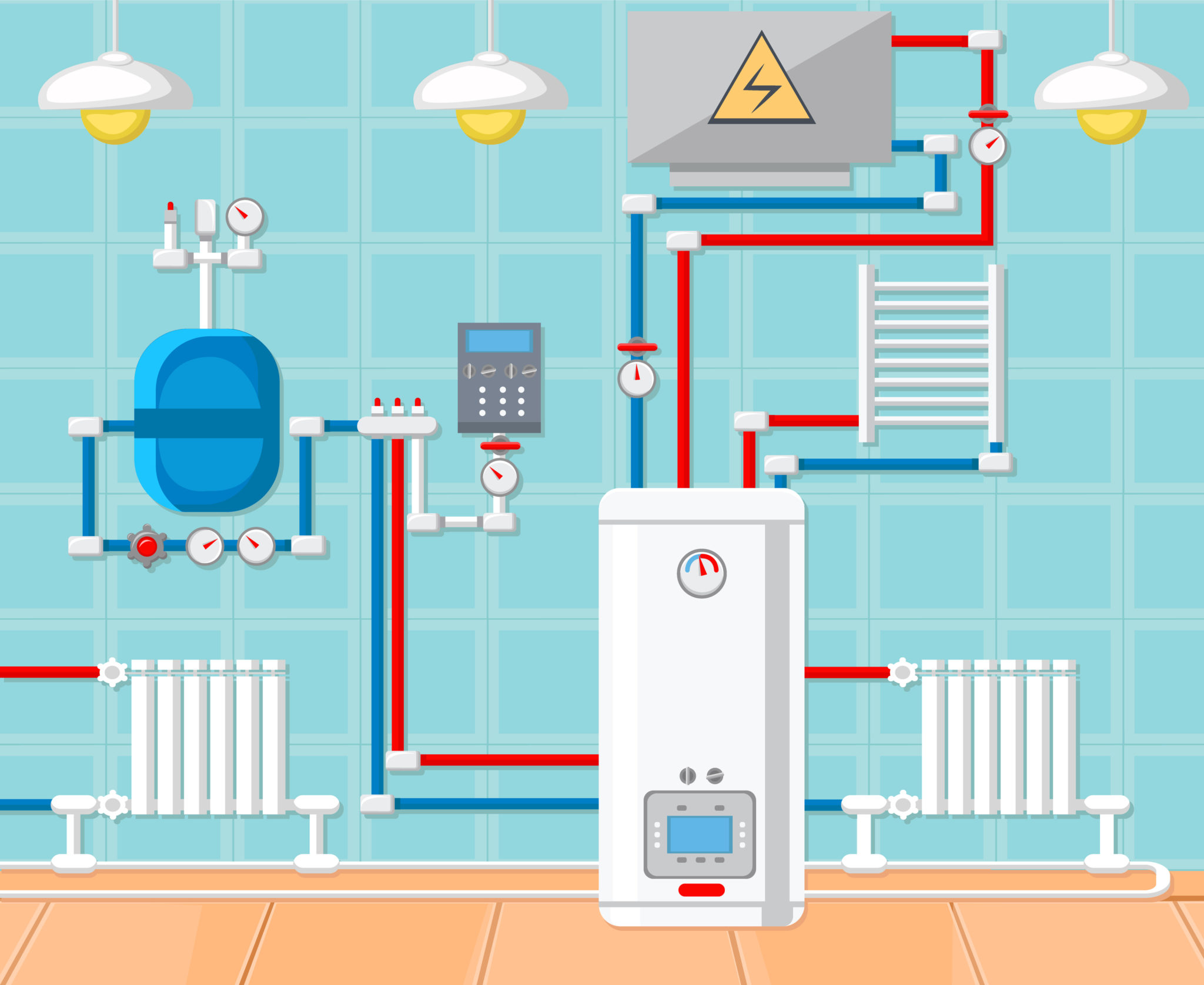
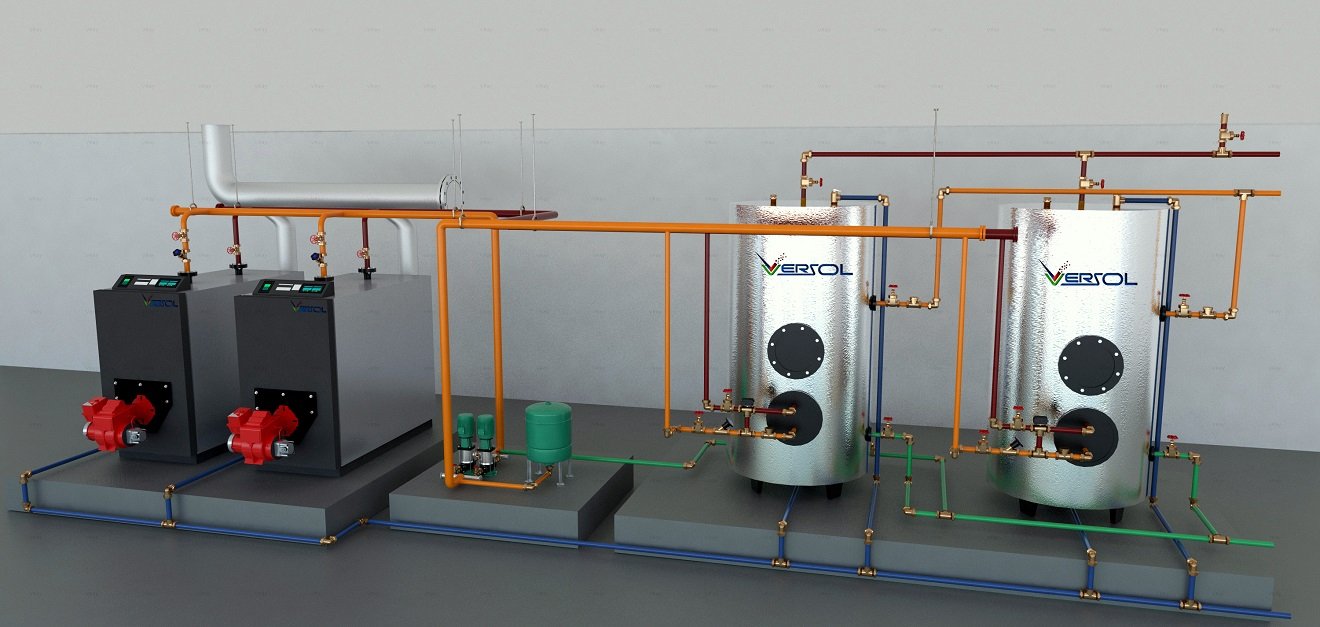
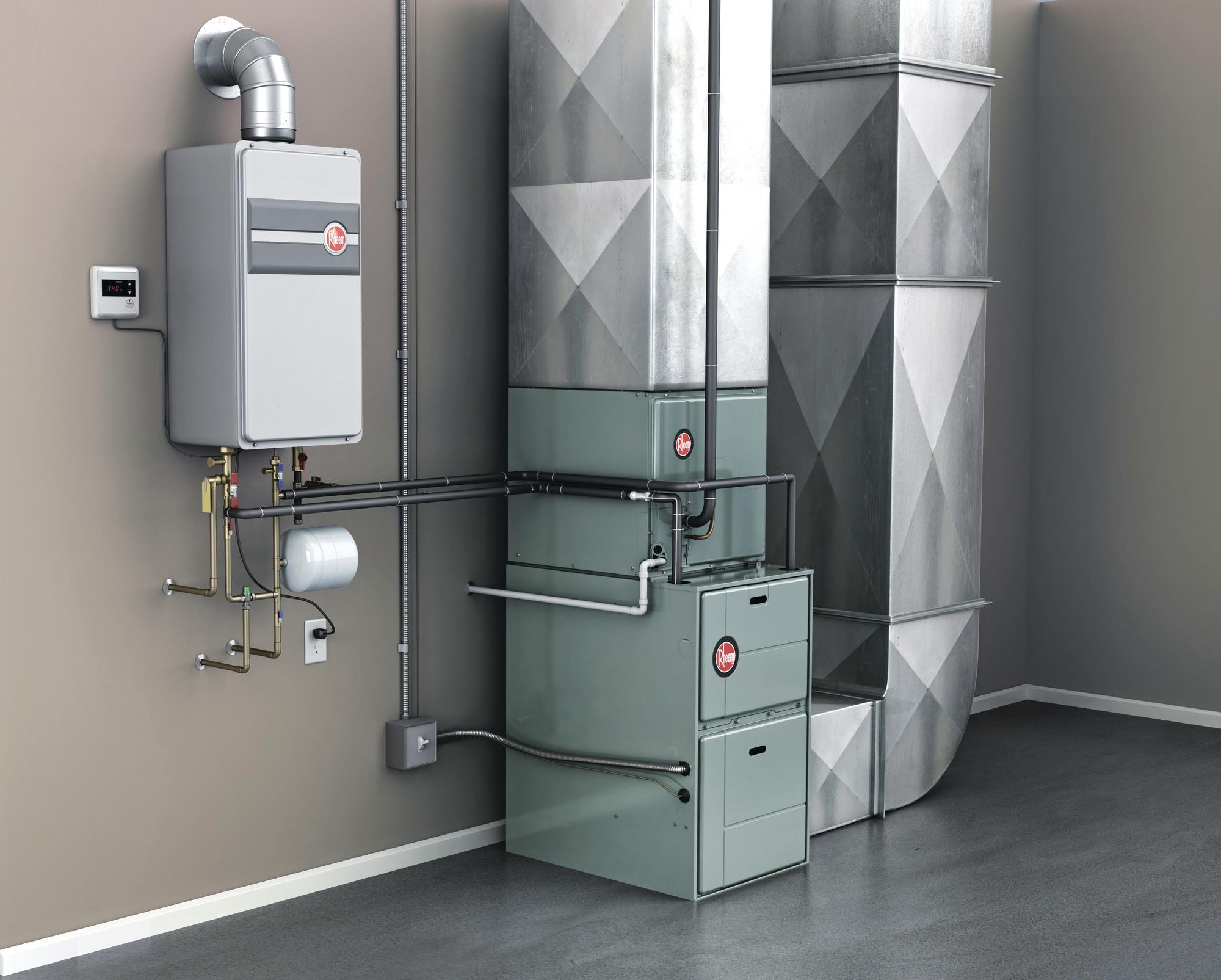
Central Heating And Hot Water Systems

One of the most frustrating problems homeowners face is a central heating system that's only delivering lukewarm water, or worse, no hot water at all, while the heating struggles to get your home to a comfortable temperature. Before you panic and call a plumber, let's walk through some troubleshooting steps you can take.
Diagnosis: Is It Just the Hot Water, or the Heating Too?
First, we need to determine the scope of the problem. Is it just the hot water that's affected, or is your central heating also underperforming? This will help narrow down the possible causes.
- Hot Water Only Issues: If your radiators are getting hot, but the taps are only producing lukewarm or cold water, the issue is likely focused on the domestic hot water (DHW) side of your system.
- Heating and Hot Water Issues: If both your heating and hot water are affected, the problem is likely more fundamental, possibly related to the boiler itself or the overall system pressure.
Step 1: Check the Boiler Pressure
Low boiler pressure is a common culprit for both heating and hot water problems. Most modern boilers have a pressure gauge, usually a dial with a green zone (typically between 1 and 1.5 bar). If the pressure is below this green zone, your boiler may struggle to operate correctly.
How to Check Boiler Pressure:
- Locate the pressure gauge on your boiler. It's usually on the front panel.
- Observe the reading. Is it within the green zone? If not, it's likely too low.
How to Repressurize Your Boiler:
Important: Always consult your boiler's manual before attempting to repressurize it. These are general guidelines.
- Locate the Filling Loop: This is usually a flexible braided hose with a valve at each end, often located underneath or near the boiler.
- Open Both Valves Slowly: Turn both valves on the filling loop slowly to allow cold water to enter the system. Watch the pressure gauge as you do this.
- Monitor the Pressure: Keep an eye on the gauge and stop when the pressure reaches the green zone (1 to 1.5 bar).
- Close the Valves: Once the pressure is correct, close both valves on the filling loop tightly.
- Check for Leaks: Inspect the filling loop and the areas around the valves for any signs of leaks. If you find a leak, tighten the connections or call a professional.
- Reset the Boiler: Some boilers require a manual reset after repressurizing. Consult your boiler's manual for instructions.
After repressurizing, give your boiler a few minutes to circulate the water. Then, test your hot water and heating to see if the problem is resolved.
Step 2: Check the Thermostat
A faulty or incorrectly set thermostat can prevent your heating and hot water from working correctly. Ensure your thermostat is set to the correct temperature and that it's calling for heat.
How to Check Your Thermostat:
- Check the Batteries: If your thermostat is battery-powered, make sure the batteries are fresh. Low batteries can cause erratic behavior.
- Set the Temperature: Increase the thermostat temperature a few degrees above the current room temperature. You should hear a click from the thermostat as it calls for heat.
- Listen for the Boiler: After a few minutes, listen for the boiler to fire up. If you don't hear anything, there may be a problem with the thermostat or the wiring connecting it to the boiler.
- Check the Timer: If your thermostat has a timer function, make sure it's set correctly. An incorrect timer setting could be preventing the heating and hot water from coming on at the desired times.
If you suspect your thermostat is faulty, you can try replacing it with a new one. This is a relatively straightforward DIY task, but make sure to turn off the power to the thermostat before disconnecting any wires. If you're uncomfortable working with electrical wiring, call a qualified electrician.
Step 3: Check for Trapped Air in Radiators
If your radiators are only partially heating up, or if they're making gurgling noises, they may have trapped air inside. This air can prevent hot water from circulating properly, reducing the efficiency of your heating system.
How to Bleed Your Radiators:
- Gather Your Supplies: You'll need a radiator key (a small metal key specifically designed for bleeding radiators), a small container to catch water, and a cloth to wipe up any spills.
- Turn Off the Heating: It's important to turn off your heating system and allow the radiators to cool down before bleeding them. This will prevent hot water from spraying out.
- Locate the Bleed Valve: The bleed valve is a small valve located at the top of the radiator, usually on one side.
- Insert the Radiator Key: Insert the radiator key into the bleed valve and turn it slowly counterclockwise.
- Listen for Hissing: You should hear a hissing sound as air escapes from the radiator. Hold the container underneath the valve to catch any water that comes out.
- Close the Valve: Once water starts to come out steadily, without any air bubbles, close the bleed valve by turning the key clockwise. Don't overtighten it.
- Repeat for All Radiators: Repeat this process for all the radiators in your home, starting with the ones closest to the boiler and working your way to the ones furthest away.
- Check the Boiler Pressure: After bleeding all the radiators, check the boiler pressure again. It may have dropped slightly. If necessary, repressurize the boiler as described in Step 1.
Bleeding your radiators regularly can help improve the efficiency of your heating system and ensure that all your radiators are heating up evenly.
Step 4: Check the Diverter Valve (Combi Boilers)
If you have a combi boiler (a combination boiler that provides both heating and hot water on demand), the diverter valve could be the source of the problem. This valve switches between sending hot water to the radiators and sending it to the taps. If it's stuck or malfunctioning, it may not be directing hot water to the correct place.
How to Check (and Possibly Free) the Diverter Valve:
Important: This step involves working with the boiler directly. If you are not comfortable doing this, call a qualified heating engineer.
- Turn Off the Boiler: Switch off the boiler at the mains power supply.
- Locate the Diverter Valve: The diverter valve is usually located inside the boiler casing. Consult your boiler's manual for its exact location.
- Tap the Valve Gently: Sometimes, the diverter valve can become stuck due to limescale buildup. Gently tapping the valve with a rubber mallet or the handle of a screwdriver may help to free it.
- Check the Valve's Operation (If Possible): Some diverter valves have a manual override or test function. Consult your boiler's manual for instructions on how to use this function.
- Turn the Boiler Back On: After tapping the valve, turn the boiler back on and test your hot water and heating.
If tapping the diverter valve doesn't resolve the problem, it may need to be replaced. This is a job for a qualified heating engineer.
When to Call a Professional
While these DIY troubleshooting steps can resolve many common heating and hot water problems, there are situations where you should always call a qualified heating engineer.
- Gas Leaks: If you smell gas near your boiler or anywhere in your home, immediately turn off the gas supply at the meter, open all windows and doors, and call your gas supplier or a qualified gas engineer. Do not use any electrical appliances or light any flames.
- Complex Boiler Problems: If your boiler is displaying error codes that you don't understand, or if you suspect a problem with the boiler's internal components, such as the pump, fan, or heat exchanger, call a professional.
- Diverter Valve Replacement: Replacing a diverter valve is a complex job that requires specialized knowledge and tools.
- Unsure of the Problem: If you've tried the troubleshooting steps above and you're still unsure of the cause of the problem, it's best to err on the side of caution and call a professional.
- Working on Gas Appliances: Never attempt to repair or modify any gas appliance yourself unless you are a qualified gas engineer. Working on gas appliances without the proper training and certification can be extremely dangerous.
Remember: Your safety is paramount. If you're ever in doubt, call a qualified heating engineer to diagnose and repair the problem.
Preventative Maintenance
The best way to avoid heating and hot water problems is to perform regular preventative maintenance on your system. This includes:
- Annual Boiler Service: Have your boiler serviced annually by a qualified gas engineer. This will help to ensure that it's operating safely and efficiently.
- Regularly Bleed Radiators: Bleed your radiators at least once a year, or more often if you notice any signs of trapped air.
- Check Boiler Pressure: Check your boiler pressure regularly and repressurize it if necessary.
- Keep Vents Clear: Ensure that all vents around your boiler and radiators are clear of obstructions.
- Consider a Power Flush: If your heating system is old or if you've noticed a buildup of sludge in your radiators, consider having a power flush performed. This will help to remove debris from the system and improve its efficiency.
By following these preventative maintenance tips, you can help to keep your central heating and hot water system running smoothly for years to come.