
Centrifugal Compressors Achieve Capacity Control By
In the dynamic world of Heating, Ventilation, and Air Conditioning (HVAC), understanding the intricacies of system components is crucial for success. One such critical component is the centrifugal compressor, a workhorse in large-scale cooling applications. A fundamental aspect of centrifugal compressor operation is its ability to modulate its cooling capacity to match the varying demands of a building or process. Let's delve into the various methods by which centrifugal compressors achieve capacity control.
Understanding Centrifugal Compressors
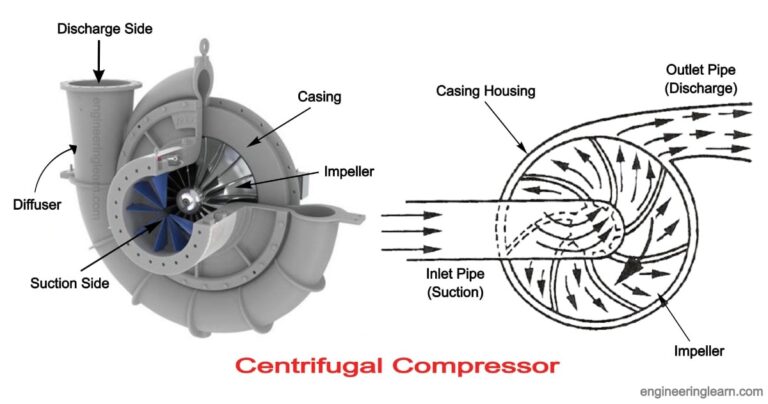
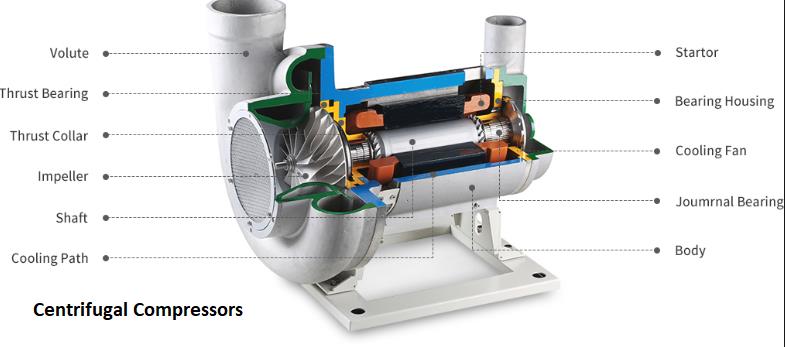
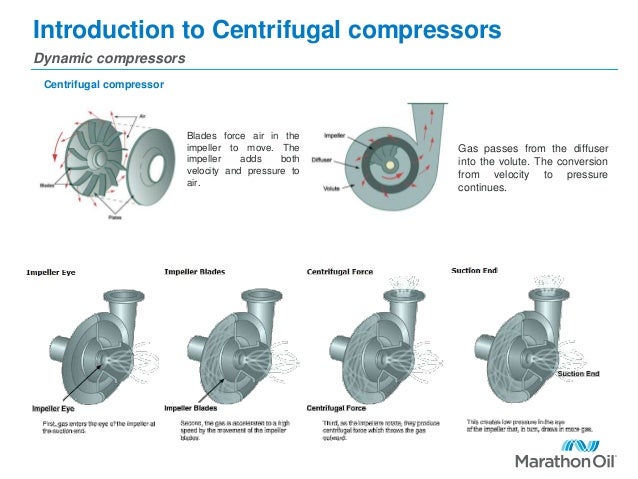
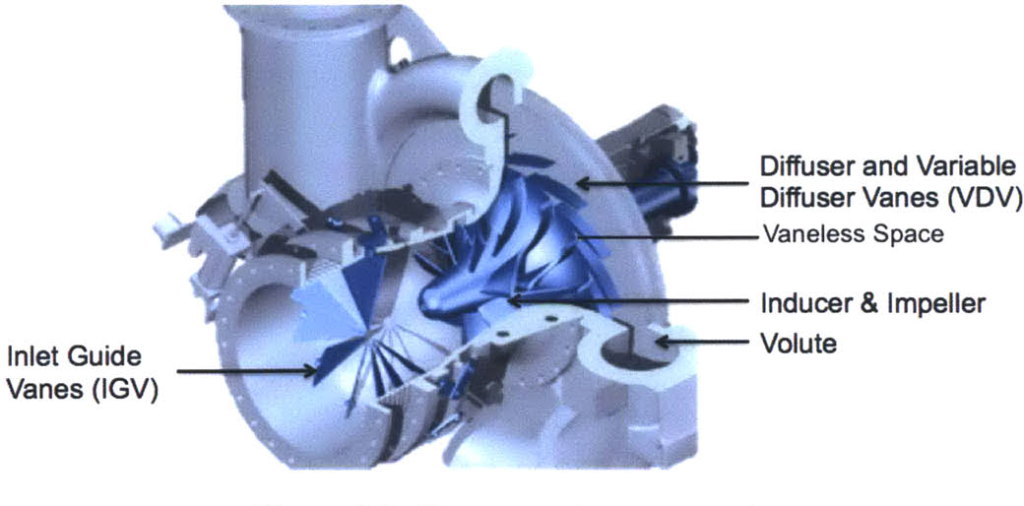
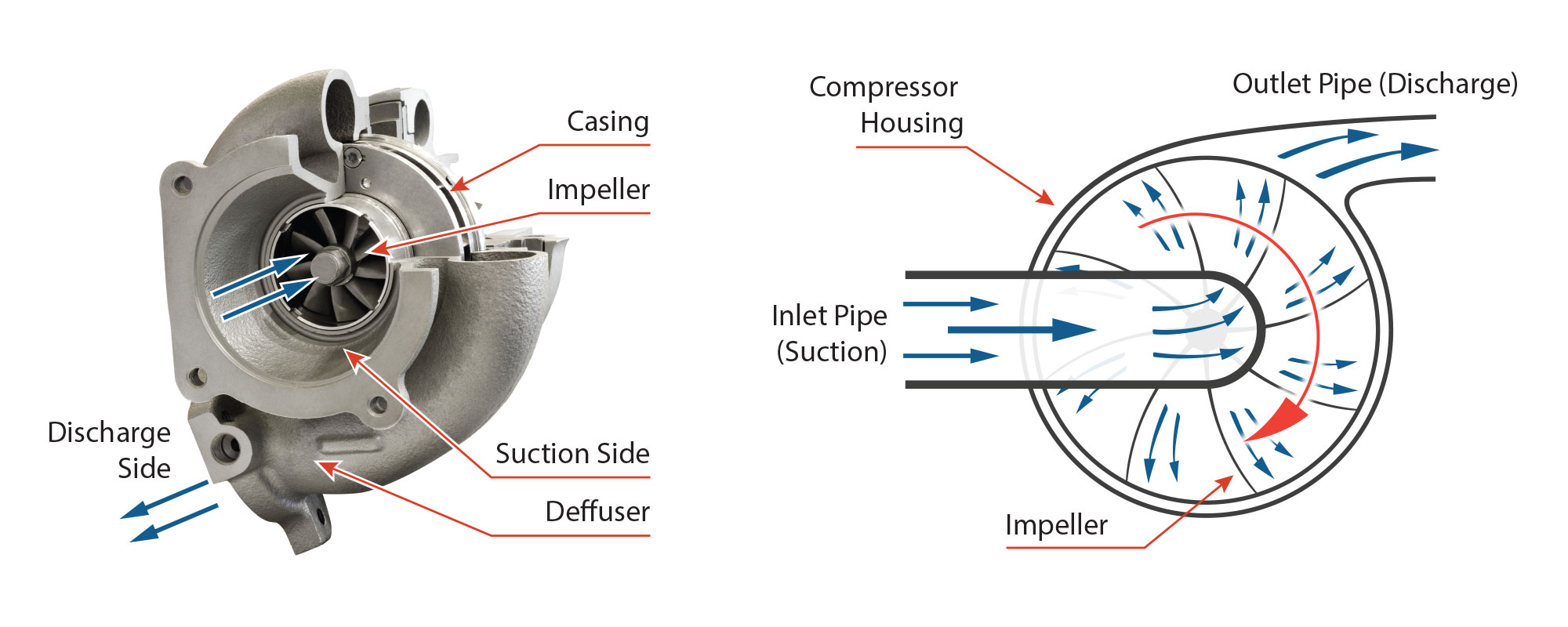
Before exploring capacity control methods, it's essential to understand the basic operating principle of a centrifugal compressor. These compressors utilize a rotating impeller to increase the velocity of refrigerant gas. This high-velocity gas then passes through a diffuser, where its kinetic energy is converted into pressure. The increased pressure allows the refrigerant to condense and release heat, ultimately providing cooling. Due to their design, centrifugal compressors are exceptionally well-suited for large chiller systems found in commercial buildings, industrial processes, and district cooling plants.
Methods of Capacity Control
Centrifugal compressors employ several sophisticated strategies to match their cooling output to the required load. These methods ensure efficient operation and prevent energy wastage. Here's an overview of the most common techniques:
1. Inlet Guide Vanes (IGVs)
Inlet Guide Vanes (IGVs) are arguably the most prevalent method of capacity control in centrifugal compressors. IGVs are adjustable vanes positioned at the compressor inlet, just before the impeller. These vanes manipulate the swirl of the refrigerant gas entering the impeller. By changing the angle of the vanes, the pre-swirl of the gas can be adjusted, affecting the compressor's head (pressure rise) and flow rate. Closing the IGVs reduces the flow of refrigerant, thereby lowering the compressor's cooling capacity. IGVs offer a relatively wide range of capacity control and are known for their energy efficiency compared to other methods.
2. Variable Speed Drives (VSDs)
Variable Speed Drives (VSDs), also known as Variable Frequency Drives (VFDs), offer precise and efficient capacity control. VSDs control the speed of the compressor motor, directly impacting the impeller's rotational speed. By reducing the motor speed, the compressor's pumping capacity and power consumption are proportionally reduced. VSDs provide excellent part-load efficiency and are becoming increasingly popular due to their ability to precisely match cooling output to demand, leading to significant energy savings. Retrofitting existing systems with VSDs can result in substantial reductions in energy costs. Recent studies show that systems utilizing VSDs can see energy savings of up to 30% compared to systems with fixed-speed compressors and other capacity control methods.
3. Hot Gas Bypass
While less efficient than IGVs or VSDs, hot gas bypass is a simpler, though less desirable, capacity control method. This technique involves diverting a portion of the high-pressure refrigerant gas from the compressor discharge back to the compressor suction. This bypass reduces the net cooling effect of the system. The primary drawback of hot gas bypass is its energy inefficiency, as the compressor continues to work at or near full load, even when the actual cooling demand is low. It's typically used as a supplemental method or in older systems where other control options are limited.
4. Surge Control
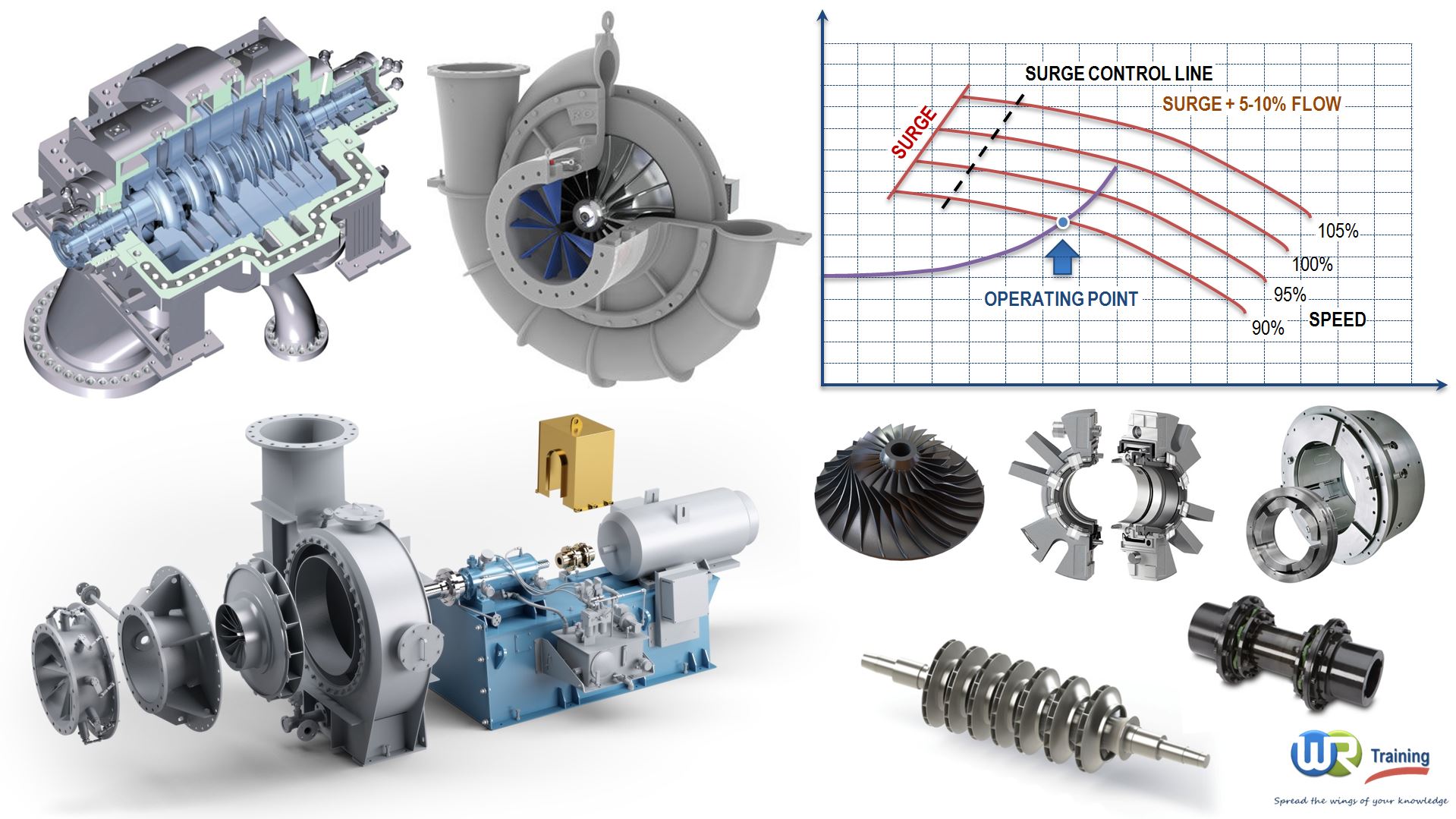
Surge is a dangerous operating condition in centrifugal compressors where the flow of refrigerant periodically reverses direction. Surge can cause severe damage to the compressor. While not strictly a capacity control method, surge control systems play a crucial role in maintaining stable operation at reduced loads. Surge control systems typically involve a hot gas bypass valve that opens when the compressor approaches its surge point, preventing flow reversal. Surge control is essential for ensuring the longevity and reliability of the compressor.
5. Stator Vanes
Stator Vanes, positioned after the impeller, are another method to control the flow of refrigerant. By adjusting the angle of these vanes, the pressure and flow characteristics can be modified, allowing for finer control of capacity. Stator vanes are often used in conjunction with IGVs for more precise adjustments.
Career Paths in HVAC and Centrifugal Compressor Expertise
The HVAC industry offers diverse career opportunities, and expertise in centrifugal compressor technology is highly valued, particularly for roles involving large commercial and industrial systems.
HVAC Technician
HVAC technicians install, maintain, and repair HVAC systems, including those utilizing centrifugal compressors. A strong understanding of compressor operation, capacity control methods, and troubleshooting techniques is essential. According to the Bureau of Labor Statistics, the median annual wage for HVAC technicians was $51,390 in May 2022. The job outlook is projected to grow 6 percent from 2022 to 2032, about as fast as the average for all occupations.
Certifications: Entry-level technicians often start with certifications like the EPA Section 608 certification, which is required for handling refrigerants. As they gain experience, they can pursue more advanced certifications such as those offered by North American Technician Excellence (NATE).
Example Career Path: Entry-level Technician -> Senior Technician -> HVAC Supervisor
HVAC Engineer
HVAC engineers design, develop, and oversee the installation of HVAC systems. They require a deep understanding of thermodynamics, fluid mechanics, and control systems. A bachelor's degree in mechanical engineering or a related field is typically required. Knowledge of centrifugal compressor selection, application, and control strategies is crucial for engineers working on large-scale cooling projects. The median annual wage for mechanical engineers was $97,560 in May 2022. The job outlook is projected to grow 2 percent from 2022 to 2032.
Certifications: Professional Engineer (PE) license.
Example Career Path: Junior Engineer -> Project Engineer -> Senior Engineer -> Engineering Manager
HVAC Service Manager
HVAC service managers oversee the operations of HVAC service departments. They are responsible for managing technicians, scheduling work, and ensuring customer satisfaction. A strong technical background, combined with excellent communication and management skills, is essential. Experience with centrifugal compressor maintenance and repair is a valuable asset.
Example Career Path: Senior Technician -> Service Manager -> Operations Manager
The Role of Certifications
Certifications play a significant role in advancing your career in HVAC. They demonstrate your knowledge and skills to employers and clients. Some key certifications include:
- EPA Section 608 Certification: Required for technicians who handle refrigerants.
- NATE Certification: Offered by North American Technician Excellence, NATE certifications cover a wide range of HVAC specialties.
- HVAC Excellence Certifications: Provide comprehensive assessments of HVAC knowledge and skills.
The Future of Centrifugal Compressor Technology
The future of centrifugal compressor technology is focused on improving energy efficiency, reducing environmental impact, and enhancing system reliability. Innovations include:
- Advanced Control Algorithms: Sophisticated control algorithms are being developed to optimize compressor performance and minimize energy consumption.
- Magnetic Bearings: Magnetic bearings eliminate the need for lubrication, reducing maintenance requirements and improving efficiency.
- Environmentally Friendly Refrigerants: Research is ongoing to develop new refrigerants with lower global warming potential (GWP).
Conclusion
Understanding how centrifugal compressors achieve capacity control is essential for anyone working with large-scale cooling systems. By mastering the principles of IGVs, VSDs, hot gas bypass, and surge control, HVAC professionals can ensure efficient and reliable operation of these critical components. As the HVAC industry continues to evolve, staying up-to-date with the latest technologies and best practices is crucial for career advancement and success.




+Compressors.jpg)