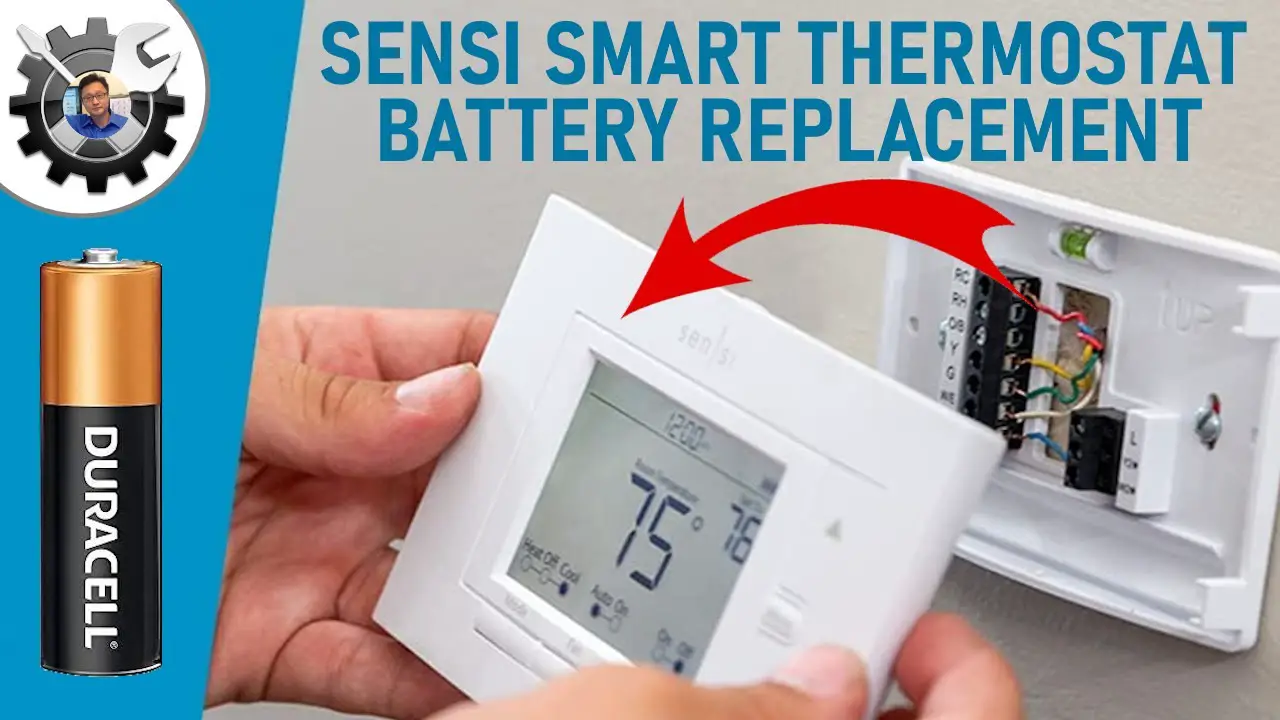
Changing The Battery In A Thermostat

Maintaining a functional thermostat is crucial for efficient HVAC system operation and, ultimately, lower energy bills. Often overlooked, a simple task like changing the thermostat battery can significantly impact your home's energy performance. This article delves into the process, benefits, and potential savings associated with keeping your thermostat powered and functioning optimally.
Understanding the Importance of a Functional Thermostat
Your thermostat is the control center of your HVAC system. It dictates when your heating and cooling systems turn on and off, influencing the overall temperature and energy consumption of your home or business. A weak or dead battery can lead to inaccurate temperature readings, inconsistent operation, and increased energy waste. Imagine your thermostat consistently reading a temperature higher than actual. This could lead to excessive air conditioning use, and unnecessary energy costs. Replacing a battery can resolve a situation like this.
According to Energy Star, a properly functioning thermostat, especially a programmable or smart model, can save homeowners up to 10% on their heating and cooling bills annually. This is achieved through optimized scheduling, remote control, and advanced features that adapt to your lifestyle. However, even the smartest thermostat relies on a working battery.
Step-by-Step Guide: Changing Your Thermostat Battery
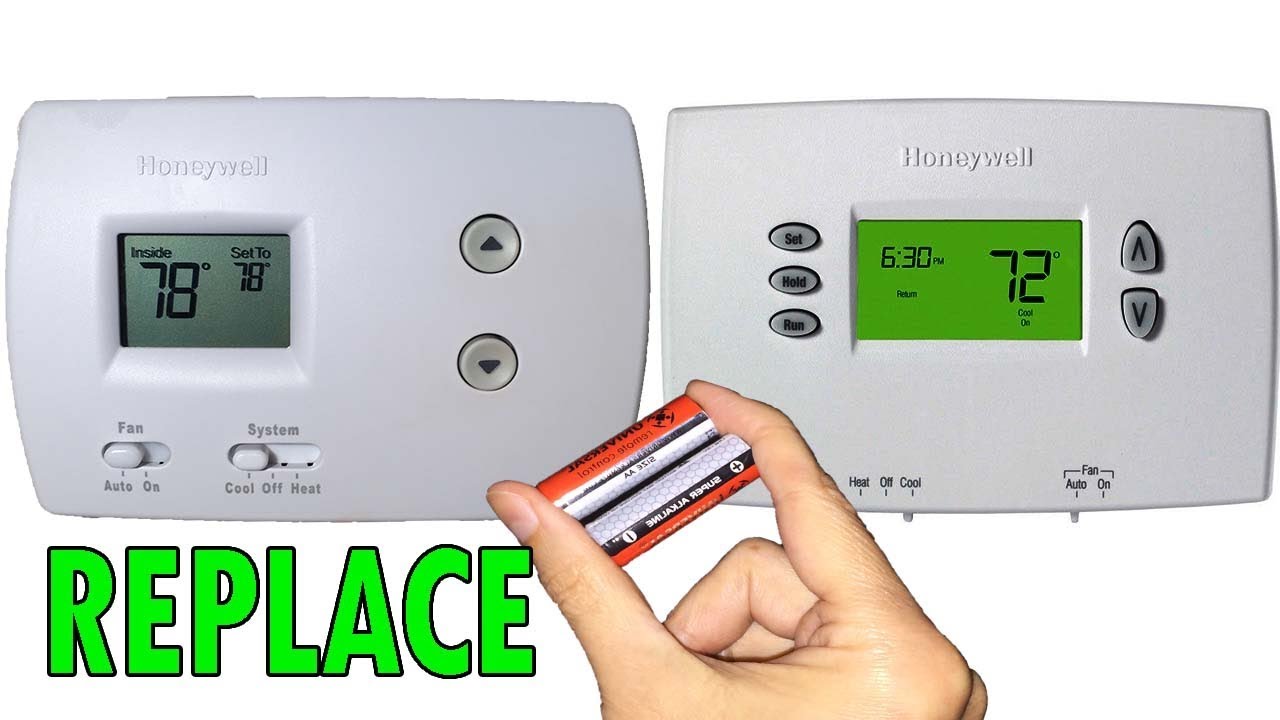
Most thermostats use standard alkaline batteries, typically AA or AAA. However, some models might use button-cell batteries or even have a non-replaceable battery that requires professional servicing. Refer to your thermostat's manual for specific battery type and replacement instructions.
Tools You'll Need:
- New batteries (correct type for your thermostat)
- Small screwdriver (usually Phillips head)
- Soft cloth or paper towel
The Process:
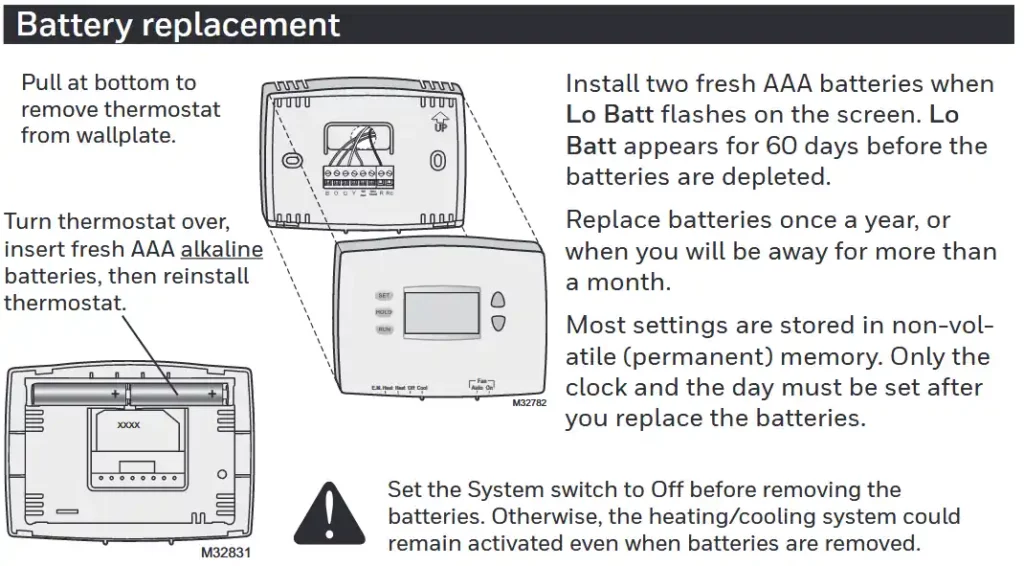
- Safety First: Turn off the power to your HVAC system at the breaker. This prevents any potential electrical issues during the battery replacement process.
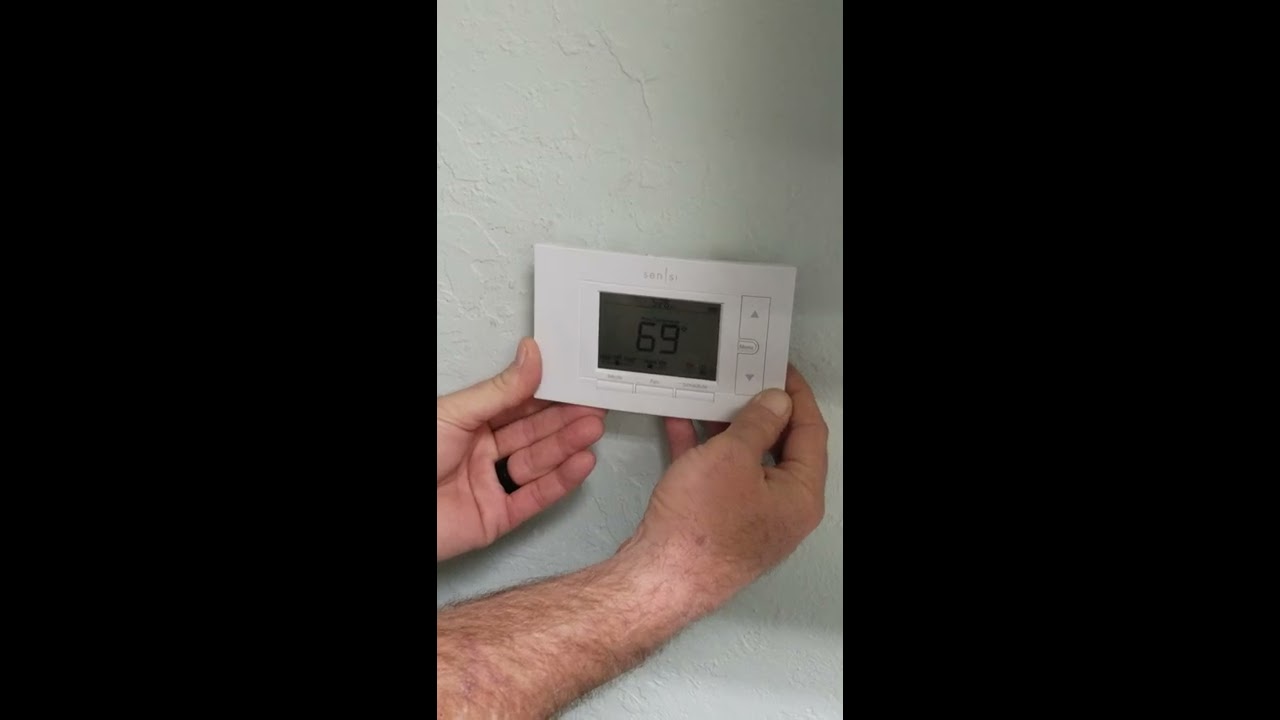
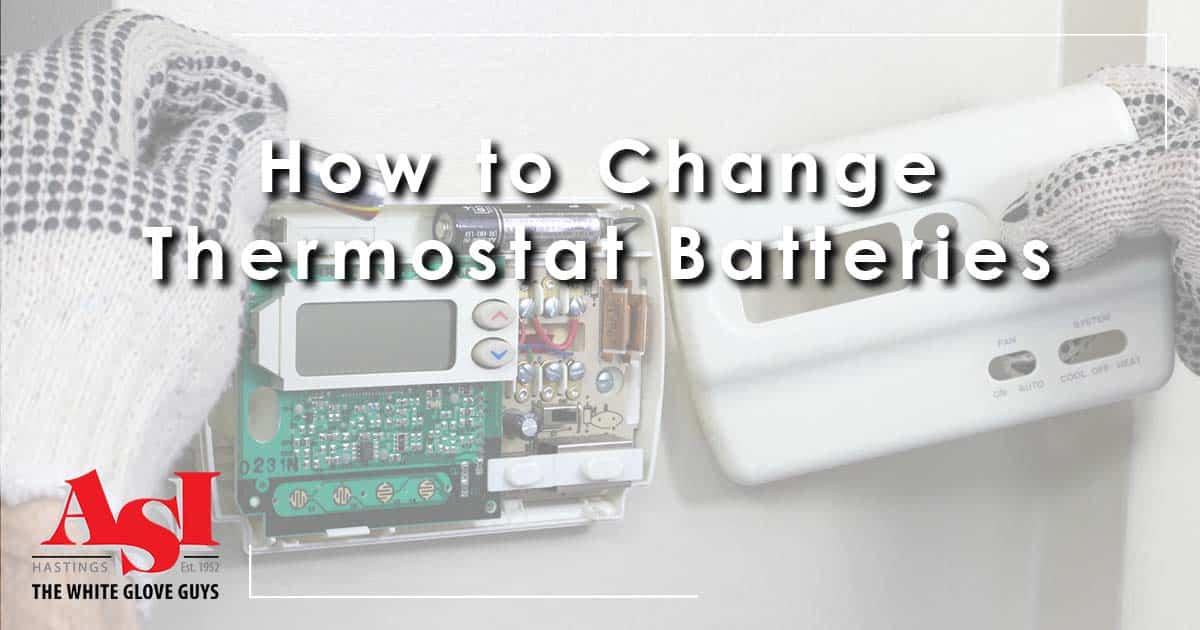
- Locate the Battery Compartment: The battery compartment is usually located on the front, side, or back of the thermostat. Some thermostats have a removable faceplate that needs to be gently pried off.
- Remove the Old Batteries: Carefully remove the old batteries, noting their orientation (+ and -). Use a small screwdriver if necessary to loosen corroded batteries. Clean any corrosion with a dry cloth or paper towel.
- Install the New Batteries: Insert the new batteries, ensuring they are correctly oriented according to the markings in the battery compartment.
- Reassemble the Thermostat: Replace the faceplate or battery compartment cover. Ensure it's securely attached.
- Restore Power: Turn the power back on at the breaker.
- Test the Thermostat: Verify that the thermostat is functioning correctly. Set the temperature a few degrees above and below the current room temperature to ensure the heating and cooling systems activate.
Troubleshooting Tip: If your thermostat doesn't turn on after replacing the batteries, double-check the battery orientation, battery type, and power supply. Consult your thermostat's manual or contact a qualified HVAC technician if the issue persists.
Smart Thermostats and Battery Life
Smart thermostats, like those from Nest, Ecobee, and Honeywell, offer advanced features like Wi-Fi connectivity, remote control, and learning algorithms. These features enhance energy efficiency and convenience, but they also rely on a stable power source. While some smart thermostats are hardwired, many still use batteries as a backup or primary power source.
Generally, the battery life of a smart thermostat ranges from one to two years, depending on usage and model. Features like constant Wi-Fi connection, frequent temperature adjustments, and display brightness can drain the battery faster. It's crucial to monitor the battery level on your smart thermostat's display or app and replace the batteries proactively.
Some smart thermostats send low-battery notifications to your smartphone, providing a timely reminder to replace the batteries. Ignoring these notifications can lead to thermostat malfunction, inaccurate temperature control, and increased energy consumption.
The ROI of Regular Battery Replacement
The cost of replacing thermostat batteries is minimal compared to the potential energy savings. A pack of AA or AAA batteries typically costs a few dollars, while a malfunctioning thermostat can lead to significant energy waste. By keeping your thermostat powered and functioning correctly, you can optimize your HVAC system's performance and reduce your energy bills.
Consider this scenario: a thermostat with a weak battery causes the air conditioner to run for an extra hour per day. Assuming an average electricity rate of $0.15 per kWh and an air conditioner with a power consumption of 3 kW, the extra hour of operation would cost $0.45 per day, or $164.25 per year. Replacing the batteries, costing less than $10, could prevent this unnecessary expense.
Energy Savings and Rebates
Many utility companies offer rebates and incentives for installing energy-efficient thermostats, including programmable and smart models. These rebates can significantly reduce the upfront cost of upgrading to a more efficient thermostat. Check with your local utility company or visit the Energy Star website to learn about available rebates and programs.
Furthermore, some states offer tax credits for energy-efficient home improvements, including thermostat upgrades. These tax credits can further offset the cost of installing a new thermostat and contribute to long-term energy savings.
Integrating Thermostats with Smart Home Systems
Integrating your thermostat with a smart home system can unlock even greater energy savings and convenience. Smart home platforms like Amazon Alexa, Google Home, and Apple HomeKit allow you to control your thermostat remotely, create custom schedules, and automate temperature adjustments based on your occupancy and preferences.
For example, you can set your thermostat to automatically lower the temperature when you leave for work and raise it again shortly before you return home. This eliminates the need to manually adjust the thermostat every day and ensures that your home is always at a comfortable temperature when you're there.
Integrating your thermostat with other smart home devices, such as occupancy sensors and window/door sensors, can further optimize energy efficiency. Occupancy sensors can detect when a room is empty and automatically lower the temperature, while window/door sensors can detect when a window or door is open and temporarily disable the HVAC system.
HVAC Contractor Perspective
For HVAC contractors, recommending regular thermostat battery replacement is a simple way to enhance customer satisfaction and provide added value. During routine maintenance visits, contractors can check the battery level of thermostats and replace them if necessary. This proactive approach can prevent thermostat malfunctions, ensure optimal HVAC system performance, and foster long-term customer relationships.
Contractors can also educate homeowners about the benefits of upgrading to smart thermostats and integrating them with smart home systems. By highlighting the potential energy savings, rebates, and convenience features, contractors can encourage homeowners to invest in energy-efficient solutions that benefit both their wallets and the environment.
Offering thermostat battery replacement as part of a service package can also generate additional revenue for HVAC contractors. By bundling battery replacement with other maintenance services, contractors can provide a comprehensive solution that addresses all of their customers' HVAC needs.
Conclusion
Changing the battery in your thermostat is a small but significant task that can have a big impact on your energy bills. By following the simple steps outlined in this article, you can ensure that your thermostat is functioning correctly and optimizing your HVAC system's performance. Whether you have a basic thermostat or a sophisticated smart model, regular battery replacement is essential for maintaining energy efficiency and reducing your environmental footprint. Consider the ROI, available rebates, and potential for smart home integration to maximize the benefits of a properly functioning thermostat.