Check Refrigerant In Multi-head Minisplit System
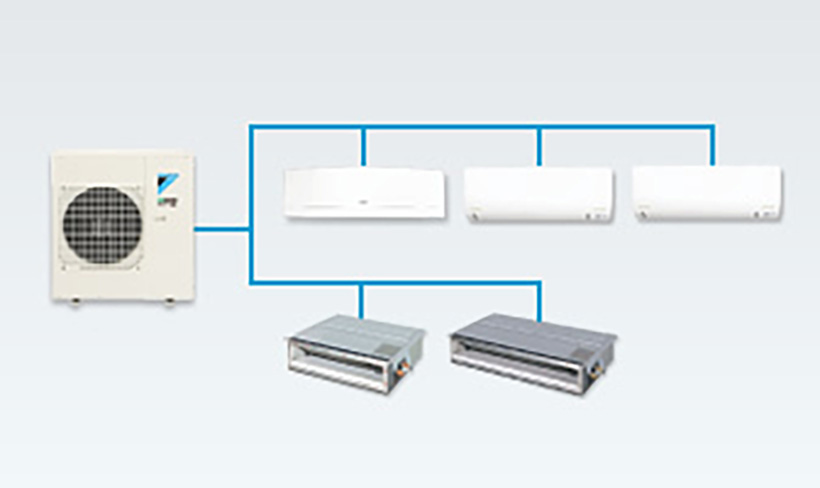
Multi-head mini-split systems, also known as ductless mini-splits, have become increasingly popular in residential and commercial settings due to their energy efficiency and zoning capabilities. These systems consist of a single outdoor unit connected to multiple indoor units, allowing for individual temperature control in different rooms or zones. However, like all HVAC systems, proper refrigerant charge is crucial for optimal performance and longevity. This article will provide a comprehensive guide on how to check refrigerant in a multi-head mini-split system, covering essential tools, procedures, troubleshooting tips, and career pathways for HVAC professionals.
Understanding the Importance of Refrigerant Charge
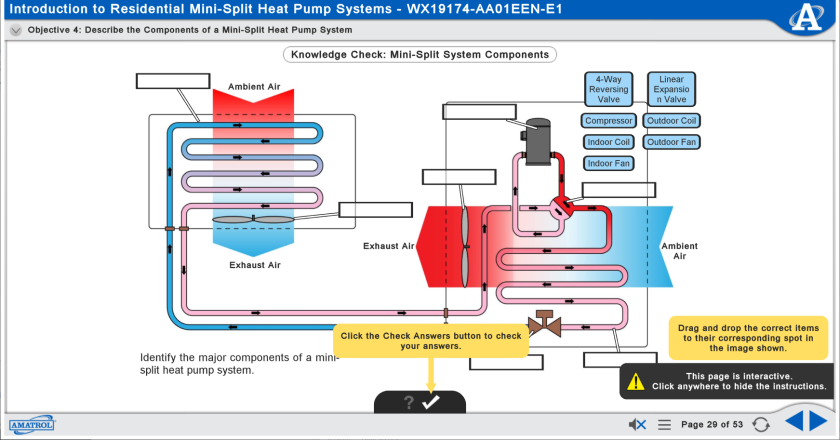
Refrigerant is the lifeblood of any air conditioning or heat pump system. It absorbs heat from inside a building and releases it outside, and vice versa in heating mode. An incorrect refrigerant charge, whether too high or too low, can lead to a variety of problems, including:
- Reduced cooling and heating capacity
- Increased energy consumption and higher utility bills
- Compressor damage, potentially leading to costly repairs or replacements
- System failure
According to the Air Conditioning Contractors of America (ACCA), improper refrigerant charge is one of the most common causes of HVAC system malfunctions. Therefore, regular refrigerant checks are essential for maintaining optimal system performance and preventing costly breakdowns.
Tools and Equipment Required
Before checking the refrigerant charge in a multi-head mini-split system, you'll need the following tools and equipment:
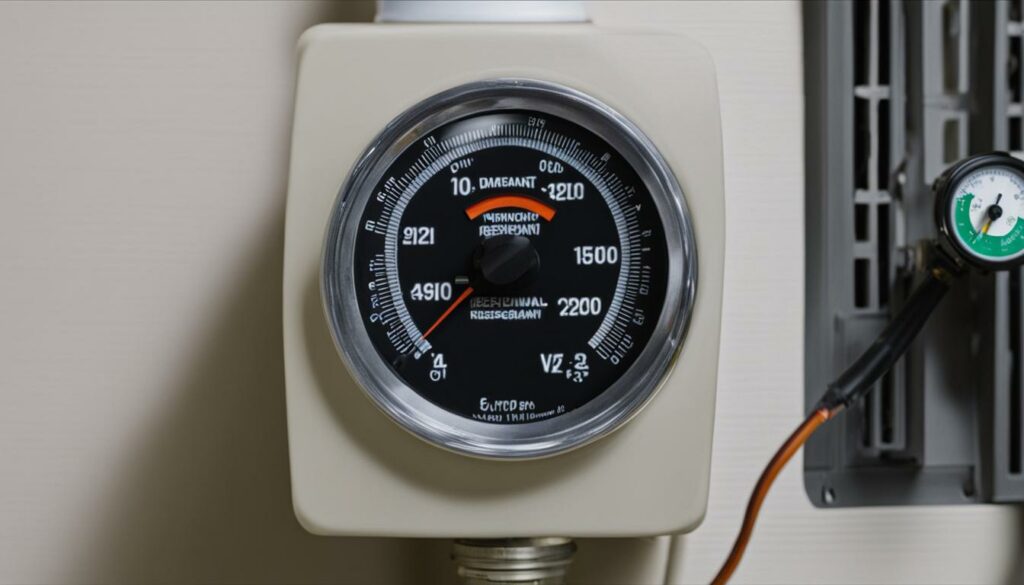
- Manifold gauge set: Used to measure refrigerant pressures on both the high and low sides of the system.
- Refrigerant hoses: Connect the manifold gauge set to the service ports on the outdoor unit.
- Refrigerant scale: Used to accurately weigh refrigerant when adding or removing charge.
- Thermometer: Used to measure air temperatures at the indoor units and outdoor unit.
- Superheat and subcooling calculator: Helps determine the correct refrigerant charge based on measured pressures and temperatures. Many mobile apps are available for this purpose.
- Leak detector: Used to identify any refrigerant leaks in the system. Electronic leak detectors are generally more accurate than soap bubble solutions.
- Vacuum pump: Used to evacuate the system after repairs or refrigerant removal.
- Nitrogen regulator and tank: Used to pressure test the system for leaks after repairs.
- Personal protective equipment (PPE): Including safety glasses, gloves, and hearing protection.
- Service manual: The manufacturer's service manual for the specific mini-split system is crucial for understanding the system's operating parameters and troubleshooting procedures.
Step-by-Step Procedure for Checking Refrigerant Charge
Here's a detailed step-by-step procedure for checking the refrigerant charge in a multi-head mini-split system:
- Safety First: Always wear appropriate PPE, including safety glasses and gloves.
- System Preparation: Ensure all indoor units are turned on and set to the cooling or heating mode, depending on the desired operating condition. Set the thermostats to the lowest or highest temperature setting to ensure the system is running at full capacity.
- Gather System Data: Consult the system's nameplate on the outdoor unit to identify the type of refrigerant used and the factory charge. This information is crucial for accurate diagnosis.
- Connect Manifold Gauges: Connect the manifold gauge set to the service ports on the outdoor unit. The blue hose connects to the low-side port, and the red hose connects to the high-side port. The yellow hose connects to the refrigerant tank or vacuum pump.
- Measure Operating Pressures: Record the suction (low-side) and discharge (high-side) pressures.
- Measure Temperatures: Measure the outdoor ambient temperature and the return air temperature at each indoor unit. Also, measure the liquid line temperature near the outdoor unit and the suction line temperature near the outdoor unit.
- Calculate Superheat (for cooling mode): Superheat is the difference between the actual refrigerant vapor temperature at the suction line and the saturation temperature at the measured suction pressure. Use a superheat calculator or chart to determine the ideal superheat based on the system's operating conditions.
- Calculate Subcooling (for cooling mode): Subcooling is the difference between the saturation temperature at the measured liquid line pressure and the actual liquid line temperature. Use a subcooling calculator or chart to determine the ideal subcooling based on the system's operating conditions.
- Compare Measurements to Specifications: Compare the measured pressures, temperatures, superheat, and subcooling values to the manufacturer's specifications in the service manual.
- Adjust Refrigerant Charge (if necessary): If the measurements deviate significantly from the specifications, adjust the refrigerant charge accordingly.
- Low Charge: If the superheat is high and/or the subcooling is low, the system may be undercharged. Add refrigerant slowly, using a refrigerant scale to ensure you don't overcharge the system.
- Over Charge: If the superheat is low and/or the subcooling is high, the system may be overcharged. Recover refrigerant slowly, using a refrigerant scale to measure the amount removed.
- Leak Test: After adjusting the refrigerant charge, use a leak detector to check for any refrigerant leaks at the service ports and other connections.
- Document Results: Record all measurements, adjustments, and leak test results in a service log.
Troubleshooting Common Refrigerant Issues
Here are some common refrigerant-related issues and troubleshooting tips for multi-head mini-split systems:
- System Not Cooling or Heating Effectively: Could indicate a low refrigerant charge, compressor issues, or airflow problems.
- Icing on the Outdoor Unit: Often caused by low refrigerant charge, restricted airflow, or a faulty defrost cycle.
- High Energy Bills: Can be a sign of low refrigerant charge, as the system has to work harder to achieve the desired temperature.
- Refrigerant Leaks: Use a leak detector to pinpoint the source of the leak and repair it properly.
- Compressor Failure: Can be caused by low refrigerant charge, overheating, or electrical issues.
Note: Always refer to the manufacturer's service manual for specific troubleshooting procedures and diagnostic codes.
Career Paths and Opportunities in HVAC
The HVAC industry offers a wide range of career paths for individuals with varying levels of education and experience. Here are a few examples:
- HVAC Technician: Installs, maintains, and repairs HVAC systems. Median salary is around $51,390 per year (Bureau of Labor Statistics, May 2022). Job outlook is projected to grow 6 percent from 2022 to 2032.
- HVAC Installer: Specializes in the installation of new HVAC systems.
- HVAC Service Manager: Oversees the service department of an HVAC company.
- HVAC Sales Engineer: Sells HVAC equipment and systems to commercial and industrial clients.
- HVAC Design Engineer: Designs HVAC systems for new construction and renovation projects.
Example Career Path: An individual might start as an HVAC apprentice, gaining on-the-job training and completing coursework at a technical school. After several years of experience, they could become a journeyman technician, and eventually a master technician. With further education and experience, they could move into management or engineering roles.
Certifications and Training
Earning relevant certifications can significantly enhance your career prospects and demonstrate your competence to employers. Some key certifications in the HVAC industry include:
- EPA Section 608 Certification: Required by the EPA for anyone who handles refrigerants. There are four types of certifications: Type I (small appliances), Type II (high-pressure appliances), Type III (low-pressure appliances), and Universal (all types).
- NATE (North American Technician Excellence) Certification: Demonstrates proficiency in specific HVAC areas, such as air conditioning, heat pumps, and gas heating.
- HVAC Excellence Certification: Another nationally recognized certification program for HVAC technicians.
- State and Local Licenses: Many states and municipalities require HVAC technicians to be licensed. The requirements vary by location.
Formal education programs, such as associate's degrees in HVAC technology, can also provide a strong foundation for a successful career in the field. Trade schools and community colleges offer a variety of HVAC training programs.
Industry Trends and Future Outlook
The HVAC industry is constantly evolving, driven by technological advancements and increasing demand for energy-efficient solutions. Some key trends to watch include:
- Smart HVAC Systems: Integration of smart thermostats, sensors, and cloud-based controls for remote monitoring and optimization.
- Variable Refrigerant Flow (VRF) Systems: Highly efficient systems that can provide both heating and cooling to multiple zones.
- Geothermal Heat Pumps: Environmentally friendly systems that use the earth's natural heat to provide heating and cooling.
- Sustainable Refrigerants: Transitioning to refrigerants with lower global warming potential (GWP) to reduce environmental impact.
The future outlook for the HVAC industry is positive, with strong demand for skilled technicians and engineers. As buildings become more energy-efficient and regulations become stricter, the need for qualified HVAC professionals will continue to grow.
Conclusion
Checking the refrigerant charge in a multi-head mini-split system is a critical maintenance task that requires specialized knowledge, tools, and procedures. By following the steps outlined in this article, HVAC professionals can ensure optimal system performance, prevent costly breakdowns, and contribute to energy efficiency. A career in HVAC offers diverse opportunities, competitive salaries, and a promising future for those who are willing to invest in training and certifications. The growing demand for skilled technicians, coupled with technological advancements, makes HVAC a rewarding and fulfilling career path.