Check Valve On The Hot Water Side Of Water Heater
Water heaters, those unsung heroes of modern comfort, silently work around the clock to provide us with hot showers, clean dishes, and warm laundry. But this constant operation comes at a cost – energy consumption. A seemingly minor component, the check valve, installed on the hot water side of your water heater can play a significant role in improving energy efficiency and lowering your utility bills. This article explores the benefits, installation considerations, and ROI of using a check valve in your hot water system.
Understanding the Need for a Check Valve
Imagine a scenario: You've heated water to a comfortable temperature in your tank. Without a check valve, this heated water can slowly migrate backwards into the cold water supply line, especially due to thermal siphoning. Thermal siphoning occurs when heated water naturally rises and circulates back into the colder supply line, cooling down in the process. This creates a constant, albeit slow, drain on your water heater's energy as it works to reheat the lost heat. This also pre-heats water sitting in the cold line, so water is wasted waiting for cold to come out and hot reaches the tap more quickly.
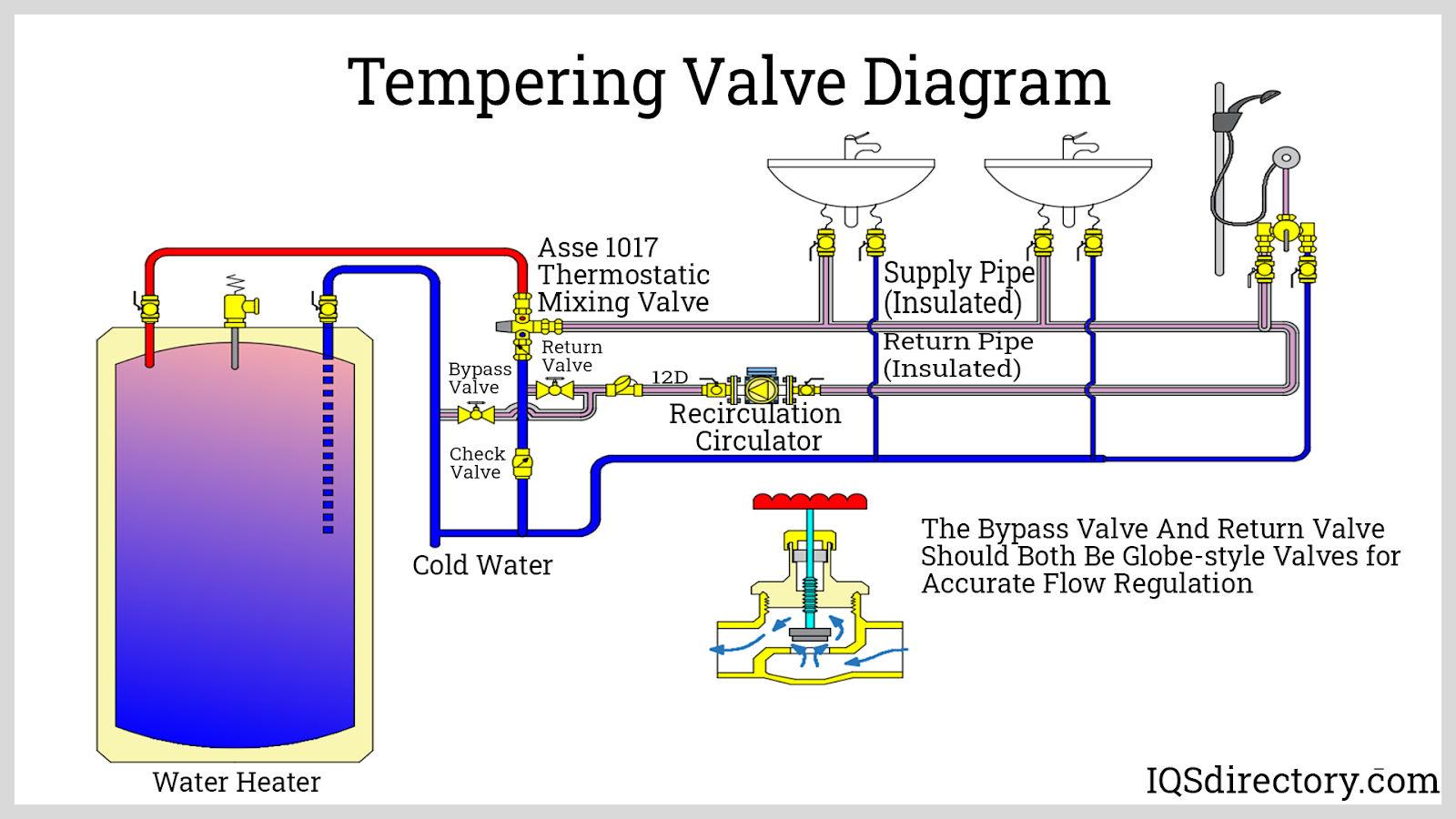
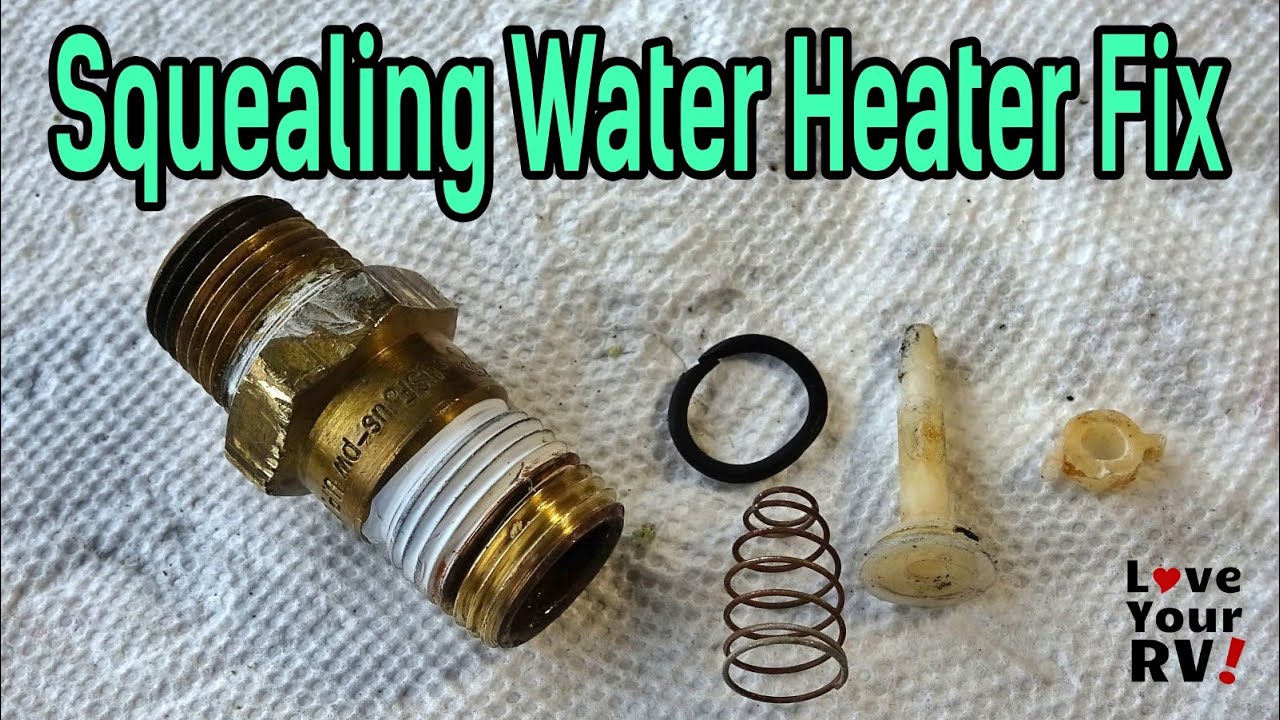
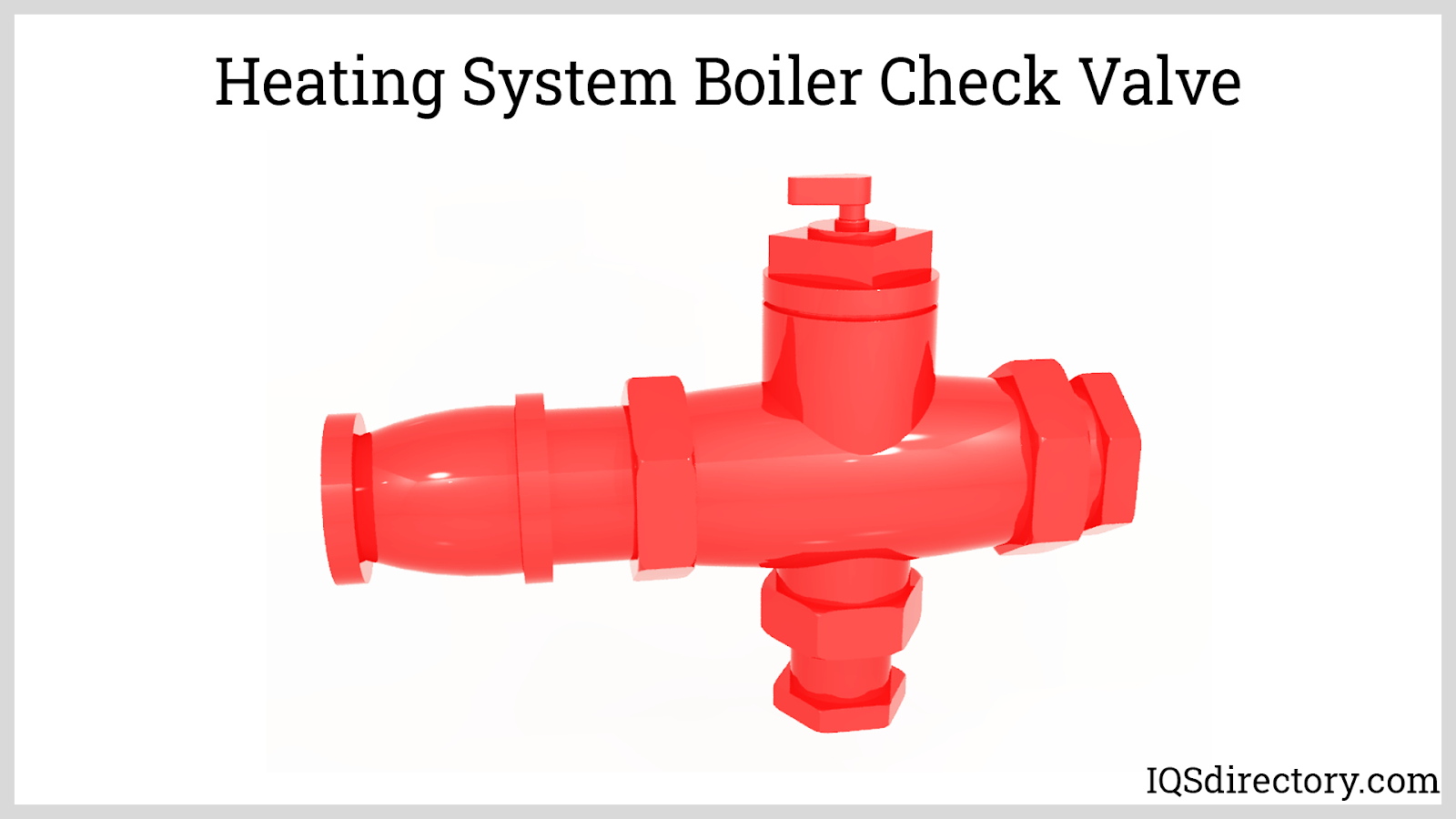
A check valve, also known as a non-return valve, is a simple mechanical device that allows fluid (in this case, water) to flow in only one direction. By preventing backflow, it keeps the heated water within the tank, minimizing heat loss and improving energy efficiency. It is important to note that pressure-reducing valves are not check valves and vice versa.
Benefits of Installing a Check Valve on Your Hot Water System
- Reduced Energy Consumption: By preventing thermal siphoning and backflow, the water heater cycles less frequently, consuming less electricity or gas. Studies have shown that installing a check valve can reduce standby heat loss by up to 20%. This percentage will vary depending on your plumbing layout.
- Lower Utility Bills: Reduced energy consumption directly translates to lower utility bills. While the savings may seem modest initially, they accumulate over time, leading to a significant return on investment. An Energy Star-certified water heater paired with a check valve amplifies these savings.
- Extended Water Heater Lifespan: Constant cycling puts stress on the water heater's components. By reducing the frequency of heating cycles, a check valve helps extend the lifespan of your water heater, delaying the need for replacement.
- Improved Hot Water Availability: By keeping hot water inside the tank, you ensure that hot water is readily available when you need it, reducing the waiting time at the tap.
- Prevents Contamination: In some plumbing configurations, a check valve can prevent potentially contaminated water from flowing back into the potable water supply, protecting your family's health.
Types of Check Valves for Water Heaters
Several types of check valves are suitable for hot water systems. Each offers different advantages and considerations:
- Swing Check Valves: These valves feature a hinged disc that swings open to allow forward flow and swings closed to prevent backflow. They are relatively inexpensive and reliable, but they can create some flow resistance.
- Lift Check Valves: These valves use a disc that lifts vertically to allow flow and drops back down to seal against backflow. They are typically used in high-pressure applications.
- Spring-Loaded Check Valves: These valves use a spring to keep the disc closed until sufficient pressure is applied to overcome the spring force. They offer faster closing action than swing check valves, minimizing backflow. They are more expensive, however.
- Duo Check Valves: These utilize two spring-loaded plates that open and close.
For residential water heaters, a spring-loaded check valve or a swing check valve is typically recommended. Consider the water pressure and flow rate of your system when selecting the appropriate valve.
Installation Considerations
Installing a check valve is a relatively straightforward process that can be tackled by a knowledgeable homeowner or a qualified plumber. Here's a step-by-step guide:
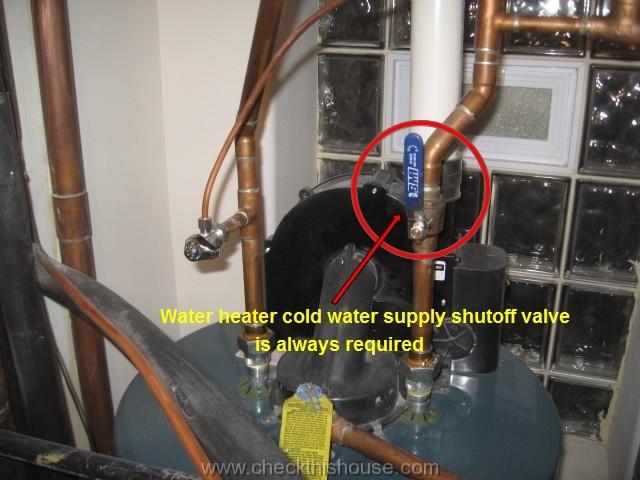
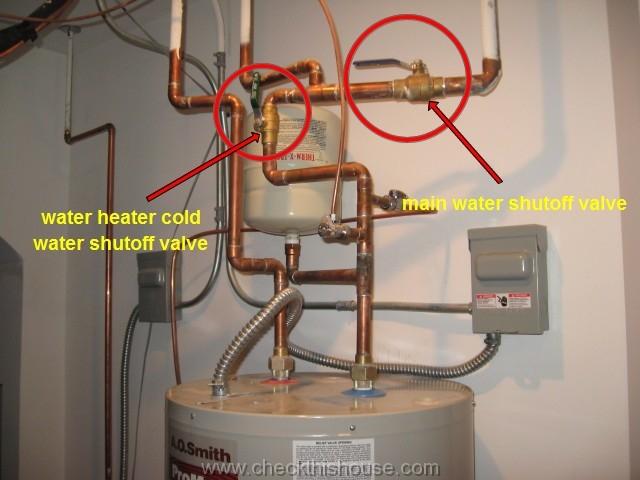
- Turn off the Water Supply: Locate the main water shut-off valve and turn it off to prevent water from flowing into the system.
- Drain the Water Heater: Drain a portion of the water from the water heater to relieve pressure in the pipes.
- Locate the Hot Water Outlet: Identify the hot water outlet pipe on top of the water heater.
- Cut the Pipe: Use a pipe cutter to cut the hot water outlet pipe in a location where the check valve can be easily installed.
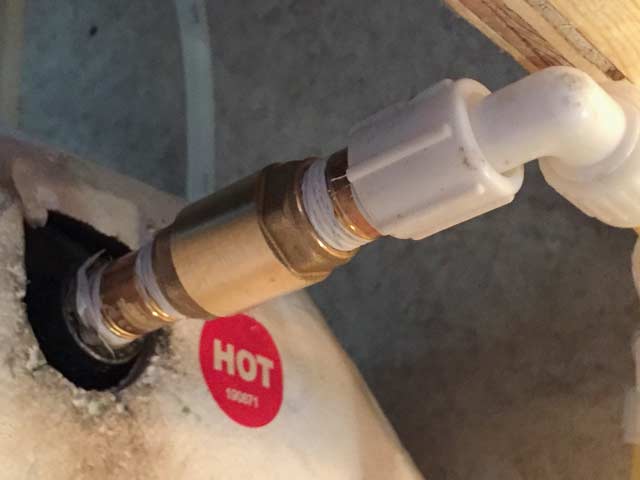
- Install the Check Valve: Ensure that the check valve is installed with the correct flow direction (arrow pointing away from the water heater). Use Teflon tape or pipe sealant on the threads to ensure a watertight seal.
- Reconnect the Pipe: Use appropriate fittings to reconnect the pipe to the check valve.
- Turn on the Water Supply: Slowly turn on the main water supply and check for leaks around the check valve and fittings.
- Bleed the Air: Open a hot water faucet in your home to bleed any air from the system.
Important Note: If you are not comfortable working with plumbing, it is best to hire a qualified plumber to install the check valve.
ROI and Energy Savings Calculations
The return on investment (ROI) for installing a check valve depends on several factors, including your energy rates, water heater efficiency, and the severity of thermal siphoning in your plumbing system. However, let's consider a simplified example:
Assume a household spends \$500 per year on heating water. A 10% reduction in energy consumption due to the check valve translates to \$50 in annual savings. With the check valve costing around \$30 (including installation), the payback period is approximately 7 months. Over the lifespan of the water heater (e.g., 10 years), the total savings would be \$500, representing a significant return on investment.
Remember, this is a simplified example. Use energy calculators provided by your local utility or the Energy Star website to estimate your specific savings.
Smart HVAC Integration and Check Valves
Integrating your water heater with a smart home system can further enhance energy efficiency. Smart thermostats and sensors can monitor water usage patterns and adjust the water heater's temperature settings accordingly. While a check valve is a passive device, it complements smart home integration by preventing heat loss even when the water heater is in standby mode. Some advanced water heaters are already equipped with electronic check valves and smart features.
Furthermore, some smart water leak detectors can identify unusual temperature drops in the water heater, potentially indicating a failing check valve or other plumbing issues. This early detection can prevent costly water damage and further improve energy efficiency.
Government Rebates and Incentives
Many utility companies and government agencies offer rebates and incentives for installing energy-efficient water heaters and related components, such as check valves. Check with your local utility company and the Energy Star website to see if you qualify for any rebates or tax credits. These incentives can significantly reduce the upfront cost of installing a check valve, further improving its ROI.
Conclusion
Installing a check valve on the hot water side of your water heater is a simple yet effective way to improve energy efficiency, lower utility bills, and extend the lifespan of your water heater. While the initial investment is relatively small, the long-term savings and benefits can be substantial. Whether you are a homeowner looking to save on energy costs, a business upgrading to eco-friendly systems, or an HVAC contractor selling energy-efficient solutions, the check valve is a valuable component to consider for any hot water system. By preventing backflow and minimizing heat loss, a check valve quietly contributes to a more sustainable and cost-effective future. Before starting any plumbing or electrical project, consult with a qualified professional to ensure compliance with local codes and regulations.