Circuit Breaker Wire Size To Breaker Size Chart
Okay, so your refrigerator suddenly stopped working. Panic sets in, visions of spoiled food fill your mind. Before you call an appliance repair technician, let's walk through a few basic troubleshooting steps you can safely perform yourself. Remember, safety first! If at any point you feel uncomfortable or unsure, stop and call a qualified electrician or appliance repair professional.
Step 1: The Obvious Checks – Power Supply
The first and most crucial step is to ensure the refrigerator is actually receiving power. Start with these easy checks:
- Is the refrigerator plugged in? This sounds incredibly simple, but sometimes the plug gets accidentally bumped loose. Double-check that the cord is securely plugged into the outlet.
- Check the Outlet: Plug a lamp or small appliance you know works into the same outlet. If the lamp doesn't light up, the problem is with the outlet itself. This leads us to the next crucial step...
- Circuit Breaker Trip: Locate your electrical panel (breaker box). Look for a breaker labeled "Refrigerator," "Kitchen," or something similar. A tripped breaker will typically be in the "off" or "middle" position.
Resetting a Tripped Breaker: A Step-by-Step Guide
Resetting a tripped breaker is usually straightforward, but always be cautious:
- Identify the Tripped Breaker: As mentioned above, look for a breaker that's not in the "on" position.
- Turn the Breaker Fully Off: Push the breaker switch firmly to the "off" position. This ensures it's fully reset.
- Turn the Breaker On: Now, flip the breaker switch to the "on" position. You should hear a click.
- Test the Refrigerator: Wait a few minutes and see if the refrigerator starts working again.
Important Note: If the breaker trips again immediately after resetting it, do not keep resetting it! This indicates a more serious problem, such as a short circuit, and requires a qualified electrician.
Step 2: Circuit Breaker Wire Size – Is it Right?
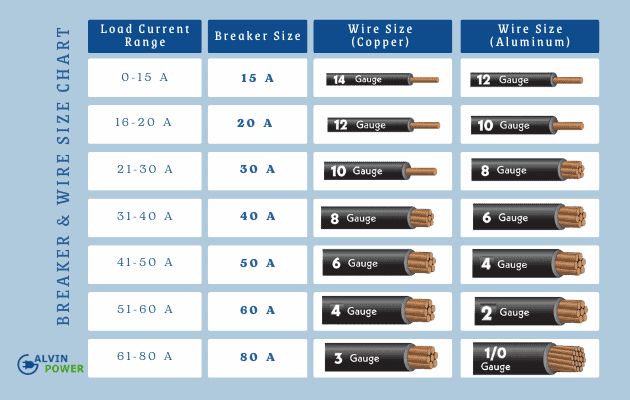
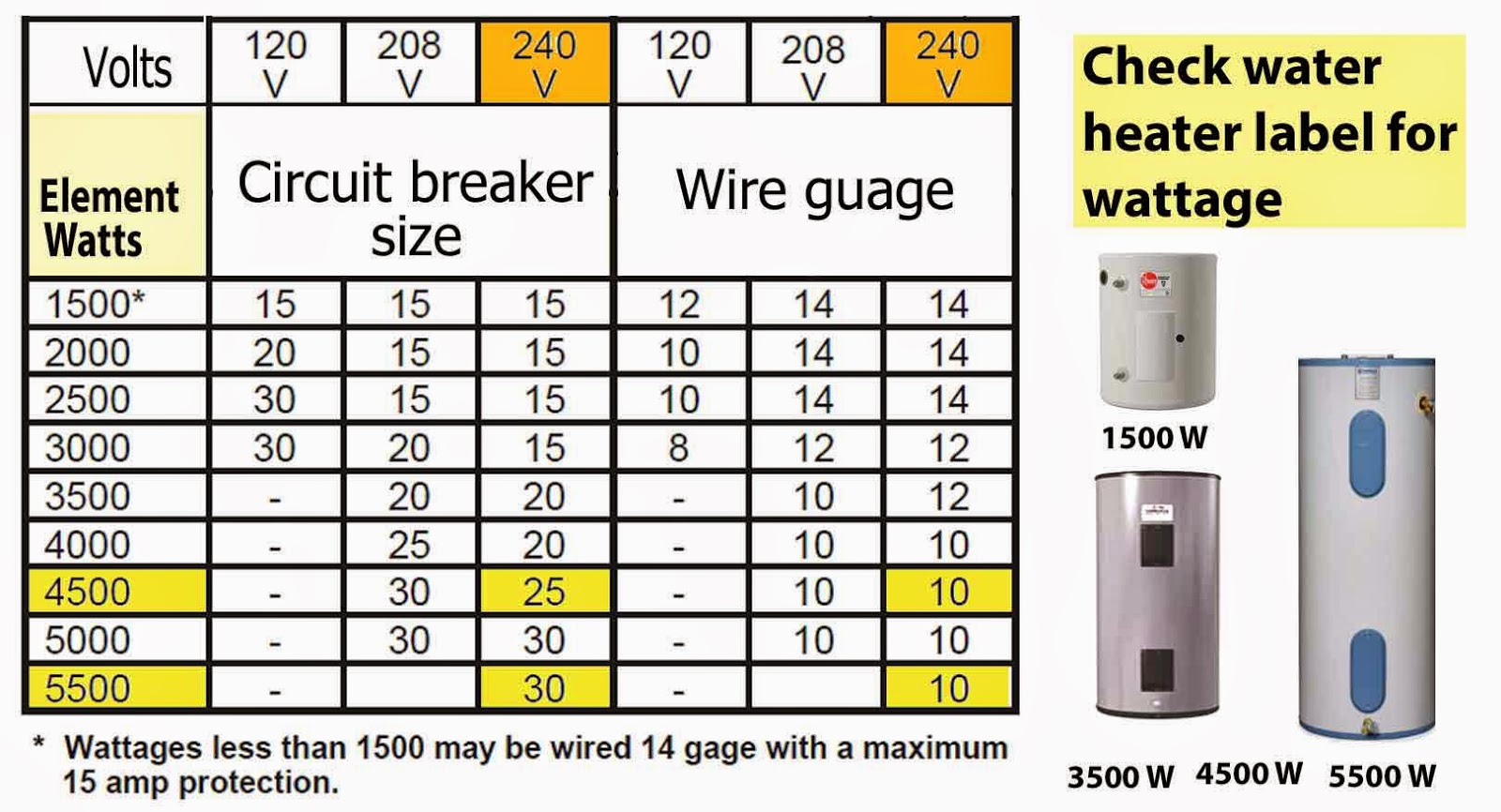
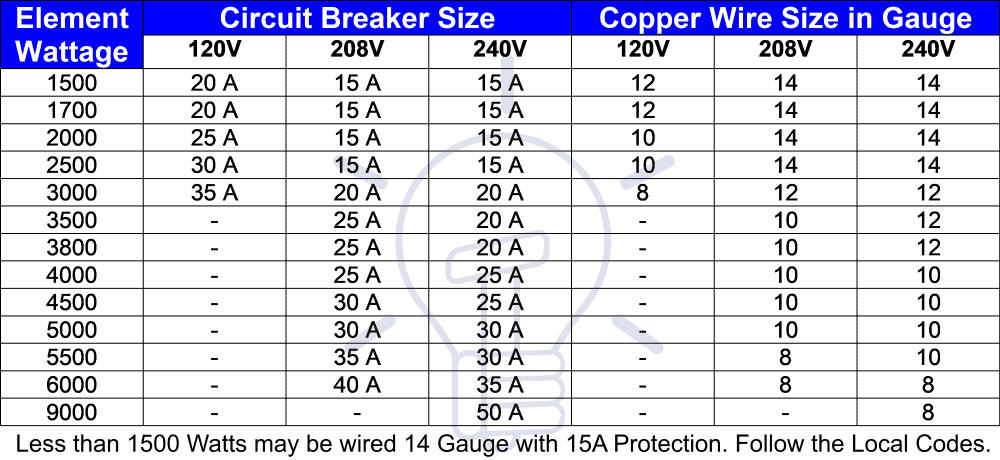
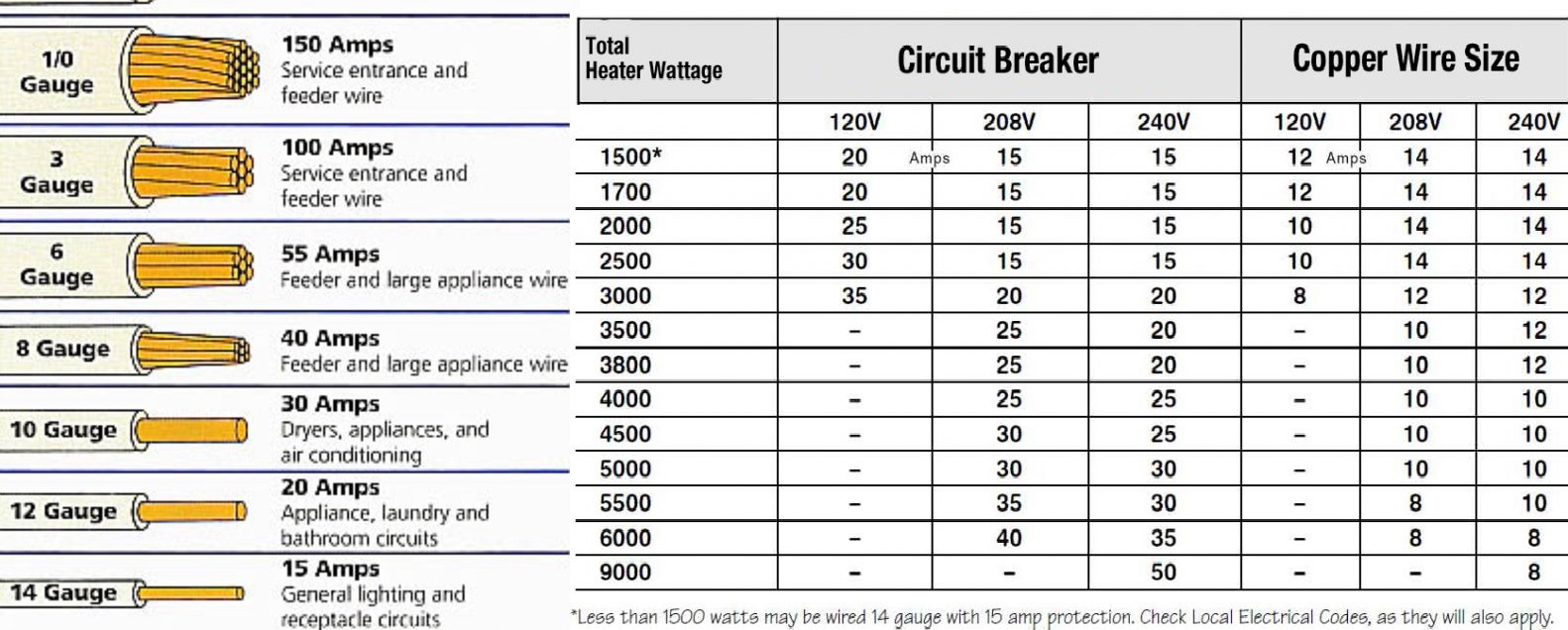
If the breaker keeps tripping, the issue could be that the wire size is inadequate for the breaker size, or that the refrigerator is drawing too much current. This is where things get a little more technical, and a chart becomes essential.
Understanding the Importance of Wire Size and Breaker Size
The circuit breaker's job is to protect the wires in your home from overheating and causing a fire. It does this by "tripping" and cutting off the electricity when the current exceeds the breaker's rating. The wire's job is to safely carry the current. If the wire is too small for the breaker, it can overheat before the breaker trips, creating a fire hazard.
This means that the wire size must be correctly matched to the breaker size. Using a wire that is too small for the breaker is a serious safety issue.
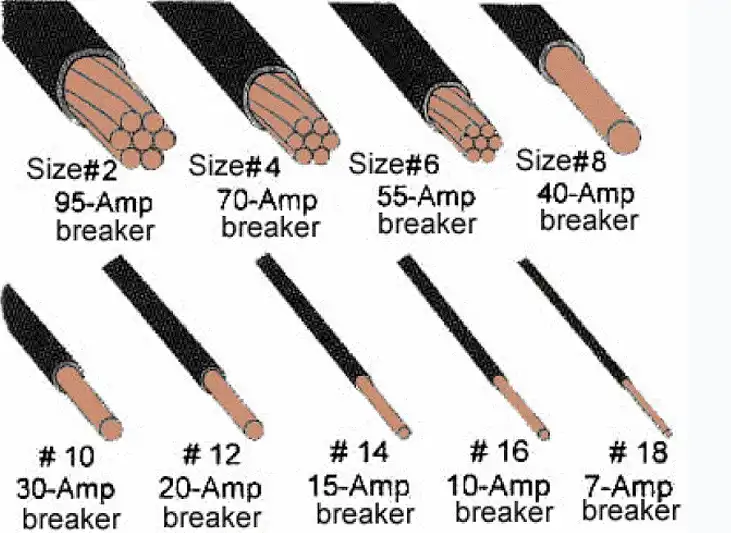
Basic Circuit Breaker Wire Size Chart (North America - Common Sizes)
Disclaimer: This chart is a general guideline and should not be used as a substitute for local electrical codes or the advice of a qualified electrician. Always consult your local electrical codes and a qualified electrician to ensure your wiring is safe and compliant.
| Breaker Size (Amps) | Minimum Wire Size (AWG) - Copper |
|---|---|
| 15 | 14 |
| 20 | 12 |
| 30 | 10 |
| 40 | 8 |
| 50 | 6 |
| 60 | 4 |
How to Use the Chart:
- Identify the Breaker Size: Look at the breaker in your electrical panel that controls the refrigerator circuit. The amperage rating will be clearly marked on the breaker switch (e.g., 15A, 20A, 30A).
- Determine the Wire Size: This requires safely accessing the wiring connected to the breaker. If you are not comfortable working with electrical wiring, DO NOT PROCEED. Call a qualified electrician. Turn off the breaker before attempting to examine any wires. The wire size (AWG - American Wire Gauge) is usually printed on the wire's insulation.
- Compare with the Chart: Check the chart above to see if the wire size meets or exceeds the minimum requirement for the breaker size.
Example: If your refrigerator is on a 20-amp breaker, the wiring should be at least 12 AWG copper wire. If the wiring is smaller (e.g., 14 AWG), it's undersized and poses a safety hazard. Immediately call an electrician to correct this issue.
Important Considerations:
- Wire Type: The chart assumes copper wiring. Aluminum wiring has different ampacity ratings and requires larger wire sizes for the same breaker. Aluminum wiring requires special connectors and handling and should only be worked on by a qualified electrician.
- Wire Length: Longer wire runs can require larger wire sizes to compensate for voltage drop.
- Conduit: The type of conduit (if any) the wires are run through can affect their ampacity.
- Local Codes: Local electrical codes may have more stringent requirements than the general guidelines provided here.
If you find that the wiring is undersized for the breaker, do NOT attempt to fix it yourself. This is a safety hazard that requires the expertise of a qualified electrician. They will be able to properly assess the situation, replace the wiring, and ensure that your electrical system is safe and compliant with local codes.
Step 3: Other Potential Causes (Assuming Correct Wiring and Power)
If the wiring is correct and the breaker isn't tripping constantly, other issues might be at play:
- Overloaded Circuit: Are other high-power appliances (microwave, toaster oven, etc.) running on the same circuit as the refrigerator? Try unplugging some of these appliances to reduce the load on the circuit. Refrigerators can draw a large amount of power, especially when the compressor starts.
- Refrigerator Settings: Check the temperature settings inside the refrigerator and freezer. Make sure they are set correctly and not set to an excessively cold setting, which could cause the compressor to work harder and potentially overload the circuit.
- Dirty Condenser Coils: The condenser coils are located on the back or bottom of the refrigerator. Dust and debris can accumulate on these coils, reducing their efficiency and causing the compressor to work harder. Carefully clean the coils with a vacuum cleaner brush attachment. Unplug the refrigerator before cleaning the coils.
- Faulty Start Relay or Capacitor: These components help the compressor start. If they are faulty, the compressor may struggle to start, drawing excessive current and potentially tripping the breaker. Replacing these components requires electrical knowledge and is best left to a qualified appliance repair technician.
- Door Seals: Check the door seals (gaskets) around the refrigerator and freezer doors. If they are cracked, torn, or damaged, warm air can leak into the refrigerator, causing the compressor to work harder and longer. Damaged door seals should be replaced. Replacement seals can often be purchased online or from appliance parts stores. The replacement process usually involves removing the old seal and pressing the new seal into place.
Step 4: Simple Part Replacements (With Caution!)
Some basic refrigerator parts are relatively easy to replace, but remember safety first! Always unplug the refrigerator before attempting any repairs.
- Light Bulbs: Replacing a burned-out light bulb is usually a straightforward task. Consult your refrigerator's manual for the correct bulb type.
- Water Filter (If Applicable): If your refrigerator has a water filter, replace it according to the manufacturer's recommendations. A clogged water filter can reduce water flow and affect ice production.
When to Call a Professional
Many refrigerator problems require the expertise of a qualified appliance repair technician or electrician. Call a professional if:
- The breaker trips repeatedly after resetting it. This indicates a serious electrical problem.
- You suspect a problem with the compressor, start relay, or capacitor. These components require specialized knowledge and tools to repair.
- You are uncomfortable working with electrical wiring.
- You suspect a gas leak (for refrigerators that use gas for cooling). This is a serious safety hazard.
- You are unsure about any step in the troubleshooting process.
- The wiring is undersized for the breaker. This is a safety hazard that requires the expertise of a qualified electrician.
Final Thoughts: Troubleshooting your refrigerator can save you time and money. By following these steps and prioritizing safety, you can often identify and resolve simple issues yourself. However, always remember that some repairs are best left to professionals. Don't hesitate to call a qualified technician when needed.