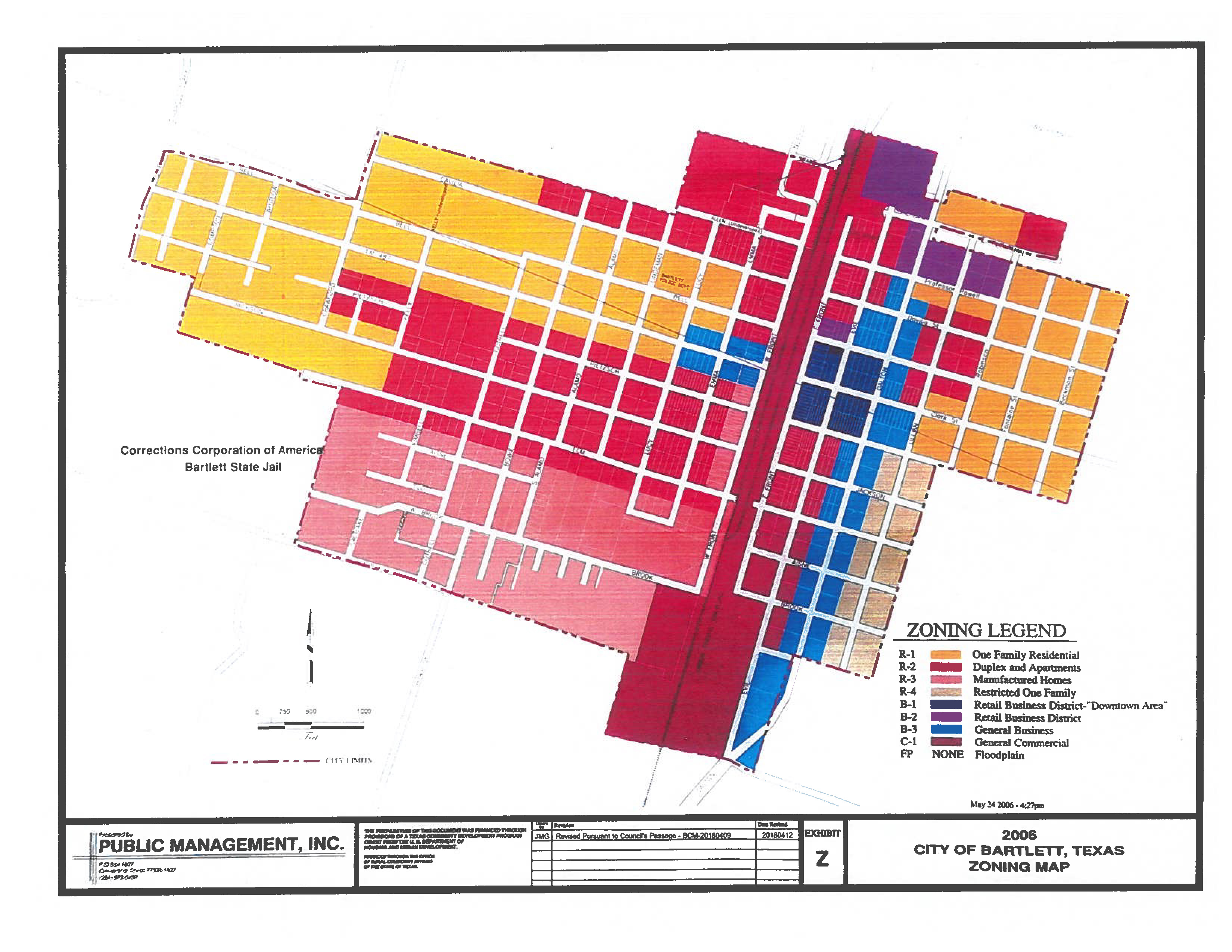
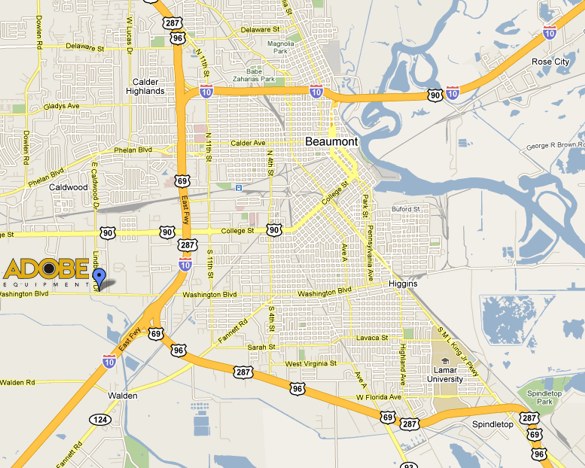
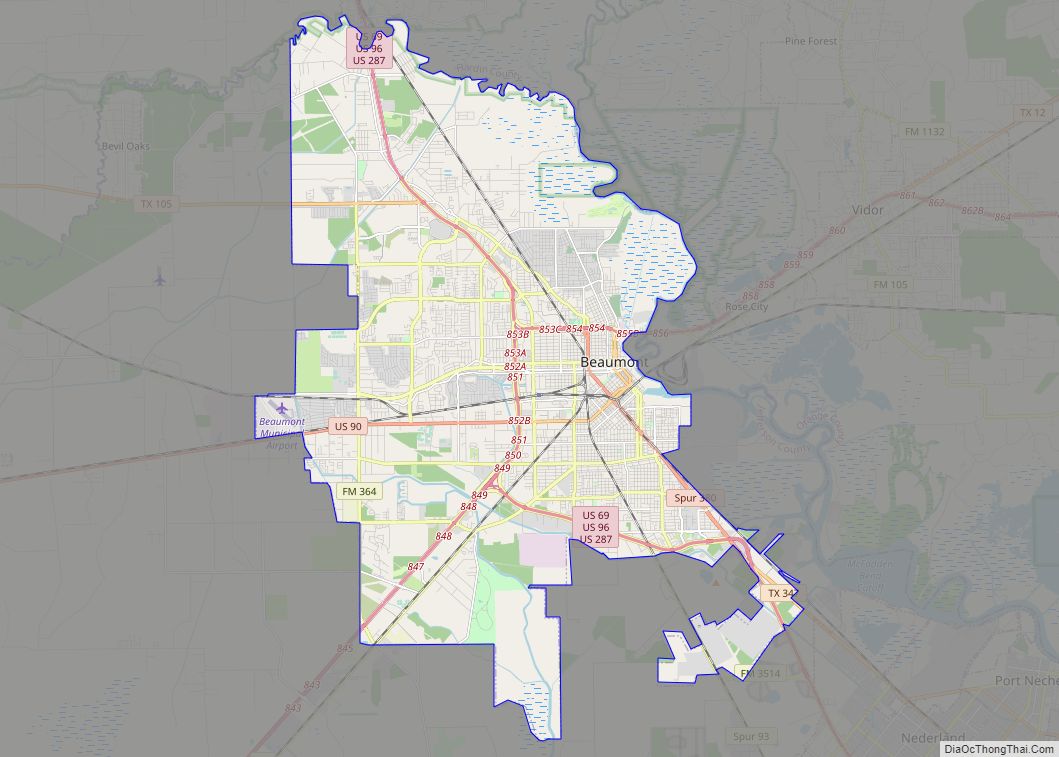
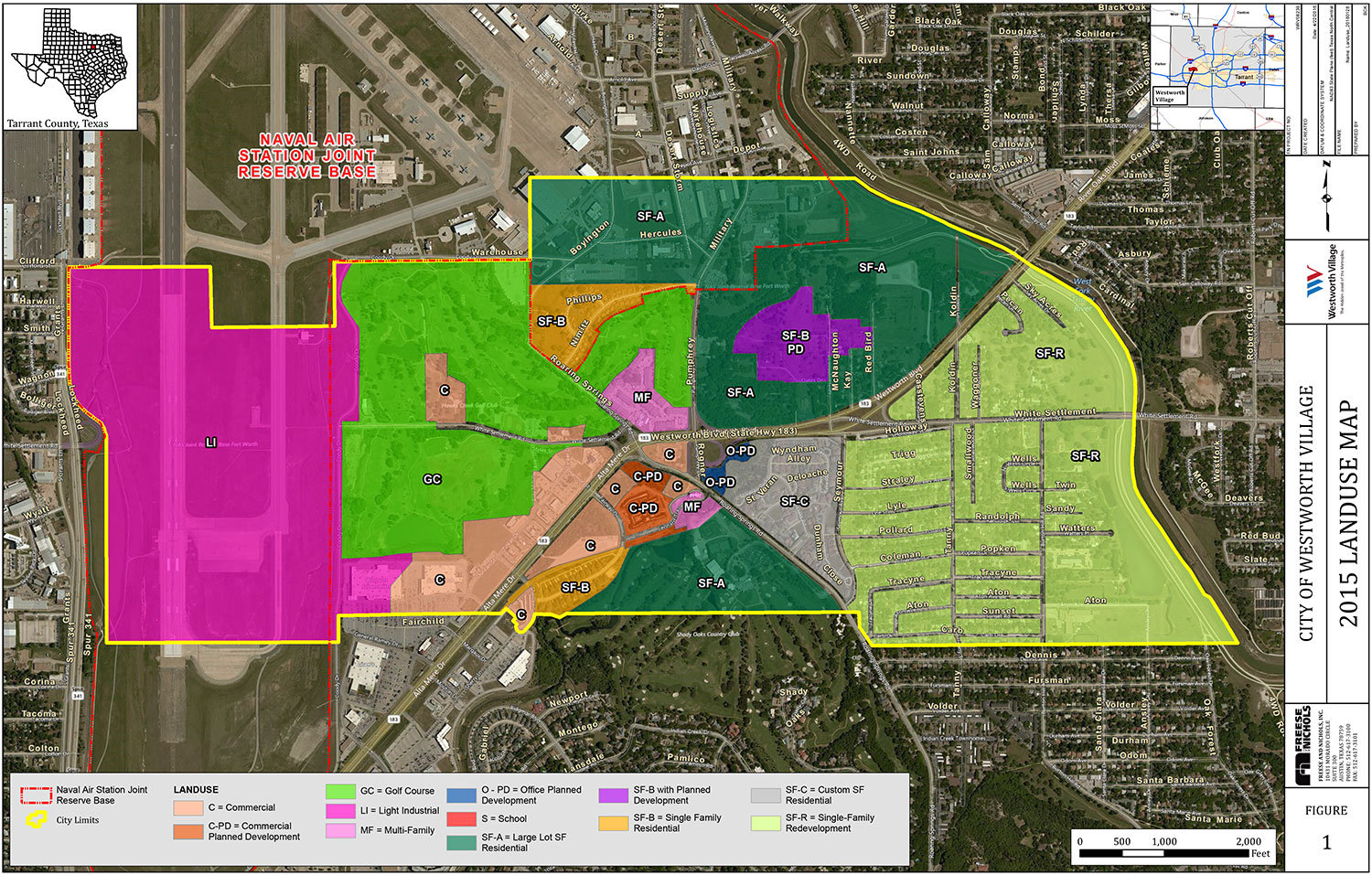
City Of Beaumont Texas Zoning Map

Understanding Beaumont, Texas Zoning and Its Impact on HVAC Systems
When planning an HVAC system installation or upgrade in Beaumont, Texas, understanding local zoning regulations is crucial. These regulations can significantly impact the type of system you can install, its placement, and even its efficiency. This guide explores Beaumont's zoning map and how it relates to heating, ventilation, and air conditioning systems.
Why Zoning Matters for HVAC
Zoning ordinances are put in place by cities like Beaumont to regulate land use and development. These ordinances often include guidelines that affect various aspects of construction and renovation, including HVAC systems. Ignoring these regulations can result in fines, delays, and even the forced removal or modification of your system. Knowing the zoning requirements up front helps avoid headaches and ensures your HVAC project proceeds smoothly.
Navigating the Beaumont Zoning Map
The City of Beaumont provides access to its zoning map and related information through its official website. Finding and understanding this map is the first step in ensuring your HVAC project complies with local regulations. Look for the "Planning & Community Development" or "Zoning" section of the Beaumont city website. While online versions are often available, consulting the Planning Department directly is recommended to confirm you have the most up-to-date information.
Common Zoning Classifications and HVAC Implications
Beaumont's zoning map will likely divide the city into various districts. Each district has its own set of rules regarding building size, setbacks, permissible uses, and other factors. Here are some common zoning classifications and their potential impact on HVAC systems:
- Residential Zones (R-1, R-2, R-3, etc.): These zones primarily focus on single-family and multi-family homes. HVAC regulations may include restrictions on noise levels, placement of outdoor units (condensers), and energy efficiency requirements. For example, some residential zones may require condensers to be screened from public view.
- Commercial Zones (C-1, C-2, C-3, etc.): These zones are designated for businesses and commercial activities. HVAC systems in commercial zones often face stricter regulations due to their larger size and potential impact on neighboring properties. Requirements may include noise restrictions, energy efficiency standards, and proper ventilation to prevent the spread of odors or pollutants.
- Industrial Zones (I-1, I-2, I-3, etc.): These zones are reserved for industrial activities, such as manufacturing and warehousing. HVAC systems in industrial zones must meet stringent standards for air quality, ventilation, and safety. Regulations may address the handling of hazardous materials, emissions control, and noise pollution.
- Mixed-Use Zones: These zones allow for a combination of residential and commercial uses. HVAC systems in mixed-use zones must comply with regulations for both residential and commercial properties, often requiring a balance between noise reduction, energy efficiency, and ventilation.
Key Zoning Considerations for HVAC Installations
Several zoning-related factors can directly affect your HVAC installation in Beaumont. Here's a breakdown of the most important considerations:
Setback Requirements
Setbacks dictate how far structures, including HVAC units, must be from property lines. Zoning ordinances usually specify setback distances for the front, sides, and rear of a property. Ensure your outdoor condenser unit complies with these setback requirements. Failure to do so could result in the unit being moved, leading to unnecessary expenses.
Noise Restrictions
Many Beaumont zoning ordinances include noise restrictions, especially in residential areas. These restrictions aim to minimize disturbances to neighbors. When choosing an HVAC system, consider its noise level (measured in decibels, dB). Opt for quieter models, and consider noise-dampening measures like vibration pads or enclosures to reduce noise pollution. Look for HVAC units with sound ratings below 70 dB for residential applications.
Screening Requirements
Some zoning regulations require outdoor HVAC units to be screened from public view. This may involve using fences, shrubs, or other landscaping elements to conceal the unit. Screening helps maintain the aesthetic appeal of the neighborhood and minimizes visual impact. Check with the Beaumont Planning Department to determine if screening is required in your zone and what materials are permitted.
Energy Efficiency Standards
Beaumont, like many cities, is increasingly focused on energy efficiency. Zoning ordinances may incorporate energy codes that mandate minimum efficiency standards for HVAC systems. These standards are often based on the International Energy Conservation Code (IECC) or similar models. Ensure your chosen HVAC system meets the required AFUE (Annual Fuel Utilization Efficiency) for furnaces, SEER (Seasonal Energy Efficiency Ratio) for air conditioners, and HSPF (Heating Season Performance Factor) for heat pumps. Higher ratings translate to lower energy bills and reduced environmental impact.
HVAC System Types and Zoning Compliance
The type of HVAC system you choose can also affect its compliance with Beaumont zoning regulations. Here's a brief overview of common HVAC systems and their potential zoning implications:
Central Air Conditioning
Central air conditioning systems are the most common type of HVAC system in Beaumont. They consist of an indoor air handler and an outdoor condenser unit. Zoning considerations primarily revolve around the placement of the condenser unit, noise levels, and screening requirements.
Heat Pumps
Heat pumps provide both heating and cooling. They operate similarly to central air conditioners but can reverse the flow of refrigerant to provide heat in the winter. Heat pumps have the same zoning considerations as central air conditioners, with added emphasis on HSPF ratings for heating efficiency.
Ductless Mini-Split Systems
Ductless mini-split systems consist of an outdoor condenser unit and one or more indoor air handlers mounted on walls or ceilings. Mini-splits offer greater flexibility in placement and can be a good option for homes where ductwork is not feasible. Zoning considerations for mini-splits include the placement of the outdoor condenser and the visibility of the indoor air handlers.
Furnaces
Furnaces provide heating by burning natural gas, propane, or oil. Zoning considerations for furnaces primarily focus on venting requirements and safety regulations. Ensure the furnace is properly vented to prevent carbon monoxide poisoning and that the venting system complies with local codes.
Popular HVAC Brands and Models: Meeting Beaumont's Standards
Several HVAC brands offer systems that meet Beaumont's energy efficiency and noise level requirements. Here are some popular brands and models:
- Carrier: Carrier offers a wide range of HVAC systems, including high-efficiency furnaces, air conditioners, and heat pumps. Their Infinity series is known for its advanced features and quiet operation. Consider the Carrier Infinity 24VNA9 for high SEER ratings and variable speed operation.
- Trane: Trane is another leading HVAC manufacturer known for its reliability and durability. Their XV series features variable-speed compressors and quiet operation. The Trane XV20i is a popular high-efficiency model.
- Lennox: Lennox offers a range of HVAC systems, including energy-efficient furnaces, air conditioners, and heat pumps. Their Signature series is known for its quiet operation and advanced features. Check out the Lennox SL280V furnace for high AFUE ratings.
- Goodman: Goodman provides cost-effective HVAC solutions without sacrificing quality. Their units often have competitive pricing.
- Mitsubishi Electric: Specializing in ductless mini-split systems, Mitsubishi Electric offers highly efficient and quiet options. Their Mr. Slim series is a popular choice for residential and commercial applications.
Warranties and Maintenance: Protecting Your Investment
A comprehensive warranty is essential for protecting your HVAC investment. Most HVAC manufacturers offer warranties on their products, typically covering parts and labor for a specified period. Read the warranty carefully to understand what is covered and what is excluded. Regular maintenance is also crucial for extending the life of your HVAC system and maintaining its efficiency. Schedule annual maintenance inspections with a qualified HVAC technician to ensure your system is running smoothly.
Working with HVAC Professionals in Beaumont
Navigating Beaumont's zoning regulations and choosing the right HVAC system can be complex. It's highly recommended to work with a licensed and experienced HVAC contractor who is familiar with local codes and requirements. A qualified contractor can help you select the right system for your needs, ensure it complies with zoning regulations, and install it properly. Be sure to obtain multiple quotes from different contractors and ask for references.
Finding the Right HVAC System in Beaumont
Choosing the right HVAC system for your Beaumont home or business requires careful consideration of zoning regulations, energy efficiency standards, noise restrictions, and your specific heating and cooling needs. By understanding the zoning map, consulting with local authorities, and working with a qualified HVAC contractor, you can ensure your HVAC project proceeds smoothly and results in a comfortable, efficient, and compliant system. Always prioritize safety, efficiency, and compliance to avoid potential issues down the road.