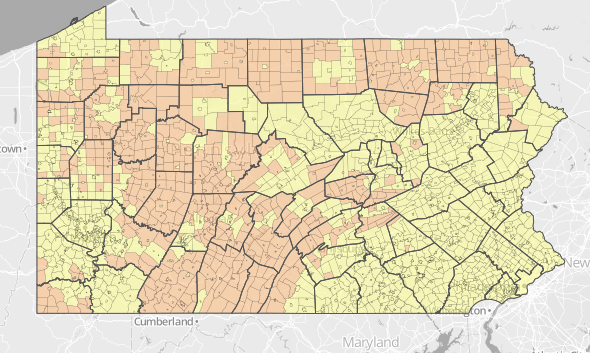
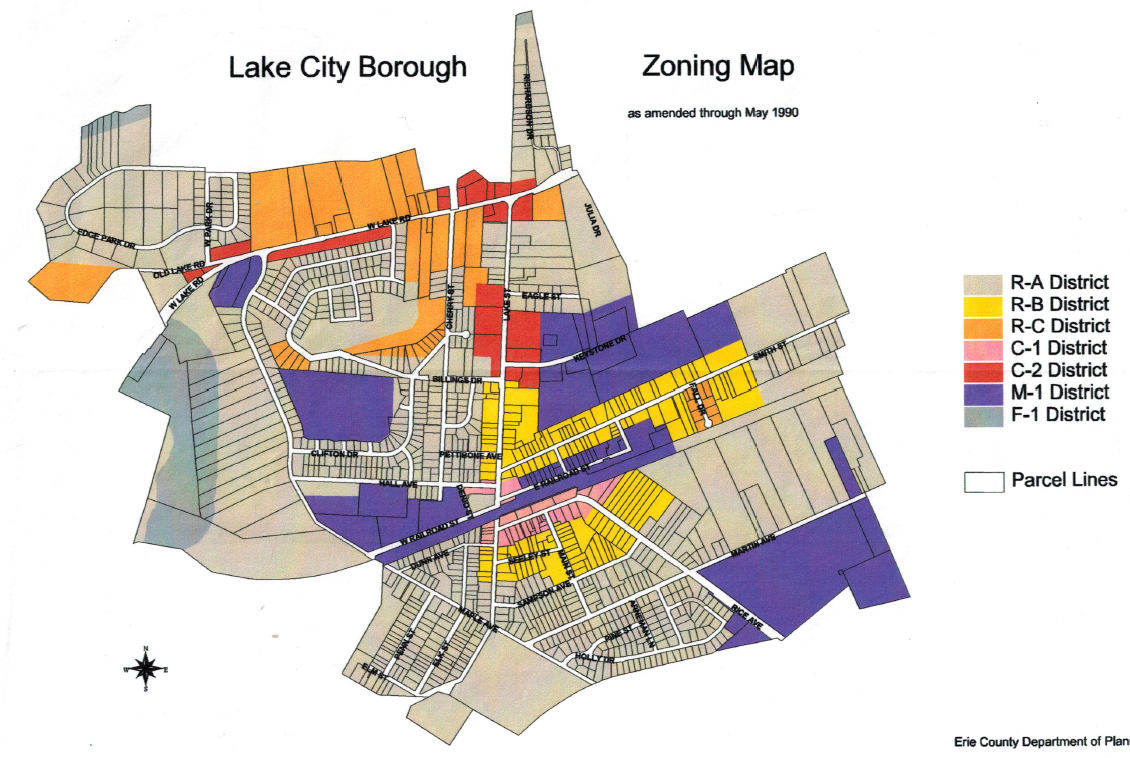
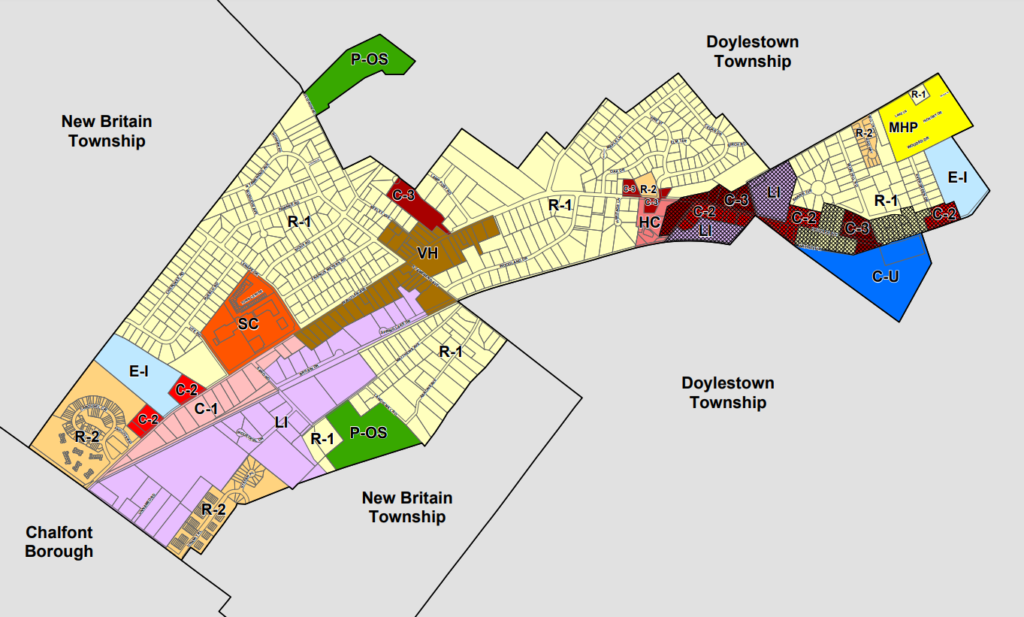
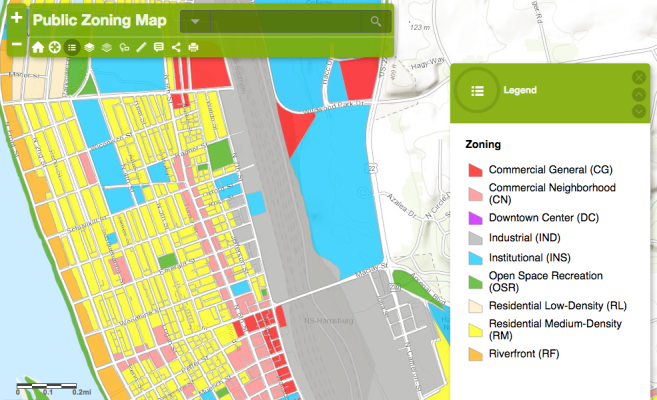
City Of Harrisburg Pa Zoning Map
One of the most common frustrations homeowners face, especially in a city like Harrisburg, PA, is inconsistent heating or cooling. Imagine this: upstairs rooms are stiflingly hot in the summer while the downstairs stays reasonably cool, or in winter, the living room is a cozy haven while the bedrooms are frigid. Before you jump to expensive conclusions about needing a new HVAC system, let's explore some troubleshooting steps you can take.
Diagnosing Inconsistent Heating and Cooling: A Step-by-Step Guide
This guide focuses on a systematic approach to identifying the cause of temperature discrepancies in your home. We’ll start with the easy checks and gradually move towards those requiring more attention. Remember, safety is paramount. If you're ever unsure, call a professional.
Step 1: Initial Observations (No Tools Required)
Before you even grab a screwdriver, start with your senses. This is about gathering information.
- Feel the Airflow: Walk around your home and feel the airflow coming from each vent. Is the airflow strong, weak, or nonexistent in the problem areas? Make a note of the airflow strength in each room. A noticeable difference is a major clue.
- Check Vent Obstructions: Are any vents blocked by furniture, rugs, or curtains? Even partial obstructions can significantly reduce airflow. Make sure nothing is physically preventing air from escaping the vents.
- Listen to Your System: When the HVAC system is running, listen for unusual noises. Banging, rattling, or hissing sounds can indicate mechanical issues. Note when and where these sounds are most pronounced.
- Assess Window and Door Seals: Poorly sealed windows and doors are notorious for letting in drafts and heat loss. Feel around the edges of windows and doors for any drafts. Pay close attention to older windows or those that don't close tightly.
- Examine Insulation (Visual): If you have access to your attic or crawl space, visually inspect the insulation. Is it evenly distributed? Is it damp or damaged? Note any areas where insulation is missing or compressed. While you can see it is missing or damaged, avoid moving it due to potential asbestos in older homes.
Step 2: Thermostat Check
The thermostat is the brain of your HVAC system. A misconfigured or malfunctioning thermostat can cause all sorts of problems.
- Verify Thermostat Settings: Ensure the thermostat is set to the correct mode (heat or cool) and temperature. It sounds obvious, but it's easy to accidentally change settings.
- Check Thermostat Location: Is the thermostat located in a spot that gets direct sunlight or near a heat source? This can trick the thermostat into thinking the entire house is warmer or cooler than it actually is. Relocating a thermostat might require professional help.
- Check Battery Life: If your thermostat has batteries, ensure they are fresh. Low batteries can cause erratic readings and malfunctions. Change the batteries and see if the problem persists.
Step 3: Air Filter Inspection
A dirty air filter is one of the most common causes of HVAC problems. It restricts airflow, making your system work harder and less efficiently.
- Locate Your Air Filter: The air filter is usually located near the air handler or furnace. Consult your owner's manual if you're unsure where to find it.
- Inspect the Filter: Remove the filter and hold it up to the light. If you can barely see through it, it's time to replace it. A visibly dirty filter is a clear indication of a problem.
- Replace the Filter: Replace the dirty filter with a new one of the correct size and type. Make sure the airflow direction arrow on the filter is pointing in the right direction.
- Note the Filter's Condition: How dirty was the filter? Was it extremely clogged? This can give you insight into how frequently you need to change your filter. Consider setting a reminder to check it monthly.
Step 4: Ductwork Assessment (Visual, Limited Access)
Ductwork distributes air throughout your home. Leaky or poorly insulated ducts can lead to significant energy loss and temperature imbalances.
- Examine Accessible Ductwork: Visually inspect any ductwork that's visible in your attic, basement, or crawl space. Look for obvious signs of damage, such as tears, holes, or disconnected sections.
- Feel for Air Leaks: With the HVAC system running, feel around the joints and seams of the ductwork for air leaks. You might feel a draft escaping from cracks or gaps.
- Check Ductwork Insulation: Ensure the ductwork is properly insulated, especially in unconditioned spaces like attics and crawl spaces. Look for areas where the insulation is damaged or missing.
Step 5: Outdoor Unit Inspection (AC Condenser or Heat Pump)
The outdoor unit plays a crucial role in cooling or heating your home. Keep it clear and in good working order.
- Clear Debris: Ensure the area around the outdoor unit is clear of debris, such as leaves, branches, and grass clippings. Obstructions can restrict airflow and reduce efficiency. Maintain at least 2 feet of clear space around the unit.
- Check Fins: Examine the fins on the outdoor unit for damage or debris. Straighten any bent fins carefully with a fin comb (available at most hardware stores).
- Listen to the Unit: When the unit is running, listen for unusual noises, such as rattling, grinding, or buzzing. These could indicate mechanical problems.
DIY Solutions & When to Call a Professional
Based on your observations, here's a breakdown of possible DIY solutions and situations that warrant professional assistance.
DIY Solutions (If the Problem is Simple)
- Blocked Vents: Simply remove the obstruction.
- Dirty Air Filter: Replace the filter.
- Drafty Windows and Doors: Seal cracks and gaps with weather stripping or caulk.
- Minor Ductwork Leaks: Seal small leaks with duct tape (though professional sealing with mastic is recommended for a lasting solution).
- Thermostat Settings: Adjust thermostat settings to ensure proper operation.
- Clear Debris from Outdoor Unit: Remove any obstructions around the outdoor unit.
When to Call a Professional HVAC Technician
Do not attempt repairs beyond your skill level. Incorrect repairs can be dangerous and costly. If you encounter any of the following situations, it's time to call a qualified HVAC technician:
- Refrigerant Leaks: Refrigerant leaks are a serious environmental and health hazard. Never attempt to handle refrigerant yourself.
- Electrical Issues: If you suspect any electrical problems with your HVAC system, such as a tripped breaker or burning smell, immediately turn off the power and call a professional electrician or HVAC technician.
- Mechanical Problems: Unusual noises, such as banging, rattling, or grinding, often indicate mechanical problems that require professional diagnosis and repair.
- Complex Ductwork Issues: Major ductwork repairs or modifications should be handled by a qualified HVAC technician. This includes duct sealing, insulation replacement, and ductwork redesign.
- Unit Not Turning On: If your HVAC system won't turn on at all, it could be a sign of a major problem that requires professional attention. Check the breaker first, but if it continues, call a professional.
- Uneven Heating/Cooling Persists: If you've tried the DIY solutions and the uneven heating/cooling persists, a professional can perform a more thorough inspection and identify the underlying cause.
- You are Uncomfortable: If you don't feel comfortable working around electrical components or handling potentially hazardous materials, it's best to err on the side of caution and call a professional.
- Older System: If you live in an older home in Harrisburg, PA, your system might be aging. A professional can offer options for improvements and efficiency upgrades.
Specific Considerations for Harrisburg, PA Homes
Homes in Harrisburg, PA, particularly older homes in historic districts, often present unique challenges for heating and cooling.
- Older Homes: Many older homes have single-pane windows, poor insulation, and outdated ductwork. These factors can contribute to significant energy loss and temperature imbalances. Consider upgrading windows, adding insulation, and sealing ductwork.
- Row Homes: Row homes can present unique challenges due to shared walls. Proper insulation and air sealing are crucial for maintaining comfortable temperatures and reducing energy costs.
- Humidity: Harrisburg summers can be humid. Make sure your air conditioner is properly sized and functioning efficiently to remove excess moisture from the air.
- Zoning Regulations: If you're planning any major HVAC upgrades or renovations, be sure to check with the City of Harrisburg's zoning regulations to ensure compliance. While the zoning map itself won't directly solve your heating/cooling issues, ensuring your upgrades comply with regulations can prevent future headaches.
Conclusion
Troubleshooting inconsistent heating and cooling can seem daunting, but by following these steps, you can often identify and resolve the problem yourself. Remember to prioritize safety and call a professional when necessary. By being proactive and addressing issues promptly, you can ensure a comfortable and energy-efficient home in Harrisburg, PA.