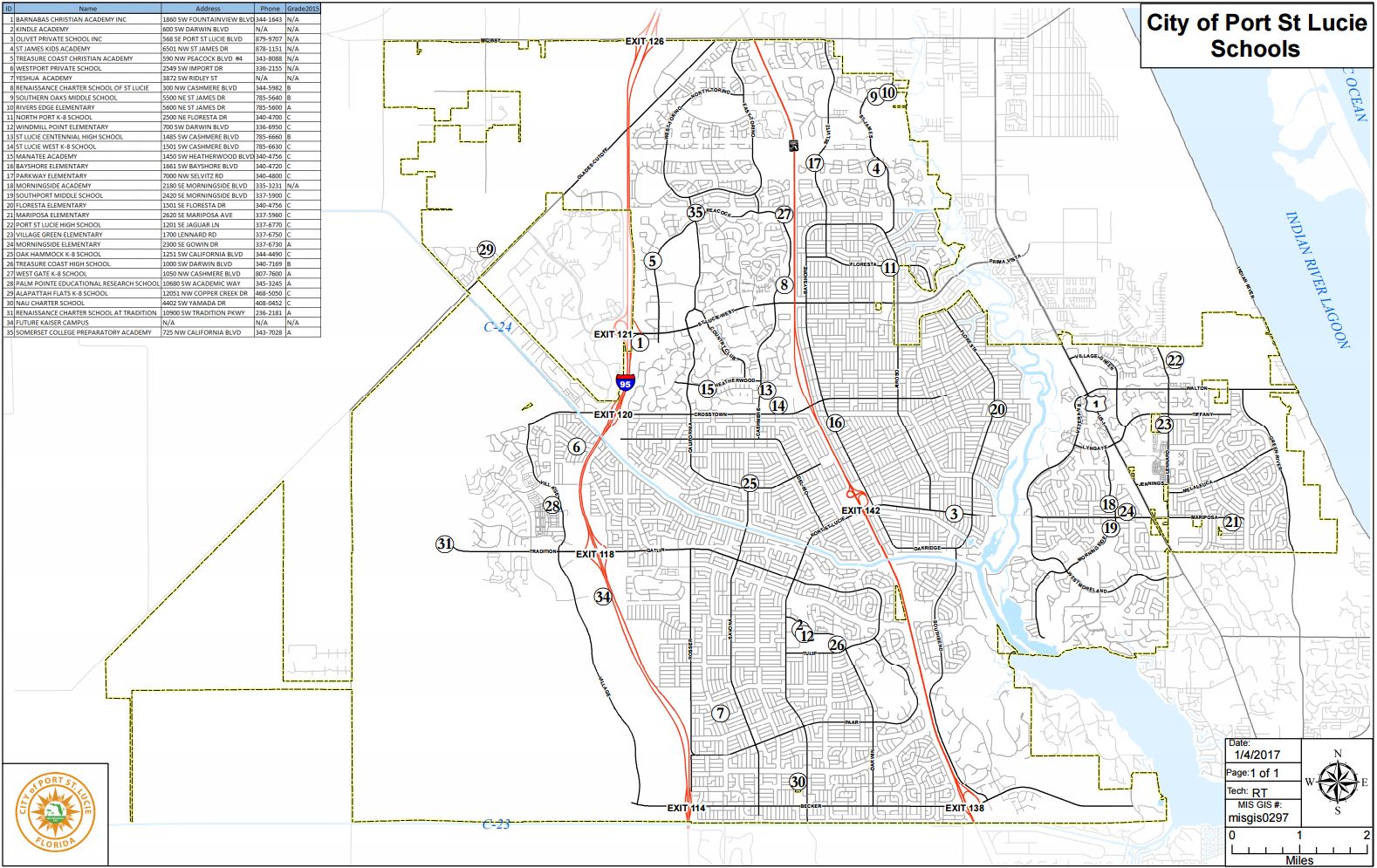
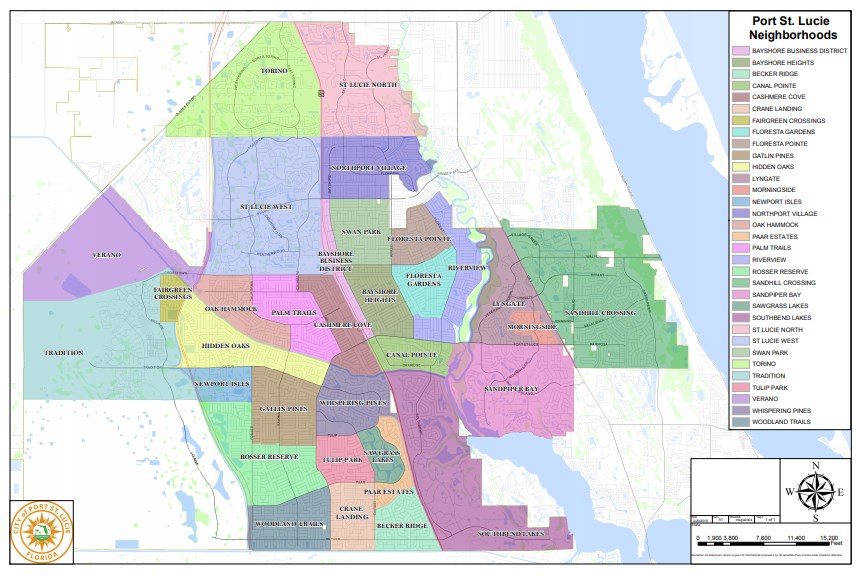
City Of Port St Lucie Zoning Map

Understanding Port St. Lucie Zoning and Its Impact on HVAC Systems
Navigating the complexities of zoning regulations can be a daunting task for homeowners, real estate investors, and even experienced HVAC contractors. In Port St. Lucie, Florida, understanding the local zoning map is crucial when installing, replacing, or upgrading your heating, ventilation, and air conditioning (HVAC) system. This guide will delve into the key aspects of Port St. Lucie's zoning ordinances and how they relate to HVAC considerations.
Why Does Zoning Matter for HVAC?
Zoning regulations in Port St. Lucie dictate various aspects of property development and usage. While they don't directly specify *which* HVAC system you can buy, they can influence *where* and *how* you install it, and even impose restrictions related to noise levels or aesthetic concerns. For example, regulations may affect the placement of outdoor condenser units, requiring them to be set back a certain distance from property lines or obscured from public view.
Failing to comply with zoning ordinances can result in costly fines, delays in installation, or even the need to relocate or modify your HVAC equipment. Therefore, understanding the zoning map and relevant regulations *before* making any significant investment in a new HVAC system is paramount.
Decoding the Port St. Lucie Zoning Map
The official zoning map of Port St. Lucie is available through the city's official website or planning department. The map uses a color-coded system to delineate different zoning districts, each with its own specific set of regulations. Key zoning districts you might encounter include:
- Residential (R) Zones: These zones are primarily for single-family homes, townhouses, and multi-family dwellings. HVAC restrictions in these zones often focus on noise levels and the visual impact of outdoor equipment.
- Commercial (C) Zones: These zones are designated for businesses, retail establishments, and office buildings. HVAC requirements in commercial zones may address energy efficiency, ventilation rates, and potentially stricter noise ordinances due to proximity to residential areas.
- Industrial (I) Zones: These zones are reserved for manufacturing, warehousing, and other industrial activities. HVAC considerations in these zones will likely center on industrial-grade systems, ventilation for specialized processes, and compliance with environmental regulations.
- Planned Unit Development (PUD) Zones: These zones allow for flexibility in development, often combining residential, commercial, and recreational uses. PUDs usually have their own specific sets of regulations, including those pertaining to HVAC systems.
When examining the zoning map, pay close attention to the specific zoning designation of your property. You can typically find this information by entering your address into the city's online mapping system. Once you know your zoning designation, consult the city's zoning code for the detailed regulations that apply.
Key HVAC Considerations Based on Zoning
Here are some specific HVAC considerations that might be influenced by zoning regulations in Port St. Lucie:
- Placement of Outdoor Units: Many zoning ordinances specify minimum setback distances from property lines for outdoor condenser units. These setbacks are intended to minimize noise and visual impact on neighboring properties. Regulations may also dictate whether the unit needs to be screened by landscaping or fencing.
- Noise Levels: Port St. Lucie has noise ordinances in place to protect residents from excessive noise pollution. These ordinances may specify maximum allowable decibel levels for HVAC equipment, particularly during nighttime hours. When selecting an HVAC system, look for models with low noise ratings.
- Energy Efficiency Requirements: While not directly dictated by zoning, building codes in Port St. Lucie, which are influenced by zoning, increasingly emphasize energy efficiency. This means selecting HVAC systems with high AFUE (Annual Fuel Utilization Efficiency) ratings for furnaces, SEER (Seasonal Energy Efficiency Ratio) ratings for air conditioners, and HSPF (Heating Seasonal Performance Factor) ratings for heat pumps.
- Permitting: Most HVAC installations and replacements require a permit from the city's building department. The permitting process ensures that the installation complies with all applicable building codes and zoning regulations.
Popular HVAC Brands and Models for Port St. Lucie
Given Port St. Lucie's hot and humid climate, selecting an HVAC system that can efficiently and reliably cool your home is essential. Here are some popular brands and models that are well-suited for the area:
- Trane: Known for their durability and reliability, Trane offers a wide range of air conditioners, heat pumps, and furnaces. Their XV20i variable-speed air conditioner boasts a SEER rating of up to 20, making it an excellent choice for energy-conscious homeowners.
- Carrier: Carrier is another leading HVAC brand with a reputation for innovation and performance. Their Infinity 26 air conditioner features a SEER rating of up to 26 and offers advanced features like zone control and smart home integration.
- Rheem: Rheem provides a balance of quality and affordability, making them a popular choice for budget-minded homeowners. Their Prestige Series air conditioners offer SEER ratings of up to 20 and come with a 10-year limited warranty.
- Goodman: Goodman is known for offering competitive pricing on a variety of HVAC systems. Their air conditioners and heat pumps are a good option for those looking for a value-driven choice without sacrificing performance.
Example Model Comparison
Let's compare two popular models:
| Feature | Trane XV20i | Carrier Infinity 26 |
|---|---|---|
| SEER Rating | Up to 20 | Up to 26 |
| Sound Level | As low as 55 dB | As low as 51 dB |
| Warranty | 10-Year Limited Warranty on Compressor and Parts | 10-Year Limited Warranty on Compressor and Parts |
| Key Features | Variable-Speed Compressor, ComfortLink II Communicating Technology | Variable-Speed Compressor, Greenspeed Intelligence, Smart Home Integration |
Understanding Warranties and Maintenance
A comprehensive warranty is crucial for protecting your investment in a new HVAC system. Most major brands offer a standard warranty on parts, typically ranging from 5 to 10 years. Extended warranties, which cover labor costs, are also available for an additional fee.
Regular maintenance is essential for prolonging the life of your HVAC system and ensuring optimal performance. Schedule annual maintenance appointments with a qualified HVAC technician. Maintenance tasks typically include:
- Cleaning or replacing air filters
- Inspecting and cleaning coils
- Checking refrigerant levels
- Inspecting and lubricating moving parts
- Testing electrical components
Neglecting maintenance can void your warranty and lead to costly repairs down the road. Consider a maintenance agreement with an HVAC company for regular check-ups and discounted service.
Working with HVAC Contractors in Port St. Lucie
Choosing a reputable and experienced HVAC contractor is crucial for a successful installation. Look for contractors who are licensed, insured, and have a proven track record of quality workmanship. Ask for references and read online reviews before making a decision.
A good contractor will:
- Assess your home's heating and cooling needs
- Recommend the right size and type of HVAC system
- Obtain all necessary permits
- Install the system according to manufacturer's specifications and local codes
- Provide training on how to operate and maintain the system
Remember to get multiple quotes from different contractors before making a final decision. Don't base your decision solely on price; consider the contractor's experience, reputation, and the quality of the equipment they offer.
The Impact of Coastal Regulations
Being a coastal city, Port St. Lucie may also have additional regulations pertaining to HVAC systems due to the potential for salt air corrosion. Consider systems with corrosion-resistant coatings and materials, and discuss specific coastal considerations with your chosen HVAC contractor.
Conclusion
Understanding the zoning map and associated regulations in Port St. Lucie is a vital step in ensuring a smooth and compliant HVAC installation. By considering the factors outlined in this guide, you can make informed decisions about your heating and cooling needs, select the right equipment, and work with a qualified contractor to achieve optimal comfort and efficiency in your home.