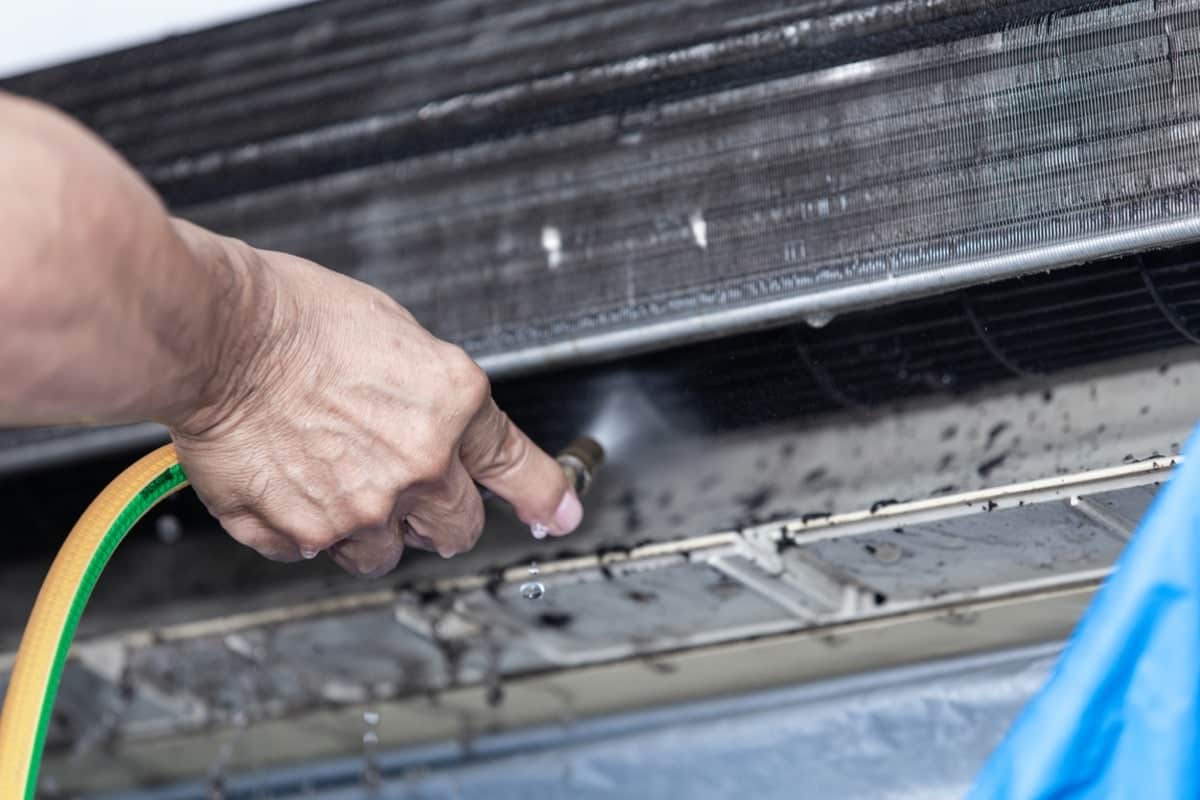
Clean The Evaporator Coil And Drain Pan
Frequently Asked Questions About Cleaning Your AC Evaporator Coil and Drain Pan
Your air conditioner's evaporator coil and drain pan are essential components for efficient cooling. Neglecting their maintenance can lead to poor performance, increased energy costs, and even health problems. Here are some common questions and answers to help you understand why cleaning these parts is crucial and how to do it right.
Question 1: What exactly are the evaporator coil and drain pan, and what do they do?
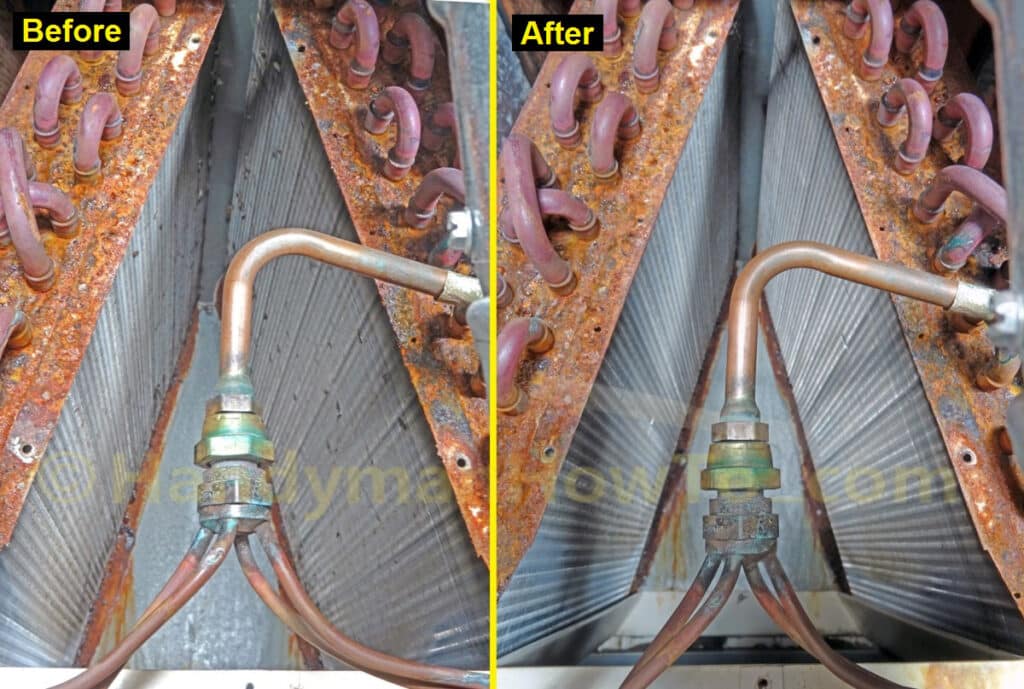
The evaporator coil is a set of metal fins, usually made of aluminum or copper, located inside your air handler unit. It's where the refrigerant absorbs heat from the air blowing across it, cooling the air before it's circulated through your home or building. Think of it as the engine of your cooling system.
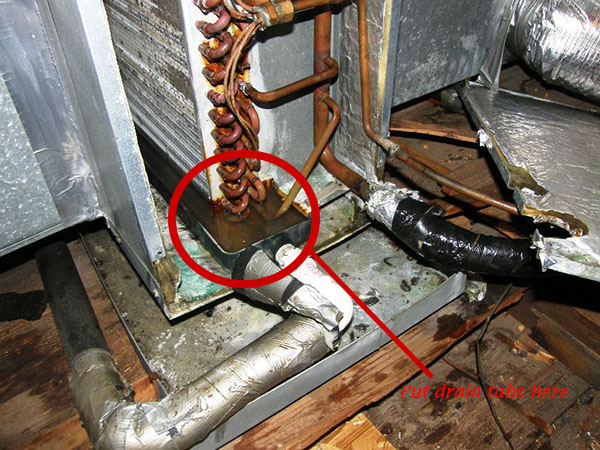
The drain pan is located directly beneath the evaporator coil. Its purpose is to collect the condensation that forms on the cold coil as it cools the air. This water then flows out through a drain line, ideally to an exterior drain or a condensate pump.
Question 2: Why is it important to clean the evaporator coil and drain pan?
Cleaning your evaporator coil and drain pan is critical for several reasons:
- Improved Cooling Efficiency: A dirty coil can't transfer heat efficiently. Dirt and dust act as insulation, reducing the cooling capacity of your AC unit. Cleaning it restores its ability to cool effectively, saving you money on energy bills.
- Better Air Quality: Mold, mildew, and bacteria can thrive in the damp environment of a dirty coil and drain pan. These contaminants can be circulated throughout your home, causing allergy symptoms, respiratory problems, and other health issues. Cleaning helps maintain a healthier indoor environment.
- Prevention of Water Damage: A clogged drain pan or drain line can cause water to overflow, leading to water damage to your ceilings, walls, and floors. Regular cleaning prevents these costly repairs.
- Extended AC Lifespan: Overworking a dirty AC system puts extra strain on its components, leading to premature wear and tear. Cleaning helps your system run more efficiently and last longer.
- Reduced Energy Costs: When the AC unit is clean, it does not have to overwork itself. This will reduce your energy consumption and lower your monthly bills.
Question 3: How often should I clean my evaporator coil and drain pan?
The frequency of cleaning depends on several factors, including:
- Air Quality: If you live in a dusty or polluted area, or if you have pets, you may need to clean more frequently.
- AC Usage: If you use your AC system frequently, it's more likely to accumulate dirt and debris.
- Filter Maintenance: Regular air filter changes significantly reduce the amount of dust and debris that reaches the coil and drain pan.
As a general rule, you should inspect your evaporator coil and drain pan at least once a year, preferably in the spring before the cooling season begins. If you notice any signs of dirt, mold, or standing water, clean them immediately. Many professionals recommend a professional cleaning every 1-3 years for optimal performance and longevity.
Question 4: Can I clean the evaporator coil and drain pan myself, or do I need to call a professional?
You can clean the drain pan yourself, and depending on your comfort level and the complexity of your system, you may also be able to clean the evaporator coil. Here's a breakdown:
- Drain Pan: Cleaning the drain pan is usually a relatively straightforward DIY task. You can typically access the drain pan by removing an access panel on your air handler. You'll need to remove any standing water and debris, and then clean the pan with a mild detergent or a specialized drain pan cleaner. You can also use a wet/dry vacuum to remove debris.
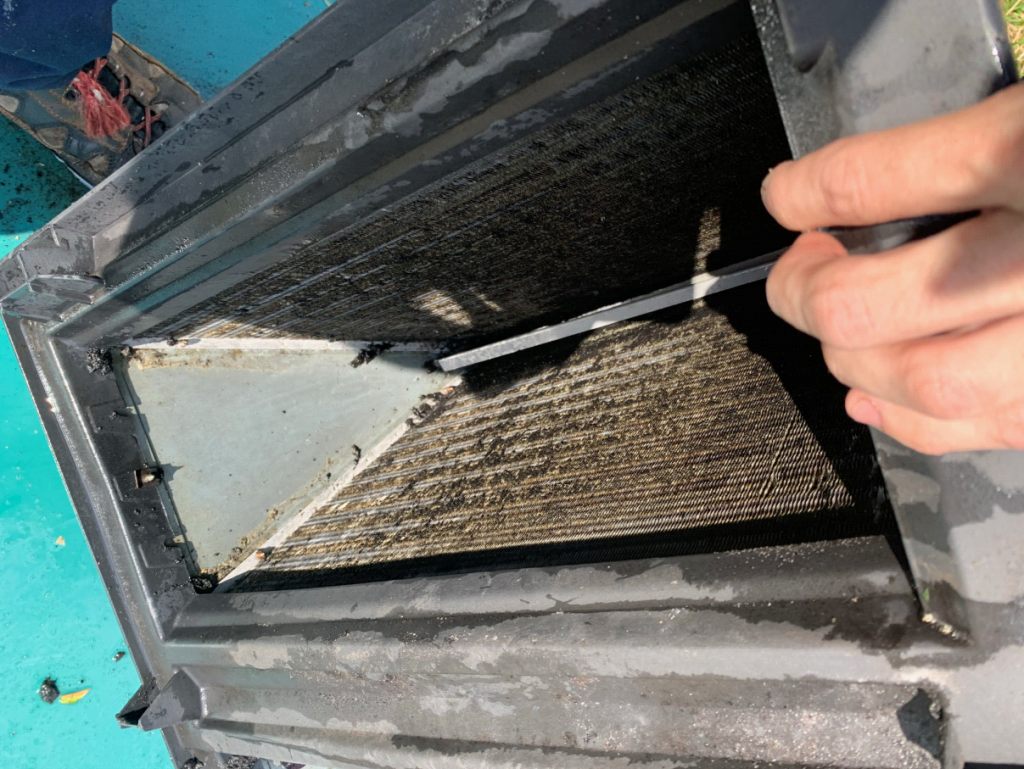
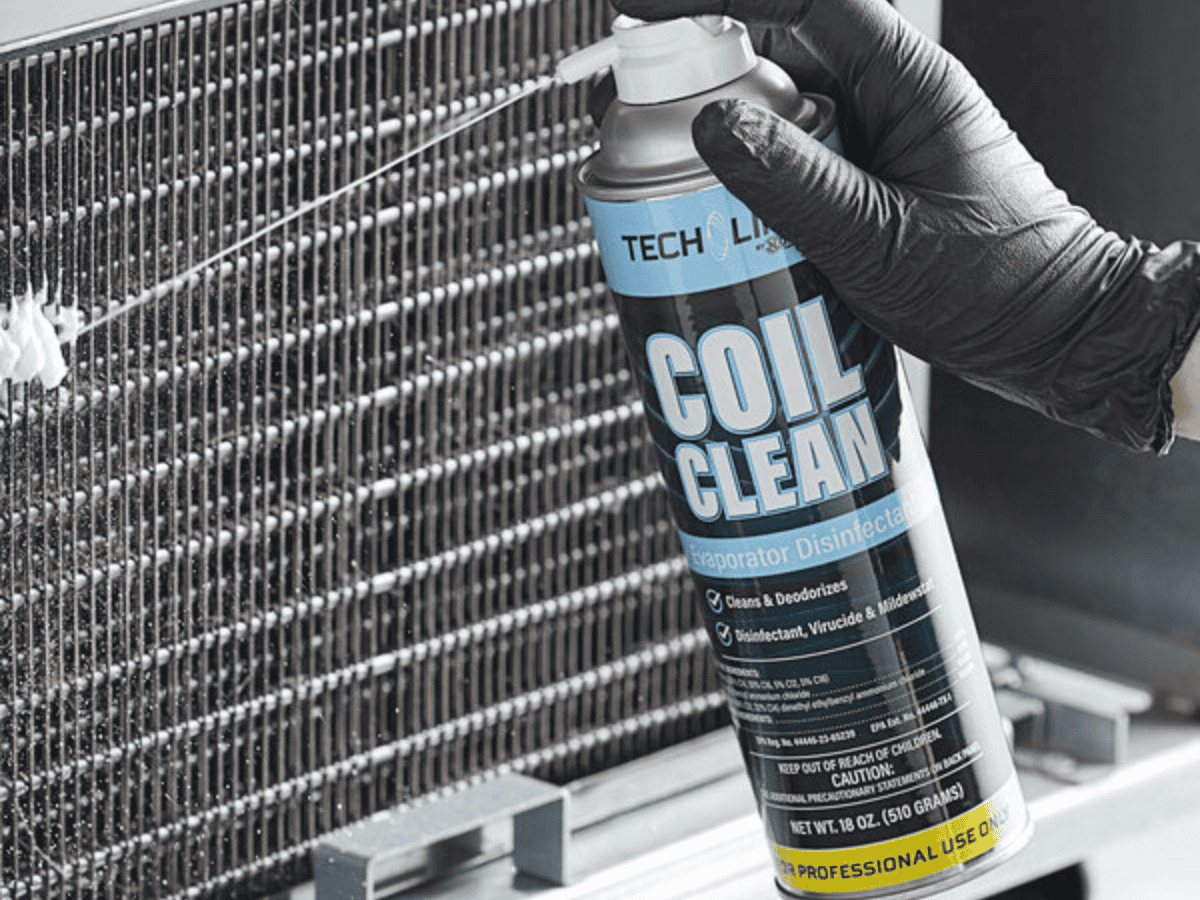
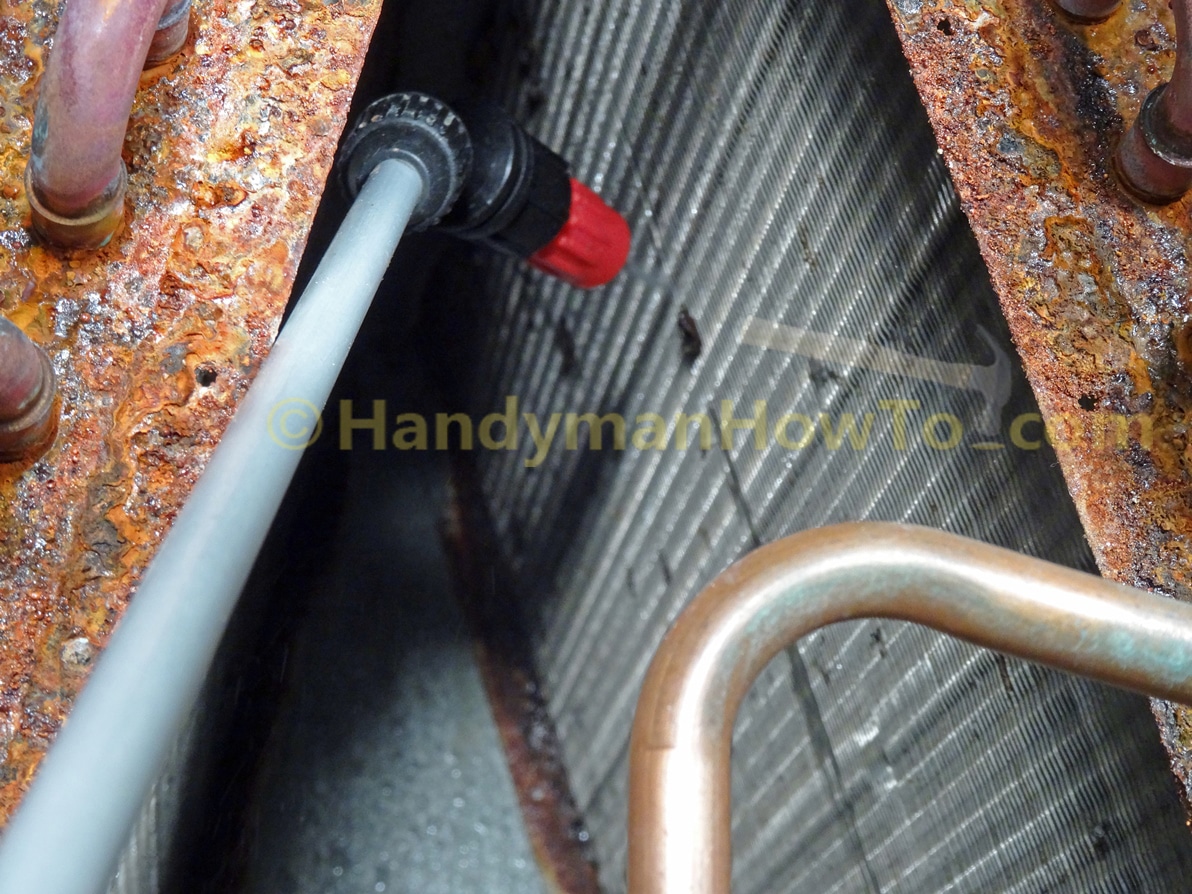
- Evaporator Coil: Cleaning the evaporator coil is more involved and requires more caution. You'll need to disconnect the power to your AC unit and remove the access panel to the coil. Use a soft brush or a fin comb to gently remove any loose dirt and debris. Then, apply a specialized evaporator coil cleaner, following the manufacturer's instructions carefully. Be sure to avoid bending the delicate fins.
When to call a professional:
- If you're not comfortable working with electrical components.
- If you're unsure how to access the evaporator coil or drain pan.
- If the coil is heavily soiled or has significant mold growth.
- If you suspect a refrigerant leak.
- If you don't have the proper tools or cleaning supplies.
A professional HVAC technician has the expertise and equipment to thoroughly clean your evaporator coil and drain pan without damaging the system. They can also identify and address any underlying issues, such as refrigerant leaks or airflow problems.
Question 5: What tools and supplies do I need to clean the evaporator coil and drain pan myself?
If you decide to clean your evaporator coil and drain pan yourself, gather the following tools and supplies:
- Screwdriver: To remove access panels.
- Wet/Dry Vacuum: To remove standing water and debris.
- Soft Brush or Fin Comb: To gently remove dirt and debris from the coil. Avoid using a stiff brush, as it can damage the fins.
- Evaporator Coil Cleaner: Use a cleaner specifically designed for evaporator coils. Avoid using harsh chemicals or solvents, as they can damage the coil. Some cleaners are "no-rinse," while others require rinsing with water after application. Follow the manufacturer's instructions carefully.
- Drain Pan Cleaner: A mild detergent or a specialized drain pan cleaner.
- Gloves and Safety Glasses: To protect your hands and eyes from chemicals and contaminants.
- Flashlight: To illuminate the area you're working on.
- Rags or Towels: To wipe up spills and clean surfaces.
- Small Brush: A small brush like a toothbrush can be used to clean hard-to-reach areas in the drain pan.
Safety First: Always disconnect the power to your AC unit before starting any cleaning or maintenance work. Wear gloves and safety glasses to protect yourself from chemicals and contaminants. Work in a well-ventilated area.
Question 6: What are some signs that my evaporator coil or drain pan needs cleaning?
Be on the lookout for these warning signs that your evaporator coil or drain pan might need cleaning:
- Reduced Cooling Performance: Your AC system isn't cooling as well as it used to.
- Increased Energy Bills: Your energy bills are higher than usual, even though you haven't changed your usage habits.
- Musty Odor: A musty or moldy odor coming from your vents.
- Visible Mold or Mildew: Visible mold or mildew growth on the evaporator coil or in the drain pan.
- Water Leaks: Water leaking from your air handler unit or around the base of your AC system.
- Clogged Drain Line: Water backing up in the drain pan or overflowing onto the floor. You may notice water stains.
- Unusual Noises: Gurgling sounds coming from the AC unit.
If you notice any of these signs, it's time to inspect your evaporator coil and drain pan. If they're dirty, clean them promptly to prevent further problems.
Question 7: How can I prevent my evaporator coil and drain pan from getting dirty in the first place?
Prevention is key to keeping your evaporator coil and drain pan clean and functioning properly. Here are some preventive measures you can take:
- Change Your Air Filter Regularly: This is the most important thing you can do to keep your AC system clean. Change your air filter every 1-3 months, or more often if you have pets or allergies.
- Schedule Regular AC Maintenance: Have your AC system professionally inspected and maintained at least once a year. A technician can clean the coil and drain pan, check for refrigerant leaks, and identify any other potential problems.
- Use a High-Quality Air Filter: Consider using a high-efficiency particulate air (HEPA) filter to trap more dust and allergens. Make sure the filter is compatible with your AC system.
- Keep Your Home Clean: Dust and vacuum regularly to reduce the amount of dust and debris that gets into your AC system.
- Consider UV Lights: Installing UV lights in your air handler can help kill mold and bacteria on the evaporator coil.
- Pour Vinegar Down the Drain Line: Periodically (every 1-3 months) pour a cup of white vinegar down the drain line to help prevent algae and mold growth.
By following these tips, you can keep your evaporator coil and drain pan clean and ensure that your AC system runs efficiently and reliably for years to come.