Cleaning A Heat Exchanger On A Boiler

Your boiler's heat exchanger is the heart of its heating system. It's where the heat generated by the burner is transferred to the water that circulates through your radiators or underfloor heating. Over time, however, this critical component can become coated with scale, sediment, and other deposits, reducing its efficiency and potentially leading to costly repairs. Cleaning the heat exchanger is therefore crucial for maintaining optimal boiler performance and longevity.
This guide will provide you with a comprehensive overview of cleaning a heat exchanger on a boiler. We'll cover when it's necessary, different cleaning methods, safety precautions, and when it's best to call a qualified professional. Please note: Working on a boiler can be dangerous. If you're not comfortable working with gas and electrical systems, or if you're unsure about any step, always consult a qualified heating engineer.
Why Cleaning Your Heat Exchanger Matters
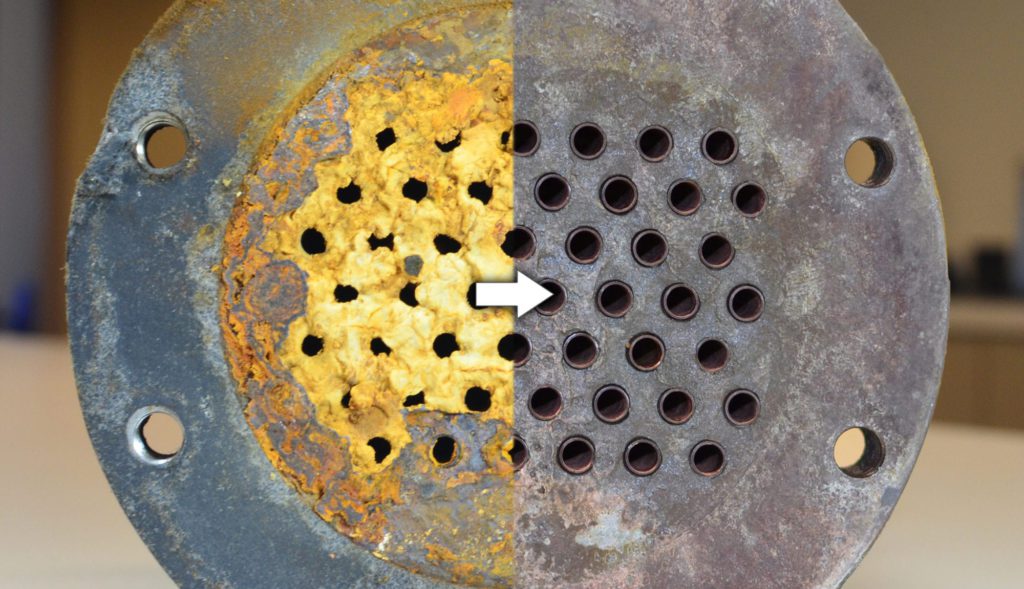
Imagine a clogged artery in your body. It restricts blood flow, making your heart work harder and potentially leading to serious health problems. A dirty heat exchanger acts similarly. The buildup of deposits acts as an insulator, preventing the efficient transfer of heat to the water. This has several consequences:
- Reduced Efficiency: Your boiler has to burn more fuel to achieve the same level of heating, leading to higher energy bills.
- Increased Fuel Consumption: More fuel burned directly translates to increased expenses.
- Overheating: The burner works harder, potentially causing the heat exchanger to overheat, leading to damage or failure.
- Uneven Heating: Some radiators may be hotter than others due to restricted water flow.
- Reduced Lifespan: The constant stress on the boiler components can shorten its overall lifespan.
Identifying the Need for Cleaning
How do you know if your heat exchanger needs cleaning? Here are some common symptoms:
- Reduced Heating Performance: Your home isn't as warm as it used to be, even with the thermostat set higher.
- Increased Energy Bills: Your gas bill is significantly higher than usual, despite no changes in your heating habits.
- Boiler Runs Longer: The boiler takes longer to reach the desired temperature.
- Noisy Boiler: You hear banging, gurgling, or whistling noises coming from the boiler. This can be due to scale buildup causing localized boiling.
- Radiators are Cold at the Bottom: This often indicates sludge and debris buildup in the system, hindering proper circulation.
- Boiler Error Codes: Some modern boilers have sensors that can detect problems and display error codes related to heat exchanger efficiency. Check your boiler's manual for specific error codes.
If you experience any of these symptoms, it's important to investigate further. A professional heating engineer can perform a more thorough inspection to determine if cleaning is necessary.
Safety First: Essential Precautions
Safety is paramount when working with a boiler. Before attempting any cleaning, follow these precautions:
- Turn Off the Boiler: Completely switch off the boiler and allow it to cool down completely before starting any work.
- Isolate the Gas Supply: Turn off the gas supply to the boiler at the isolation valve. If you're unsure where this is or how to do it, consult a qualified gas engineer.
- Disconnect the Power: Turn off the electrical circuit breaker that supplies power to the boiler.
- Wear Appropriate Protective Gear: Wear gloves and eye protection to protect yourself from chemicals and debris.
- Ventilation: Ensure adequate ventilation in the work area.
- Read the Manual: Refer to your boiler's manual for specific instructions and warnings.
- Know Your Limits: If you are uncomfortable with any step, call a qualified professional.
Never attempt to bypass safety features or work on a boiler that is under pressure or still hot.
Cleaning Methods: A Detailed Look
There are several methods for cleaning a heat exchanger, ranging from simple flushing to more intensive chemical cleaning. The best method will depend on the type and severity of the buildup.
1. Flushing
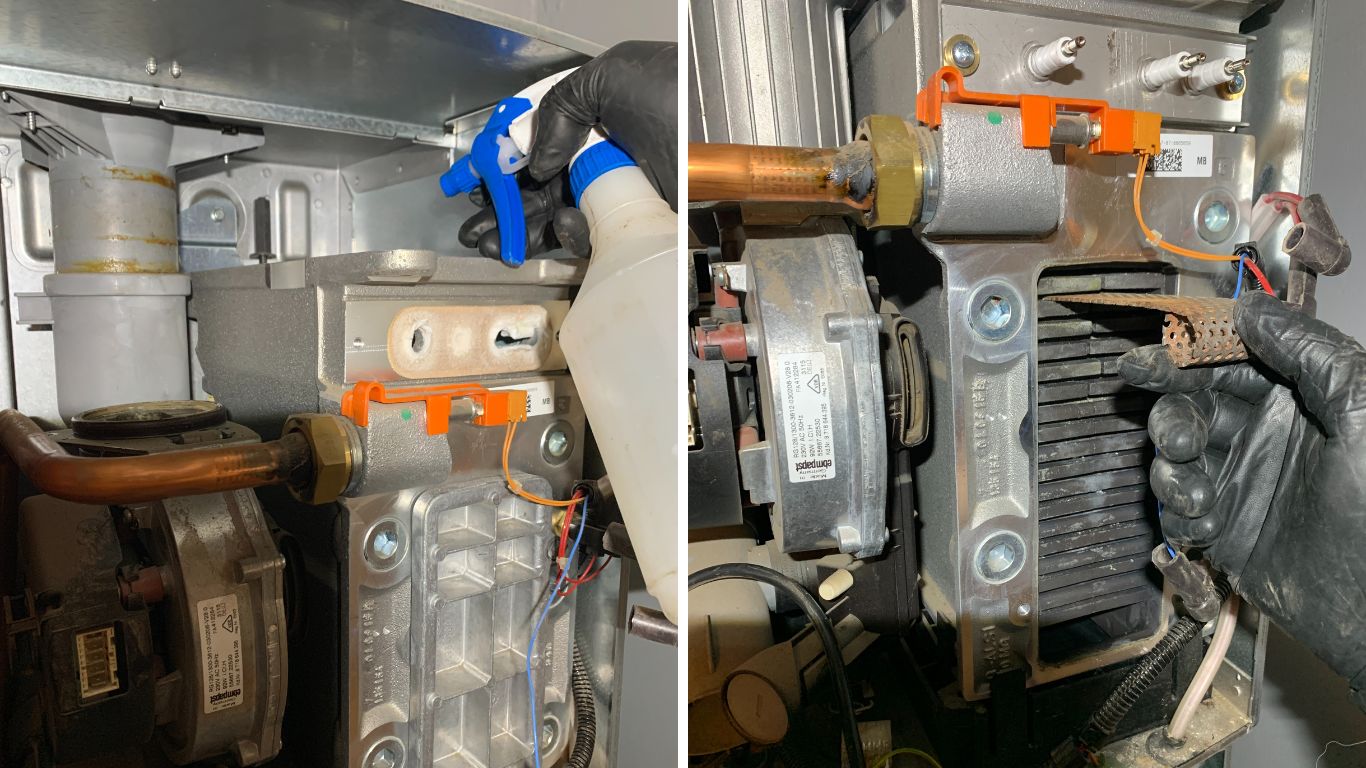
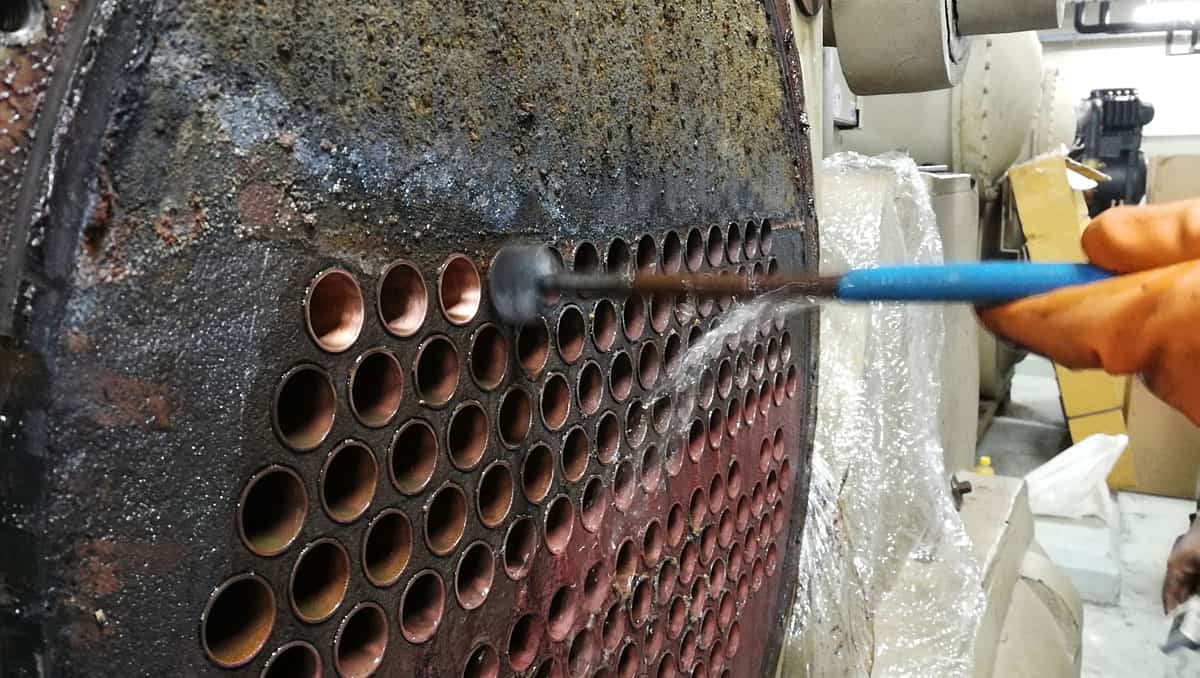
Flushing is a relatively simple method that involves circulating clean water through the heat exchanger to remove loose debris and sediment. This is often the first step in cleaning and can be effective for removing minor buildup. Think of it as "rinsing" the heat exchanger.
How to Flush:
- Drain the System: Drain the water from the boiler and the central heating system.
- Connect a Hose: Connect a hose to the drain valve on the boiler.
- Flush with Clean Water: Turn on the water supply and flush the system with clean water until the water runs clear.
- Refill and Vent: Refill the system with water and vent any trapped air.
Flushing is most effective when done regularly as part of routine boiler maintenance.
2. Chemical Cleaning (Descaling)
When scale buildup is significant, chemical cleaning, also known as descaling, is often necessary. This involves circulating a chemical solution through the heat exchanger to dissolve the scale and other deposits. Think of it as using a special "detergent" to break down the grime.
Important Note: Chemical cleaning requires caution. Use only chemicals specifically designed for boiler descaling. Always follow the manufacturer's instructions carefully. Improper use of chemicals can damage the heat exchanger or other boiler components.
How to Chemical Clean:
- Isolate the Heat Exchanger: You might need to isolate the heat exchanger from the rest of the system using isolation valves if present.
- Introduce the Chemical Solution: Carefully introduce the descaling solution into the heat exchanger according to the manufacturer's instructions. This often involves using a pump to circulate the solution.
- Circulate the Solution: Circulate the solution for the recommended time period, allowing it to dissolve the scale.
- Neutralize the Solution: After the specified time, neutralize the chemical solution according to the manufacturer's instructions. This is crucial to prevent corrosion.
- Flush Thoroughly: Flush the heat exchanger thoroughly with clean water to remove all traces of the chemical solution and dissolved scale.
- Refill and Vent: Refill the system with water and vent any trapped air.
- Add Inhibitor: Add a corrosion inhibitor to the system water to prevent future scale buildup.
There are different types of descaling chemicals available. Choose one that is compatible with the materials used in your heat exchanger.
3. Professional Cleaning Services
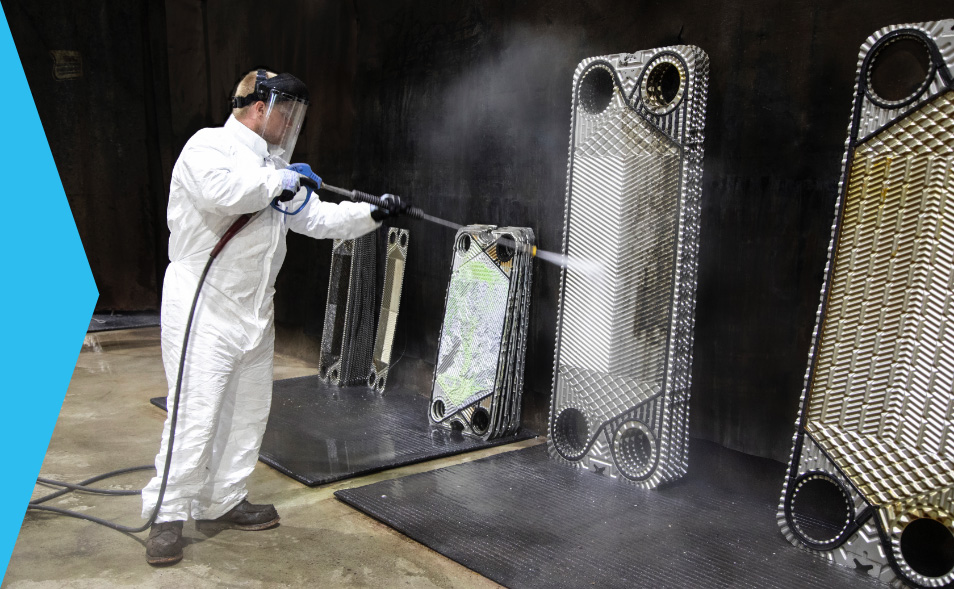
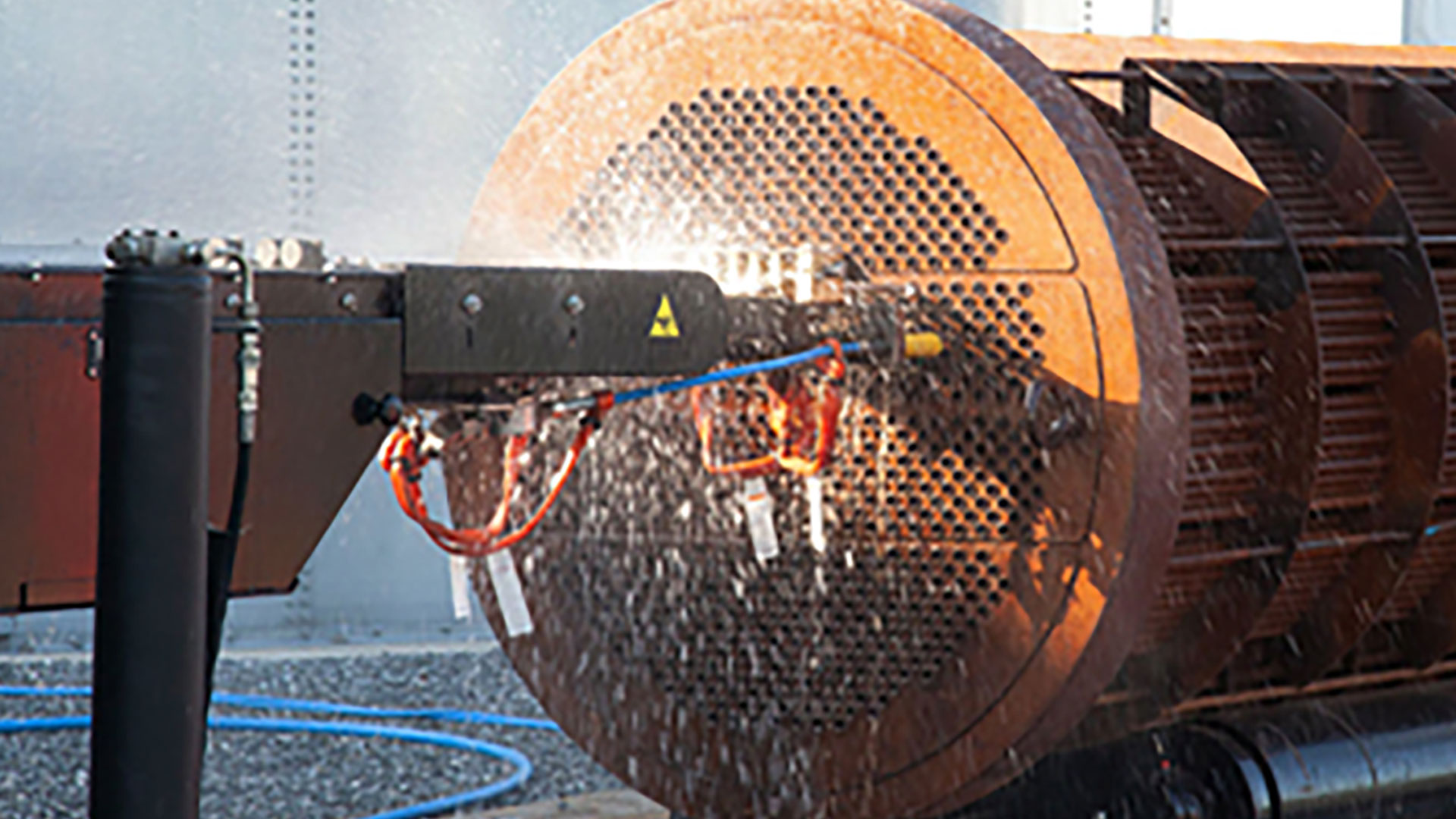
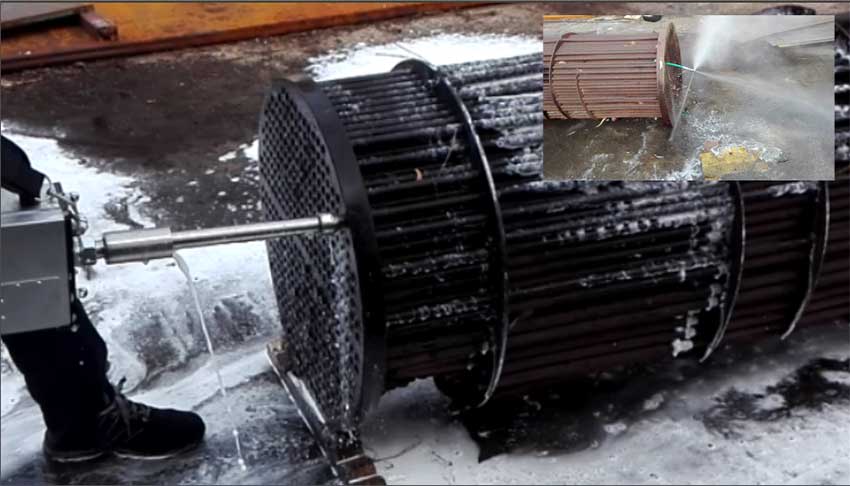
For heavily scaled or complex heat exchangers, or if you're uncomfortable performing the cleaning yourself, it's best to hire a professional heating engineer. They have the expertise, equipment, and chemicals to safely and effectively clean your heat exchanger.
Benefits of Professional Cleaning:
- Expertise and Experience: They have the knowledge and experience to properly diagnose the problem and choose the best cleaning method.
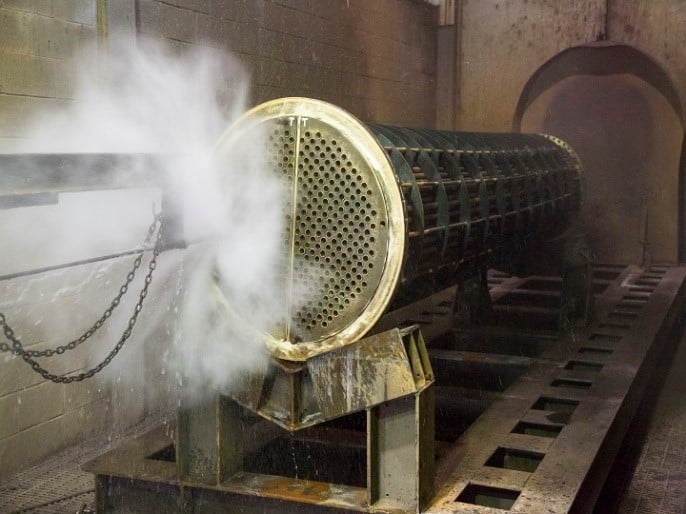
- Specialized Equipment: They have specialized equipment, such as power flushing machines and descaling pumps, to ensure thorough cleaning.
- Safety: They are trained to handle chemicals and work safely with gas and electrical systems.
- Warranty Protection: Improper cleaning can void your boiler's warranty. A professional will ensure the cleaning is done correctly and doesn't compromise your warranty.
Preventing Future Buildup
Prevention is always better than cure. Here are some tips to prevent scale buildup in your heat exchanger:
- Use a Water Softener: If you live in an area with hard water, consider installing a water softener to reduce the amount of minerals that can form scale.
- Add a Corrosion Inhibitor: Add a corrosion inhibitor to the system water to prevent scale and corrosion.
- Regular Servicing: Schedule regular boiler servicing by a qualified heating engineer. They can inspect the heat exchanger and perform preventative maintenance.
- Power Flushing: Consider a power flush every few years, especially in older systems. This thoroughly cleans the entire central heating system, removing sludge and debris that can contribute to scale buildup.
- Monitor Water Quality: Regularly test the water quality in your heating system and adjust the chemical balance as needed.
Choosing the Right Approach
Deciding whether to clean the heat exchanger yourself or hire a professional depends on your skills, experience, and the severity of the problem.
- DIY Flushing: If you're comfortable with basic plumbing tasks and the buildup is minor, you can try flushing the heat exchanger yourself.
- DIY Chemical Cleaning: If you have experience working with chemicals and are confident in your abilities, you can attempt chemical cleaning. However, exercise extreme caution and follow the instructions carefully.
- Professional Cleaning: If the buildup is severe, you're uncomfortable working with chemicals, or you're unsure about any step, it's always best to hire a qualified heating engineer.
Remember, safety is the top priority. If in doubt, always consult a professional.
Conclusion
Cleaning your boiler's heat exchanger is essential for maintaining its efficiency, extending its lifespan, and reducing your energy bills. By understanding the different cleaning methods, safety precautions, and preventative measures, you can make informed decisions about how to care for your boiler. Whether you choose to tackle the job yourself or hire a professional, regular maintenance will ensure that your boiler operates safely and efficiently for years to come. Remember to always prioritize safety and consult a qualified heating engineer if you have any doubts or concerns.