Clearance For Double Wall Stove Pipe
Understanding Clearance Requirements for Double-Wall Stove Pipe: A Comprehensive Guide
When installing a wood-burning stove, fireplace insert, or other solid-fuel burning appliance, safety is paramount. One critical aspect of safe installation is adhering to proper clearance requirements for the stove pipe, specifically double-wall stove pipe. This guide provides a comprehensive overview of these requirements, helping homeowners, real estate investors, and contractors understand the nuances and ensure a safe and efficient heating system.
What is Double-Wall Stove Pipe?
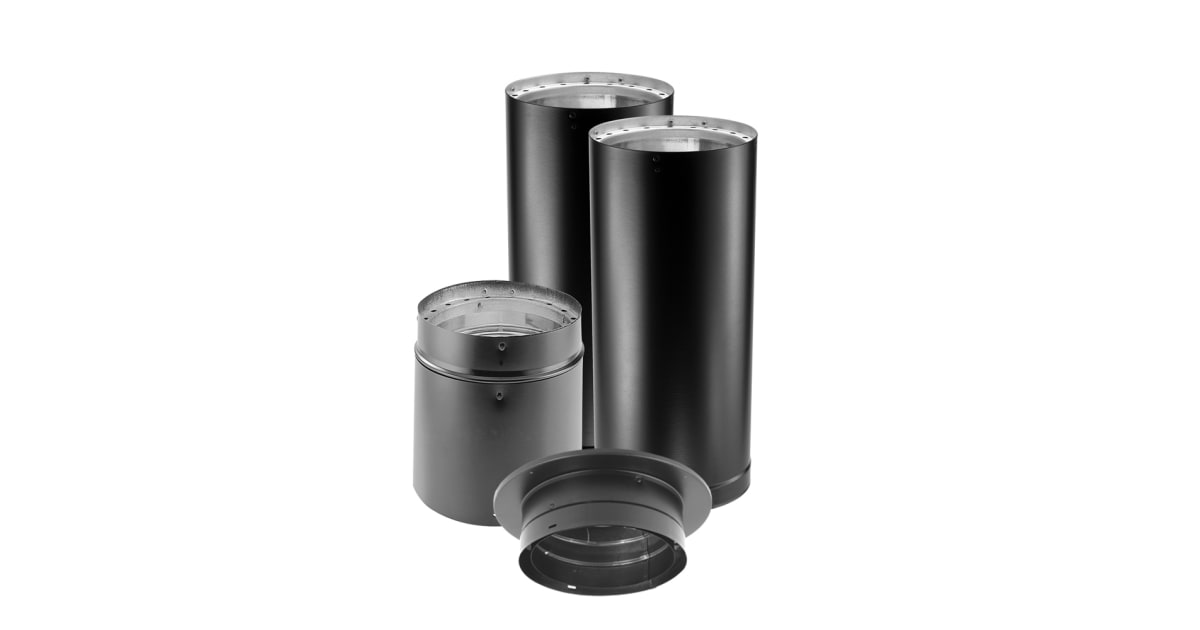
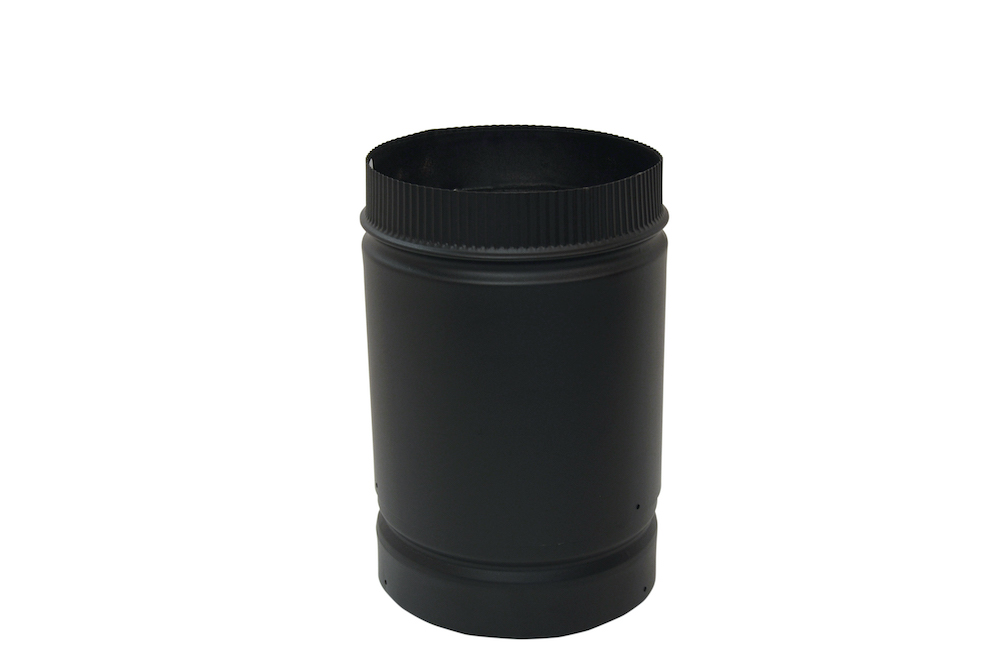
Double-wall stove pipe, as the name suggests, consists of two layers of metal separated by an insulating air space. This construction significantly reduces the external surface temperature of the pipe compared to single-wall pipe, thereby decreasing the risk of fire caused by nearby combustible materials. Because of this improved safety factor, using double-wall stove pipe allows for reduced clearance distances from walls and ceilings.
Why Clearance Matters
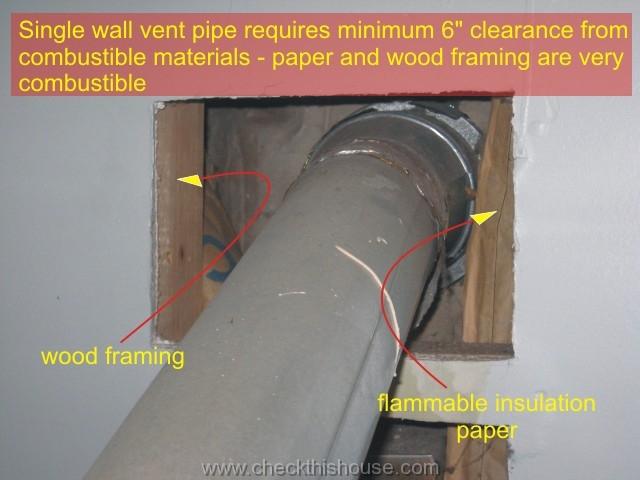
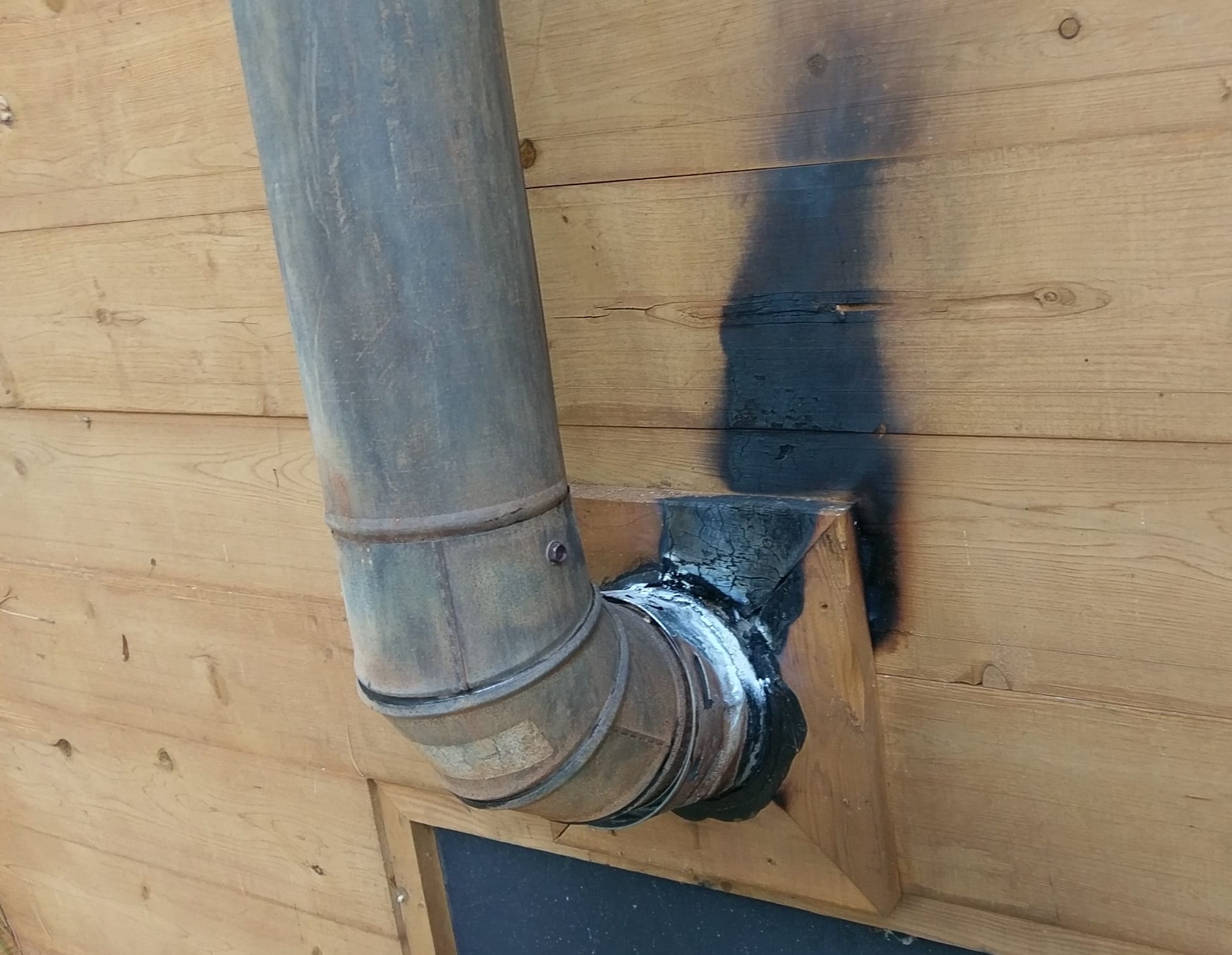
Combustible materials like wood framing, drywall, and insulation can ignite if exposed to excessive heat. Stove pipes, especially those connected to wood stoves, radiate significant heat. Maintaining adequate clearance between the stove pipe and these combustible surfaces is essential to prevent fires. Failure to comply with clearance requirements is a leading cause of residential fires involving solid-fuel burning appliances.
Clearance Requirements: The Essentials
Clearance requirements are typically specified by the stove manufacturer, the stove pipe manufacturer, and local building codes. These requirements are expressed as distances from the outer surface of the stove pipe to combustible materials. It's crucial to consult all three sources to ensure compliance.
General Guidelines for Double-Wall Stove Pipe Clearance
While specific clearances can vary, here are some general guidelines to keep in mind:
- Manufacturer's Instructions: Always prioritize the stove and stove pipe manufacturer's instructions. These instructions are often the most specific to the particular product and are legally binding.
- UL Listings: Look for stove pipe that is UL (Underwriters Laboratories) listed. UL listing indicates that the pipe has been tested and meets safety standards. The listing will specify the clearance requirements.
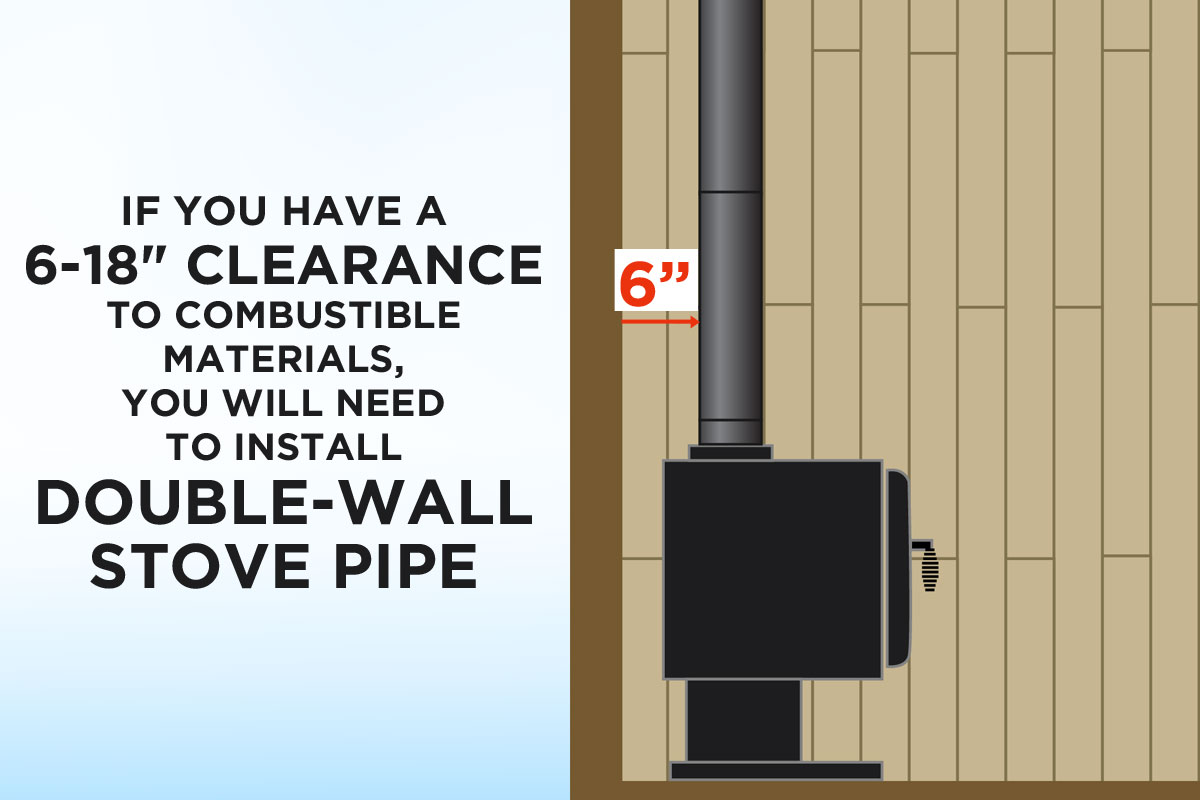
- Typical Clearance Reduction: Double-wall stove pipe typically reduces clearance requirements significantly compared to single-wall pipe. Common reductions are to 6 inches or less from walls and ceilings for listed double-wall pipe, while single-wall pipe often requires 18 inches or more.
Factors Affecting Clearance
Several factors influence the specific clearance requirements:
- Type of Stove: Different stoves produce different amounts of heat, affecting clearance needs.
- Stove Pipe Diameter: Larger diameter pipes might require greater clearances.
- Type of Combustible Material: Highly combustible materials might necessitate greater clearances.
- Wall Protection: Using a non-combustible wall shield can reduce clearance requirements.
- Ceiling Protection: Similar to wall protection, using a non-combustible ceiling shield can reduce vertical clearance requirements.
Common Clearance Scenarios
Here are some common scenarios and considerations for double-wall stove pipe clearance:
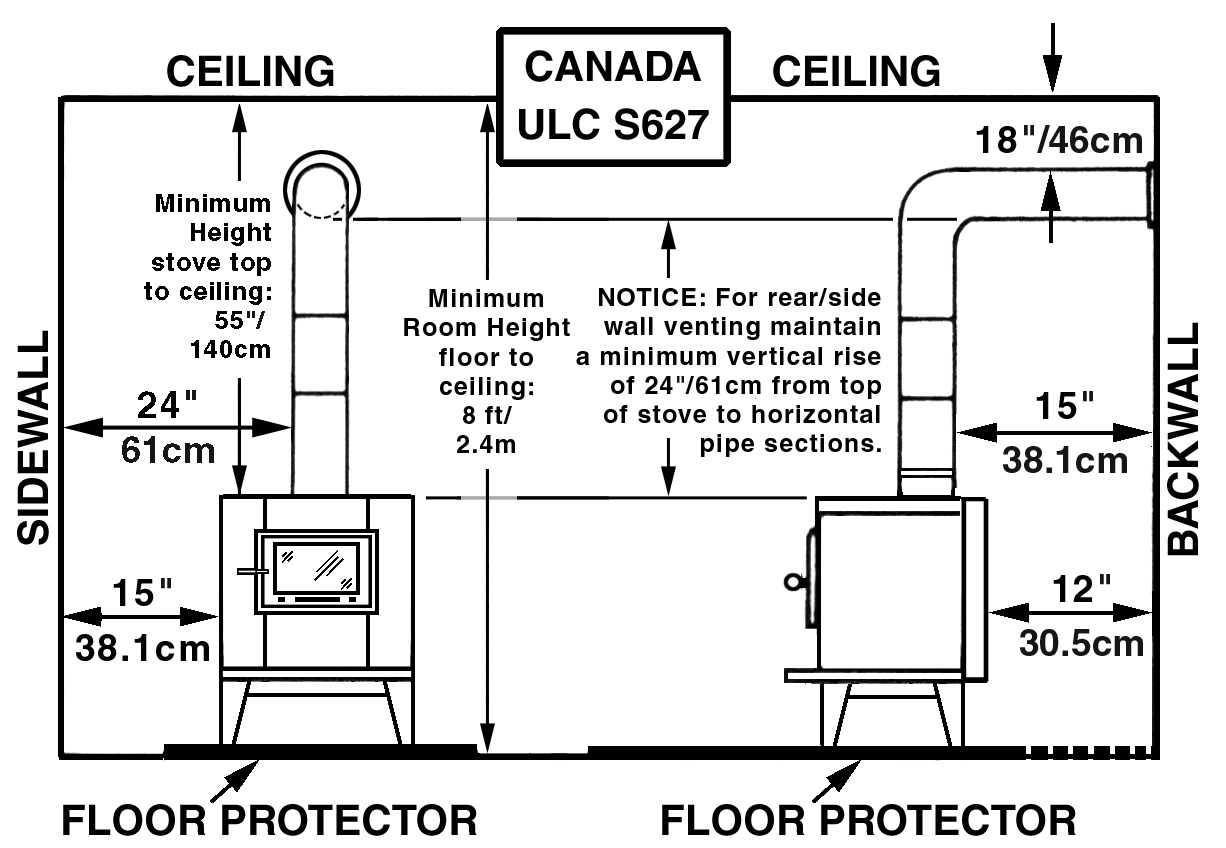
- Wall Clearance: Measure the distance from the outside of the stove pipe to the nearest combustible wall. If the clearance is insufficient, consider using a wall shield or relocating the stove.
- Ceiling Clearance: Measure the distance from the top of the stove pipe to the nearest combustible ceiling. Ceiling shields can be particularly helpful in reducing this clearance.
- Corner Clearances: Corners often require greater clearances due to the concentration of heat. Pay close attention to corner clearance requirements.
- Clearance to Mantels: Mantels above fireplaces are often combustible. Ensure adequate clearance between the stove pipe and the mantel to prevent ignition.
Comparing Double-Wall Stove Pipe Brands and Features
Several reputable manufacturers offer high-quality double-wall stove pipe. Here's a brief comparison of some popular brands and their features:
- DuraVent DuraPlus HTC: DuraVent is a well-known brand in the venting industry. The DuraPlus HTC series is a premium double-wall stove pipe known for its high temperature rating and robust construction. It typically offers reduced clearance to combustible materials.
- Selkirk Metalbestos: Selkirk Metalbestos is another established brand that produces a range of venting products, including double-wall stove pipe. Their products are generally reliable and meet industry standards.
- Simpson Dura-Vent: Simpson Dura-Vent offers a variety of chimney and venting solutions. Their double-wall stove pipes are designed for easy installation and safe operation.
Features to Consider
When choosing double-wall stove pipe, consider the following features:
- UL Listing: Ensure the pipe is UL listed.
- Material: Look for high-quality steel construction. Stainless steel options offer superior corrosion resistance.
- Connection Type: Choose a connection type that is easy to install and provides a secure seal.
- Adjustable Lengths: Adjustable lengths can simplify installation and reduce the need for cutting.
- Warranty: Check the manufacturer's warranty for coverage against defects.
Cost Considerations
The cost of double-wall stove pipe varies depending on the brand, diameter, length, and features. Generally, double-wall pipe is more expensive than single-wall pipe due to its added insulation and construction complexity. However, the reduced clearance requirements and enhanced safety often justify the higher cost. A typical installation might range from a few hundred to over a thousand dollars, depending on the complexity and the materials used.
Installation Costs
Professional installation is highly recommended to ensure proper compliance with building codes and safety standards. Installation costs can vary depending on the complexity of the job and the installer's rates. Get quotes from multiple qualified installers before making a decision.
Warranties and Maintenance
Most double-wall stove pipe manufacturers offer warranties against defects in materials and workmanship. The warranty period can range from a few years to a lifetime. It's important to read the warranty terms and conditions carefully.
Maintenance Tips
Proper maintenance is essential to ensure the longevity and safe operation of your stove pipe. Here are some maintenance tips:
- Regular Inspections: Inspect the stove pipe regularly for signs of damage, such as rust, cracks, or loose connections.
- Creosote Removal: Creosote buildup is a fire hazard. Have the stove pipe professionally cleaned annually to remove creosote deposits.
- Chimney Sweep: Hire a qualified chimney sweep to inspect and clean the entire chimney system.
- Replace Damaged Sections: Replace any damaged sections of the stove pipe immediately.
Building Codes and Permits
Before installing a wood-burning stove and stove pipe, it's crucial to check with your local building department to determine the applicable building codes and permit requirements. Failure to comply with building codes can result in fines and delays.
Permit Requirements
In many jurisdictions, a permit is required for the installation of a wood-burning stove and chimney. The permit process typically involves submitting plans and specifications for review and undergoing inspections to ensure compliance with building codes.
Conclusion: Prioritizing Safety and Compliance
Installing double-wall stove pipe involves understanding and adhering to specific clearance requirements to ensure the safety of your home and family. By consulting manufacturer's instructions, complying with local building codes, and performing regular maintenance, you can enjoy the warmth and comfort of a wood-burning stove with peace of mind. Remember to prioritize safety, choose quality products, and seek professional assistance when needed.
Ultimately, investing in the right type of stove pipe and following safety guidelines protects your home and loved ones from the risk of fire. While price is a factor, remember that safety is priceless when dealing with heating systems. Prioritize quality, compliance, and professional installation to ensure years of safe and efficient heating.